COST GUIDES
How much does skirting board fitting cost in 2026?
Updated 06/26
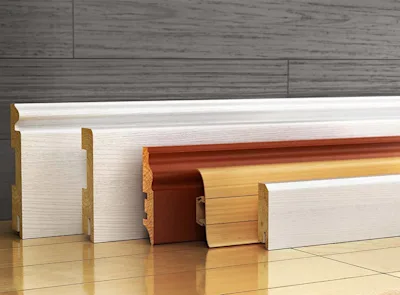

Skirting boards (also known as baseboards) are decorative finishing touches that cover the joints between walls and floors. Find out how much they cost to fit and finish in our guide.
Fast Facts
Skirting boards cost an average of £22 per linear metre
Carpenters charge an average of £31.25 per hour to fit skirting boards
Remember to budget for painting too
Whether you’ve moved into a new property or are renovating, redecorating or repairing your home, you might want to consider hiring a carpenter to repair or fit new skirting boards.
Find out how they’re fitted and the factors that make up the overall costs of their installation.
We've also included key considerations for the purchase and process of fitting your skirting board.
Cost for fitting skirting boards
| Cost provided item | Unit | Price range - Low | Price range - High | Average UK cost |
|---|---|---|---|---|
| Supply and fit skirting board | Per lm | £18 | £26 | £22 |
| Fit skirting board - labour only | Per hour | £25 | £37.50 | £31.25 |
| Gloss painting skirting boards | Per hour | £22.50 | £32.50 | £27.50 |
| Gloss painting skirting boards – including repairs and making good | Per lm | £5 | £10 | £7.50 |
| Carpenter | Per hour | - | - | £31.25 |
| Carpenter | Per day | - | - | £250 |
| Painter | Per hour | - | - | £27.50 |
| Painter | Per day | - | - | £220 |
| Last updated: June 2026 Our costs are ballpark averages - get a local tradesperson to quote now | ||||
On average, a skirting board supply and fitting cost is £22 per linear metre for a standard 75mm skirting board.
The hourly rate for a carpenter to fit skirting boards averages £31.25 per hour
If you also need a painter for your new skirting boards, expect to pay around £27.50 per hour
In general, the cost to install skirting boards can vary depending on the quality, material and size of the room they’re being fitted in. For bigger jobs, you can expect carpenters to charge by the metre.
To get an accurate quote for your project, speak to carpenters who work in your area.
Find skirting board fitters in your area
What's included in a skirting board fitting quote?
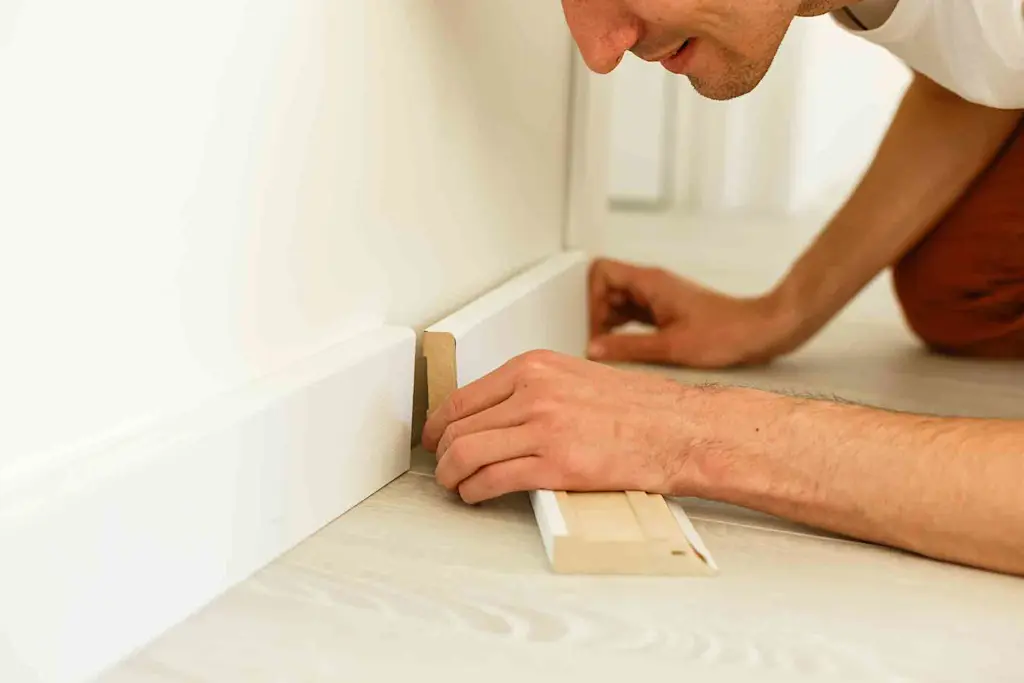
When you get a quote from a carpenter for fitting skirting boards, you can usually expect it to include the costs of:
Supplying the new skirting boards
Material costs, e.g. nails and glue
Labour to fit the boards
Basic cleanup and disposal
Make sure you discuss beforehand whether the quote includes removal of the old skirting boards. It's likely to cost extra.
If there are a lot of corners or difficult cuts in a room, then the cost of skirting will also increase.
Additional costs to consider
The painting requirements of the skirting boards
Disposing of the old skirting boards
Any wall and/or floor preparation required
VAT
For example, gloss painting skirting boards in poor condition with lots of filler required will, on average, cost you around £7.50 per linear metre.
Try the job estimate calculator
Get a rough quote for your new skirting boards with our job estimate tool.
All you need to do is type out a few details, such as the size of your room and what kind of skirting boards you want, and the calculator will use Checkatrade data to give you an approximate cost for the job. Try it out below!
Job Estimate Calculator

What types of skirting board can I get?
Skirting boards come in a variety of materials. Each have their own pros and cons, and affect how much you'll need to spend to have new skirting fitted.
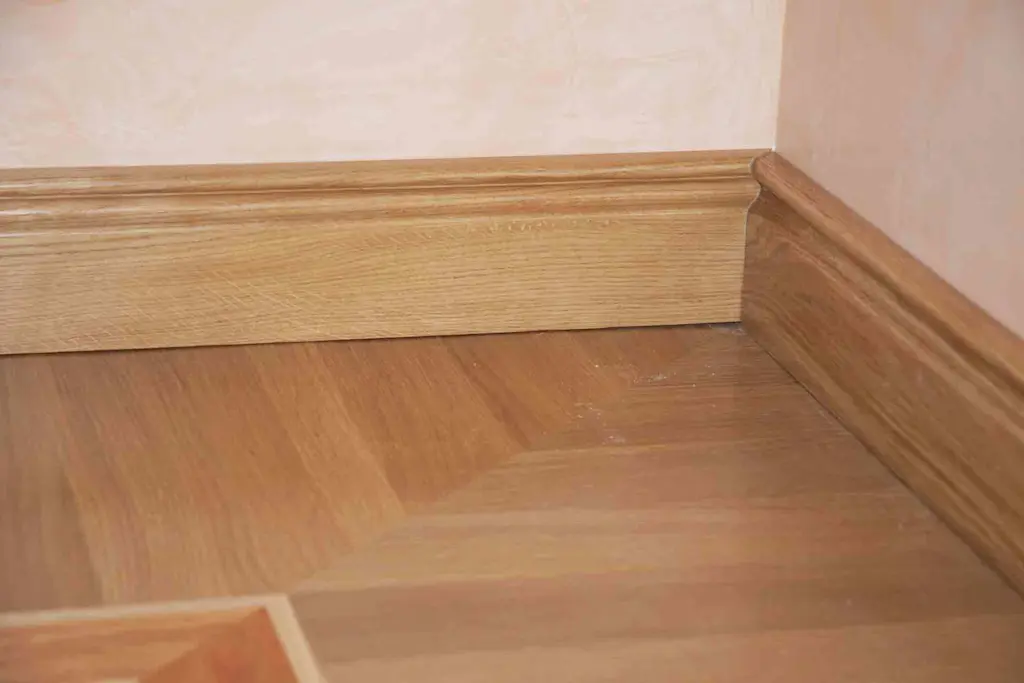
Wooden skirting boards
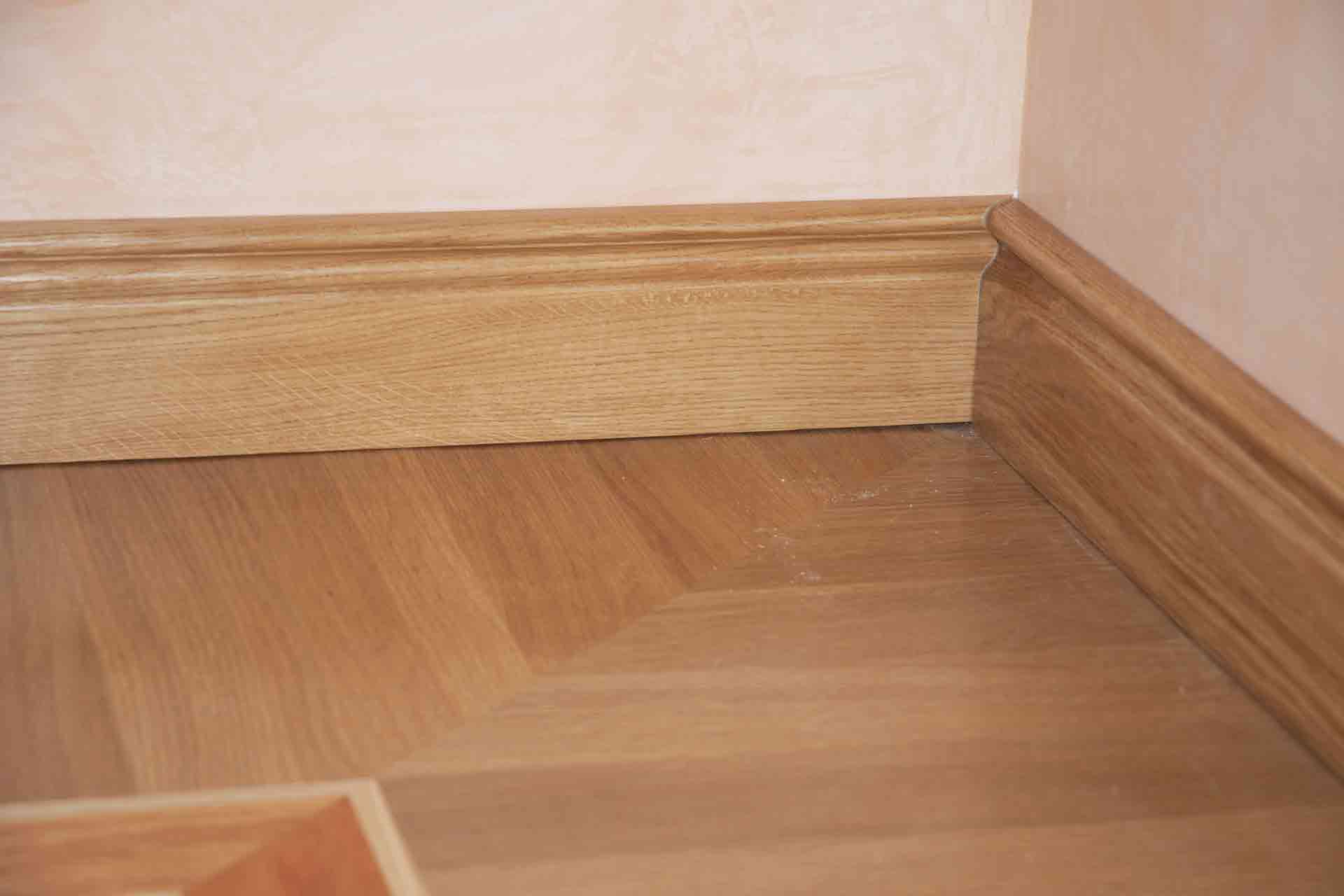
Wood is one of the more expensive materials for skirting boards, but it's highly durable and a classic choice for a reason. You can paint wooden skirting boards, or leave them polished to show off the wood grain.
MDF skirting boards
MDF is a very common choice for skirting, as it's low in cost and available in a huge number of styles. Most MDF skirting comes in white, or you can paint it whatever colour you like.
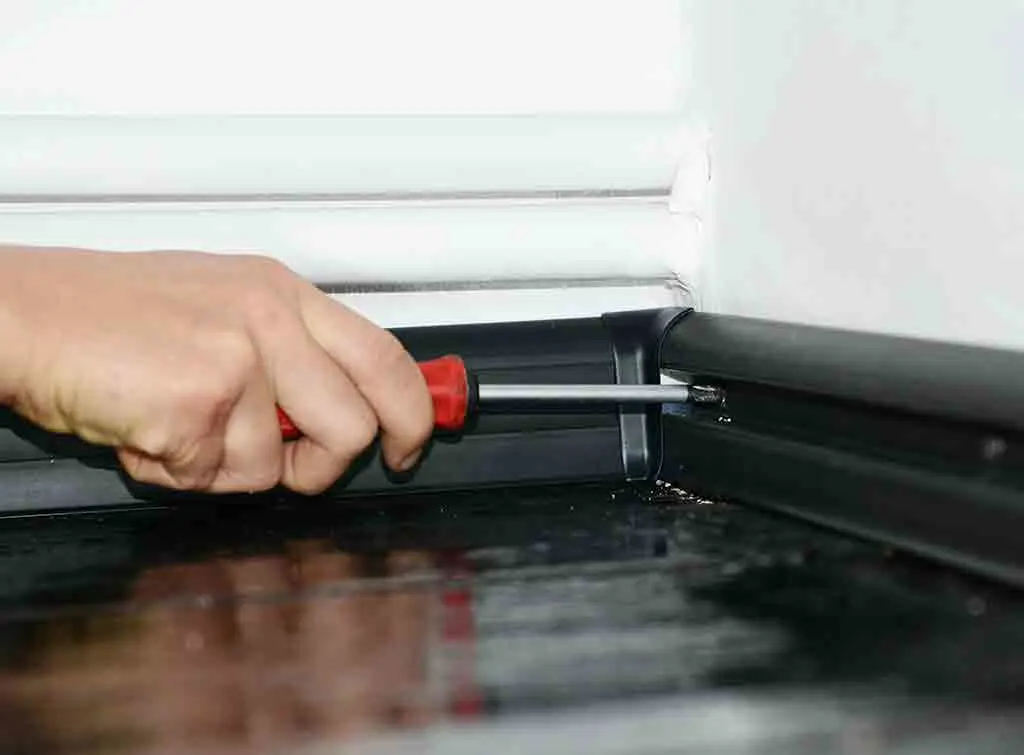
Plastic skirting boards
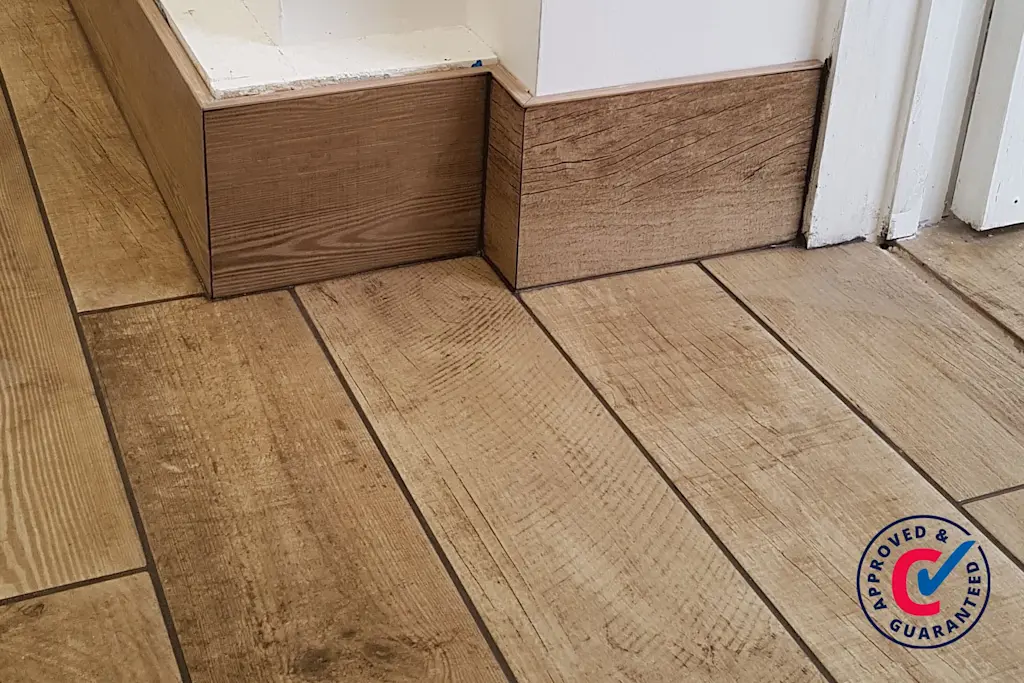
These are made with PVC or uPVC, and are often very low in cost, as well as being incredibly durable and easy to clean. That's a huge advantage - but be aware that you can't paint them, and they're pretty unforgiving on uneven walls.
Skirting board styles
You'll also find skirting boards available in a number of styles or profiles, including:
Ogee
Square
Bullnose
Rounded
Grooved
Angled
Ovolo
Period styles
When should you get new skirting boards?
The average lifespan of a set of skirting boards is at least 10 years. If yours are older than that and looking a bit worse for wear, you might feel that it's time to get them replaced!
Other reasons why homeowners like to fit new skirting boards includes things like:
Refurbishing or redecorating a room - You may want to change the skirting boards while you're changing the walls and floors, or take the opportunity to try a new skirting style
Damage - When your skirting boards are showing signs of damage, such as damp, rotting, flood damage, or a lot of chips and scuffs, a replacement may be necessary
Accessing the underfloor - If you need to access your underfloor, the skirting most likely needs to come off. That can give you the opportunity for a new set

Check out our carpentry hub, for expert advice on everything from carpenter rates and prices, to understanding the difference between a carpenter and a joiner once and for all.
How are skirting boards fitted?
Skirting boards are usually fitted by a carpenter, or sometimes a joiner.
After assessing your walls, they will take measurements and cut the skirting boards to size
Next, they’ll fix any studwork required and mark the location of the studs on your floor with a pencil
Once everything is marked out, the carpenter will drill pilot holes through the skirting board and into the studs
Further cuts will be made for the screws to sit behind the surface before being screwed in
Next, wood glue will be used along the join to push the skirting board into place, with further drilling and screwing required to firmly secure the boards
Finally, a few pins will be nailed through the second piece into the first and then punched below the surface
This process will be repeated, taking into account the corners, which require careful scribing for accuracy.
Then, once the room is completed, a wood filler will be used to fill in the screw holes, leaving your skirting board ready for a coat of paint or varnish.
How to fit skirting boards
Want to expand your DIY skills and learn how to fit skirting boards? Our guide covers everything you need to know, with cutting, attaching and joining tips.
How long does it take to fit skirting boards?
To just fit new skirting boards, a carpenter will usually take between one and four hours. The exact time depends on the size of the room, the complexity of the job, and how experienced your carpenter is.
If you need them to remove old skirting boards and replace them with new ones, allow one full day for the entire job.
Some carpenters may work in teams - especially if they're tackling skirting boards for an entire house - which will make things go much faster.

Can I fit skirting boards myself?
Although many people attempt to fit skirting boards themselves, you'll always get a better result by hiring a trusted tradesperson.
The measuring, cutting, scribing and fixing needs a level of accuracy and skill to ensure the finished look is neat and tidy. A badly done job can equal gaps in corner joints and uneven fittings. It also takes longer and could cost you more in the long run.
Search Checkatrade for a tradesperson who will ensure your skirting boards are fitted properly.
Find skirting board fitters in your area
Find a carpenter to fit your skirting boards
With Checkatrade, you're in the perfect place to start searching for a carpenter to fit your skirting boards.
Search our directory for skirting board fitters near you, post your job to hear back from available carpenters, or download the Checkatrade app.

FAQs
It depends on the size of the room, but allow up to a day for your new skirting boards to be fully installed.
If you have skirting boards that are old, damaged, or rotting, it's worth replacing the whole room of boards for a neat refresh.
However, if your skirting boards are only a few years old, or are just a bit scuffed at worst, it's cheaper and easier to just sand and re-paint them.
Good skirting boards will last at least ten years. But if they get damaged, or start to look tired, you may need to replace them sooner.
Yes, you can, especially if the old skirting boards are small. However, most carpenters prefer to remove the old skirting boards and install new ones. You'll also need to watch out for damp, rot, and infestation of the old boards.
Carpenters charge an average rate of £31.25 per hour for tasks like fitting skirting boards. This task takes around 1-4 hours.
See our guide to carpenter costs for more details.
The most widely used type of skirting board in the UK is the Ogee type. This style has an angled, sweeping curve at the top. You'll find Ogee skirting boards in wood, MDF, and other materials.
Skirting board covers can be a handy way to update your room's style without going to the hassle and expense of replacing the skirting boards entirely. However, if there are any issues with your skirting - for instance, if it's damp or rotting - covers can make those problems worse.
Most carpenters will use both nails and glue together when they fit skirting boards. Nails or screws are an overall sturdier option than glue, and less likely to cause damage to your wall's finish - but they can also be more time-consuming and complicated to install.
There are a number of ways to finish the bottoms of your walls without skirting boards. They include:
Ceiling-to-floor plastering
Wooden panels
Tile upstands
Metal skirting profiles
Shadow gaps
Tiled skirting
Plastic (PVC or uPVC) skirting boards are a great alternative to traditional wooden skirting - they're easy to maintain and highly durable.
However, they're difficult to align with uneven walls, which can look a bit unsightly, and you're limited in terms of how you can style them. For instance, they cannot be painted, and only come in a limited number of styles compared to wood or MDF.
You can get an ultra-thin type of skirting board that can measure as slim as 5 millimetres thick. This is a premium option, though - be prepared to pay extra for it!
See the tradespeople we've checked for your job