EXPERT ADVICE
Air Conditioning Troubleshooting: 6 Common Faults and How to Fix Them
Updated 05/26
By: Lara Sargent
Reviewed: Emma Potter
A faulty air conditioning system is the last thing you want to deal with when summer arrives.
Read on for:
The most common air conditioning problems UK homeowners face
Practical troubleshooting tips
When it’s time to call in a professional
Six common issues with air conditioning
Troubleshooting air conditioning problems early on could mean you save on hefty repair bills.
From leaky refrigerant to strange noises, it's good to know what to do for each problem.
First up in our air conditioning fault-finding rundown, why is my air conditioner not turning on?

1. Air conditioner is not turning on
It can be a headache if your air conditioning system doesn't turn on. But don't panic just yet.
Here are some things to try before calling in an air con engineer:

Checklist of things to try
1. Check the thermostat
2. Inspect the air filter
3. Reset the AC unit
4. Check the circuit breaker
5. Look for ice buildup
Contact a local air conditioning engineer for help and advice
Finding experienced air conditioning engineers near you is simple using Checkatrade's free mobile app.
Or read on for other common issues with air conditioning and what to do about them.
Find a local tradesperson

On Checkatrade, you'll only find trades who meet our high standards and pass up to 12 checks.
2. Air conditioner not blowing cold air but running
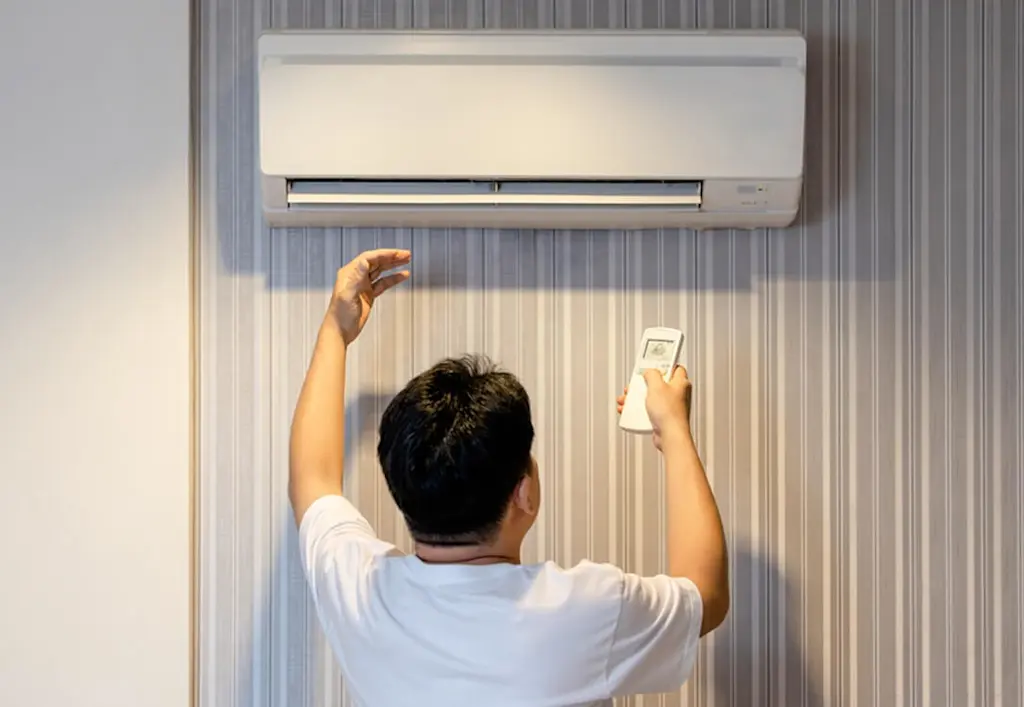
There are several reasons why your air conditioner unit might be running but not getting cold
Thermostat issues
One of the most common reasons why an air conditioner system might be running but not cooling a house is due to thermostat issues.
What to do: Check your thermostat settings and try adjusting the temperature up or down to see if that helps. Does it need to change from cooling to heating? You can also try cleaning the thermostat and replacing the batteries.
Low refrigerant levels
Refrigerant is the substance that your AC unit uses to cool the air. So, if there’s not enough of it, your air conditioning won’t be able to function correctly.
But here's the thing to know: home air con systems are closed loops. So if the refrigerant is low, it indicates a leak.
What to do: Refilling refrigerant isn't a DIY job. Contact an air conditioning specialist to inspect your system for leaks and refill.
Dirty air filters
Air filters are designed to trap dust and dirt and prevent them from circulating around your home.
Over time, however, they can clog with debris, making it more difficult for cool air to circulate and increasing energy consumption.
What to do: If the filter only has light dust build-up, you may be able to gently vacuum or wipe it clean before reinstalling it. However, heavily clogged or damaged filters should always be replaced with the correct type for your air conditioning unit.
Faulty condenser or evaporator coils
The condenser coil is responsible for removing heat from the refrigerant. Meanwhile, the evaporator coil is responsible for cooling the air.
If these coils are dirty or damaged, your air conditioner may run but not cool your house. This is because the coils cannot transfer heat and cool the air effectively.
What to do: Cleaning or repairing condensers and coils is a job best left to a professional HVAC technician. A DIY fix could end up damaging the unit. Sometimes, they may recommend replacing the parts entirely if they’re beyond repair.
Wrong size of AC unit
An oversized unit can be too powerful for your home and lead to short cycling. In turn, the unit will turn on and off frequently, increasing wear and tear and decreasing efficiency.
On the other hand, an undersized unit may struggle to cool your home effectively - especially during hot days and heat waves.
What to do: Ask a professional air conditioning specialist to take a look. They will look at the size of your home and the number of people living there and recommend the right size of unit.
3. Air conditioner is leaking
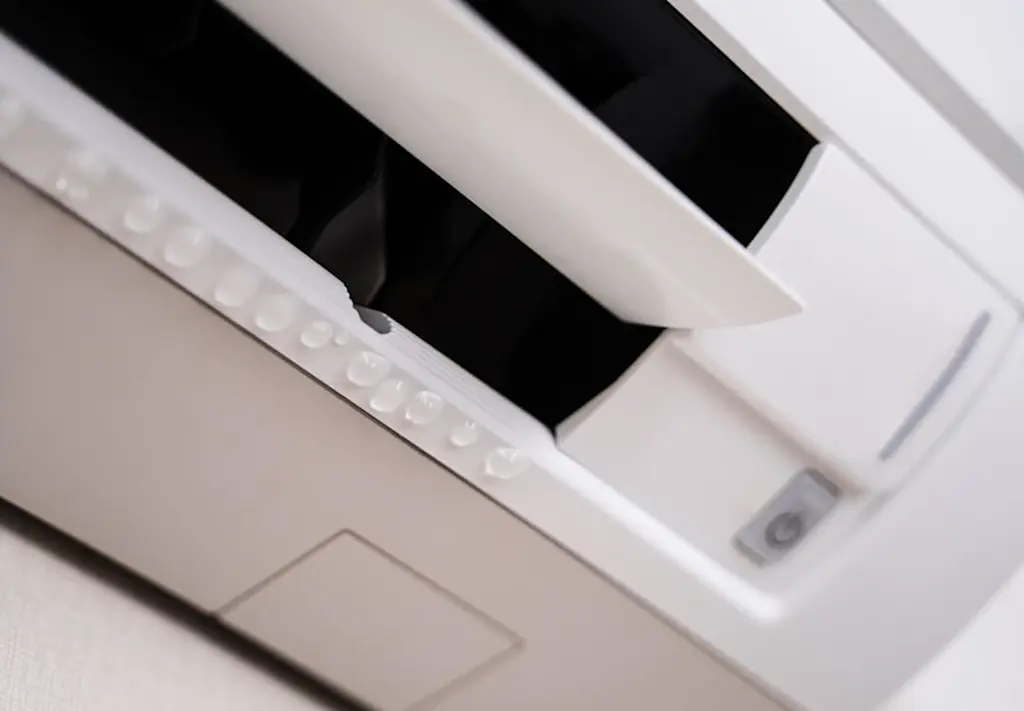
There's nothing more annoying than a dripping AC unit. A blocked filter, clogged condensation line or damaged pipes are often the culprits
What to do: A blocked filter can cause a build-up of pressure and cold air inside the unit, therefore causing an unwanted leak. Cleaning your filter is a good place to start to fix a leak. If that doesn't sort it, it could be caused by a faulty component, and you'll need an experienced air conditioning specialist to investigate.
For more information about the causes, check out our expert advice guide on why is my air con dripping.
4. Air conditioner is freezing up
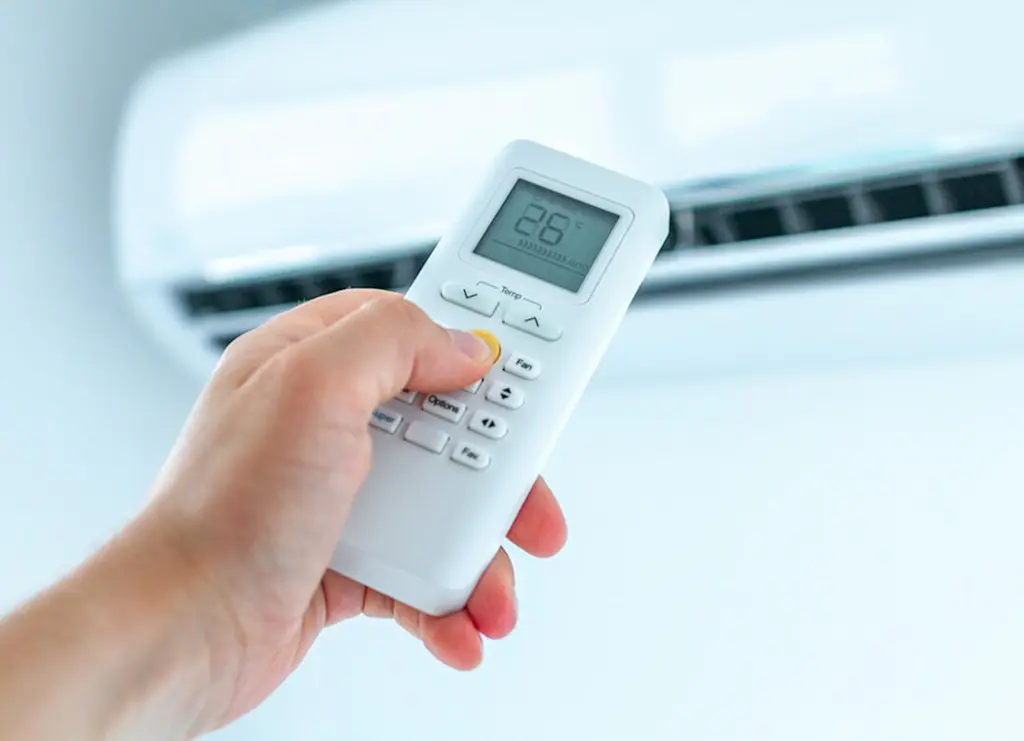
One of the reasons your AC unit may not be working properly is that it keeps freezing up.
Freezing can be seen within the evaporator coil, or on the exterior of the outside unit (the condenser coils). You might see a thin layer of ice due to frost having built up on the refrigerant lines.
What to do: If your air con is freezing up, check for dirty air filters or blocked vents, as restricted airflow is a common cause. Also, avoid setting the thermostat too low. If the issue continues, contact an air conditioning engineer to check for low refrigerant levels or leaks.
5. Air conditioner making strange noises
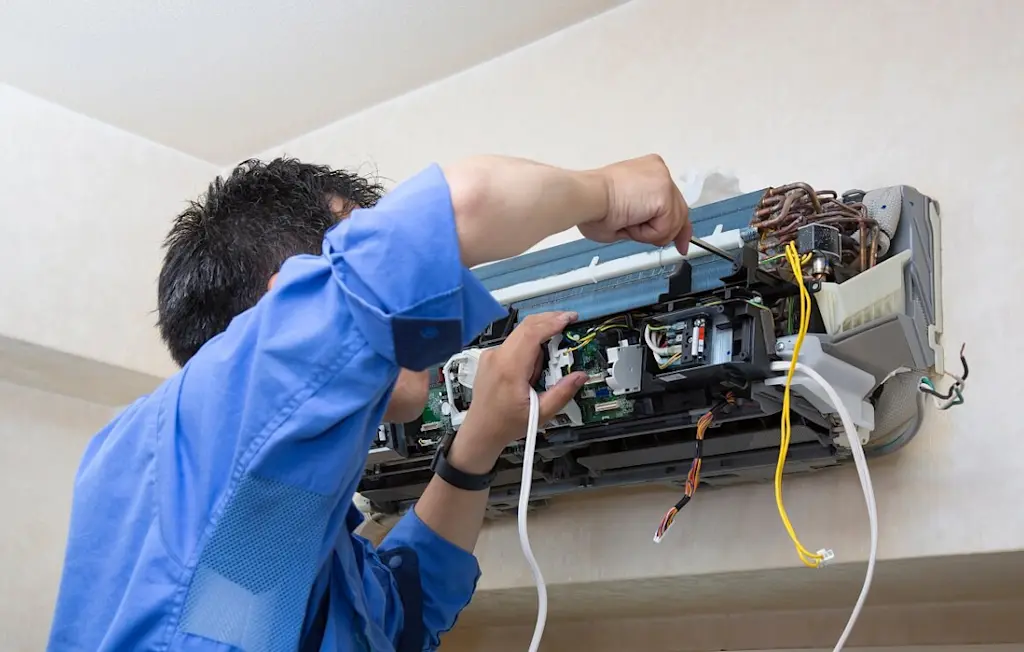
An air conditioner can make different noises depending on the type of problem - from hissing caused by a refrigerant leak to a banging sound because of a loose component.
These noises often indicate it's time to repair or replace your unit.
What to do: If your air conditioning unit is making any unusual sounds, get in touch with an air conditioning expert in your area who can help fix the issue.
For more information about the causes, check out our expert advice guide on why is my air conditioner making strange noises.
6. Air conditioning fault finding
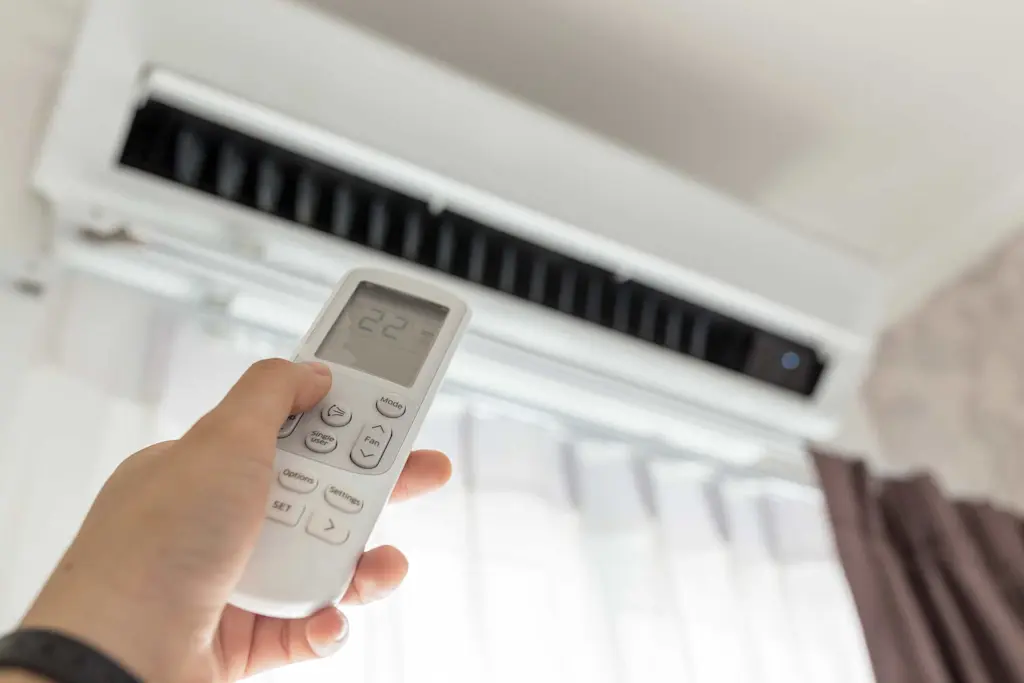
Many modern air conditioning systems, including models from Mitsubishi Electric, Toshiba, Samsung, and Hitachi, display fault codes when there’s a problem with the system.
These codes can point to issues such as low refrigerant, blocked airflow or electrical faults.
What to do: Check your user manual to see what the code means and try resetting the system. You can often find manufacturer manuals online, too, if you've misplaced yours. If the code remains, a qualified air conditioning engineer can help get to the bottom of it.
Find a certified air conditioning engineer near you
Enter your postcode to find a top tradesperson near you
Thames Chill Ltd
10.00
(8 reviews)Services & skills
Air ConditioningAir Conditioning RepairEmergency Air Conditioning ServiceAir Conditioning ServicingAir Conditioning InstallationArctic Blast LTD
10.00
(1 review)Suggested Services
Air Conditioning RepairPrice on requestPremium Air Ltd
10.00
(43 reviews)Services & skills
Air ConditioningAir Conditioning RepairAir Conditioning ServicingAir Conditioning InstallationEmergency Air Conditioning ServiceGASON Heating & Plumbing
10.00
(75 reviews)Services & skills
Air ConditioningAir Conditioning RepairEmergency Air Conditioning ServiceAir Conditioning ServicingAir Conditioning InstallationAir Conditioning & Refrigeration LTD
10.00
(22 reviews)Services & skills
Air ConditioningAir Conditioning RepairEmergency Air Conditioning ServiceAir Conditioning ServicingAir Conditioning Installation


Why use Checkatrade to find air conditioning repair services near you?
Checked - Every Checkatrade member must pass up to 12 checks and commit to upholding the Checkatrade Standard
Reviewed - Over 6.2 million reviews have been published on Checkatrade on everything from communication, tidiness, timekeeping, and quality of work
Guaranteed - Jobs booked through Checkatrade are covered up to £1,000 (T&Cs apply)

Want to find out more about air conditioning repairs? From how much an air con service will cost, to how to find the best air conditioning engineer, we're here to help.
FAQs
What does an air conditioning unit service consist of?
An air conditioning service will consist of a thorough clean of the system's components, such as the filters, coil, fan, and drain pan.
It's a good idea to get your air conditioning system serviced regularly to keep it in good working order, once any repairs have been carried out.
How often should a home air conditioner be serviced?
Conditions vary greatly between industrial buildings, offices, and residential properties. Each situation will need to be evaluated individually. Generally speaking, we recommend getting it checked at least once per year.
Is it worth getting air conditioning serviced?
Yes. Regular servicing can improve efficiency, reduce breakdowns and help extend the lifespan of your air conditioning system. Most units should be serviced annually.
How much does it cost to service an air conditioner?
Air con maintenance will cost around £30 - £60 per hour for the labour, plus the cost of any refrigerant required. This can cost between £35 - £130.
Are the costs of repairs for your air conditioning unit stacking up? A replacement might make better financial sense in the long run. Our expert advice guide to repairing or replacing an air conditioner helps you weigh up the options.
How much does it cost to install air conditioning?
Take a look at our air conditioning cost guide for information on costs.
Can a problem with the radiator affect the air conditioning?
Yes. In some systems, overheating or poor airflow can affect air conditioning performance and reduce cooling efficiency.
What is the 20-degree rule for air conditioning?
The 20-degree rule suggests your AC should cool indoor temperatures to around 20°F (11°C) lower than the temperature outside. Setting the thermostat too low can overwork the system.
Is it legal to install air conditioning in the UK?
Yes, air conditioning is legal in the UK. However, installation must comply with building and F-Gas regulations, so it’s best to use a qualified engineer.
Worked your way through the air conditioning units problem-solving tips above, and still no luck? A checked and reviewed air conditioning engineer near you can help.

More Air Conditioning Repair Articles
See the tradespeople we've checked for your job