EXPERT ADVICE
Concealed cistern toilet problems: common faults and how to fix them
Updated 07/26
By: Emma Potter
Reviewed: Laura Macdonald
If your concealed toilet keeps running, the flush button has stopped working or the cistern isn't refilling properly, it's easy to assume the repair will be complicated. You might even think you'll need to remove tiles to find the problem.
Thankfully, that's rarely the case. Most concealed cistern faults can be accessed through the flush plate, and many are much simpler to fix than people expect.
This guide explains the most common concealed cistern toilet problems, the checks you can safely carry out yourself, and when it's time to call a plumber.
What a concealed toilet cistern is and how it works
The most common concealed cistern toilet problems
Why your concealed toilet keeps running
What to do if your concealed cistern isn't filling up
Why your flush button isn't working properly
Which repairs are suitable for DIY
When it's time to call a plumber
What is a concealed toilet cistern?
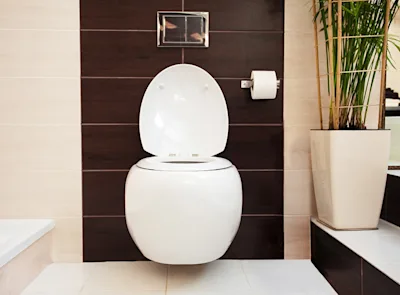
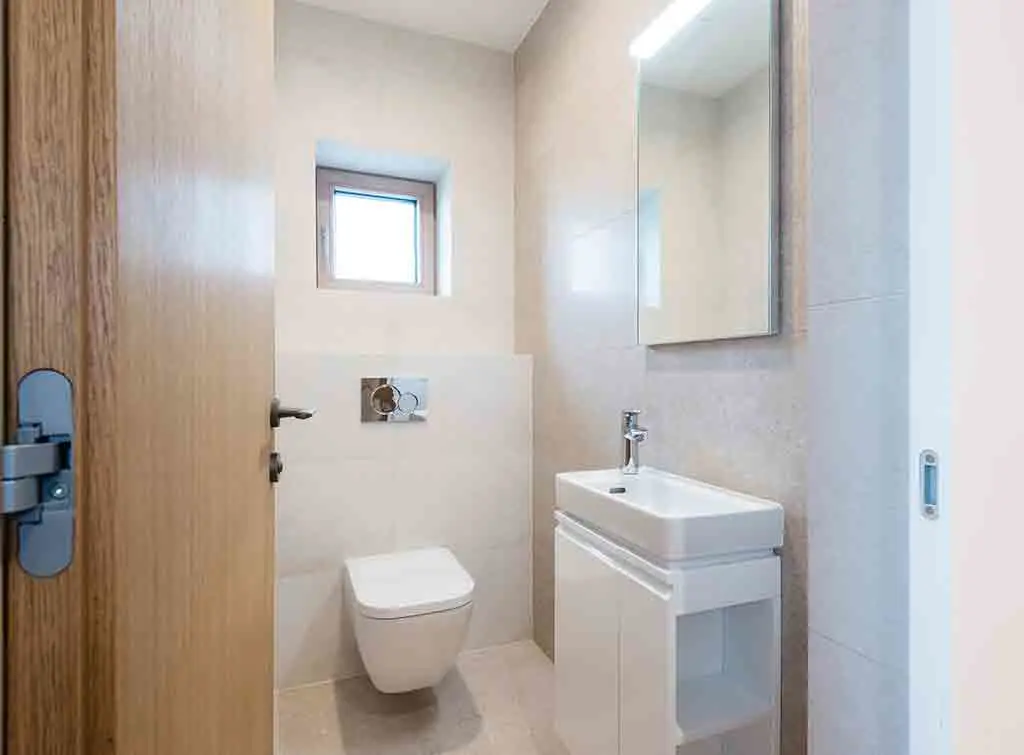
A concealed toilet cistern is simply a toilet cistern that's hidden behind a wall, inside a furniture unit, or within a purpose-built frame rather than being visible above the toilet.
When you press the flush button, it activates a valve inside the hidden cistern, releasing water into the toilet bowl before automatically refilling.
From the outside, all you'll normally see is:
The toilet pan
The flush plate or push button
The surrounding wall or furniture
Everything else is tucked neatly out of sight.
The trade-off is that when something goes wrong, it can feel more daunting as it's not always immediately obvious where the problem is coming from.
Fortunately, concealed cisterns are designed with maintenance in mind, so you can usually reach the internal parts through the flush plate without removing tiles or bathroom furniture.
One of the biggest myths about concealed cisterns is that repairs always involve taking the bathroom apart. In reality, most routine maintenance is carried out through the flush plate opening.
Common concealed cistern toilet problems
Like any plumbing fixture, concealed cisterns experience wear and tear over time.
The good news is that most problems come down to the same handful of faults.
The most common concealed cistern toilet problems include:
Toilet keeps running after flushing
A toilet that continues running long after you've flushed it is one of the most common faults.
You might notice:
A constant trickling sound
Water continually flowing into the toilet bowl
The cistern repeatedly topping itself up
Higher than usual water bills
The cause is often something simple like a worn flush valve seal, limescale or an incorrectly adjusted water level.
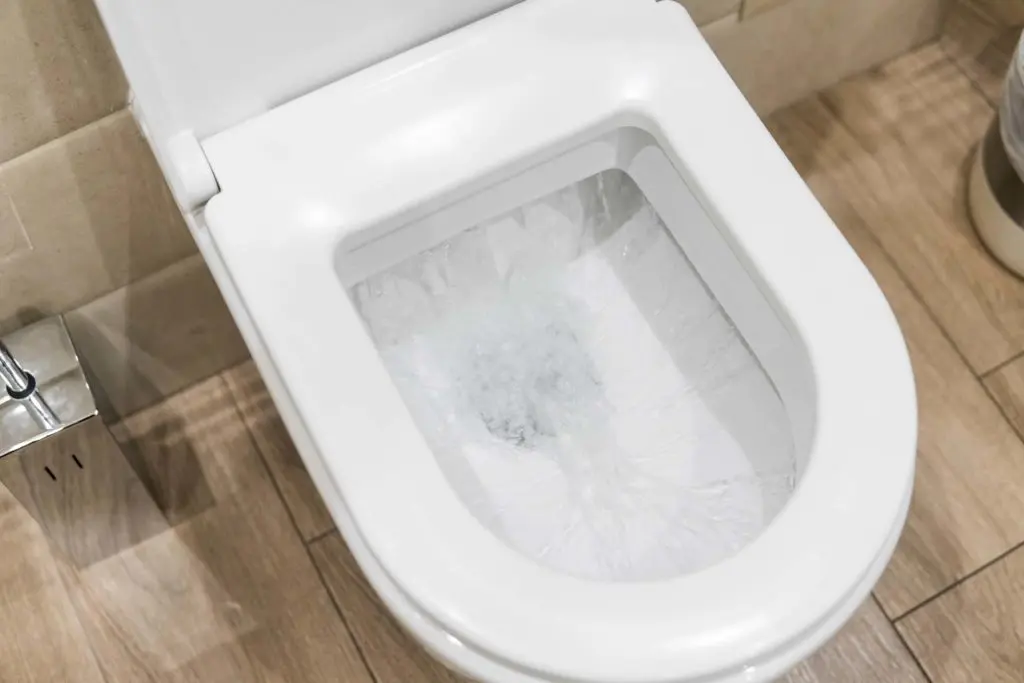
If your toilet starts running continuously, don't be tempted to ignore it. Even a slow trickle can waste a huge amount of water over time and push up your water bill.
Weak or inconsistent flushing
If the flush suddenly feels less powerful than it used to, the cistern may not be releasing enough water.
Common causes include:
Flush rods that need adjusting
Incorrect flush valve settings
Low water level inside the cistern
Limescale affecting the moving parts
Sometimes the fix is nothing more than a quick adjustment rather than replacing any parts.
Push button not working properly
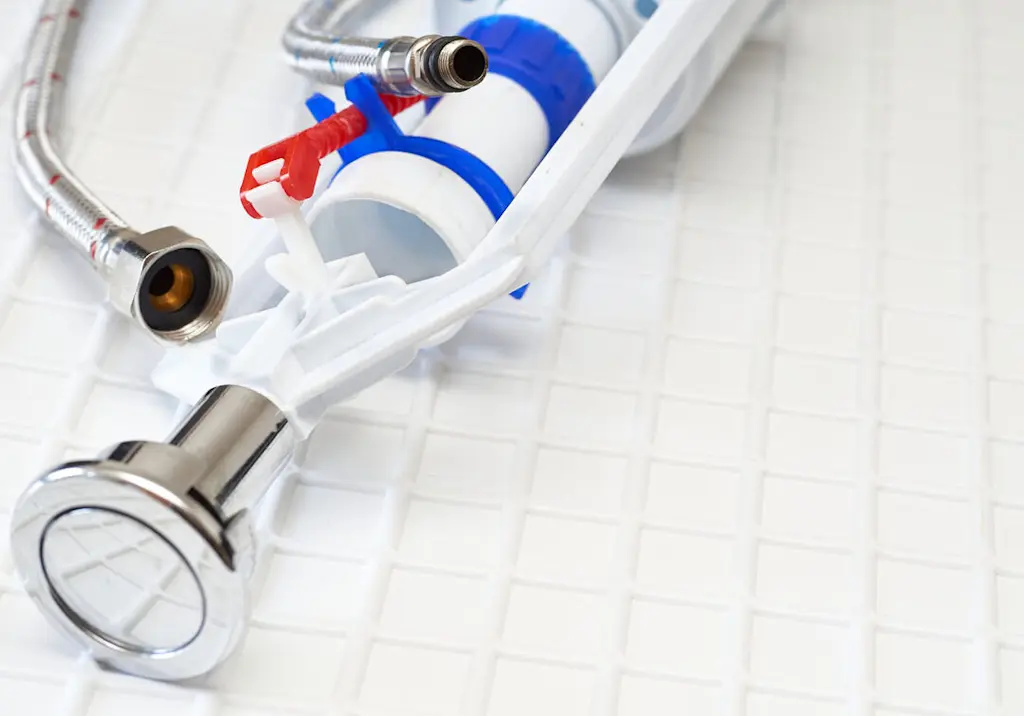
A flush button that sticks, feels loose or stops working altogether is usually linked to the mechanism connecting the button to the flush valve.
You might find:
The button won't press
Nothing happens when you press it
Only the half flush works
The button sticks after flushing
Fortunately, these problems are often accessible through the flush plate without any major dismantling.
Concealed cistern not filling up
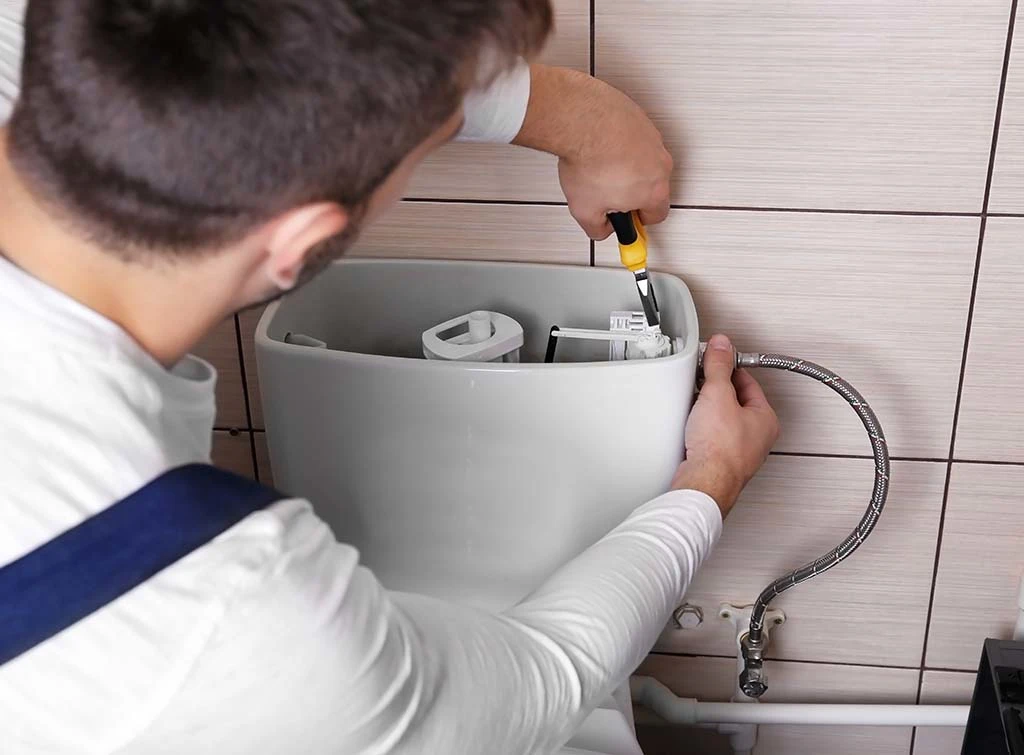
If the cistern takes a long time to refill (or doesn't refill at all) the inlet valve is often the first place to investigate.
Possible causes include:
A faulty fill valve
Limescale build-up
A partially closed isolation valve
Problems with the incoming water supply
Without enough water inside the cistern, you'll usually notice a much weaker flush.
Hidden leaks
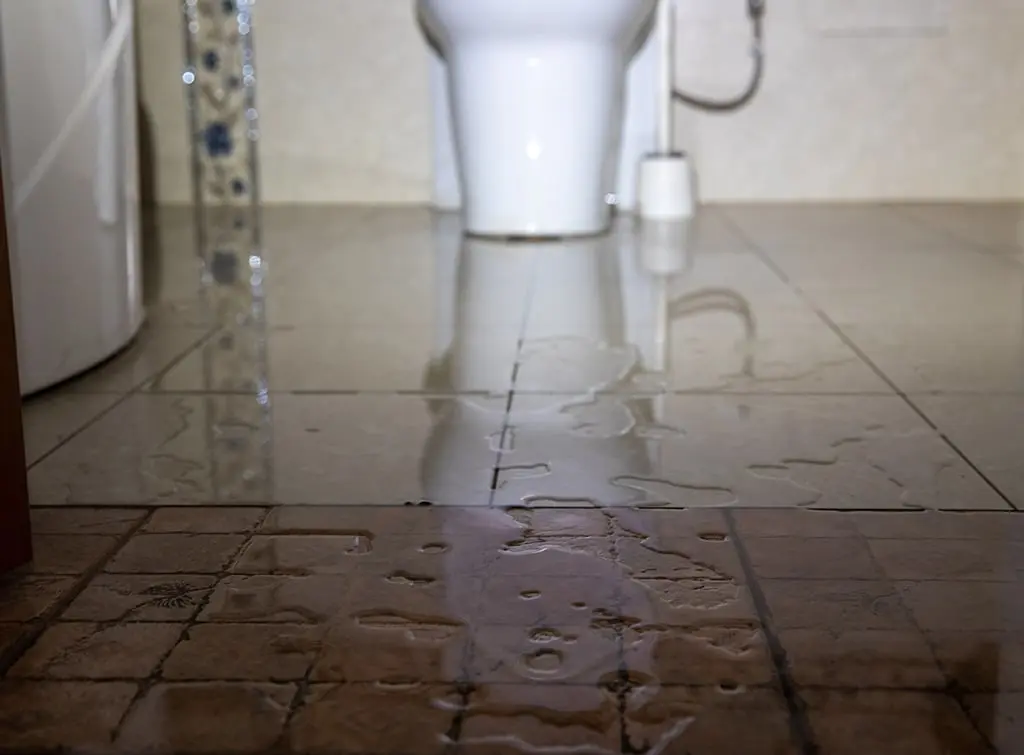
One of the trickiest things about concealed cisterns is that leaks aren't always obvious.
Rather than seeing water immediately, you might notice:
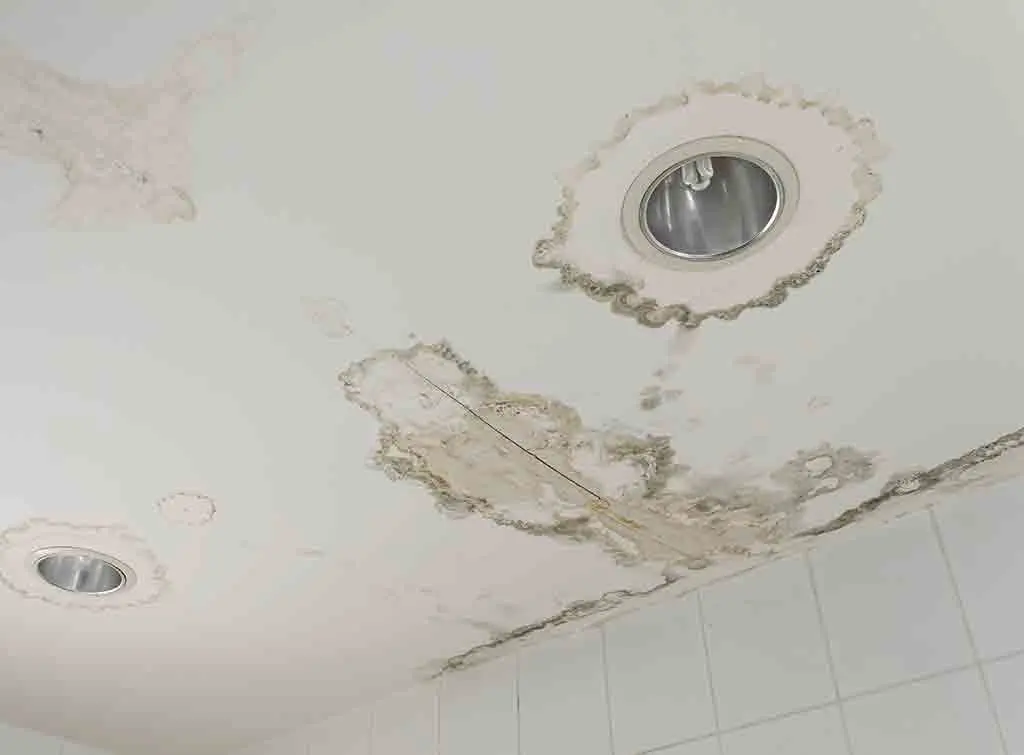
Damp patches on nearby walls
Peeling paint or wallpaper
Musty smells
Water marks around the toilet
Soft or swollen bathroom furniture
An unexplained increase in your water bill
Because everything's hidden behind the wall, small leaks can go unnoticed until they've caused much bigger problems.
Is it safe to keep using a leaking concealed cistern?
If you've noticed a minor leak, it's tempting to put it off for a few weeks, especially if the toilet still seems to be working normally. But in practice, that's rarely a good idea.
Even a slow leak can waste a surprising amount of water and, because it's hidden, may damage walls, flooring or bathroom furniture before you realise how serious it's become.
If you suspect the leak is getting worse, or you notice damp patches spreading, it's best to arrange a repair before the problem becomes much more expensive.
Things worth checking before you call a plumber
If your concealed cistern starts playing up, there are a few simple checks you can safely make before booking a repair.
Most concealed cisterns can be checked through the flush plate, so there's usually no need to remove tiles or bathroom furniture.
You can safely check whether:
The isolation valve has accidentally been turned off
The flush button has become loose or jammed
The cistern is slowly refilling after flushing
You can hear water constantly running
There's any obvious limescale around accessible parts
If you've checked the obvious things and the problem's still there, or you think water's escaping into the wall, don't leave it. Hidden leaks are much cheaper to deal with before they've had time to damage plasterboard or flooring.
If you're unsure which concealed cistern you have, take a photo behind the flush plate before calling a plumber. It can help identify the manufacturer and any replacement parts needed.
Can you repair a concealed cistern yourself?
Some concealed cistern repairs are simple enough to tackle yourself, while others are definitely better left to an experienced plumber.
DIY can be suitable for:
Cleaning away limescale
Replacing the flush button mechanism
Adjusting flush rods
Checking the isolation valve
Replacing accessible seals (where manufacturer guidance allows)
It's usually worth calling a plumber if:
Water is leaking inside the wall
Internal parts need replacing and access is limited
The toilet frame has moved
Pipework needs altering
You're unsure where the leak is coming from
If you're in any doubt, don't force components or dismantle concealed units unnecessarily. Replacing a damaged flush valve is far cheaper than repairing cracked tiles or water-damaged walls.
What does it cost to repair a concealed toilet cistern?
Repair costs will depend on the cause. As a guide, plumbers normally charge around £50 per hour. Replacement parts are usually priced separately.
Minor jobs, such as replacing a flush valve seal or adjusting the push-button mechanism, are usually inexpensive. Costs rise if several components have failed or a hidden leak has caused damage.
The good news is that modern concealed cisterns are designed to be serviceable, so most repairs can be completed through the flush plate without opening up the wall.
If you're unsure what repair is needed, getting a plumber to inspect the cistern is usually the quickest way to avoid unnecessary replacement parts.
Need a plumber?
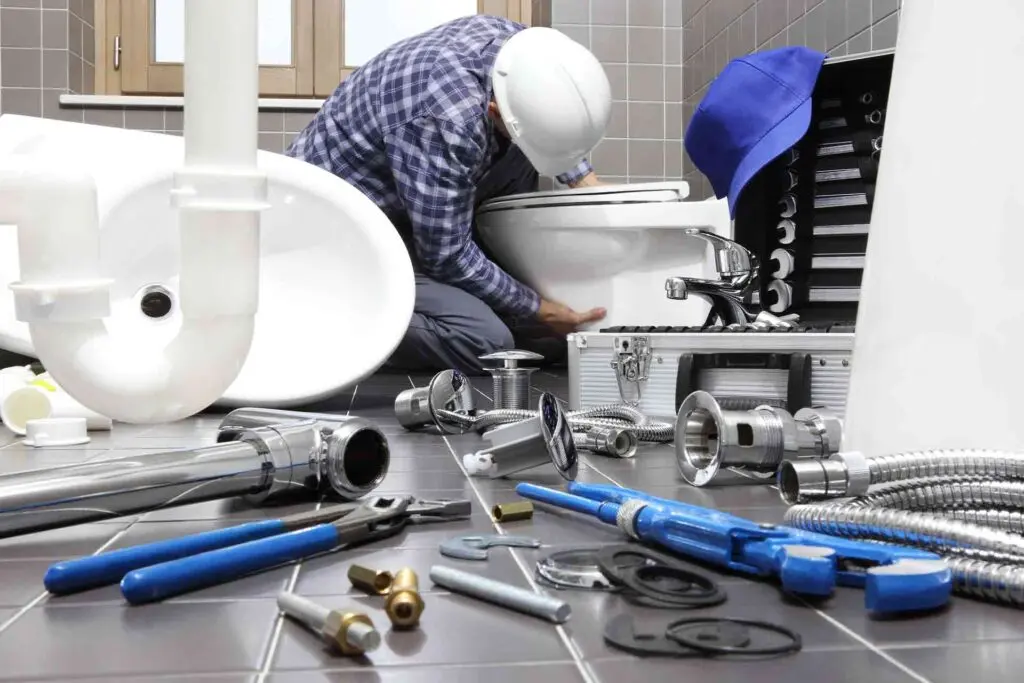
If your concealed toilet cistern keeps running, won't flush properly or has developed a leak, a qualified plumber can diagnose the fault safely and recommend the most cost-effective repair.
Find a trusted plumber near you

Concealed cistern toilet checklist
Find a plumber near you
A concealed cistern fault can seem daunting at first, but most problems normally come down to a handful of components that experienced plumbers deal with every day. Getting it looked at early often stops a small repair turning into a much bigger — and more costly — one.
Before you book, it's worth checking reviews, confirming the plumber has experience with concealed cisterns, and asking whether replacement parts are likely to be needed.
Then compare a few written quotes so you can choose the right person with confidence.
Browse checked plumbers working in your local area
Enter your postcode to find a top tradesperson near you
Highgate Heating and Plumbing Ltd
10.00
(542 reviews)Services & skills
PlumberGeneral PlumbingWater Pumps RepairUnderfloor Heating InstallationWater Supply Pipe RepairsPlumbingHQ
10.00
(2 reviews)Services & skills
PlumberBathroom & Kitchen PlumbingEmergency Plumber ServiceWater Leak DetectionBlocked ToiletsMulti Skills.UK 24/7 Emergency
10.00
(313 reviews)Services & skills
PlumberGeneral PlumbingUnderfloor Heating InstallationWater Pumps InstallationBlocked BathsPro Plumbing Heating & Boilers Ltd
9.97
(336 reviews)Services & skills
PlumberGeneral PlumbingWater Pumps RepairShower InstallationBathroom & Kitchen PlumbingH2O Services
10.00
(8 reviews)Suggested Services
Tap Replacement£80 / fixtureOutside Tap Installation£120 / jobChelsea Plumbing & Heating
10.00
(267 reviews)Services & skills
PlumberGeneral PlumbingBlocked BathsWater Pumps InstallationRadiator Thermostat Valve Repair


FAQs
What is a concealed toilet cistern?
A concealed toilet cistern is a toilet cistern that's hidden behind a wall or furniture unit, leaving only the toilet pan and flush plate visible. It works in much the same way as a traditional cistern but creates a cleaner, more streamlined finish.
How do concealed toilet cisterns work?
Pressing the flush button opens a valve inside the concealed cistern, releasing water into the toilet bowl before the cistern automatically refills.
What are the disadvantages of a concealed cistern toilet?
Concealed cisterns usually cost more to install and repairs can sometimes take longer than with exposed cisterns. However, most modern systems are designed so routine maintenance can be carried out through the flush plate.
Can any concealed cistern fit any toilet?
No. Concealed cisterns aren't universal. Compatibility depends on the toilet pan, frame, flush plate and manufacturer, so it's important to check specifications before replacing any components.
Why does the water keep running in my concealed toilet cistern?
A constantly running toilet is often caused by a worn flush valve seal, limescale build-up, an incorrectly adjusted water level or a faulty inlet valve. A plumber can quickly identify which component needs attention.
Why is my concealed toilet cistern not filling up?
If the cistern isn't refilling properly, the cause is often a faulty fill valve, limescale, a partially closed isolation valve or an issue with the incoming water supply.
Why is the push button not working on my concealed toilet cistern?
The push button may have become disconnected from the flush mechanism, or the rods or cable may need adjusting. In many cases, these parts can be accessed by removing the flush plate.

See the tradespeople we've checked for your job