Blog>Expert Advice>What is the difference between a land drain vs French drain?
Last updated: 4 October 2024

What is the difference between a land drain vs French drain?
Land drains and French drains both work to remove excess water from outdoor spaces. Here we are exploring all the ways land and French drains differ. Let us help you to find the best drainage option for your garden.
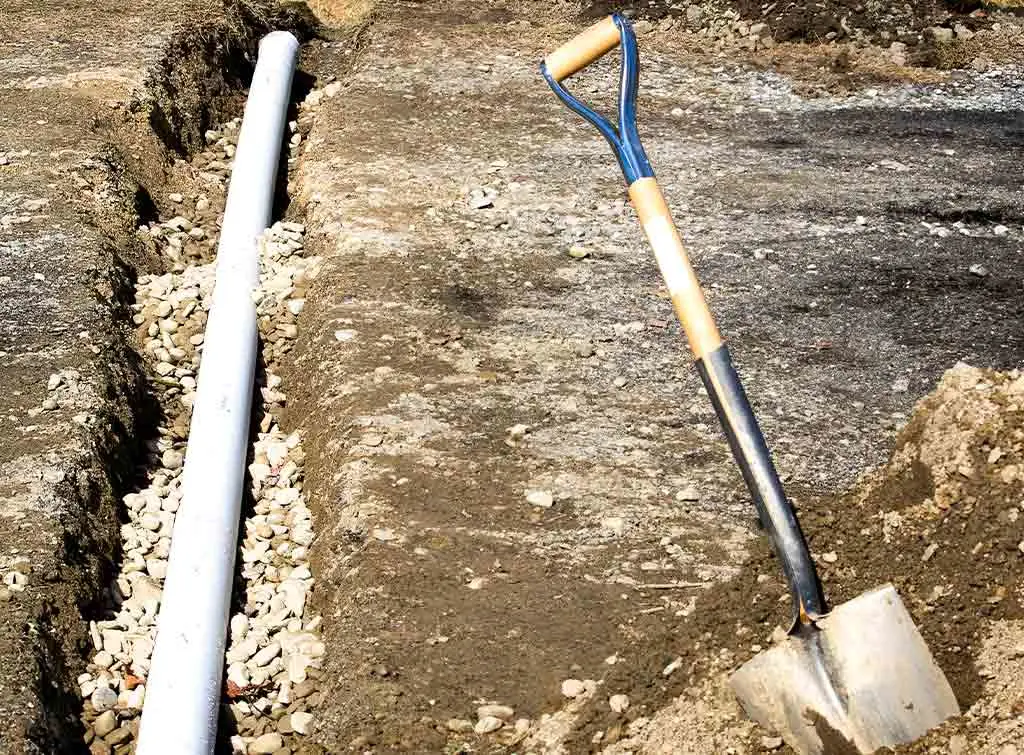
Is a land drain the same as a French drain?
Land drains and French drains are slightly different drainage systems but are both used to remove excess water from a property's exterior. The terms 'land drain' and 'French drain' are often used interchangeably, but they are not the same thing.
Here are the key differences between French drains and land drains:
French drains traditionally use nonperforated pipes or aggregate materials to drain excess water away
Land drains are not always surrounded by aggregate materials (but they can be)
French drains are installed into a trench and covered with gravel
Traditional French drains redirect surface water to a soakaway, stream or other drainage site
Land drainage systems use perforated pipes to filter excess water down into the soil
French drains can be used to redirect larger volumes of surface water
Land drains are more suited to larger areas, such as fields and construction sites
Both of these drains are separate to a property's main sewer system and are used to 'dry up' exterior spaces.
French drains are always filled with aggregate materials and are installed into a trench. In comparison, a land drain can simply be a perforated pipe installed directly into the ground.
Let's take a closer look at these two external drainage systems.
French Drains
French drains are installed on inclines to direct surface water away from a property. Traditional French drainage systems are built with non-perforated pipes and use an inlet and outlet to direct excess water to a soakaway, stream or other drainage site.
A traditional French drain also uses aggregate materials inside of a trench to drain excess water away. The trench is filled with gravel and covered up with turf or other landscaping materials.
Modern French drainage systems are often built with landscaping fabric in the trench and perforated pipes. Instead of draining excess fluid to a soakaway, the water passes through small holes in the pipe and filters through the landscaping fabric into the soil below.
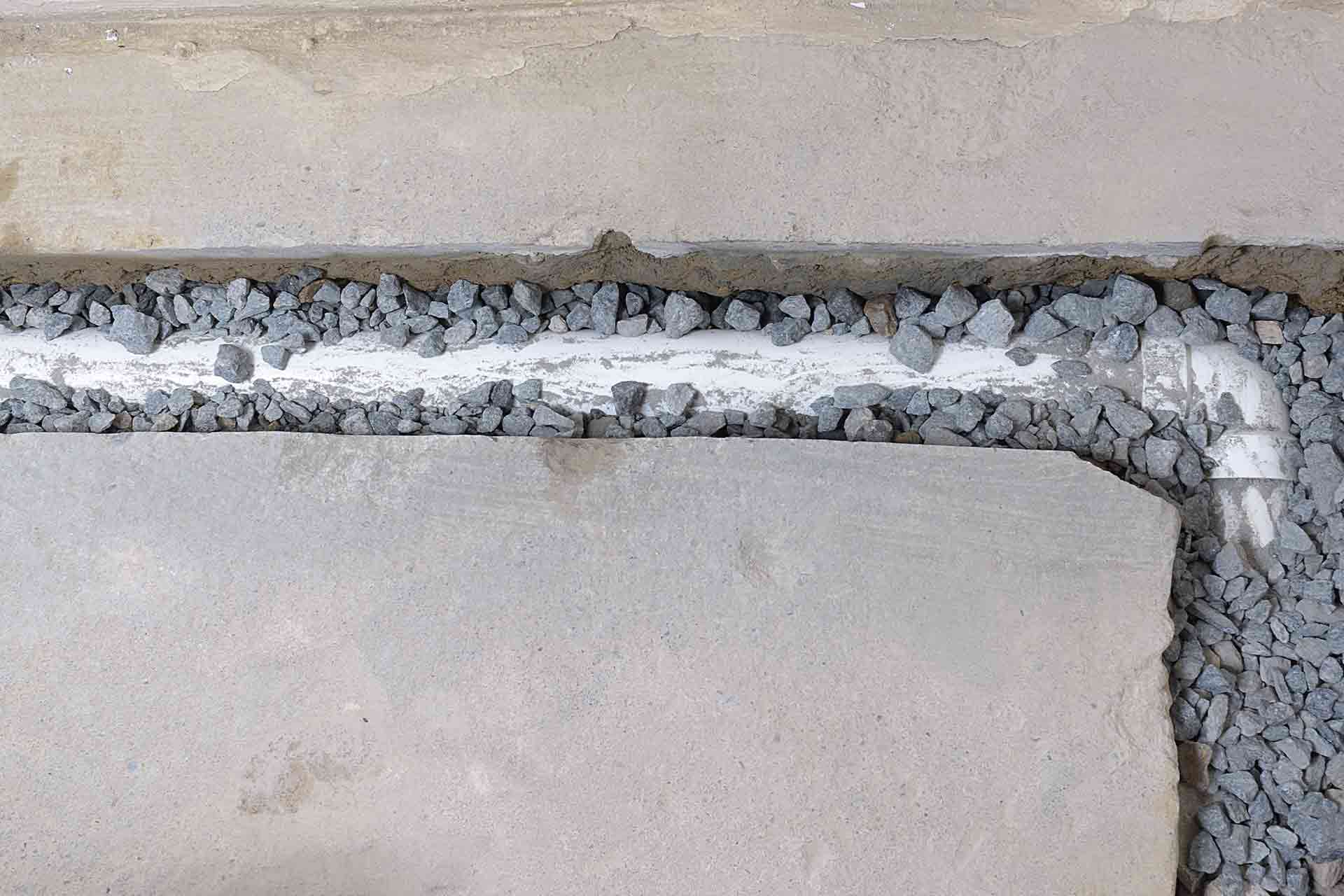
How much does a French drain cost?
French drains are a smart, sophisticated form of irrigation that can handle the demands of the great British weather. If you have been considering getting this type of system installed, you will undoubtedly want to get an overview of how much French drains cost. Read on for a guide to pricing and key questions around installation.
Land drain
The term 'land drain' can be used to describe a modern French drain or any perforated pipe installed underground. The two drainage systems have the same purpose but their structure and drainage methods are slightly different.
French drains and land drains can be used for the following purposes:
Drain water from a saturated garden
Reduce the risk of rising damp inside a property
Minimise water damage to a building's structure
Prevent mould growth inside a property
Reduce risk of flooding
These drainage systems are installed in gardens, fields, construction sites and other outdoor spaces. You can also install an internal French drain if you are dealing with a recurring damp problem in your garage or cellar.
Find a local tradesperson
Which is better, land drains or French drains?
Land drains and French drains are both used to prevent water damage to properties and outdoor spaces. Both systems provide effective drainage but they are often best suited to different locations.
A French drain is typically installed in the following areas:
Close to a property's foundations
Gardens and lawns
Inside a basement or cellar
French drains are most commonly installed in areas prone to high volumes of surface water. This could be in a small patch of grass or throughout a large waterlogged lawn.
If your garden is prone to flooding, a French drain may be the solution you have been looking for.
Here are the locations you are most likely to find perforated land drain systems:
Flat land
Large fields
Gardens
A land drain often consists only of a perforated pipe installed underground. This system can enhance drainage in large areas and efficiently redirect surface water away.
French drains are often more effective than land drains if you are dealing with a particularly soggy garden!
Speak to a drain installation specialist to learn more about the best exterior drainage system for your property.
Is there something better than a French drain or land drain?
Installing a French or land drain can involve time consuming excavation work. There are other options you can consider if you are looking for alternative ways to keep your garden dry.
Effective French drain and land drain alternatives include:
Dry wells
Swales
Rain gardens
Dry wells are installed underground and are designed to collect and disperse excess water into the soil. French drains are often easier to install than a dry well but both systems offer effective garden drainage.
Swales, rain gardens and permeable paving materials are all landscaping methods than will help to reduce surface water levels around your home.
Swales are shallow channels dug into natural slopes in your garden. These systems are designed to collect and redirect rain and surface run-off water away from your property.
Rain gardens are small areas incorporated into your outdoor space, specifically positioned to collect excess water and filter it down into the soil.
Alternatively, permeable paving materials can work to reduce a buildup of surface water in your garden. This type of paving will allow excess water to filter down into the soil, keeping water off your garden's surface and away from your property.
We recommend speaking to a local landscape drainage contractor to find the best system for your drainage needs and garden's layout.
Cost of a French drain installation
The cost of a French drain installation will depend on:
Drain size - A larger drainage system will be more expensive to make
Materials - The amount and quality of pipe materials needed will influence the cost
Type of installation - Installing a French drain yourself is typically the most budget-friendly option
Your location - Tradespeople charge various installation fees across the UK
The average cost of the materials needed for a French drain installation is £6 - £17per metre. In total, a professional French drain installation has an average cost of£250 - £350. This price includes labour, excavation and installation fees.
Key takeaways
French drains and land drains are both used to remove excess surface water from outdoor spaces
French drains are installed into a trench and traditionally use nonperforated pipes and aggregate materials to drain water away
Land drains are built with perforated pipes and are often used to enhance existing drainage methods
The term 'land drain' and 'French drain' are sometimes used interchangeably, but the two systems have different structures
It costs an average of £250 - £350 for a professional French drain installation
Finding drain installers near you
Enter your postcode to find drain installers near you.
Find a local tradesperson
See the tradespeople we've checked for your job