EXPERT ADVICE
Multi point locking system explained: how multipoint locks work and what to do when they fail
Updated 10/26
By: Tommy Burgess
Reviewed: Alex Peters
Most modern front and patio doors are locked in more than one place, and you may well have a multi point locking system without ever having given it much thought.
What a multi point locking system is
How the hooks, bolts and rollers work
Which doors usually have multipoint locks
How to tell if your lock is secure
Why a multipoint lock stops working
Who to call, and what affects the price
Instead of a single bolt, a multipoint lock fastens the door to the frame at several points at once, which makes it much harder to force open.
This guide explains how a multi point locking system works, the types you will come across, what makes one more secure than another, and what to do when it starts to stick or fails. If you would rather leave it to an expert, you can find a checked locksmith working in your area straight away.
Find a multipoint locking system expert near me
What is a multi point locking system?
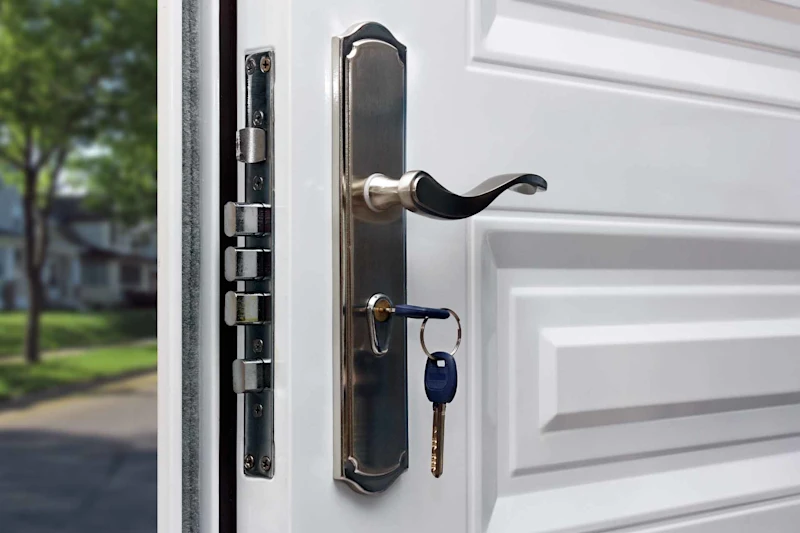
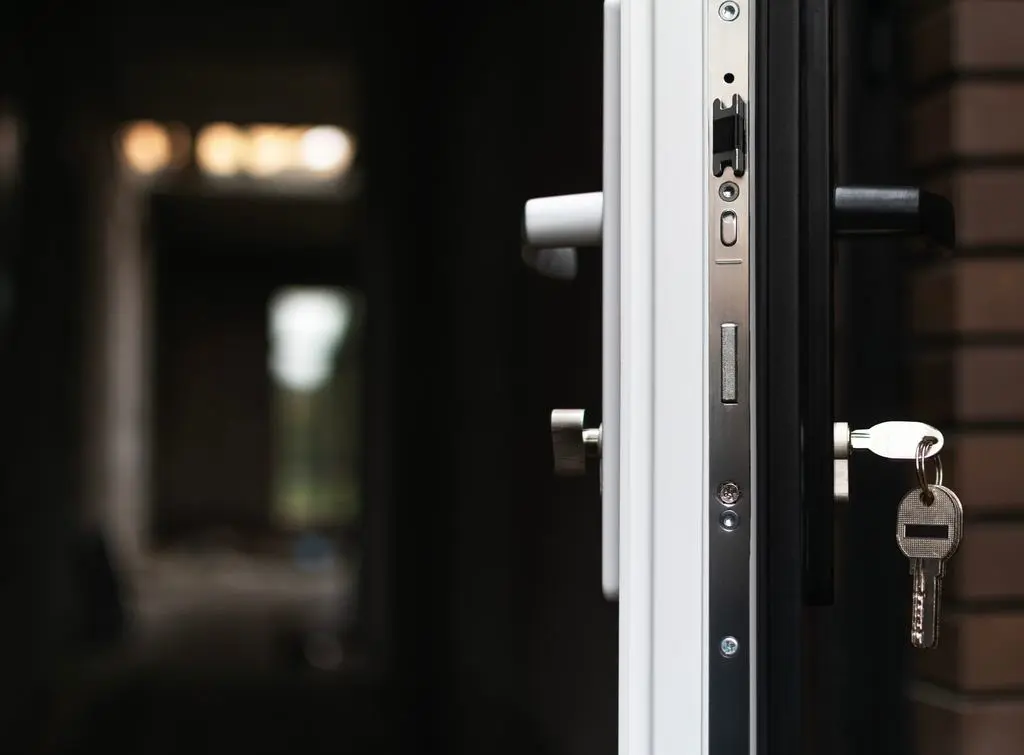
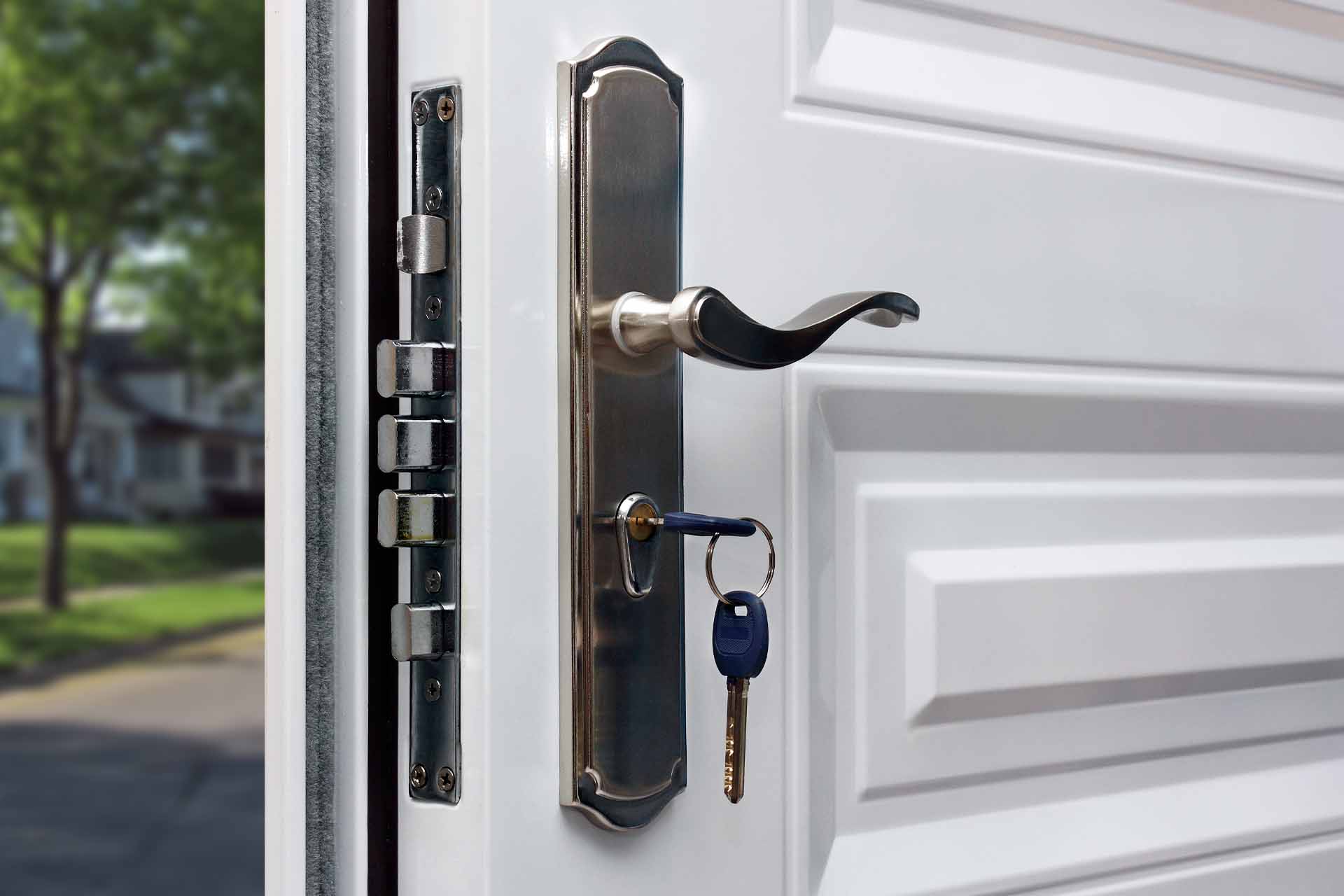
A multi point locking system is a lock that secures a door at several points along its edge, usually towards the top, the middle and the bottom. Lifting the handle and turning the key moves a long bar inside the door edge, which pushes hooks, bolts or pins into keeps (the metal receiving plates) fitted to the frame.
Compare that with a standard single-point lock, which holds the door at just one spot. With more points of contact, the door is harder to lever away from the frame, and the force of an attack is spread along the edge instead of landing on one bolt.
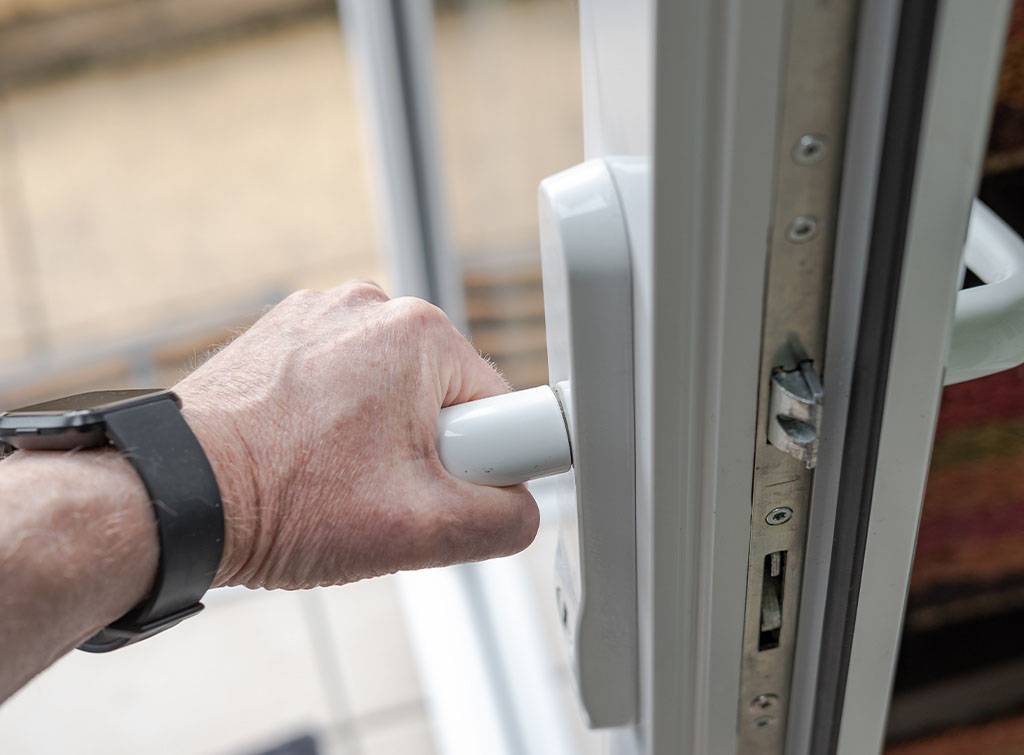
You can often spot a multipoint lock without taking anything apart. If you lift the handle up before you turn the key, and you can see several metal plates running up the frame, it is very likely a multipoint system.
What are the parts of a multipoint lock?
Most multipoint locks combine a few different parts. The exact mix varies between manufacturers and models.
Latch: the spring-loaded bolt that holds the door closed when it is pulled shut.
Deadbolts: solid bolts thrown by the key (or a thumb-turn on the inside) that lock the door in place.
Hooks: hooked bolts that catch behind the keeps, so the door cannot simply be levered away from the frame.
Rollers: small rollers that pull the door snugly against the frame and its seals when the handle is lifted.
Gearbox and bar: the central mechanism and the long bar that move everything together.
You will sometimes see a "3 bolt multi point locking system" mentioned.
This usually means a lock with three locking bolts, but how a manufacturer counts bolts, hooks and rollers varies, so check the product specification if you need a like-for-like replacement.

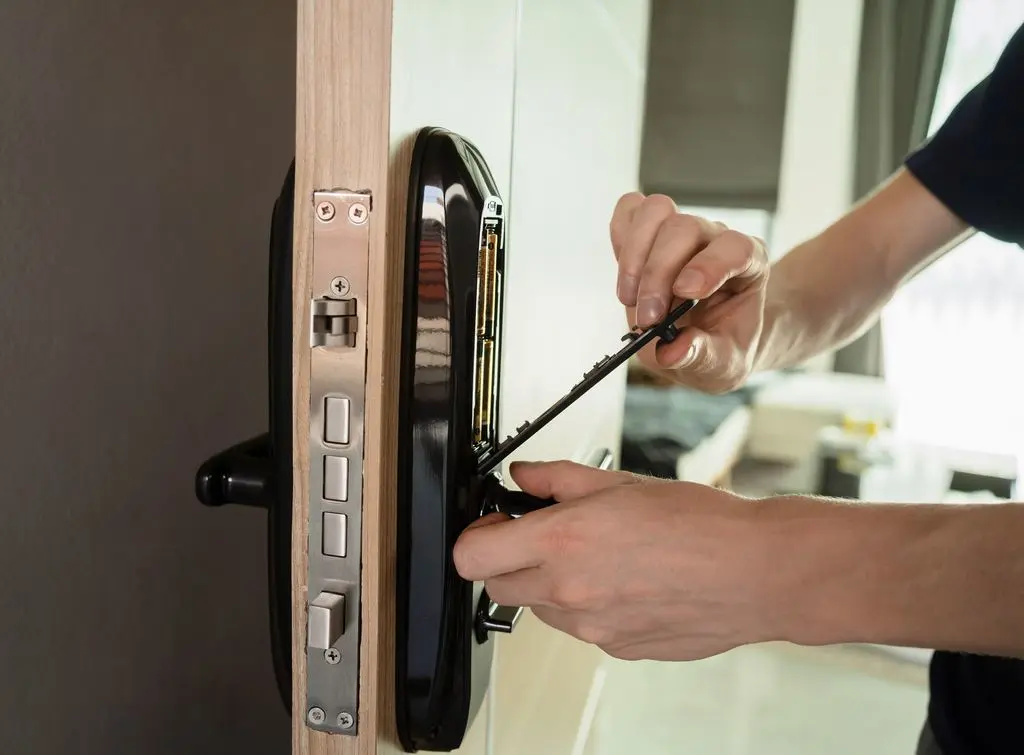
Whether your multipoint lock needs adjusting, repairing or replacing, a locksmith can usually help, and a lock fitter can supply and fit a new one. If the door itself is the problem, you may need a door fitter.
Benefits of a multipoint door lock
A multipoint lock gives you more resistance to forced entry, a snugger fit against the frame and, possibly, an easier conversation with your insurer.
More resistance to forced entry
The main reason to choose a multipoint door lock is security. Locking the door at several points gives an intruder more to overcome and makes the door harder to prise from the frame.
How secure a particular door really is also depends on the cylinder, the handle, the door material and the frame (more on that below).
A snugger fit against the frame
Because the rollers and hooks pull the door in tight when the handle is lifted, a well-adjusted multipoint lock can help the door sit firmly against its seals, which can cut down on draughts.
If a door starts to rattle or let in air, it is worth checking whether the lock needs adjusting. Our guide on how to adjust a multipoint door lock is a good place to start.
A possible insurance advantage
Home insurers often have conditions about the locks fitted to external doors, and the standards they ask for differ from one insurer to the next. A multipoint lock may help meet those conditions, but do not assume it will.
Check your policy wording or ask your insurer which standards they require before you buy or upgrade.
Check your home insurance policy for any lock requirements before you spend money on a new lock. If you are unsure, ask your insurer which standards they accept.
Which doors have a multipoint lock?
Multipoint locking is very common on modern uPVC and composite front doors, and on many patio, French and bi-fold doors.
It is less common on older timber doors, though it can be specified on a new timber door or fitted to an existing one if the door and frame suit.
uPVC multipoint locking system
A uPVC multipoint locking system is the type most people have. If you have a uPVC door that locks at one point only, it may be worth asking a locksmith whether it can be upgraded. If yours sticks or will not lock, see our guides to why a uPVC door will not lock and what to do when a uPVC door lock is sticking.
Wooden door multipoint locking system
A multipoint lock on a wooden door works in the same way, but the lock is fitted into the edge of the timber instead of a uPVC profile. Not every timber door is suitable, so a locksmith or door fitter will need to look at the door and frame before recommending a multi point lock for wooden doors.
Composite door multipoint locking system
Composite doors are commonly sold with multipoint locks as standard. If you are comparing materials, our guide to composite doors versus uPVC doors covers how they differ.
French and patio door multipoint locking systems
French and patio doors are large, glazed and often face the garden, so they are a common place to find multipoint locking. Double French doors usually have a locking system on the main door and bolts or a shootbolt arrangement on the second door, so the two leaves lock together.
If the second door only has a basic bolt, ask a locksmith whether it can be improved.

How secure is a multipoint lock?
A multipoint lock is only as strong as its weakest part. On many uPVC and composite doors, the weak spot is the euro cylinder (the part your key goes into) rather than the multipoint mechanism itself.
Some older cylinders can be snapped, which is why police advise fitting a snap-resistant one. Find out more in our guide to lock snapping.
Here is what to look for:
A TS 007 rated cylinder - The TS 007 standard rates cylinders from one to three stars. Police crime prevention advice describes a 3-star cylinder as the best option, and says a 1-star cylinder fitted with a 2-star security handle can also reach a 3-star rating overall.
A good handle - A security handle with a 2-star rating needs its internal locking function engaged to count, so check the instructions.
A sound door and frame - A strong lock is of little use in a damaged or flimsy door or frame.
For newly built homes in England, Approved Document Q of the Building Regulations sets out security requirements for doors, and doorsets tested to PAS 24 are one way of meeting them. You do not need to worry about this for an existing home, but it gives an idea of how doors are assessed.
For more on keeping your home secure, read how to be sure your home locks are secure enough, or see our overview of exterior door lock types.
Look at the end of your cylinder for a British Standard or TS 007 marking. If you cannot find one, ask a locksmith to check it. Replacing a cylinder is usually a quicker, smaller job than replacing the whole lock.
Keep a way out in an emergency
Locking every point on a door is great for security, but you also need to be able to get out quickly if there is a fire.
Fire and rescue services advise keeping door and window keys somewhere safe that everyone in the household can find, and not leaving them where they might be hard to find in the dark.
Some multipoint locks can be fitted with a thumb-turn on the inside so that no key is needed to unlock the door from within. A locksmith can advise whether that suits your door.


Common multipoint lock problems
Multipoint locks have more moving parts than a standard lock, so there is more that can wear or go out of line. Common signs of trouble include:
The handle feels stiff, loose or will not return - This can point to a worn or failing gearbox or handle.
The key is hard to turn, or the door will not lock - The bolts or hooks may no longer line up with the keeps. Doors can drop slightly over time as hinges wear or the frame moves.
The door will not pull tight or is draughty - The rollers and keeps may need adjusting.
The door is hard to shut or open - A misaligned door, swollen timber or a damaged mechanism could be to blame.
Many of these problems can be fixed by adjusting the keeps or hinges, which is a job you can try yourself if you are confident (see our guide on adjusting a multipoint door lock).
If the mechanism itself is damaged or has seized, a locksmith can repair or replace it. For a failed lock on a uPVC door, our guide on a broken uPVC door lock mechanism is helpful.
Do not force a stiff handle or key. Forcing it can bend the bar or break the gearbox and turn a small adjustment into a replacement.
Multipoint lock repair or replacement: what affects the price
Whether a locksmith can repair your multipoint lock or needs to replace it depends on what has gone wrong. Adjusting the keeps is generally the simplest fix, and replacing a cylinder is usually less involved than replacing the whole lock. A full lock replacement takes longer. The price is affected by:
the type and quality of the lock
the size and material of the door
how easy it is to access
whether you need an emergency call-out
When you replace a lock, it has to match the door. Locksmiths will measure details such as the distance from the edge of the door to the centre of the keyhole (the backset), the spacing of the handle and cylinder holes, and the height of the lock case.
This is why it pays to have a tradesperson check before you order a replacement online.
To see typical prices, take a look at our locksmith prices guide and our guide to uPVC door lock replacement costs.
Find a multipoint locking system expert near me

Can you upgrade to a multipoint locking system?
Often you can, but it is rarely a simple swap. A door with a single-point lock needs to be suitable for a multipoint mechanism, and the frame will need keeps in the right places.
A locksmith or door fitter can tell you whether the door can be upgraded or whether a new door would make more sense.
If you are interested in a smart lock, check that it works with your type of door. Some smart lock products are made for doors with multipoint locks, but compatibility depends on the lock and the door, so check the manufacturer's information first.
Our smart locks cost guide is a good starting point.

Need reassurance? All tradespeople pass up to 12 checks before joining, and we keep checking after.
How to find a locksmith for your multipoint lock
Choose a locksmith who has been properly checked, gives a clear written quote and explains what they plan to do before they start. Lock work is a job where trust matters, because you are letting someone into your home and giving them access to your security.
Compare a selection of quotes from checked tradespeople so you can weigh up price and approach. Read more in our guide on how to hire a locksmith. If you are locked out or need help quickly, see our page on emergency locksmiths near you.

Multipoint lock checklist
FAQs
There is no single best multipoint locking system, because the right choice depends on your door type, material and security needs. Look for a lock from a reputable manufacturer that suits your door, pair it with a TS 007 rated cylinder, and ask a locksmith to confirm the specification before you buy.
Police crime prevention advice recommends snap-resistant euro cylinders, with a TS 007 3-star cylinder described as the preferred option. You can also reach 3 stars with a 1-star cylinder and a 2-star security handle. See the police door and window lock advice for more.
Yes. Multipoint locking is common on patio, French and bi-fold doors. If yours only has a basic lock, ask a locksmith or door fitter whether it can be upgraded.
The most common reasons are a door that no longer lines up with the keeps, worn hinges, a worn or damaged gearbox, or a cylinder or handle that has failed. Try the checks in our guide to adjusting a multipoint door lock. If that does not help, a locksmith can repair or replace the lock.
Often you can, but the door and frame must be suitable. A locksmith or door fitter will need to look at the door before recommending a lock.

See the tradespeople we've checked for your job