EXPERT ADVICE
Who's responsible for removing renovation rubbish?
Updated 05/26
By: Olivia Scammell
Reviewed: Alex Peters
However big your home renovation project, rubbish will be generated. So who's responsible for that waste? Here's everything you should know as a customer.
Who has responsibility for removing renovation waste
When to speak to your contractor
What can be recycled
What licences you need to check
Waste removal checklist and steps to remember
FAQs
However big your home renovation project, there will be wastage of some sort. Whether you're tearing out an old kitchen and installing a new one, upgrading your boiler, or even installing a new driveway, rubbish will be created.
If you're working with a tradesperson, you will have many questions for them; from timescales to cost. Your main focus may be on the project itself, but something that is very important and may slip your line of questioning is 'what happens to the rubbish during and at the end of my project'?
This guide answers the following questions:
Whose responsibility is it to get rid of the rubbish from your home renovation?
At what point should I start thinking about waste management?
How can I avoid falling into the trap of cheap removal and become a victim of fly-tipping?
Let's make sure you're not caught out by assumptions, miscommunication, and untrustworthy tradespeople.

How much does rubbish removal cost in 2026?
What's the average rubbish removal prices? We’ve taken a look at the cost of rubbish removal and the different methods available.
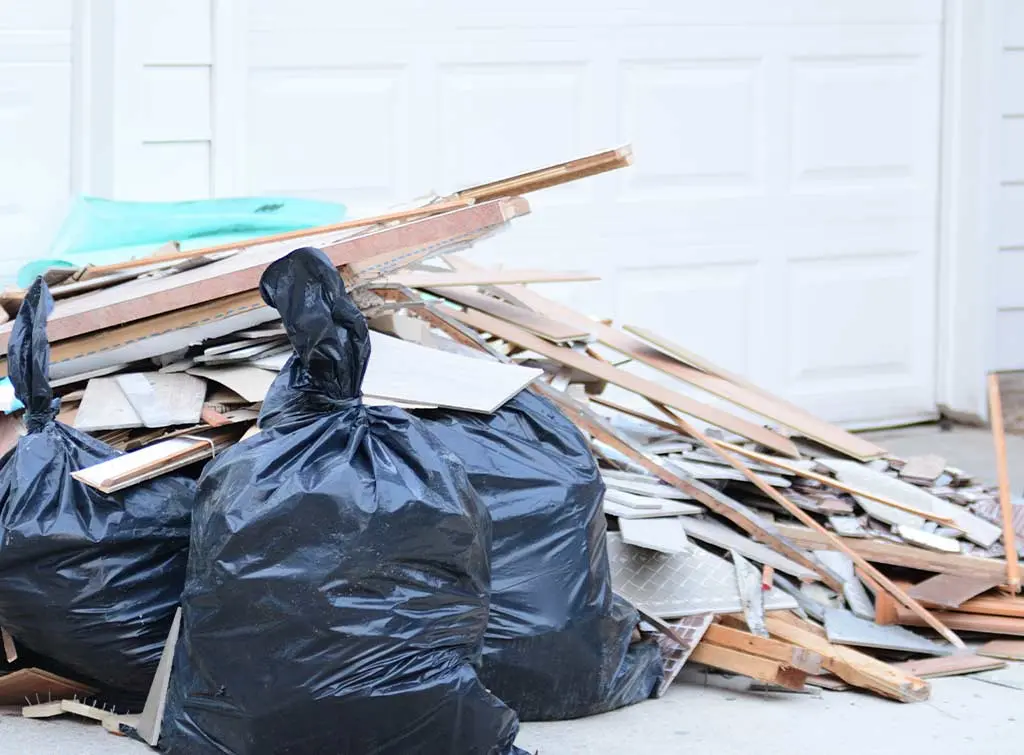
Who is responsible for removing renovation rubbish?
It’s partly your responsibility as the customer to ensure you know how your waste is being managed and dealt with.
If you have hired contractors, the majority of them will take the rubbish away as part of the job
Do your due diligence to understand how your contractor removes the rubbish
Official government guidance outlines what qualifies as commercial waste for the self-employed and business: "Any waste that comes from a commercial activity is business waste".
Construction and demolition are part of 'business or commercial waste'.
The waste generated by the renovation project and tradesperson doing it is their responsibility - they should outline exactly how they will remove the waste right from the start.
When should you discuss the removal of waste with your contractor?
The best time to discuss what happens to your waste is when reviewing and discussing the quote. So right at the beginning before the project starts.
If the rubbish removal hasn't been included in the project/cost breakdown:
Ask them
Be aware that waste removal is essential in any project
Quality contractors will already have thought about waste clearance
We spoke to Checkatrade members Taylored Drainage Solutions Ltd about rubbish removal, they said:
“We always remove all waste from the site and this will be stated in the estimate and invoice. If there is a lot of waste it will be a line item on the invoice...
If you as a customer are ever in doubt, just ask. Assumptions lead to confusion, which is never a good place to be by either party.”
Find a trusted clearance company
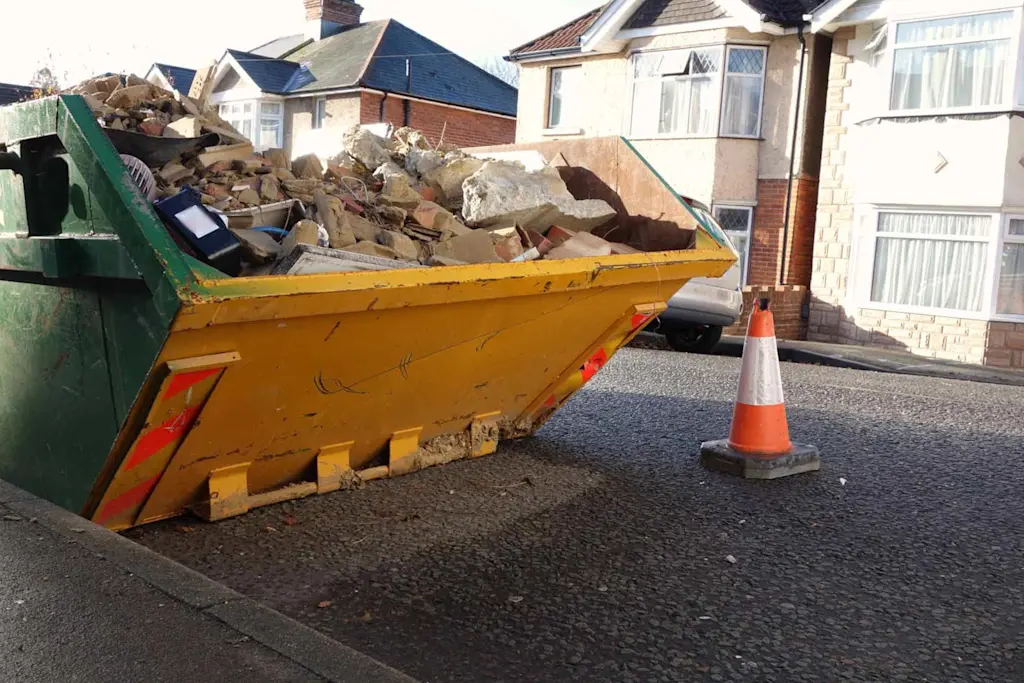
What renovation rubbish can be recycled?
Having your renovation rubbish removed responsibly can help reduce landfill waste and make your project more environmentally friendly.
Many common renovation materials can be recycled or repurposed, helping to conserve valuable resources while keeping your site clean and organised.
Plasterboard – Often recycled into new plasterboard products or used in agriculture and construction materials.
Aggregates – Concrete, rubble, and hardcore can be crushed and reused for foundations, roads, and landscaping projects.
Metals – Materials such as steel, aluminium, and copper are highly recyclable and can be processed into new products repeatedly.
Plastics – Certain plastics from pipes, packaging, and fittings can be sorted and recycled into new construction materials or products.
Glass – Windows, panels, and other glass materials can often be melted down and remanufactured into new glass products.
Wood – Timber can be reused, chipped for biomass fuel, or recycled into composite wood products and animal bedding.
Bricks and blocks – Usable bricks and blocks may be reclaimed for future building projects, while damaged materials can be crushed for aggregate use.
Floor and wall coverings – Materials such as tiles, carpets, vinyl, and laminates may be recycled or repurposed depending on their condition and material type.
Choosing to recycle renovation rubbish where possible can reduce disposal costs, minimise environmental impact, and support more sustainable building practices.
Tradespeople usually recommend separating materials on-site during your renovation project. This makes recycling easier, improves safety, and can lower waste removal costs.
Where does renovation rubbish go?
The answer here really depends on the size of your project and what the waste is.
For home or garden projects, your rubbish will likely be taken to a rubbish or recycling centre
For any larger renovation, make sure to check the plan
There may be a cost to your contractor when they drop off the rubbish, which is why there is usually an additional cost for the removal of your waste on your quote from the tradesperson.

Whether you're looking for rubbish removal or garden waste clearance costs, or are searching for a waste specialist in your area, we're here to help.
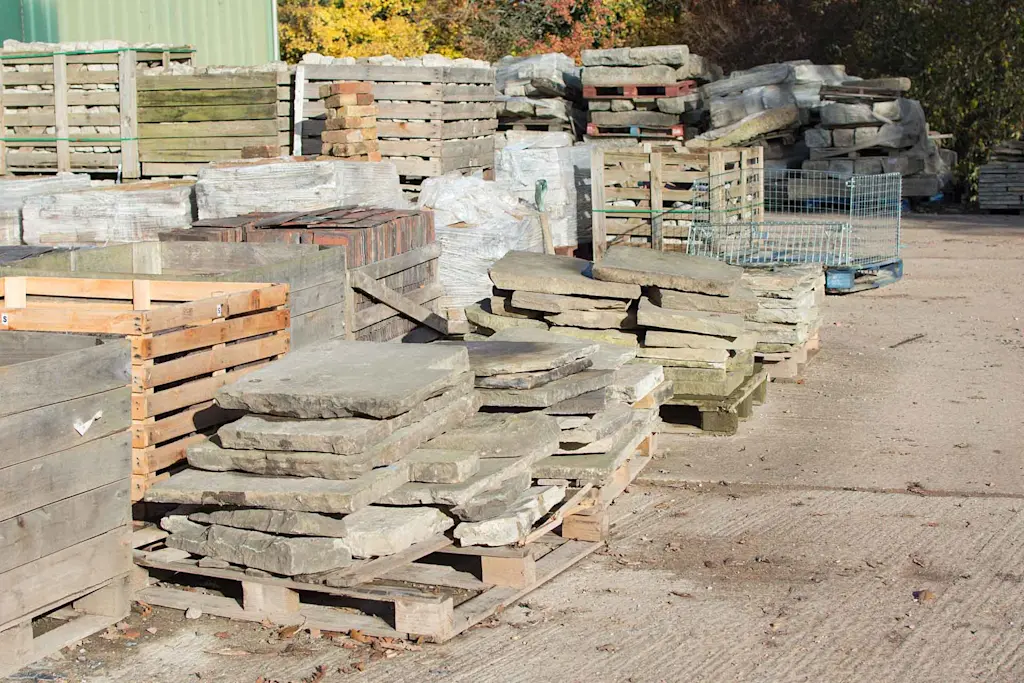
Do contractors need a Waste Carrier’s Licence?
Yes. Any contractor who is removing waste from a site or property will need a Waste Carrier’s Licence. If they do not then they will risk being fined up to £5,000.
Your key takeaways on rubbish responsibilities
Always speak to your tradesperson when agreeing on a job and quote
Ask where they’ll be taking the rubbish
Have an understanding of where the rubbish will be going
Always use a reputable tradesperson for rubbish removal
We've put together this handy checklist to help.

Rubbish removal checklist
Many renovation professionals recommend arranging waste removal early in the project rather than waiting until the end, as it helps keep the workspace safer and more efficient throughout the job.
Start searching for waste specialists to help clear up after renovation
In most cases, the contractor carrying out the work is responsible for removing and disposing of renovation waste correctly.
However, homeowners should always confirm this before work begins and ensure waste removal is included in the quote.
If you've been left high and dry, start searching today for waste clearance in your area.
Find local rubbish/waste clearance services
Enter your postcode to find a top tradesperson near you
Marylebone Waste Management Ltd
10.00
(27 reviews)Services & skills
Rubbish / Waste / ClearanceRecyclingHouse ClearanceScrap MetalWaste ClearanceClear Space London Ltd
10.00
(155 reviews)Services & skills
Rubbish / Waste / ClearanceRecyclingScrap MetalHouse ClearanceData ShreddingR&R Clearances Ltd
10.00
(76 reviews)Services & skills
Rubbish / Waste / ClearanceRecyclingHouse ClearanceWaste ClearanceSalvageFullerwaste Ltd
10.00
(31 reviews)Services & skills
Rubbish / Waste / ClearanceEmergency Rubbish / Waste / Clearance ServiceHouse ClearanceOffice ClearanceSalvageEcoForce Waste & Clearance Ltd
10.00
(12 reviews)Services & skills
Rubbish / Waste / ClearanceHouse ClearanceWaste ClearanceWarehouse ClearanceRecyclingLavender Clearances Ltd
10.00
(356 reviews)Services & skills
Rubbish / Waste / ClearanceRecyclingWarehouse ClearanceWaste ClearanceEmergency Rubbish / Waste / Clearance Service


FAQs
Can renovation waste be recycled?
Yes, many renovation materials can be recycled, including metal, wood, glass, plasterboard, aggregates, bricks, and some plastics. Separating waste into categories during the project can make recycling much easier.
Do builders and tradespeople need a waste carrier licence?
Yes. Any contractor removing waste from a property must hold a valid Waste Carrier’s Licence. Using an unlicensed carrier could result in fines and increase the risk of fly-tipping.
What happens to renovation rubbish after collection?
Depending on the material, renovation waste may be taken to a recycling centre, specialist processing facility, or licensed waste transfer site. Recyclable materials are often separated and reused where possible.
How can I reduce waste during a renovation project?
Planning ahead, ordering accurate quantities of materials, reusing items where possible, and separating recyclable materials can all help minimise waste during renovations.
What should I do with hazardous renovation waste?
Hazardous materials such as asbestos, chemicals, paint, and certain electrical items require specialist disposal. These materials should never be mixed with general construction waste.
Should rubbish removal be discussed before work starts?
Absolutely. Industry professionals recommend agreeing on waste removal responsibilities, costs, and disposal methods before the renovation begins to avoid confusion later on.
More Rubbish / Waste / Clearance Articles

See the tradespeople we've checked for your job