EXPERT ADVICE
Types of showers and how to choose one for your home
Updated 07/26
By: Laura Macdonald
Reviewed: Content Team
Beyond just picking electric, mixer, power, or digital, the real decision starts with what your home's plumbing can actually support, and works outward from there to valves, trays, and enclosures.
How your water system rules some shower types in or out
The other components (valves, trays, enclosures) that shape your choice
The four main shower types and how they compare
Installation and running costs across types
Which type suits which kind of home
Who to hire for the job
Ready to get help? Here's where to start.
Find a plumber near you
Factors to consider when choosing a shower
1. Water pressure and water system
Water pressure (measured in bars) determines both power and performance. Your water system, one of three main UK types, plays a big role in which shower types are even viable:
Gravity-fed system: common in older homes, combining a cold water tank in the loft with a hot water cylinder, usually in an airing cupboard. Often low pressure. Best suited to power showers (to boost flow); electric or mixer showers can work too, but may need a pump.
Combi boiler: a popular modern setup, providing hot water on demand at mains pressure with no separate cylinder. Best suited to mixer showers; unsuitable for power showers.
Unvented system: stores hot water at mains pressure via a cylinder and boiler. Suitable for most shower types, including mixer and digital.

2. Shower heads
Fixed, ceiling-mounted heads: a luxurious, hotel-style feel.
Adjustable riser rail kits: flexible height and use, good for families.
Combination heads: fixed and handheld in one, offering the best of both.
3. Shower valves
Thermostatic valves: maintain a consistent temperature, reducing scalding risk, a safer choice for families with children or older relatives.
Manual valves: mix hot and cold by hand; simpler, and some people prefer the directness.
4. Shower trays
Slimline trays: sit flush with the floor for a seamless, contemporary look.
Raised trays: easier to install, often with simpler drainage.
Low-profile trays or fully tanked floors: common in wet rooms, minimalist designs, or where accessibility matters.
5. Shower enclosures
Walk-in and low-profile enclosures: minimalist, easy access.
Rectangular enclosures: suit larger bathrooms.
Corner enclosures: space-saving in smaller rooms.
Quadrant enclosures: similar space-saving benefits with a sleeker, rounded look.
Frameless glass: clean, minimal, modern.

If your main question is specifically power vs electric, our dedicated comparison goes deeper into that specific decision, including why power showers and combi boilers don't mix.
Popular types of showers in the UK
Electric showers
Heats water on demand from the mains as it passes through the unit.
Pros: easy installation; energy-efficient; thermostatic control; compact for small bathrooms; works with low pressure (often with a pump); unaffected by boiler issues.
Cons: lower flow rate than other types; tends to be bulkier in design.
Compatibility: suitable for any home, since it works independently of the boiler.
See our guide on electric shower benefits for more.

On Checkatrade, you'll only find trades who meet our high standards and pass up to 12 checks.
Mixer showers
Blends hot and cold water, either manually or via a thermostatic valve for constant temperature.
Pros: consistent temperature (thermostatic models); good flow; several styles including concealed designs; suitable for most homes.
Cons: manual (non-thermostatic) models can fluctuate in temperature; low-pressure homes may need a pump.
Compatibility: best with a combi boiler or unvented system with good pressure; gravity-fed systems may need a pump.
See our guide on the best mixer shower for model-specific advice.
Power showers
Uses a built-in pump to deliver a stronger flow.
Pros: strong, consistent pressure; sleek designs; great for gravity-fed systems.
Cons: uses more energy and water than other types; not compatible with combi boilers.
Compatibility: ideal for gravity-fed, low-pressure homes; incompatible with combi boilers.
Digital showers
Similar to a mixer shower but with digital, precise controls, and sometimes smart home compatibility.
Pros: precise temperature and flow control; customisable settings; sleek, modern design; works with most systems; some pair with smart tech.
Cons: more expensive; some models more complex to install; smart features need a stable connection.
Compatibility: suitable for most homes including unvented and combi systems; gravity-fed systems may need a pump.
See our guide on the benefits of smart and digital showers for more detail.
Installation and running costs of different shower types
Costs vary by brand, model, and installation complexity, so check our shower installation cost guide for current pricing across all four types rather than relying on a fixed figure.
On running costs specifically: electric showers tend to be the most economical day-to-day, since they only heat the water actually used and often include an eco setting. Power showers, by contrast, use more water and energy given their higher flow rate. This shows up in higher running costs over time.
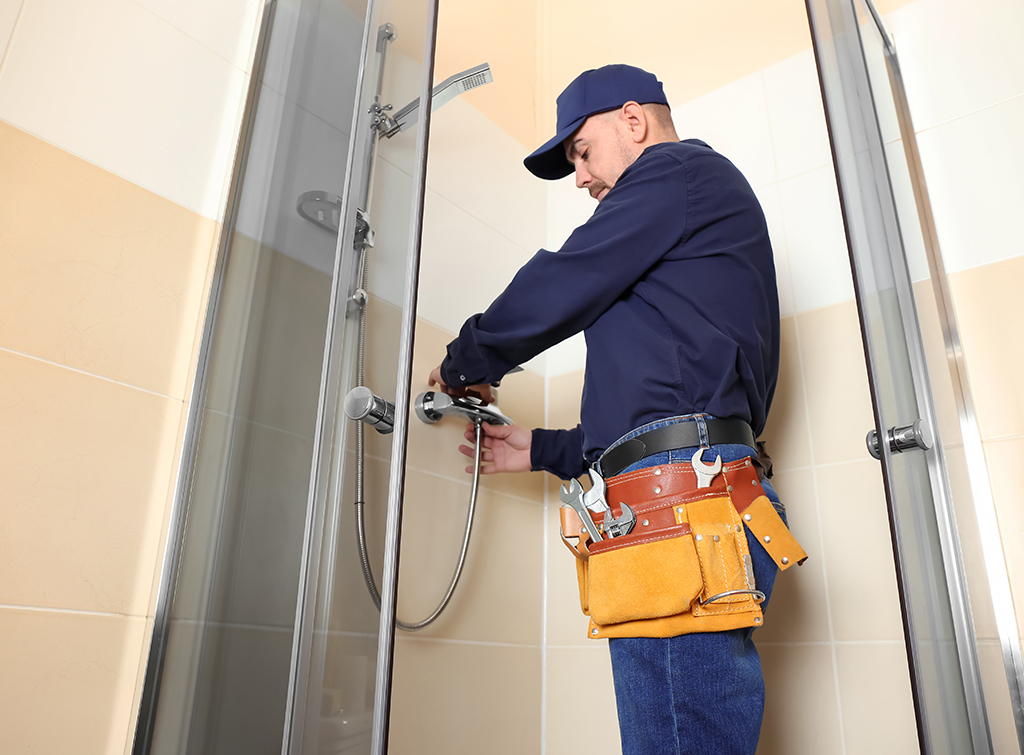
Shower installation: Cost breakdown 2026
Having trouble with your shower? We've put together this guide on the cost of installing a replacement shower unit (including the pump, pipework and shower head) to help you manage your budget for the project.

Before you choose a shower type
In summary
If affordability is the priority, electric showers are a strong choice. Thermostatic mixer showers suit families well. Power showers are ideal for low-pressure, non-combi homes. Digital showers suit anyone who wants precision and smart features.
If in doubt, speak with an experienced plumber for advice specific to your home.
Find a qualified tradesperson for your shower installation
For an electric shower, you'll need a Part P certified plumber or a qualified electrician.
Find a plumber near you
FAQs
No. Power showers pump water from a stored hot water cylinder to boost pressure; combi boilers have no such cylinder, delivering water at mains pressure instead, so there's nothing for the pump to boost against.
Not especially, but we'd always recommend a qualified tradesperson to ensure connections and controls are set up correctly.
Electric showers, generally, since they don't need connecting to the hot water system.
A power shower (if not on a combi boiler), or a pumped mixer or electric shower.
A thermostatic shower automatically maintains a constant temperature regardless of other water use in the house. A standard (non-thermostatic) mixer shower blends hot and cold manually and can fluctuate if water's used elsewhere.
Electric showers, generally, since they only heat the water actually used rather than drawing from a heated tank.

See the tradespeople we've checked for your job