EXPERT ADVICE
Best mixer shower: How to choose the right one for your home
Updated 07/26
By: Laura Macdonald
Reviewed: Kim Staples
In this expert guide, we explore the best mixer shower and the best thermostatic shower options to help you make the right choice for your home.
The difference between a mixer shower and a thermostatic shower
Which type suits a combi boiler, gravity system, or unvented cylinder
What to check before buying if you have low water pressure
Which showers are worth the money and which to skip
How much a mixer shower typically costs to buy and fit
How to find a plumber to fit your mixer shower
Your water system, boiler type, and pressure all make a difference to what type of shower is best for your home.
This guide breaks down the difference between mixer and thermostatic showers, which type works with your setup, and what actually affects performance, cost, and safety - so you can choose your new shower with a little more confidence.
Find a plumber near me
What's the difference between a mixer shower and a thermostatic shower?
A thermostatic shower is a type of mixer shower. These types of showers take hot and cold water from your existing supply and mix the feeds together to reach the desired water temperature.
A standard mixer shower (non-thermostatic) relies on you to balance the temperature manually using the controls, and it can drift if someone runs a tap or flushes a toilet elsewhere in the house.
A thermostatic mixer shower (often shortened to TMS) has an internal thermostatic cartridge that automatically compensates for those pressure changes. It holds the temperature steady even if the incoming supply fluctuates.
Thermostatic cartridge
This cartridge is the main reason thermostatic showers cost more.
It's a mechanical safeguard against sudden temperature spikes, which is particularly important in homes with young children, elderly residents, or anyone with reduced mobility who might not react quickly to a scald.
Most UK building regulations (Part G) now require thermostatic mixing valves in new-build bathrooms and care settings for exactly this reason. If you're renovating a family bathroom, it's worth fitting one even where it isn't strictly mandatory.
Safety
Thermostatic showers include a high-limit stop, usually set around 38°C, that prevents the water exceeding a safe maximum even if the valve fails.
Standard mixer showers have no such safeguard - the temperature is only as stable as your home's water pressure.
Price and longevity
Thermostatic models sit at a higher price point than basic mixer showers or electric showers, but they tend to last longer because there's no heating element to burn out.
Over a 10-15 year lifespan, many homeowners find the extra upfront cost pays for itself in fewer callouts and replacements.
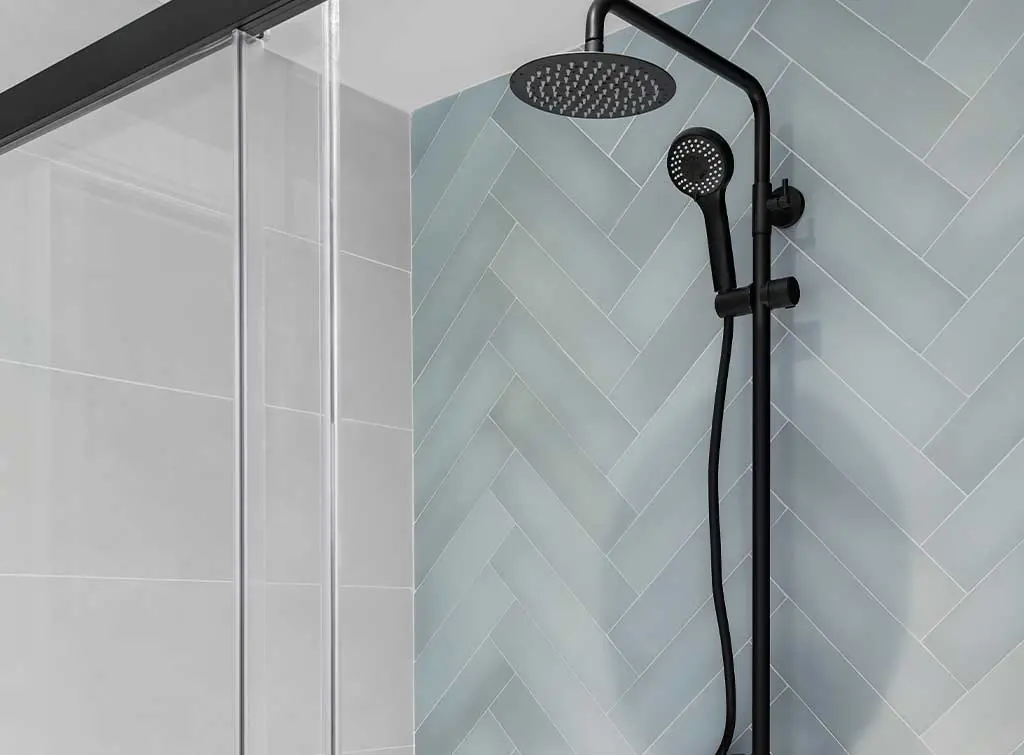
Which type of shower suits your water system?
The best mixer shower for your home depends on your water system. Here's a quick overview...
Combi boiler: Hot water is heated on demand, so the pressure and temperature can vary if another tap is used while you're in the shower. A thermostatic mixer shower is generally the best fit here, since it actively corrects for those fluctuations.
Gravity-fed system (e.g. cold water tank in the loft, or hot water cylinder): Pressure depends on the height of your tank above the shower. If pressure is low, you may need a pumped or "power" shower, or a mixer model specifically rated for low-pressure systems.
Unvented cylinder or Megaflo system: Pressure is usually strong and consistent, so most standard or thermostatic mixer showers will perform well without an additional pump.
Not sure what type of water tank system you have? A plumber can identify it in minutes, and confirm which shower type will actually work before you spend money on the wrong one.
Find a plumber near me

Best mixer shower for a combi boiler
Thermostatic mixer showers are generally considered the best type of shower to pair with combi boilers.
This is because they compensate automatically for the pressure dips that happen when hot water is drawn elsewhere in the house. (Someone running the kitchen tap, for example, or the dishwasher kicking in mid-cycle.)
When choosing a mixer shower, check the manufacturer's minimum flow rate requirement against your combi's output. An undersized combi boiler paired with a high-flow shower won't perform too well, no matter how good the shower itself is.
Best mixer shower for low water pressure
Water pressure is the single biggest factor in shower performance, so it's worth checking this before you buy rather than after.
Standard mixer showers don't include a pump - they rely entirely on your home's existing pressure. If you have a gravity-fed system with a tank in the loft and low pressure as a result, look specifically for models marketed for low-pressure use, or consider a mixer shower with an integrated or separate booster pump.
Some manufacturers have showers designed to perform at low bar ratings, using technology to maintain flow even when incoming pressure is weak - it's worth keeping an eye out for these.
Always check the minimum bar rating listed on the product spec sheet against a pressure reading from your own system.
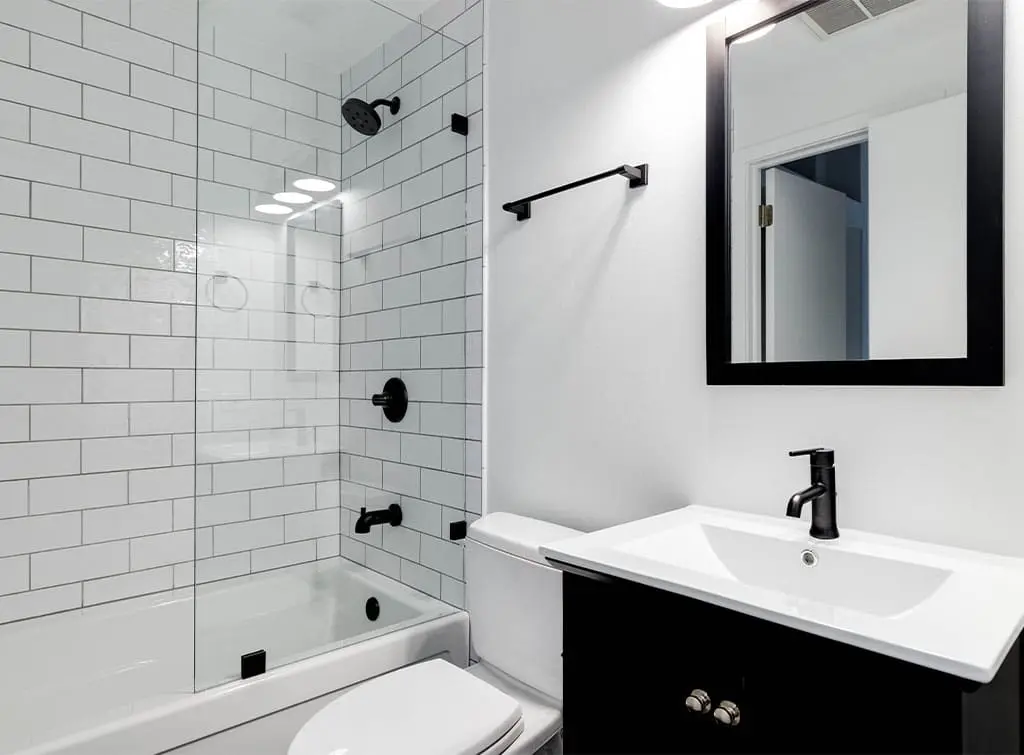
How much does a mixer shower cost to buy and install?
Shower prices vary hugely depending on the type, brand, and valve style (exposed vs concealed), and installation costs on top depend on whether you're doing a straight swap or running new pipework.
Generally, you're looking at costs of around £200 for the shower itself, then £200 in labour costs for installation.
Get a few quotes before committing. Installation costs can vary significantly depending on whether existing pipework needs altering, particularly if you're switching from an electric shower to a mixer shower, which usually means running new hot and cold feeds.
For a full breakdown of typical supply-and-fit prices, see our shower installation cost guide.
If you're planning a walk-in shower as part of a bigger bathroom refit, our walk-in shower installation cost guide covers that separately.
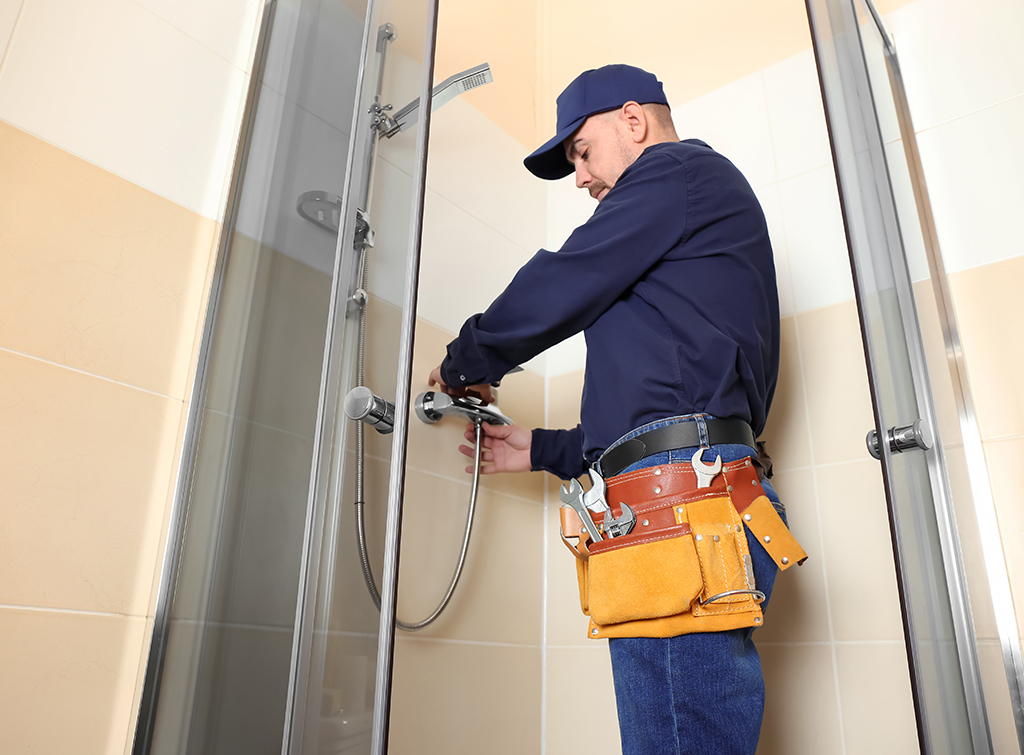
Shower installation: Cost breakdown 2026
Having trouble with your shower? We've put together this guide on the cost of installing a replacement shower unit (including the pump, pipework and shower head) to help you manage your budget for the project.
Finding a plumber to fit your mixer shower
A trusted plumber is well-placed to advise on the best mixer shower for your setup and your needs.
Use our request-a-quote form to get quotes sent directly to your inbox. Alternatively, search our directory to see who's available in your area. Just enter your postcode to get started.
Find a plumber near me

Checklist for choosing a mixer shower
Go through the points on our handy checklist, and you'll be a few steps closer to choosing the best mixer shower for your bathroom.

Choosing your mixer shower
FAQs
The best model for your home depends on your water system, pressure, budget, and whether you want an exposed or concealed valve.
A thermostatic mixer shower from a reputable brand like Aqualisa, Mira, Grohe, or Hansgrohe is a safe starting point for most combi boiler homes.
Check your water pressure first, since that determines which models will actually work in your home.
Beyond that, look at temperature and flow controls, the high-limit safety stop, valve type (exposed or concealed), and overall build quality from the brand.
For most family homes, yes. They cost more upfront but tend to last longer, hold a consistent temperature, and reduce scalding risk - particularly valuable if you have children or elderly family members using the shower.
A thermostatic shower blends hot and cold water from your existing supply to reach the set temperature.
An electric shower takes a cold feed only and heats the water on demand using an internal element, which means it's less dependent on your boiler but can be slower to reach the right temperature.
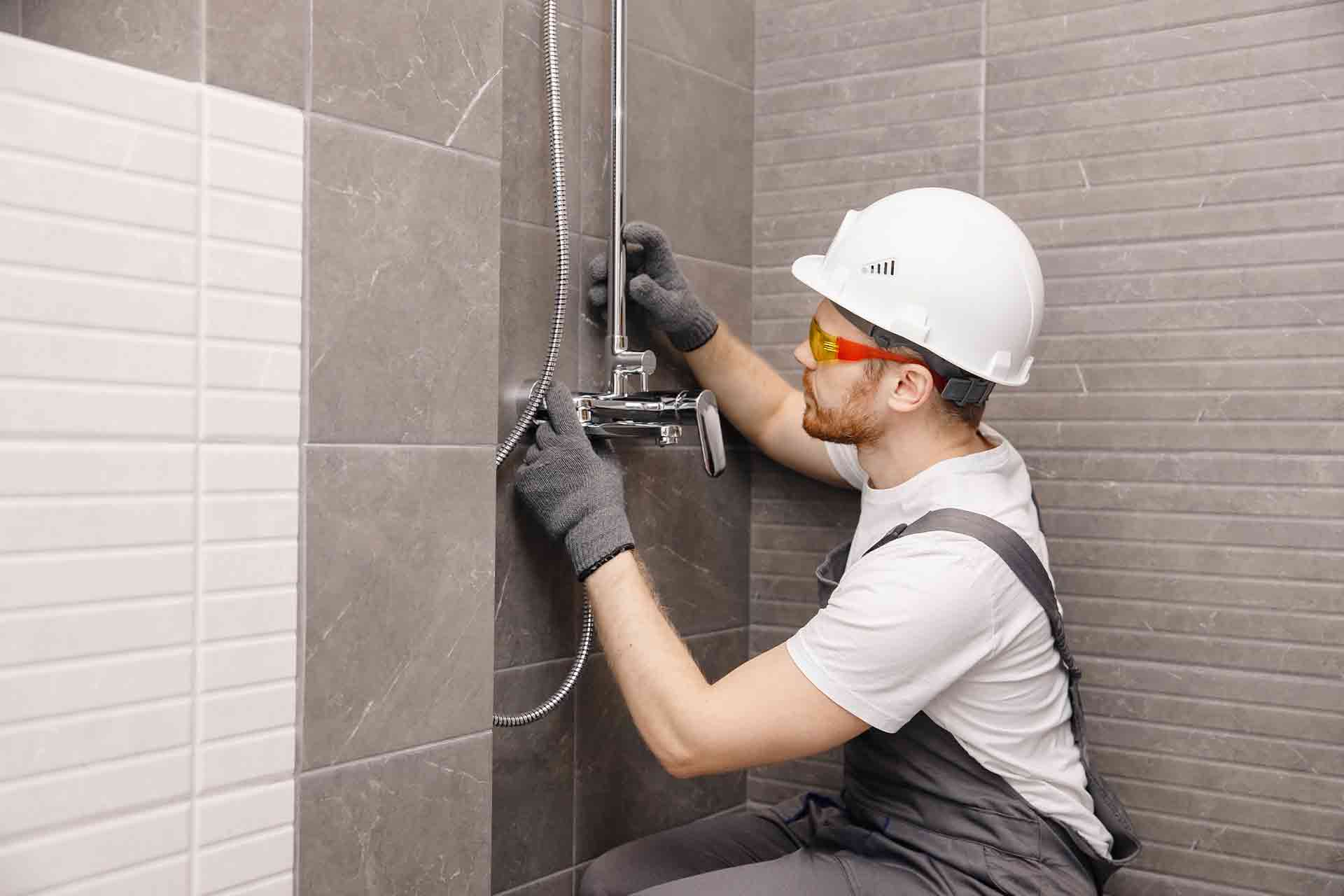
Probably not. Fitting a mixer shower involves working with existing hot and cold pipework and often altering wall finishes, so it's not usually a straightforward DIY job unless you have plumbing experience.
Getting it wrong can mean leaks or incorrect pressure balancing, so most homeowners bring in a plumber.
Only if your water pressure is too low for the shower's minimum requirement, which is more common with older gravity-fed systems.
A plumber can test your pressure and tell you whether a pump is genuinely needed before you spend money on one.
An exposed valve sits on top of the tiles with visible pipework, and is generally cheaper and easier to install or replace.
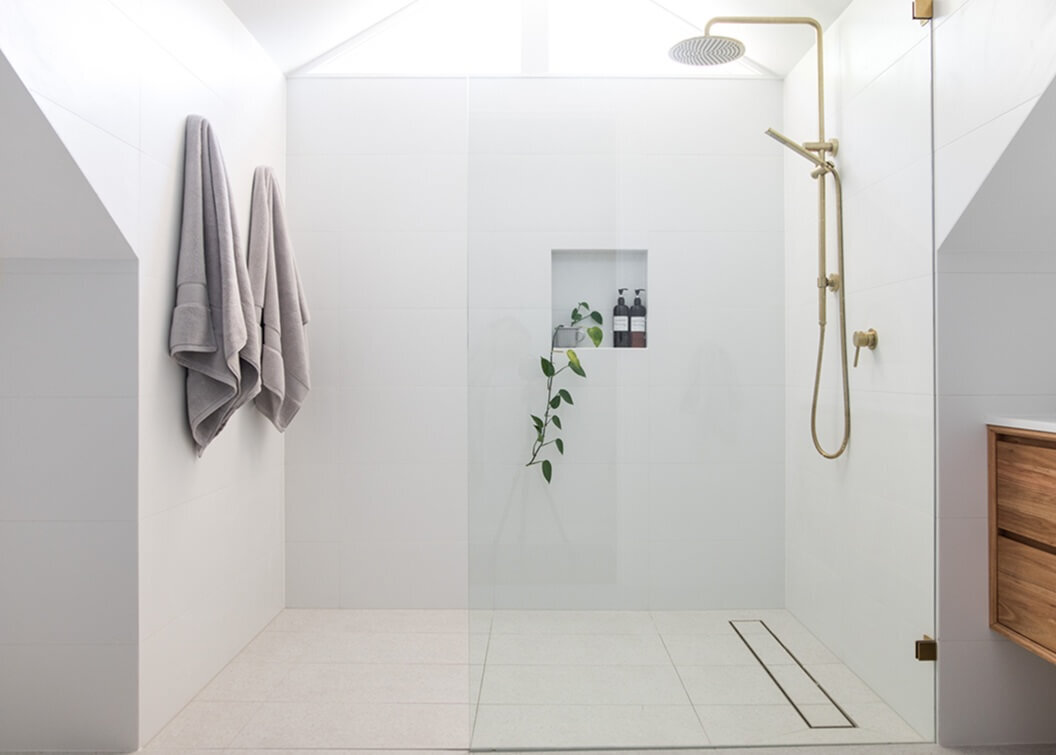
A concealed valve is hidden behind the wall for a neater finish, but installation usually involves chasing into the wall and re-tiling.
A good quality mixer shower, when properly maintained, typically lasts 10-15 years. Thermostatic cartridges can usually be replaced individually if they wear out, extending the life of the unit without a full replacement.
Want to learn more? See our shower hub for more expert guides, and find out how to hire other tradespeople such as a tiler for wall and floor finishes, or a bathroom fitter if you're replacing the whole suite at once.
See the tradespeople we've checked for your job