EXPERT ADVICE
Tap leaking from stem - causes & how to fix it
Updated 07/26
By: Wendy Reynolds
Reviewed: Content Team
The stem is the part of a tap that actually controls water flow and temperature, sitting behind the handle. When it fails, you'll usually notice one of two things: a leak while the tap's running, or a leak once you've turned it off, and which one tells you exactly where to look.
How to tell if the stem is really the problem
The three most common causes
Step-by-step how to fix each one
Where to isolate water before you start
Roughly what a repair costs
When to call a plumber instead
Ready to get help? Here's where to start.
Find a plumber near you
Signs your tap is leaking from the stem
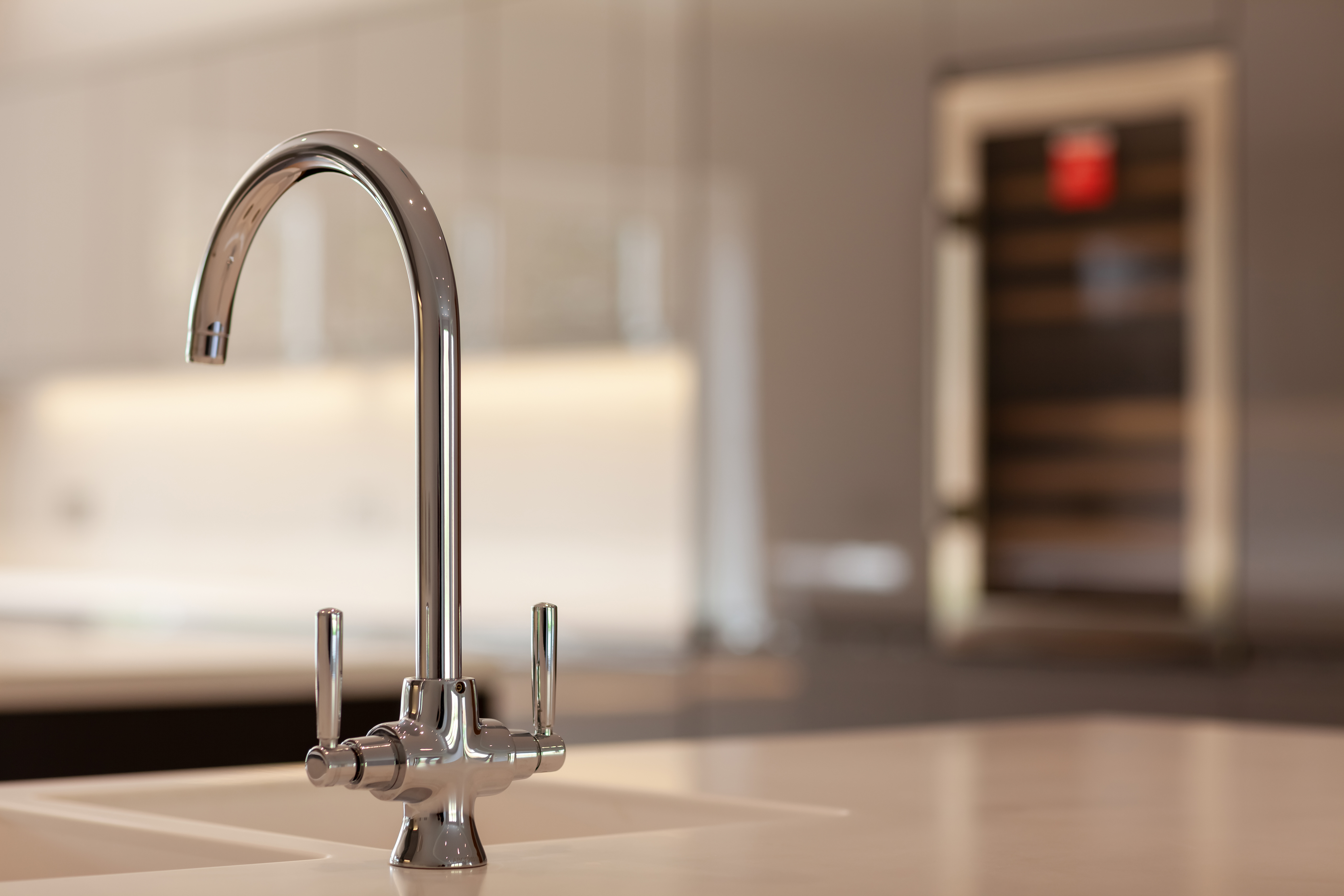
The stem sits inside the tap, attached to the handle, and opens the valve to let water through when you turn it on. In a mixer tap, one stem controls both hot and cold; in twin lever taps, each side has its own stem.
Beyond a visible leak around the tap's body, other signs include:
Temperature issues: water running too hot or too cold if internal stem components are worn
Uneven water flow: slow flow, sputtering, or dripping even with the tap fully open
Left unresolved, a stem leak wastes water and pushes up your bills, so it's worth tackling promptly.

Why is my tap leaking from the stem?
Mineral build-up from your water supply gradually wears down internal components over time. The three most common causes:
Damaged O-ring: this small rubber ring creates a watertight seal inside the tap; once damaged, water leaks out.
Worn washer: seals the valve when the tap's off; wear here is one of the most common causes of a drip once you've turned the tap off.
Worn spindle: the part that moves up and down to control flow; damage here causes leaks regardless of tap position.
Leaking when the tap is running
Usually a worn O-ring. Without a fully intact seal, water escapes around the stem while water's flowing.
Leaking when the tap is turned off
If you're tightening the tap harder than you used to just to stop the drip, a worn washer is the likely cause, since it's specifically responsible for sealing the valve in the off position.

Not sure your tap even has a traditional stem? Many modern taps use ceramic disc cartridges instead. Our guide on monobloc mixer taps: repair or replace covers that different mechanism.
How do you fix a leaking tap stem?
Fixing a stem leak is fairly straightforward once you know what you're doing, but dismantling a tap incorrectly can cause more damage than you started with. If you're not confident, hiring a professional is the safer route.
Isolate the water first
Before starting, turn off the water supply. Many modern sinks have a small isolation valve specifically for the tap underneath, which saves shutting off the whole house's supply at the main stopcock; check under the sink first.
Dismantle the tap
Steps vary by tap style, so check instructions for your specific model. You may need a box spanner or basin wrench, available in various sizes.
Inspect the stem components
With the tap open, examine the O-ring, washer, and spindle for rips, tears, or corrosion. Different taps use different spindle designs, including threaded nuts, rubber washers, or ceramic discs to seal and "pack" the stem.

On Checkatrade, you'll only find trades who meet our high standards and pass up to 12 checks.
Replace the O-ring
Order the correct size for your specific tap model. Carefully cut away the old rubber and fit the new one in its place.
Replace the washer
Use tweezers to remove the old washer and fit the correctly-sized replacement.
Replace or repack the spindle
Clean off any grime and check the components look sound. If it's genuinely damaged, fit the specific replacement part for your model. Older compression-style spindles can sometimes be "repacked" instead. Repacking involves wrapping specialist plumbing packing material around the top of the spindle to stop the leak without a full replacement.
If any of this sounds too involved, a local plumber, or an experienced handyperson for more straightforward taps, can take it from here.
Plumber costs in the UK: 2026 price guide
Whether you are planning an exciting renovation or have a troublesome issue, our plumber cost guide contains daily, hourly and emergency rates.
Cost to repair a leaking tap
DIY carries some risk if you're not confident, since incorrectly secured components can make a leak worse. A handyperson typically charges around £30 an hour for a job like this, while a plumber's average hourly rate is higher, though if you already have other small plumbing jobs to do, it may be worth bundling them into one visit for better value.

Before you attempt a fix
Key takeaways
Common causes of tap stem leaks: worn O-rings, damaged washers, or a faulty spindle
Replacing the worn component usually stops the leak
Always buy the correct replacement parts for your specific tap model
A professional plumber or handyperson can fix this quickly if you'd rather not DIY
Finding high quality plumbers near you
Find a plumber near you
FAQs
Usually a worn O-ring, since a damaged seal lets water escape while the tap's running.
Usually a worn washer, the part responsible for sealing the valve when the tap is off.
Many stem leaks are fixable with basic tools and the correct replacement parts, but incorrect reassembly can make things worse, so hire a professional if you're not confident.
A handyperson typically charges around £30 an hour; a plumber's rate is generally higher. Check our plumber cost guide for current figures.
See the tradespeople we've checked for your job