EXPERT ADVICE
What to do when a tap is leaking from the handle
Updated 08/26
By: Wendy Reynolds
Reviewed: Alex Peters
A tap dripping from the handle is easy to ignore at first, but it's rarely just a minor annoyance. Left alone, it wastes water, pushes up your bills, and can eventually damage the tap fittings themselves.
Here's what's causing it and how to get it fixed.
What's actually causing water to leak from the handle
Whether it's a quick DIY fix or a job for a plumber
The step-by-step repair process
How your tap's mechanism affects the fix
How much it typically costs to sort
How to stop it happening again
What causes a tap to leak from the handle?
Kitchen, bathroom, and outside taps can all develop this problem over time.
Before reaching for the toolbox, it helps to know where the leak is actually coming from - common spots include the base of the tap, the stem or spindle, the spout, and beneath the handle itself.
Leaks from the handle are usually down to worn O-rings or washers. These small rubber components create a watertight seal, and once they degrade, water finds its way past them.
A few other common culprits:
A loose packing nut - part of the internal mechanism that can work loose over time
High water pressure - excess pressure puts extra strain on internal components and can force water past a seal that would otherwise hold
Hard water build-up - mineral deposits can wear down washers and cartridges faster, particularly in hard water areas
If you're in a hard water area, a build-up of limescale on internal components can shorten the life of washers and cartridges considerably faster than in soft water areas.
Not sure where to begin?
If plumbing isn't for you, don't worry. You can search for a local plumber via Checkatrade.
Find a local tradesperson
How to stop a tap leaking from the handle
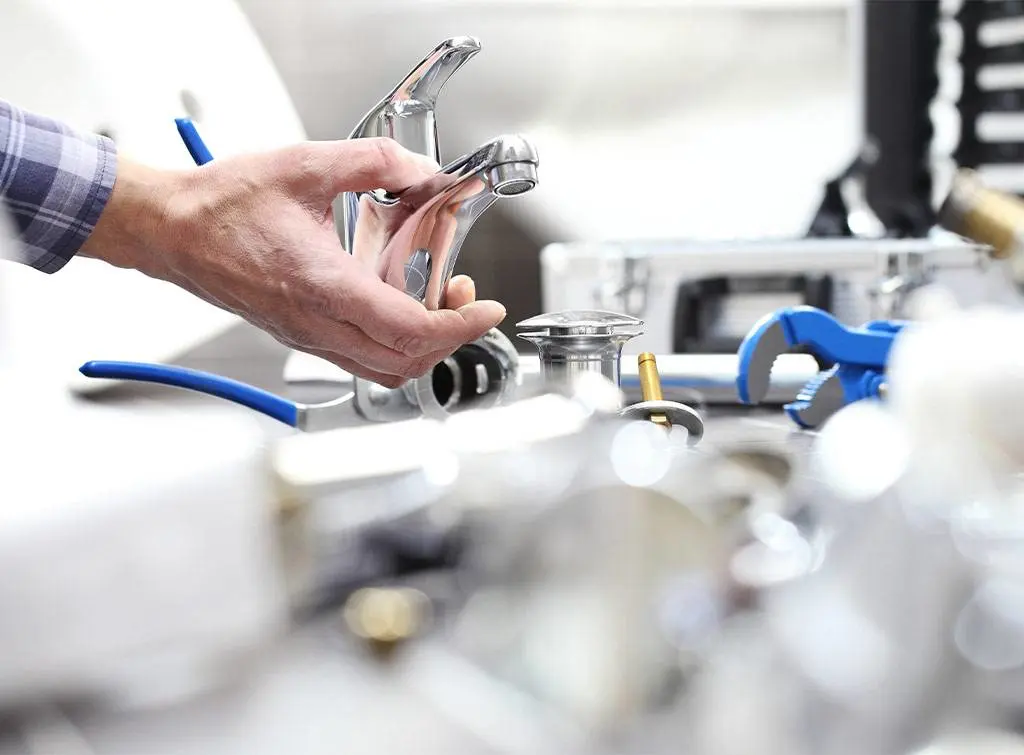
The right fix depends on what type of mechanism your tap uses:
Ceramic disc valve - common in taps with separate hot and cold handles; water flows when two ceramic discs align inside the tap
Washer valve - uses a rubber washer that seals against the valve seat when the tap is off
Ceramic disc cartridge - typically found in single-lever mixer taps, controlling both flow and temperature together
Once you know your tap's mechanism, here's a general step-by-step for a DIY fix:
1. Turn off the water supply
Always isolate the water supply before you start, to avoid flooding the kitchen or bathroom.
2. Remove the handle
Locate the tap screw - it may be hidden under a cover plate - and remove it carefully to lift the handle away.
3. Inspect the internal parts
With the handle off, use a wrench to remove the valve or cartridge and inspect the washers and O-rings closely for wear.
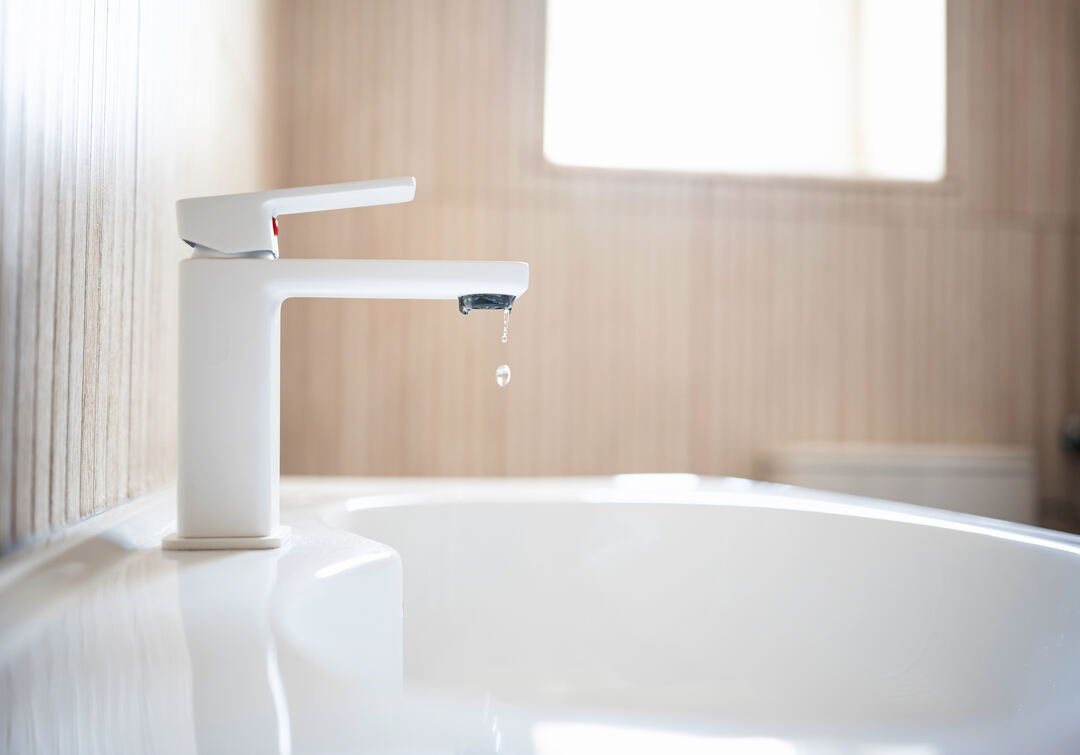
How to fix a dripping tap: Step-by-step guide
Stop that drip for good. Follow our step-by-step guide to fixing a dripping tap - from washers to O-rings - plus when it's worth calling a checked plumber.
4. Replace any damaged parts
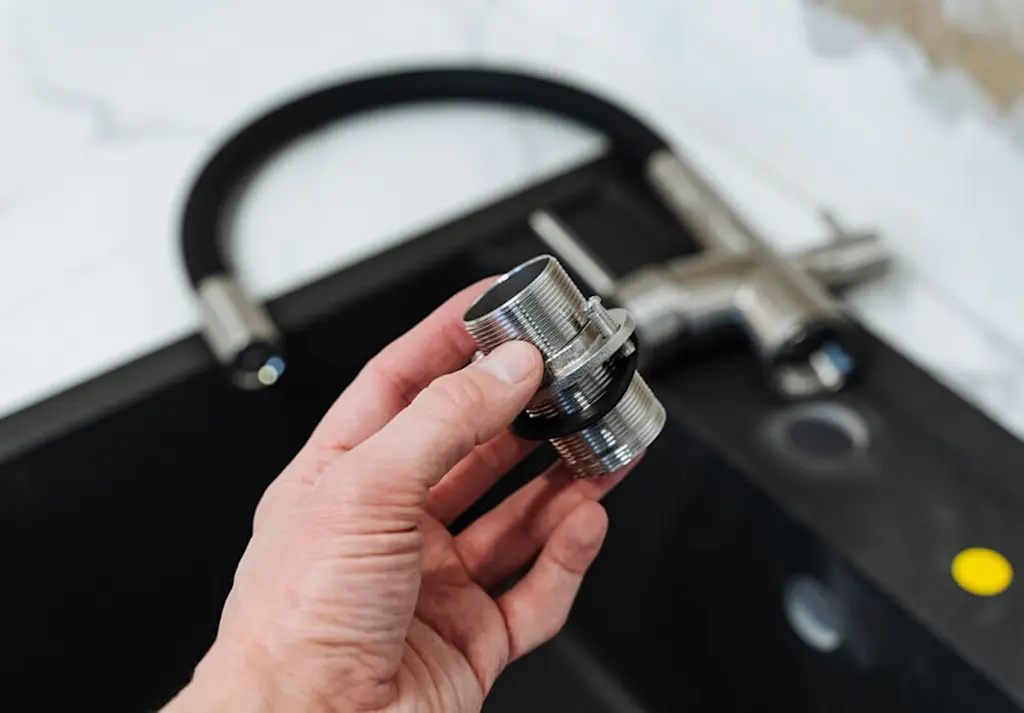
Swap out worn O-rings, washers, or valves for new ones - making sure they're the correct size for your tap, as ill-fitting replacements will keep leaking.
5. Add plumber's tape if needed
If the valve or cartridge connects via a threaded fitting, wrap plumber's tape around the connection for a watertight seal.
6. Reassemble and test
Put everything back together, reattach the handle, and turn the water supply back on. Run the tap to check the leak has actually stopped.
Avoid over-tightening washers or valves when reassembling. It puts unnecessary stress on the parts and can cause the same leak to come straight back.

When to call a professional
If your DIY attempt hasn't stopped the leak, or you'd rather not risk it, it's time to call in a professional.
Monobloc mixer taps and double-lever taps don't always have their components in the same place, which can make the job trickier without the right experience.
It's worth noting that plumbers don't always love being called out for a single small job like this - so if you have other minor plumbing jobs on your list, it can be more cost-effective to get them all done in one visit.
Find a local tradesperson

Fixing a leaking tap handle is a straightforward job for an experienced handyperson, or a plumber if the tap needs replacing entirely.
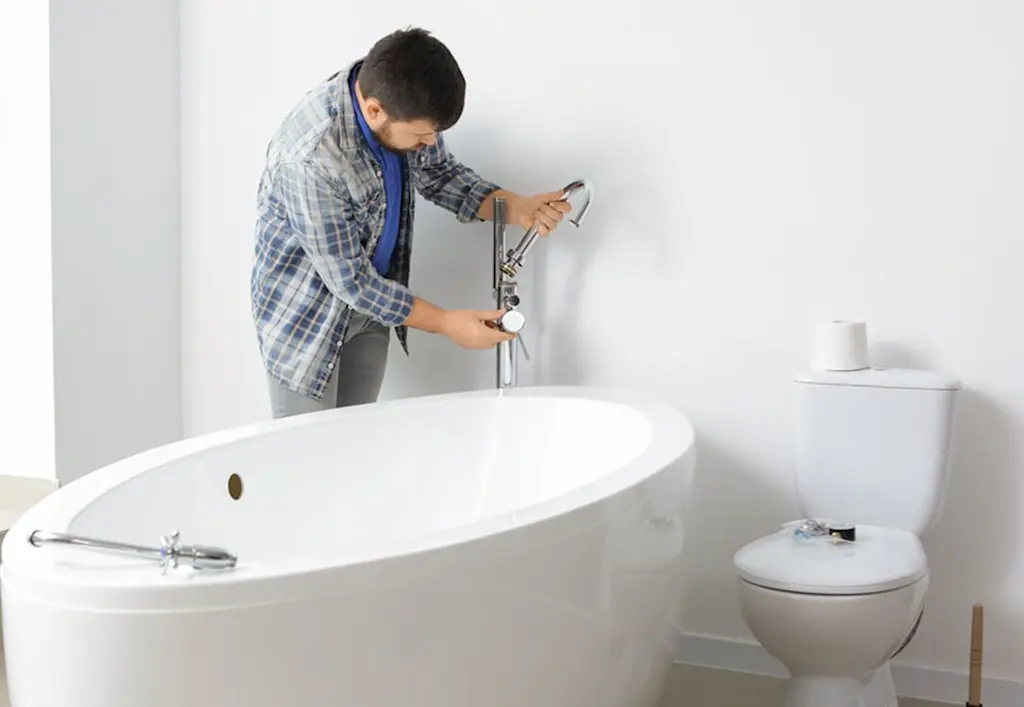
How much does it cost to fix a leaking tap?
A few things affect the price:
Type of tap - a ceramic cartridge typically costs more to replace than a simple rubber washer
Extent of the damage - more parts needing replacement means a higher bill
Your location - rates vary across the UK
Most tap repairs take under an hour for an experienced tradesperson. As a guide, handypeople charge an average hourly rate of £40–£50, while plumbers charge around £40–£60 an hour, or a day rate of roughly £320–£480 if you're bundling several jobs together.
If the tap needs replacing rather than repairing, our tap installation cost guide has a full breakdown.
Find a reliable local plumber near you
Enter your postcode to find a top tradesperson near you
toilets taps & traps Ltd
10.00
(5 reviews)Services & skills
PlumberBlocked BathsGeneral PlumbingPipe FitterShower InstallationNA Plumbing & Heating
10.00
(178 reviews)Services & skills
PlumberGeneral PlumbingWater Mains Specialist (Pipe Replacement, Moling and Lead Pipes)Radiator Thermostat Valve RepairUnderfloor Heating InstallationFlow Plus Plumbing
10.00
(6 reviews)Services & skills
PlumberBathroom & Kitchen PlumbingPipe FitterGeneral PlumbingPower FlushingJG Swan Housing Ltd
10.00
(77 reviews)Services & skills
PlumberBathroom & Kitchen PlumbingWater Pumps RepairRadiator InstallationEmergency Plumber ServiceAZ Plumbing Contractors Ltd
10.00
(251 reviews)Services & skills
PlumberGeneral PlumbingUnvented Hot Water Cylinder InstallationPlumbing RepairsWater Mains Specialist (Pipe Replacement, Moling and Lead Pipes)R G Austin Ltd
10.00
(55 reviews)Services & skills
PlumberGeneral PlumbingShower InstallationTap RepairRadiator Repair


Checklist: fixing a leaking tap handle

Tap handle leak checklist
FAQs
Replacing the ceramic cartridge inside is usually all that's needed, since this is the component most likely to wear out in lever taps.
This points to worn or corroded components - typically the washer, O-ring, or valve seat needing replacement.
Yes, excess pressure puts strain on internal seals and can force water past parts that would otherwise hold, even if they aren't badly worn.
Yes - a single dripping tap can waste a significant amount of water over a year, on top of the risk of the leak worsening or damaging the tap over time.
Usually yes, if your tap has its own isolation valve underneath the sink - if not, you may need to turn off the water at the main stopcock.
No - washers, O-rings, and cartridges vary by tap make and model, so it's important to take the old part with you or check the model number before buying a replacement.


See the tradespeople we've checked for your job