HOW-TO GUIDES
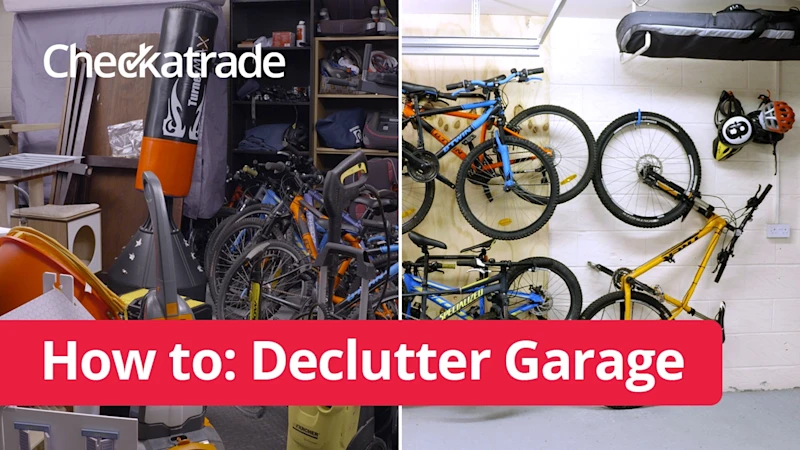
How to declutter your garage: 5 simple steps for a clear, organised space
Updated 11/26
By: Content Team
Reviewed: Emma Potter
Has your garage become a dumping ground? You're not alone. Most of us put the job off until it's bursting at the seams.
The good news is, decluttering is easier than it looks once you break it into steps. Depending on the size of your garage and how much is in it, you could finish in a day, or a weekend if it's a big one.
This guide shows you how to declutter a garage in five steps.
How to plan a garage declutter
How to sort and categorise your things
What to do with items you no longer want
How to clean and check your garage
Which storage solutions suit different items
When to call a waste clearance professional
Find a waste clearance company near me
What you need to declutter your garage
Having everything to hand before you start keeps you moving. Gather these first:
Bin bags and sturdy boxes for sorting
Marker pens and labels
Cleaning supplies, a broom and a dustpan
Gloves, and a dust mask if the garage is very dusty
A tarpaulin or space outside to lay items out
Storage solutions, or a list of what you think you will need
A plan for rubbish, such as a skip hire or a trip to the recycling centre
Ask a friend or family member to help if you can. Another pair of hands makes lifting heavy items and making decisions much quicker.
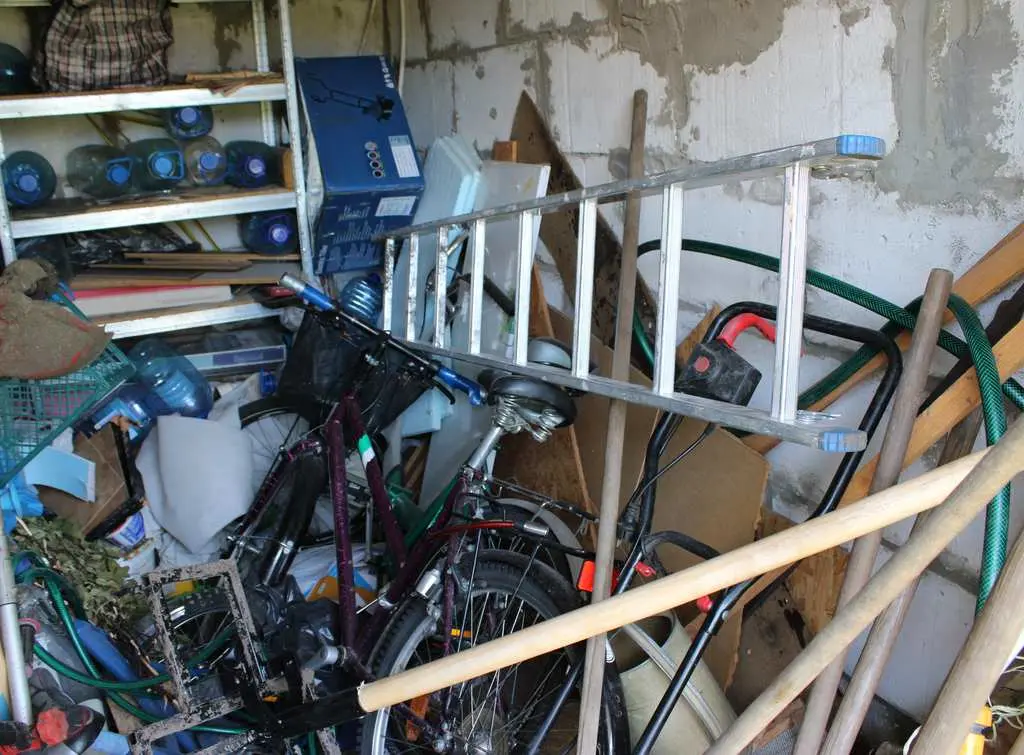
How to declutter your garage in five simple steps
Staring at an overflowing garage can feel overwhelming. Working through these steps in order keeps the job manageable:
1. Create a garage decluttering plan
A little planning at the start stops the job dragging on:
Set your objective: Decide what you want from the space. You might want better organisation so you can find things, zoned areas such as a DIY workbench, or enough room to park the car. Knowing the end result helps you decide what stays
Book the time in your diary: Choose a day or a weekend and stick to it. Check the weather forecast too, as you will probably want to lay items out on the driveway
Gather supplies: Have your boxes, bin bags, cleaning products and labels ready before you begin. If you expect a lot of rubbish, think about how you will get rid of it. Our skip hire prices guide can help you plan

How does skip hire work? All you need to know
First time hiring a skip? Then you might be wondering how skip hire works. Here’s all you need to know.
Take a quick photo of the garage before you start. It is a handy reference for planning your layout and a satisfying comparison once you are done.
2. Empty, sort and categorise
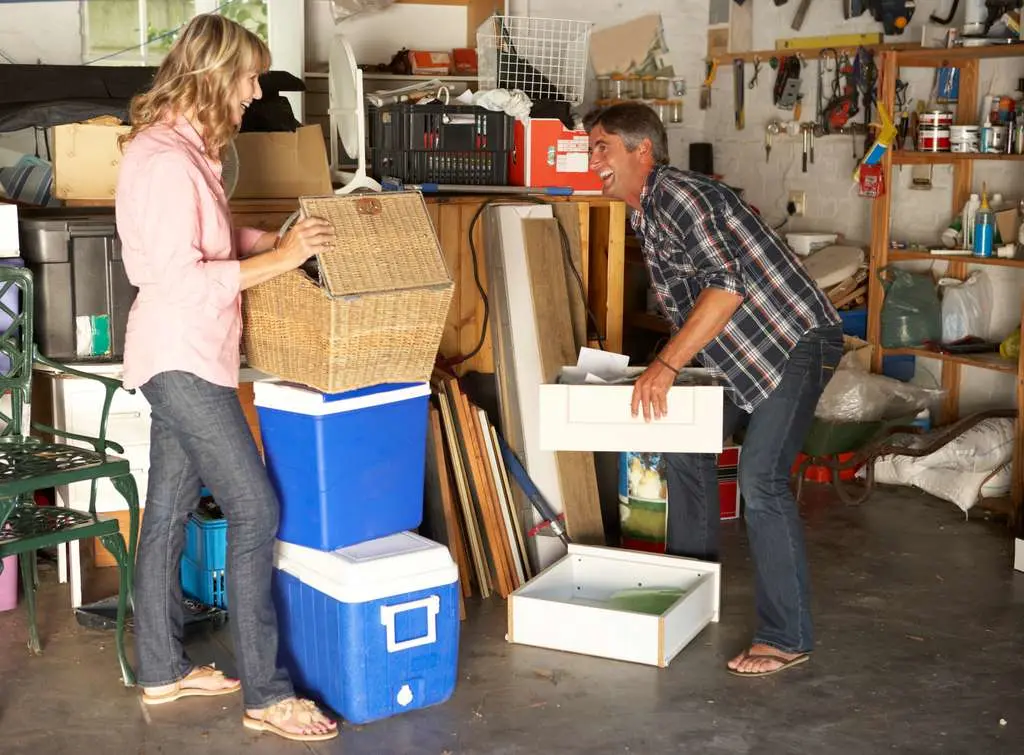
Pull everything out of the garage. It feels counterproductive at first, but it is the only way to see exactly what you own and what you can part with.
Group items into broad categories as you go. You will probably have piles for:
Tools and DIY supplies
Gardening equipment
Sports and hobby equipment
Seasonal items, such as decorations
Car care items
Then go through each category and sort it into five piles:
Keep: Things you use and have room for
Sell: Items in good condition, which you could list on a local selling page such as Facebook Marketplace
Donate: Usable items a charity shop will take
Recycle: Metal, cardboard, electricals and other items your local recycling centre accepts
Dispose of: Anything broken or past saving
Be honest about what you actually use. If you have not touched something in a year or more, it is usually a good candidate to go.
Handle paint, solvents, old chemicals and batteries separately. Do not put them in the bin or the skip. Check your council's website for how to dispose of them safely, as many recycling centres have a separate area for hazardous items.
Once you can see how much you have in each category, you will know what kind and how much garage storage you need.

Garage shelving ideas
Looking for DIY garage shelves ideas but not sure where to start? Decluttering a garage can be a hefty task and it’s a good idea to have an organisation system in place to make it easier to find and grab things that you need. More often than not, garages becoming dumping grounds so it’s a good idea
3. Clean and repair
With the garage empty, now is the ideal time to clean and check the space:
Clear away cobwebs and grime, and sweep the floor
Wipe down shelves and any windows
Fill cracks or holes in the walls
Look for signs of damp, leaks or damage that need professional repairs
Check the sockets, door and lock still work properly
It is much easier to spot problems in an empty garage than in a full one.
Make a note of anything that needs fixing so you can book the right tradesperson before you put everything back. Whether it be an electrician to fix old wiring, or a carpenter to help with garage shelving.


Need proof of work? Over 6 million reviews from real people.
Cleared out the clutter and wondering what else you could do with your garage? Here's 15 garage conversion ideas to help you picture what your space could become.
4. Plan your layout
Next, create zones for the categories you identified. Give gardening supplies one area, DIY tools another and sports or hobby gear their own space.
Think about how often you will need each category:
Items you use every week, such as bikes or the lawnmower, should sit near the door and at easy reach
Things you only need once a year, such as winter gear or decorations, can go higher up or further back
Keep heavy items low to the floor, so they are safer to lift, and keep a clear path through the garage.
If you park a car in the garage, measure it with the doors open. It helps you decide how much wall space you can use without squeezing yourself out.

5. Organise your storage
The final step is choosing storage that keeps the garage organised long term. Good storage helps you find things quickly and makes it easy to put them away.
The right choice depends on what you are storing:
Metal floor-to-ceiling shelving holds a lot, including heavier items, and adjustable shelves suit different sizes
Clear storage boxes let you see what is inside, and labels make them even easier to use
Wall racks, hooks and pegboards keep bikes, ladders and tools off the floor
Overhead ceiling-mounted racks are useful for bulky, rarely used items such as camping gear or seasonal sports equipment
Store petrol, paint, and other flammable products carefully. Keep them in their original or properly labelled containers, away from heat, sparks and the house door, and never store more fuel than the rules allow.
If you fix shelving or racks to the walls or ceiling, check the fixings suit your wall type and the weight you plan to store, and ask a professional if you are unsure. Which brings us to...

Jobs for the professionals
Decluttering is a good chance to make sure the garage is safe, secure and watertight. It would be frustrating if a leak or a faulty socket spoiled all your hard work.
Once the garage is empty, check these things before you put everything back:
Electrics: Check the sockets work and are safe, and ask an electrician if you have any doubts
Roof: Any signs of water damage should be investigated by a roofer
Garage door: If it sticks, sags or doesn't lock properly, a garage door specialist can help (our guide on how to fix a broken garage door explains what's involved)
Locks: A locksmith can make sure the garage is secure
Small repairs: Cracks, holes and general fixes suit a handyperson
Rubbish: A waste clearance company can take away what you cannot fit in a car or skip
Which tradesperson you need depends on what you find.
Hiring a waste clearance company? Check they're a licensed waste carrier to avoid being held responsible for fly-tipping. You can verify this for free on the Environment Agency's public register of waste carriers.

How much does it cost to declutter a garage?
Decluttering yourself costs little beyond storage and a way to dispose of the waste.
If you hire help, the cost depends on how much you need removed, the type of waste and how easy it is to access. But on average, rubbish removal will cost between £75 and £595 per project.
Our rubbish removal prices guide and skip hire prices guide has more on the costs involved.

How much does rubbish removal cost in 2026?
What's the average rubbish removal prices? We’ve taken a look at the cost of rubbish removal and the different methods available.
Garage clearance cost calculator
If you would like a personalised estimate for your own job, try our AI-assisted pricing tool below.
Job Estimate Calculator

How to find a checked tradesperson
When you get in touch, describe how much there is to clear, say whether access is easy and share photos if you can. You can then compare quotes before you decide.
Start browsing waste clearance companies working in your area
Enter your postcode to find a top tradesperson near you
Lsh Property Services Ltd
10.00
(2 reviews)Services & skills
HandymanEmergency Handyman ServiceShelvingFlat PacksPick N Fix Property Maintenance Ltd
10.00
(93 reviews)Services & skills
HandymanFlat PacksEmergency Handyman ServiceShelvingSuper Services
10.00
(148 reviews)Services & skills
HandymanFlat PacksShelvingEB Renovations
10.00
(93 reviews)Services & skills
HandymanFlat PacksEmergency Handyman ServiceShelvingGROWBEAUTIFULLY LIMITED
10.00
(20 reviews)Services & skills
HandymanEmergency Handyman ServiceShelvingFlat PacksSimply Maintenance Services
10.00
(31 reviews)Services & skills
HandymanEmergency Handyman Service


Why use Checkatrade to find waste clearance companies near you?
Checked - Every Checkatrade provider must pass up to 12 checks and commit to upholding the Checkatrade Standard
Reviewed - Over 6.2 million reviews have been published on Checkatrade
Guaranteed - We guarantee Checkatrade tradespeople's work, up to £1,000 - T&Cs apply
Request a quote, search in the Checkatrade app, or enter your postcode to find waste clearance companies near you. It's that simple.
Preparing for your garage declutter

Garage decluttering checklist
Use this list to keep track of the job:

For safety checks on sockets and lighting, speak to an electrician, for roof leaks call a roofer, for locks and security try a locksmith, and for small fixes or heavy lifting a handyman can help.
Decluttering your garage FAQs
A small or lightly filled garage can be decluttered in a day, while clearing out a large or packed garage may take a weekend. Planning, having supplies ready and getting a helper can speed things up.
Decluttering a garage should start with a plan. Decide what you want the space to do, then empty the garage completely so you can see what you own. Sort into categories and then into keep, sell, donate, recycle and dispose piles.
When decluttering a garage and deciding what to get rid of, start with the obvious rubbish, such as broken items, empty boxes and anything you no longer use. Taking out the easy decisions first makes the rest of the job quicker.
Don't put old paint and chemicals in the bin or a skip. Contact your local council or check its website, as many recycling centres accept paint, solvents and similar products separately.
The best way to organise a garage is to create zones for each category, use shelving for the heavier items, wall racks for bikes and tools, and clear, labelled boxes for smaller items. Keep frequently used items within easy reach.
You can store up to 30 litres of petrol without notifying the authorities, as long as it is in suitable, labelled containers and kept away from heat and ignition sources. Do not keep it in your living space. Check the current guidance on the government's Health and Safety Executive (HSE) website.
If you have a lot of heavy or bulky items, or no way to dispose of your garage waste, a waste clearance company can save time. Check they are a registered waste carrier before you book.



See the tradespeople we've checked for your job