HOW-TO GUIDES
How to fit a shower
Updated 08/26
By: Content Team
Reviewed: Alex Peters

Here we cover the process of how to fit a shower yourself: choosing a shower, tools and materials, step-by-step electric shower installation, and when the law says you need a professional.
Whether fitting a shower yourself is realistic
Which shower type suits your home and boiler
What tools and materials you'll actually need
The safe way to handle electrics and plumbing
How much professional installation typically costs
When to stop and call in a checked trade
Your old shower's on its way out and you're weighing up whether to fit the new one yourself or call in a plumber.
Plenty of confident DIYers take this job on and save a decent chunk of labour cost, but it mixes plumbing, tiling and electrics, so it pays to know exactly what you're getting into before you start drilling into your bathroom wall.
This guide walks through choosing a shower, the tools you'll need, and a step-by-step process for fitting the most common type - an electric shower - along with shorter guides for fitting a shower tray, screen, panel, cubicle and door. We'll also flag the points where the law says you need a professional, not just where it's sensible.
Want someone to get the job done for you?
Find a checked plumber near me
Is fitting a shower a realistic DIY job?
Most of the job is realistic for a confident, careful DIYer: removing an old unit, running new pipework to a like-for-like position, and fitting a straightforward electric shower are all achievable with decent tool skills.
It's the finishing touches, particularly electrics, where you need to stop and bring in a professional.
Where it gets more complicated:
Moving the shower to a new part of the bathroom - this usually means new drainage runs and may trigger building regulations
Anything involving the final electrical connection - by law, this needs to be signed off by a Part P-certified plumber or a qualified electrician
Tiling and waterproofing - get this wrong and you're looking at damp and leaks months down the line, not just a cosmetic issue
If you're not sure whether your job counts as "like-for-like," ask a plumber to take a quick look before you buy anything. It's a lot cheaper than reordering pipework halfway through.
If any of this sounds like more than you want to take on, there's no shame in handing it over. Our guide to planning your shower installation is a good next step if you'd rather scope the job properly before deciding.

Choosing your new shower
Before you can plan the installation, you need to know which type of shower you're fitting, since this changes the tools, pipework and electrics involved.
Electric shower: Heats cold water on demand using an internal element. Compact, doesn't need a hot water supply, and generally the easiest type for DIY installation.
Mixer shower: Blends water from your hot and cold supply. Needs decent water pressure from both to work well, and doesn't heat any water itself.
Power shower: Uses an internal pump to boost pressure. Best suited to homes with weak mains pressure or a gravity-fed system.
Digital/thermostatic shower: Uses electronic or thermostatic controls to hold a constant temperature. More complex to install, particularly if the unit is concealed in the wall.
Not sure which is right for your plumbing setup?
Our guide comparing a power shower vs an electric shower breaks down which works best with which boiler type, and there's more detail on the pros and cons of electric models in our electric shower benefits guide.

Depending on your project, you might need more than one trade on site - a plumber for the pipework, an electrician for the final connection, and a bathroom fitter if you're replacing tiles or the whole suite.
Tools and materials you'll need
Gather everything before you start so you're not halfway through a job with wet tools and a trip to the DIY store ahead of you.
Tools:
Drill (with a masonry bit for tiles)
Stud detector
Spirit level
Tape measure and pencil
Adjustable spanner
Sealant gun
Screwdriver
Materials:
Shower unit
15mm piping
Electrical cable and pull cord switch
RCD (residual current device)
Screws and wall plugs
Silicone sealant
Shower hose and head

How to fit an electric shower: step by step
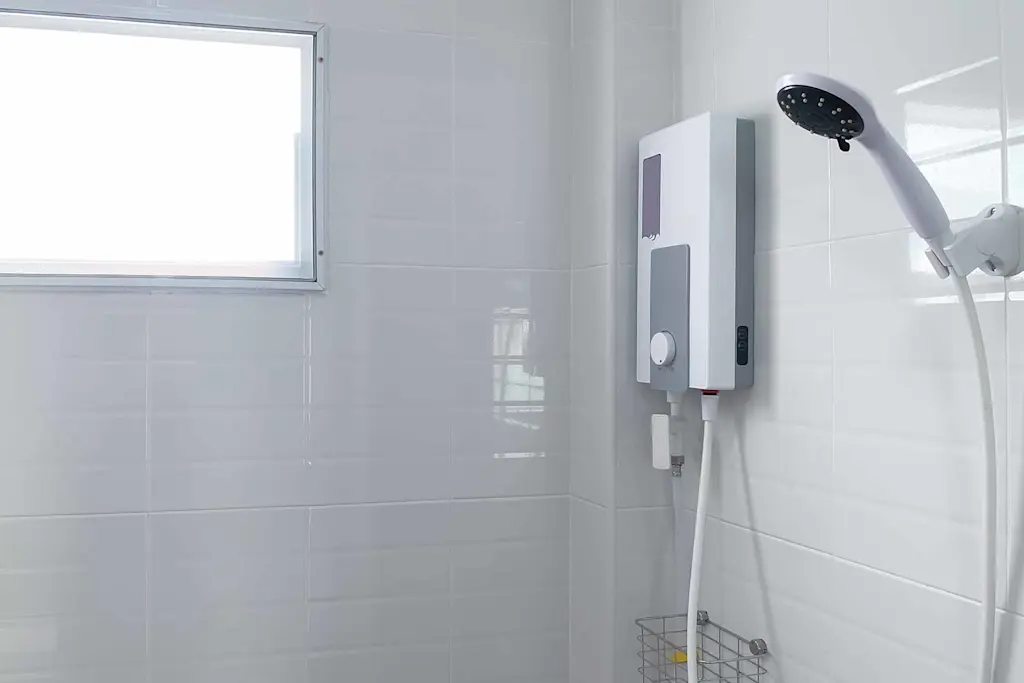
Electric showers are the most common DIY installation because they don't need a hot water supply and involve less pipework than mixer or power showers. Here's the process from start to finish.
Step 1: Choose the location
Decide where your new shower will sit - over a bath or in a cubicle are the two most common options. If you're keeping it in the same spot as your old unit, the job is considerably simpler.
Step 2: Run the pipework
Locate your cold water supply, usually near your water storage tank, and run a 15mm pipe through to the shower location. Mark the position of the unit on the wall with a pencil, and always use a stud detector to check for hidden pipes or cables before you drill.
Step 3: Handle the electrics safely
This is the step where DIY confidence needs to meet a hard limit. You can prepare the route for your electrical cable and install a pull cord switch, but the final electrical connection must be made by a Part P-certified plumber or a qualified electrician - it's a legal requirement, not just good practice.
An RCD is essential here too, since it cuts the power automatically if it detects a fault, which matters a lot in a room full of water.
If you're at all unsure during the electrical stage, stop and call a professional. Our electrician hourly rate guide gives you a steer on what the final connection will cost.
Step 4: Fit the shower unit
Mark and drill the fixing holes for your shower unit using a masonry bit. Connect it to the pipework and electrics you've already prepared, then secure it to the wall with wall plugs and screws. A dab of sealant around the plugs helps keep them watertight over time.
Step 5: Finish and test
Attach the unit cover and shower hose, then test the connections thoroughly before you consider the job done. Run the water for a few minutes and check every joint for drips, not just the obvious ones.
Still not sure you could pull it off?
Why not speak to a plumber to get a better idea of the costs and time you could save?
Find a checked plumber near me
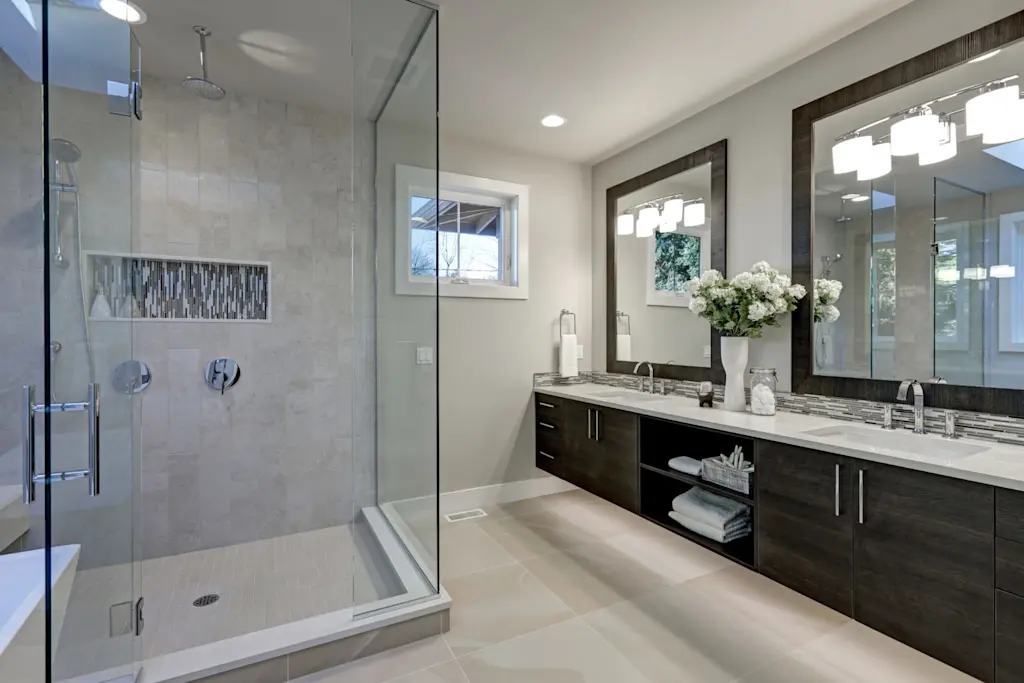
How to fit a shower tray
If your installation includes a new tray, this goes in before any tiling.
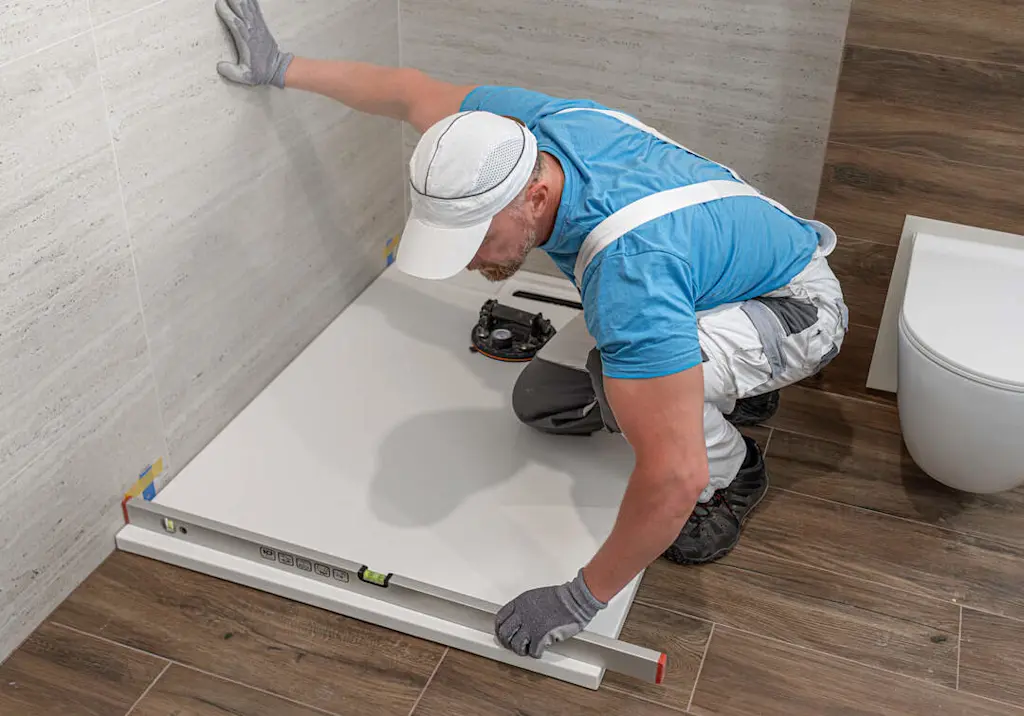
Draw around the tray to mark its position, cut a hole for the waste, and use diluted PVA glue to prepare the base before bedding the tray on a mortar mix (roughly four parts sand to one part cement). Check it's level before the mortar sets, then seal the perimeter with silicone once it's fully dry.
For the full step-by-step, including how to handle awkward waste pipe positions, see our dedicated guide on how to fit a shower tray.

How much does a walk-in shower installation cost in 2026? UK price guide
Revamp an old, tired bathroom with our guide on the cost of walk-in shower installation. Transform your space with practical tips, pricing and benefits.
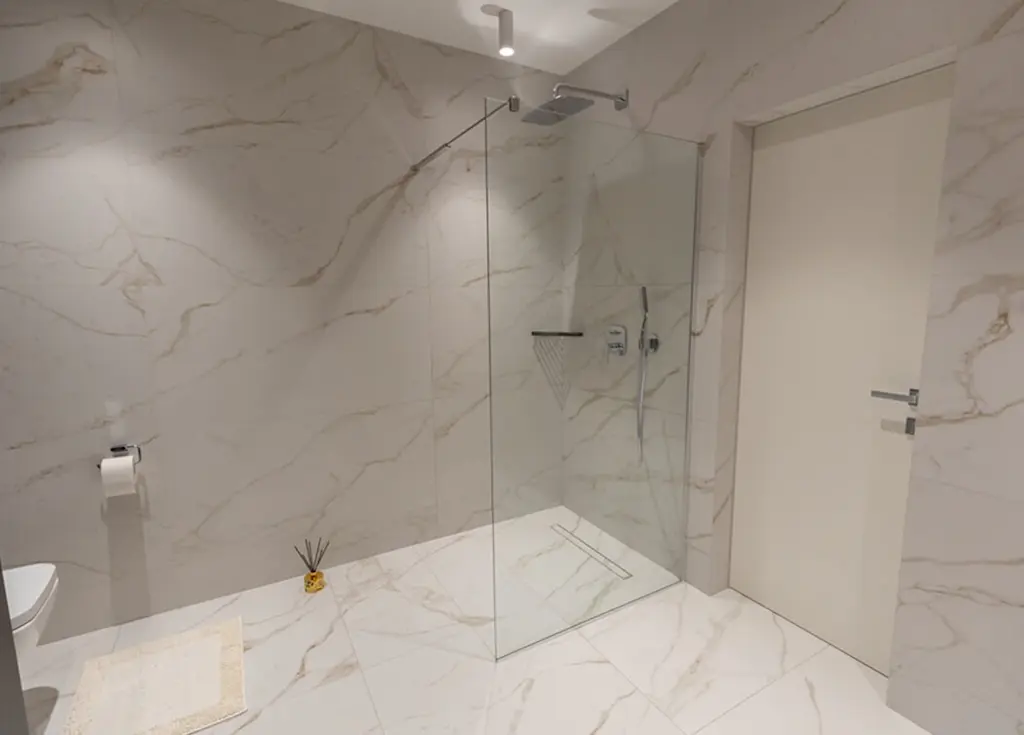
How to fit a shower screen, panel, cubicle or door
Once the shower itself is plumbed in, you'll usually need an enclosure of some kind. The right option depends on your bathroom layout and budget.
Shower screens
Line up the wall channel where you want the screen to sit, mark and drill the fixing holes (checking for pipes and cables first), then attach the channel and screen. Finish with a seal underneath and a line of sealant along the channel edge.
Shower panels
Panels are a faster, grout-free alternative to tiling. Measure carefully, cut panels to size with a saw (wearing safety goggles), sand the cut edges, then fix them using a combination of sealant and foam tape, working in from the corner trim.
Shower cubicles
A full cubicle involves fitting the tray first, then the shower channels, side panel and door. Use a spirit level throughout, and only apply sealant to the outer edges of the enclosure - never the inner edges, or you'll trap water instead of directing it away.
Shower doors
Trim the base track to size, fit the pivot bracket and channel, then hang the door from the pivot clamps. A spirit level is essential here too, since a door that isn't plumb won't seal properly against the frame.
Weighing up panels against tiles for your walls? Our comparison guide on shower panels vs tiles covers cost, maintenance and durability for both.

We check the reviews on Checkatrade are from real people, and that trades meet our high standards.
How much does it cost to fit a shower?
If you're weighing up DIY against hiring a plumber, it helps to know what professional installation typically costs.
Rather than repeat figures that go out of date quickly, our shower installation cost guide is kept updated with current prices for every shower type, plus the cost of replacing individual components like the tray, pump or enclosure.
Converting a bath into a shower instead of a straight swap? That's a bigger job with its own cost considerations - see our bath to shower conversion cost guide for a full breakdown.
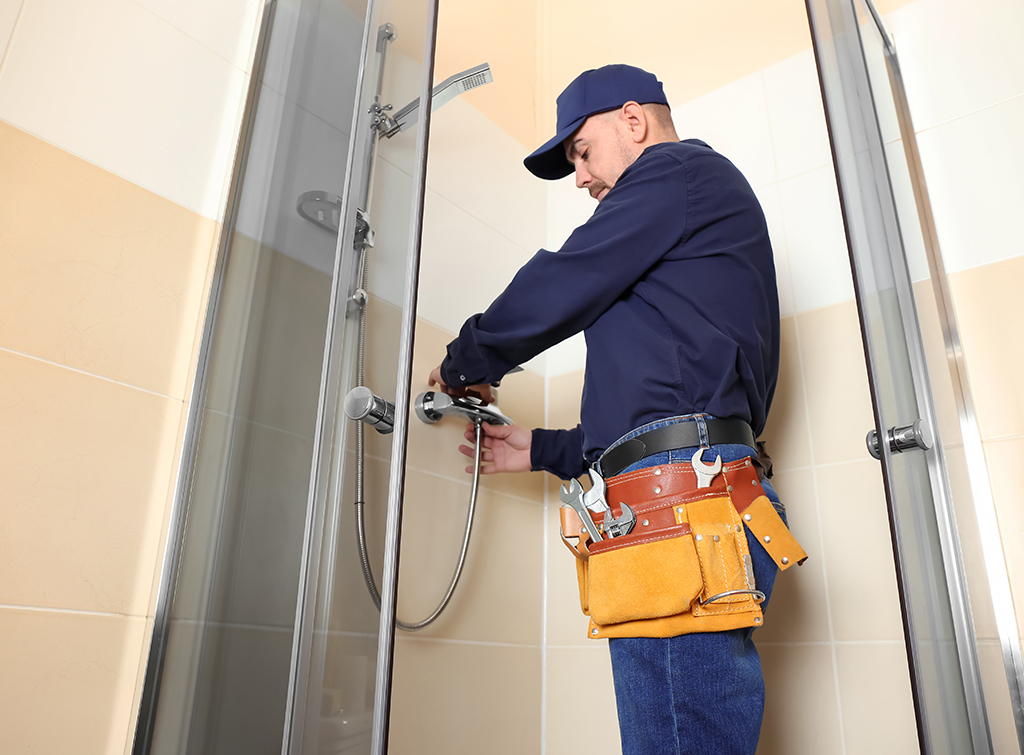
Shower installation: Cost breakdown 2026
Having trouble with your shower? We've put together this guide on the cost of installing a replacement shower unit (including the pump, pipework and shower head) to help you manage your budget for the project.
Shower installation cost calculator
Before you go further with tiling and finishing touches, it's worth knowing what professional installation would cost for comparison - sometimes the labour saving is smaller than you'd think once you've bought all the tools and materials.
Job Estimate Calculator

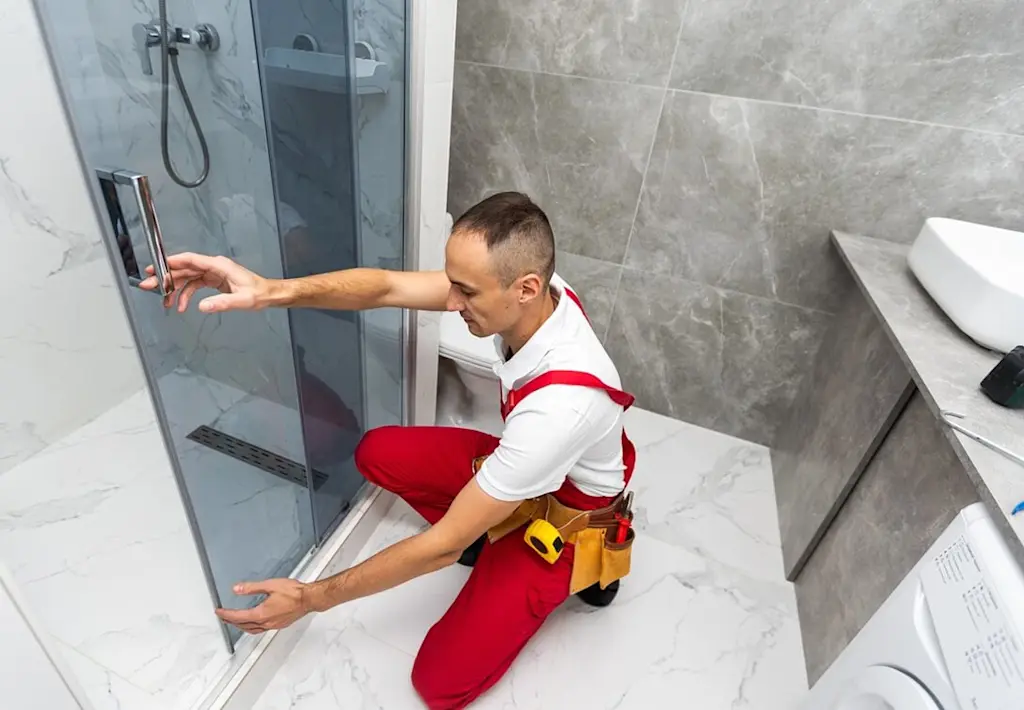
Do you need building regulations approval?
For most straightforward, like-for-like shower replacements, no - you can go ahead without any sign-off. But there are situations where building regulations do apply:
Moving the shower to a different part of the bathroom (or a different room)
Extending or altering waste pipe runs and drainage
Removing or altering walls to create space
If any of these apply to your project, check with a professional before you start.
Our full planning guide to shower installation covers space requirements, building regs, and what to expect from the process in more detail.
Planning for your shower installation: The complete guide
We outline everything you need to know about shower installation, from design decisions to practical considerations; information on the relevant rules and regs, and what to expect along the way.
Feel like you're in over your head?
There's no shame in calling in a professional partway through, or before you even pick up a drill. Hiring a tradesperson means you can watch, learn, and still end up with a shower that's fitted correctly and safely.
For most shower installations, a plumber is all you need
For an electric shower, you'll need a Part P-certified plumber or a qualified electrician
If you're replacing tiles, panels or the wider bathroom suite, a bathroom fitter may be worth bringing in too
Every job booked through a Checkatrade checked trade is backed by the Checkatrade guarantee, so you've got protection if something doesn't go to plan.
Browse local shower installers
Enter your postcode to find a top tradesperson near you
PlumbingHQ
10.00
(2 reviews)Services & skills
PlumberShower InstallationPlumbing RepairsTap RepairBathroom & Kitchen PlumbingAj Plumbing And Property Service Ltd
10.00
(10 reviews)Services & skills
PlumberShower InstallationGeneral PlumbingWater Pumps RepairRadiator InstallationMJ Plumbing and Heating
10.00
(40 reviews)Services & skills
PlumberShower InstallationRadiator Thermostat Valve RepairWater Leak DetectionEmergency Plumber ServiceFlow Plus Plumbing
10.00
(6 reviews)Services & skills
PlumberShower InstallationPlumbing RepairsBlocked ToiletsShower RepairPrestedge Plumbing Services Ltd
10.00
(65 reviews)Services & skills
PlumberShower InstallationWater Mains Specialist (Pipe Replacement, Moling and Lead Pipes)Blocked ToiletsWater Pumps InstallationAZ Plumbing Contractors Ltd
10.00
(251 reviews)Services & skills
PlumberShower InstallationBathroom & Kitchen PlumbingRadiator Thermostat Valve RepairPower Flushing


On Checkatrade, you'll only find trades who meet our high standards and pass up to 12 checks.
Troubleshooting after installation
Even a carefully fitted shower can develop issues once it's in regular use. A couple of common ones worth knowing about:
Shower not heating properly or cutting out: This is usually an electrical or element fault rather than a plumbing one. Our guide to electric shower not working walks through the likely causes.
Water escaping the enclosure: Often down to sealant that hasn't cured properly, a screen seal that's perished, or a tray that wasn't quite level. See our guide on how to fix a shower leak for a proper diagnosis process.
Weak water pressure: If your new shower feels underpowered, it might be worth looking at a shower pump installation rather than replacing the unit again.
If your shower screen starts letting water through at the edges, check the seal before you assume it's a bigger problem. Our guide on how to seal a shower screen covers the fix in a few simple steps.
FAQs
You can carry out most of the preparation work yourself - running pipework, drilling fixing holes, and mounting the unit. But the final electrical connection for any shower wired into your home's electrics must be completed by a Part P-certified plumber or a qualified electrician. This is a legal requirement, not just a recommendation.
A straightforward, like-for-like electric shower replacement typically takes two to four hours. A full installation involving new pipework, a tray, tiling or a new enclosure can take anywhere from two to five days, depending on the scope of the job.
Electric showers are generally the most affordable and quickest to fit, provided the existing plumbing and wiring are already in place. Mixer and power showers need both hot and cold supplies and tend to involve more pipework.
No, planning permission usually isn't required. Building regulations can apply, though, if you're moving the shower's location, altering drainage, or removing walls - a straightforward replacement typically doesn't trigger this.
Yes, this is one of the most common shower installations. You'll need a shower screen or curtain rail to contain the spray, and it's worth checking your bath's surface is suitable for a screen fixing before you commit.
Turn off the water supply (and the electricity, for electric showers) immediately. Check all connections, washers and sealant for the source before assuming it's a bigger fault. If the leak continues, get a plumber to assess it rather than risk water damage to the floor below.
Before. The tray needs to be level and secure first, since the wall tiles or panels should sit on top of it for a properly watertight finish.
DIY saves you the labour cost, but you'll need to factor in tools you don't already own, plus the cost of a professional for the electrical connection regardless. Our shower installation cost guide has current pricing so you can compare against your own DIY budget.
See the tradespeople we've checked for your job