EXPERT ADVICE
Bathroom building regulations: what you need to know
Updated 07/26

By: Laura Macdonald
Reviewed: Alex Peters

Renovating a bathroom is exciting. Whether you're replacing an old suite, installing a walk-in shower or creating a brand-new bathroom, it's easy to focus on the finished look.
Then someone mentions building regulations. Suddenly, what felt like a straightforward project can seem much more complicated.
The good news is that not every bathroom renovation needs building regulations approval.
However, there are important rules designed to keep your home safe and ensure the work meets the required standards. For example:
Moving drainage
Carrying out electrical work
Improving ventilation
Making structural changes
This guide explains when bathroom building regulations apply, what they cover, and how to make sure your project stays compliant from the outset.
Which bathroom projects usually require building regulations
What the building regulations for bathrooms cover
Bathroom extractor fan and ventilation requirements
Bathroom layout, drainage and electrical considerations
How to stay compliant throughout your renovation
Why do bathroom building regulations matter?
Most homeowners aren't interested in reading pages and pages of legislation; they simply want to know they're doing things properly.
That's where building regulations come in. They exist to make sure work is safe, practical and fit for purpose.
In a bathroom, that means reducing risks associated with electricity, water, drainage, ventilation and structural alterations.
Getting things right from the start can also help you avoid expensive remedial work later and may make life easier if you come to sell your home.
If your project involves more than replacing existing fittings like-for-like, it's worth checking whether building regulations apply before work begins. A quick conversation with your installer or local Building Control team can prevent delays later on.
Why it's worth getting it right
Building regulations aren't just paperwork. They help make sure your bathroom is safe, works as it should, and won't create problems later on.
Getting it wrong could lead to:
Safety risks: Poor electrical work, inadequate ventilation or incorrect plumbing can create hazards or increase the risk of damp and mould
Costly remedial work: If work doesn't comply with the relevant building regulations, you may need to make changes later to bring it up to standard
Delays when selling your home: If building regulations approval or completion certificates should have been obtained but weren't, buyers or mortgage lenders may raise questions during the conveyancing process
Potential enforcement action: Some types of building work must comply with the building regulations. Carrying out work without the appropriate approval where it's required can lead to enforcement action by your local authority

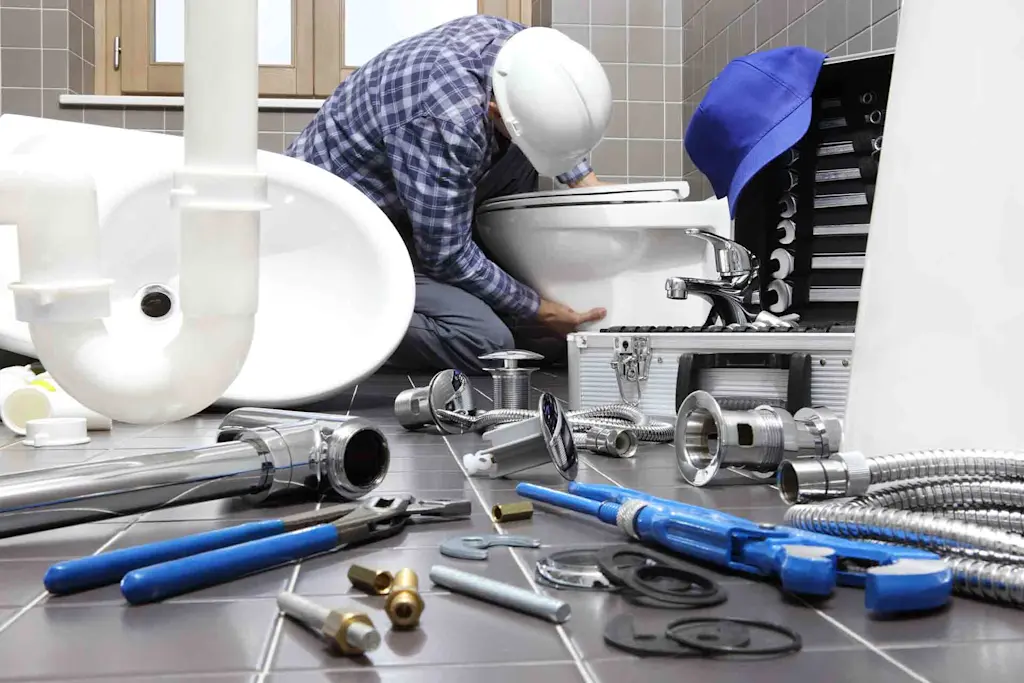
Do bathroom building regulations apply to your project?
One of the biggest misconceptions is that every bathroom renovation needs building regulations approval. In reality, it depends on the type of work you're carrying out.
Building regulations are usually required if you're:
Adding a new bathroom where there wasn't one before
Converting an existing room into a bathroom
Moving or installing new drainage and waste pipework
Carrying out structural alterations
Installing a new electrical circuit or electric shower
Completing work that requires new ventilation to meet current standards

Building regulations aren't usually required if you're:
Replacing a bath, basin or toilet in the same location
Updating tiles, flooring or decoration
Fitting new bathroom furniture without altering plumbing or electrics
Replacing taps or sanitaryware like-for-like
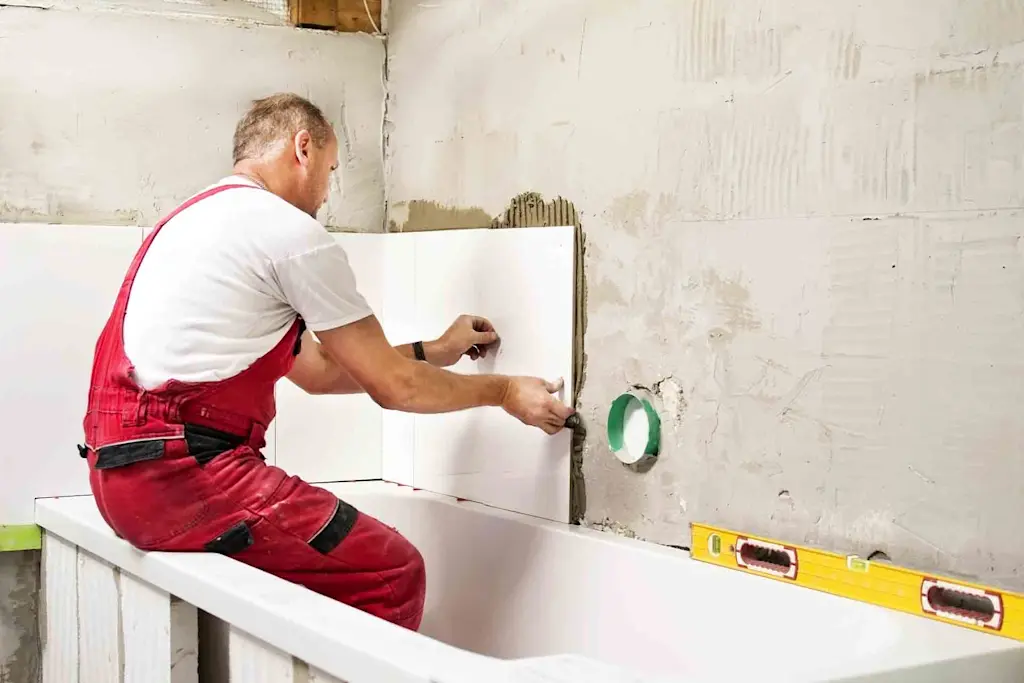
It depends if you're:
Changing the bathroom layout
Replacing windows
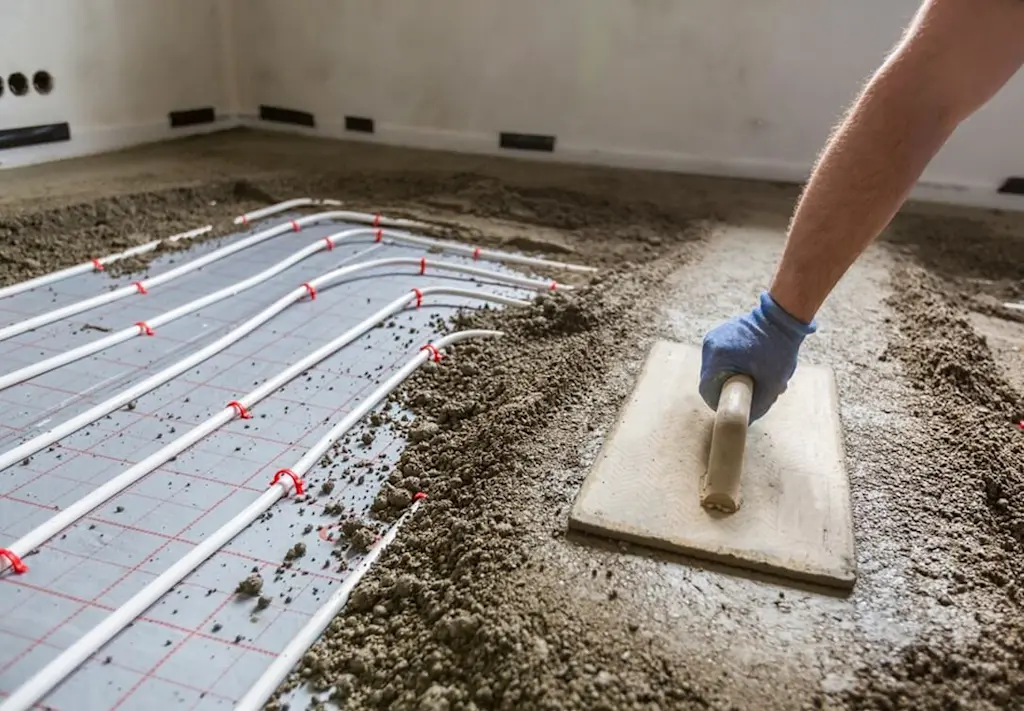
Installing underfloor heating
Altering existing plumbing
Renovating as part of a larger extension or home improvement project
Every renovation is different. If you're unsure whether your bathroom project falls under the building regulations, an experienced bathroom installer or your local Building Control team will be able to advise before work gets underway.

What's the difference between building regulations and planning permission?
Understand the difference between planning permission and building regulations, when you might need one or both, typical costs, and how to avoid common renovation mistakes.
What do bathroom building regulations cover?
Once you've established that building regulations apply to your project, the next step is understanding what they actually cover.
In practice, the rules focus on making sure your bathroom is safe, hygienic and performs properly for years to come.
Depending on the work you're carrying out, that could include everything from ventilation and drainage to electrics and structural alterations.
Let's look at the main areas in a little more detail.
Bathroom layout and planning
Homeowners often ask whether building regulations dictate exactly where a toilet, basin or shower can go.
The answer is no. There aren't fixed rules for bathroom layouts. However, your design still needs to allow the various building regulations to be met.
For example, your installer will need to consider:
Adequate access and safe use
Drainage routes and waste pipe falls
Ventilation
Electrical safety zones
Structural support where sanitaryware is wall mounted
A layout that looks good on paper may not always be the simplest (or most cost-effective) to install. That's why it's worth discussing different options with your bathroom fitter before finalising the design.
Moving a toilet even a short distance can have a much bigger impact on drainage than moving a basin or shower. If you're hoping to change the layout, ask your installer what's practical before choosing your final design.

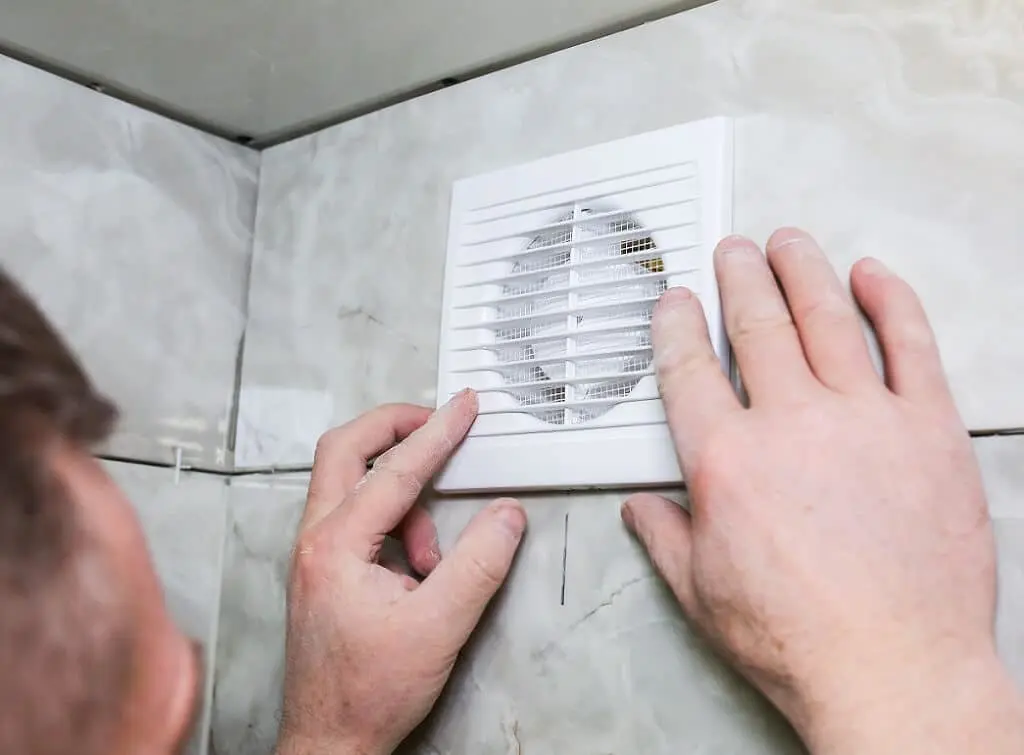
Bathroom extractor fan building regulations
Ventilation is one of the areas homeowners are most likely to overlook when renovating a bathroom.
Bathrooms naturally generate a lot of moisture, so without effective ventilation, condensation can build up and increase the risk of damp, mould and damage to walls and finishes over time.
Where ventilation is required under Approved Document F, an extractor fan should be capable of removing moisture effectively from the room.
If you're installing a new bathroom, converting an existing room into a bathroom, or carrying out significant alterations, suitable ventilation may form part of the building regulations requirements.
If you're already opening up walls or ceilings during your renovation, consider upgrading the extractor fan at the same time. It's usually much easier, and often more cost-effective, than improving ventilation once the bathroom is finished.
Drainage requirements
Good drainage is essential to any bathroom renovation.
Waste pipes need to be correctly sized, properly supported and installed with suitable gradients so wastewater flows away efficiently.
Poor drainage can lead to:
Slow-draining fixtures
Blockages
Bad smells
Leaks
Future maintenance issues
This is one of the reasons relocating a toilet is often more involved than homeowners first expect. Even relatively small changes can affect how the drainage system performs.
If your renovation involves altering existing drainage, building regulations are likely to apply.
Electrical safety
Bathrooms have special electrical safety requirements because of the combination of electricity and water.
Electrical fittings, such as lights and extractor fans, must be suitable for the part of the bathroom they're installed in. That's why you'll often hear installers talk about IP ratings, which indicate how well a fitting is protected against water.
Your electrician will choose fittings with the appropriate IP rating for each bathroom zone and ensure any new electrical work complies with Part P of the building regulations.
Never assume standard light fittings are suitable for a bathroom. An experienced electrician will select products that are designed for the level of moisture they'll be exposed to.

Heating
Heating isn't just about comfort; it also helps control condensation and moisture.
Whether you're installing a heated towel rail, electric underfloor heating or extending your central heating system, the installation should comply with the relevant building regulations.
Your installer will be able to advise on the most suitable heating solution for your bathroom's size and layout.

Does bathroom tanking come under building regulations?
Homeowners often ask whether bathroom tanking is a building regulations requirement.
The regulations don't generally state that wet areas must be tanked. Instead, they require the completed installation to adequately resist moisture and protect the building from water damage.
In practice, tanking systems are widely recognised as best practice in areas exposed to regular water, particularly:
Using a suitable waterproofing system before tiling can help prevent leaks and costly repairs in the future.

On Checkatrade, you'll only find trades who meet our high standards and pass up to 12 checks.
How do you make sure your bathroom renovation complies?
If the regulations sound a little overwhelming, don't worry. The easiest way to stay compliant is to involve the right people from the beginning.
A reputable bathroom installer will understand:
Which parts of your renovation fall under the building regulations
Whether Building Control approval is needed
Depending on the project, they may also work alongside qualified electricians, plumbers and Building Control officers to ensure everything meets the required standards.
Ask your installer early on whether your project requires building regulations approval or notification. It's much easier to plan for this at the start than once work is underway.
Building regulations certificates
If your bathroom project required building regulations approval, you'll normally receive a completion certificate once the relevant work has been inspected and signed off. Depending on how the project was managed, this may be issued by your local authority Building Control team or the Registered Building Control Approver overseeing the work. Keep this certificate somewhere safe.
It confirms that the work met the applicable building regulations at the time it was completed and can be useful if you sell your home in the future, as buyers or their solicitor may ask to see it.
If you can't find your completion certificate later on, don't panic. In many cases, you can request a copy from the Building Control body that signed off the work.
Thinking about hiring a professional?
Bathroom renovations often involve several different trades working together, from plumbers and electricians to tilers and plasterers.
Choosing experienced tradespeople helps ensure the work is completed safely, complies with current regulations and runs as smoothly as possible from start to finish.

Find trusted bathroom installers near you
Whether you're replacing an existing bathroom or creating a completely new one, understanding the building regulations is only part of the process.
Through Checkatrade, you can compare local tradespeople who are:
Checked – Passing up to 12 verification checks and committed to upholding the Checkatrade Standard
Reviewed – Verified reviews about real jobs on everything from communication, tidiness, timekeeping, and quality of work
Guaranteed – Work booked through Checkatrade is covered by our £1,000 guarantee (T&Cs apply)
When you’re ready to move forward, search your postcode to compare checked bathroom fitters working in your area and request quotes with confidence.
Find experienced bathroom fitters near you
FAQs
What is the 10 year rule in building regulations in the UK?
The 10-year rule is often misunderstood. It doesn't automatically mean building regulations no longer apply after 10 years. It relates to certain enforcement powers, but work should still comply with the building regulations in force at the time it was carried out.
What are the building regulations for toilets in the UK?
Building regulations cover aspects such as drainage, ventilation, structural work and electrical safety where relevant. Simply replacing a toilet like-for-like usually doesn't require building regulations approval, but relocating it or installing a new WC often does.
How do I get a copy of my building regulations certificate in the UK?
If building regulations approval was required, you can usually request copies of completion certificates from your local authority Building Control department. If the work was carried out through an Approved Inspector or Registered Building Control Approver, they'll normally be able to provide copies as well.
Do I need building regulations to replace my bathroom?
You don't normally need building regulations if you're replacing existing fittings without altering drainage, electrics or the layout. However, more substantial renovations may need to comply with building regulations.
Does every bathroom need an extractor fan?
Bathrooms don't always need an extractor fan, but they must have adequate ventilation. In many modern renovations, an extractor fan is the simplest and most effective way of meeting ventilation requirements and reducing condensation.
Can I move a toilet without building regulations approval?
It depends. Moving a toilet often involves altering drainage, which may bring the work within the scope of the building regulations.
Does a bathroom window replace the need for an extractor fan?
Not necessarily. Depending on the design of the bathroom and the work being carried out, an extractor fan may still be the most appropriate way of providing adequate ventilation.



See the tradespeople we've checked for your job