HOW-TO GUIDES
How to remove a shower drain cover
Updated 06/26
By: Alex Peters

Shower drain cover removal can be difficult but not impossible. From the different designs to the best removal techniques, we have covered everything you need to know.
Why do you need to remove a shower drain cover?
What are the different types and materials?
What are the simple steps?
How do you remove a stopper that has got stuck?
What are things to avoid with a drain cover?
What could it cost to get the job done?
Shower drain covers are used to prevent hair and other debris from clogging up your bathroom's drainage system.
Without a cover installed, hair and soap residue can build up inside the drain and cause several drainage issues.
Why is shower drain cover removal needed?
Knowing how to remove the shower drain cover can give you better access to the actual drain below.
Finding and removing clumps of hair in the pipes is then easier when there is not a cover in the way.
Shower drain covers are often made from the following materials:
Plastic
Metal
Stainless steel
Chrome
The removal method needed will be determined by the type of shower drain cover you have installed.
Why won't my shower drain cover come off?
If your drain cover won’t come off, one of the usual reasons is simply because there is a screw holding it in place. The screw's location can vary between the different types of drain cover.
A buildup of debris around the drain opening can also make removing the cover difficult. Collected soap residue and clumps of hair can also lodge the cover in position.
Need a hand? Why not book a plumber to help you out?
Find a plumber near me
What are the types of shower drain cover?
Some drain covers are fitted with a screw and others are snapped into place or secured with silicone edging.
Check which type you have before attempting a DIY shower drain cover removal.
Something to consider is that the different types of cover will require different approaches.
Not all removal is possible by yourself, and you may end up damaging the drainage unit itself, leading to a need for drain repair.
Pop-up drain cover
A pop-up shower drain cover is secured into place using either a screw or hook and lever connection.
These drain covers open and close when they are pressed
Access to the pipe below is limited with a pop-up stopper in place
They cover the majority of the drain's entrance
It is also not uncommon for hair to get tangled around this type of drain cover.
Screw-in shower drain cover
This style of drain cover is placed over the shower drain opening and held in place with a screw (or screws).
A screw-in shower cover has a similar appearance to a strainer and is used to minimise the amount of hair flowing down into the pipes.
Screw-in drain covers are available in various sizes but often don’t do a good job of hiding the inside of the shower drain.
Rule 101 of pest prevention is to install covers or grates over all drains, including shower drains. If your existing drain cover fitting has seen better days, investing in a new one is wise.
Linear drain cover
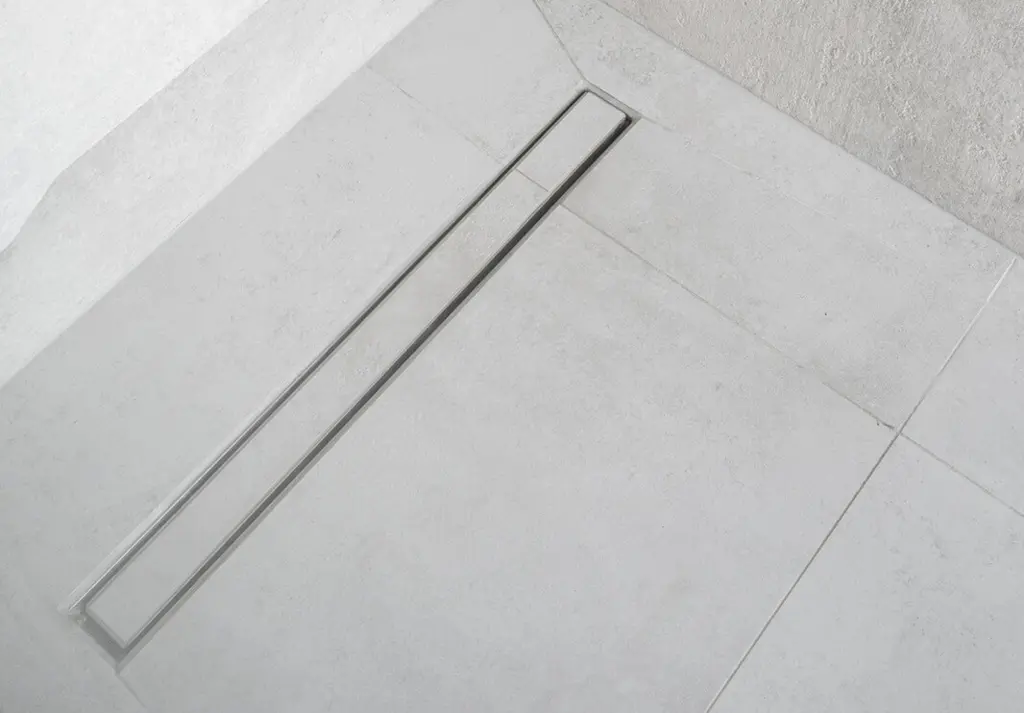
Linear drains are often installed in large showers, walk-in showers and wet rooms. This type of drainage system is typically covered by a long rectangular piece of plastic or stainless steel.
These large shower drain covers are built with multiple slits and grates to provide effective drainage.
Tile drain cover
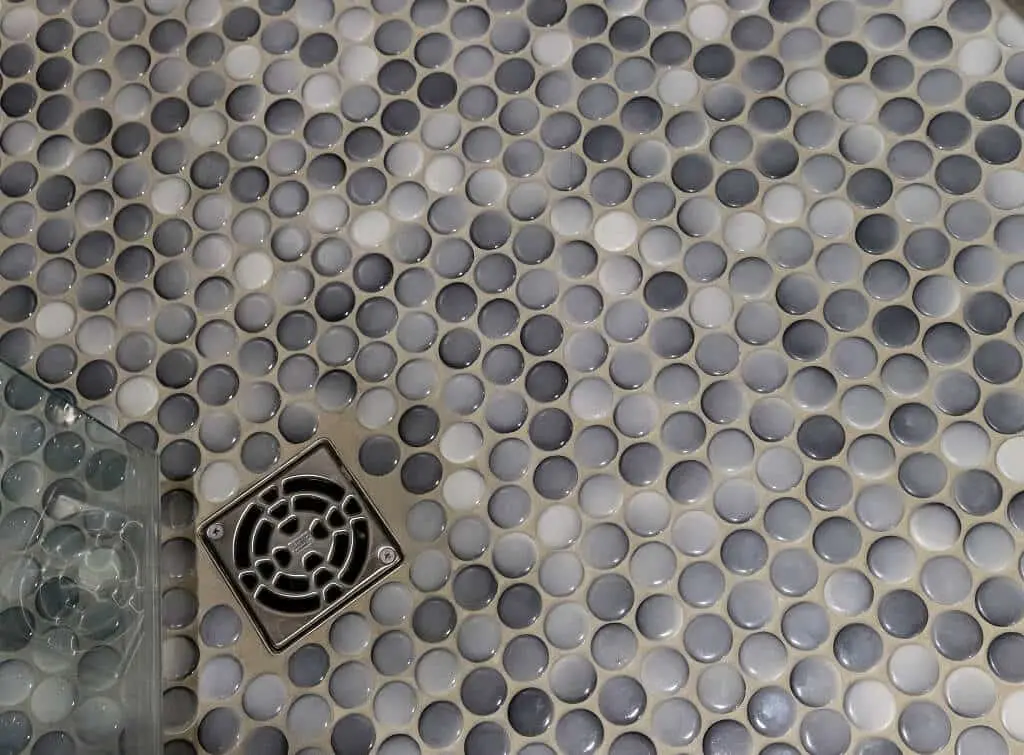
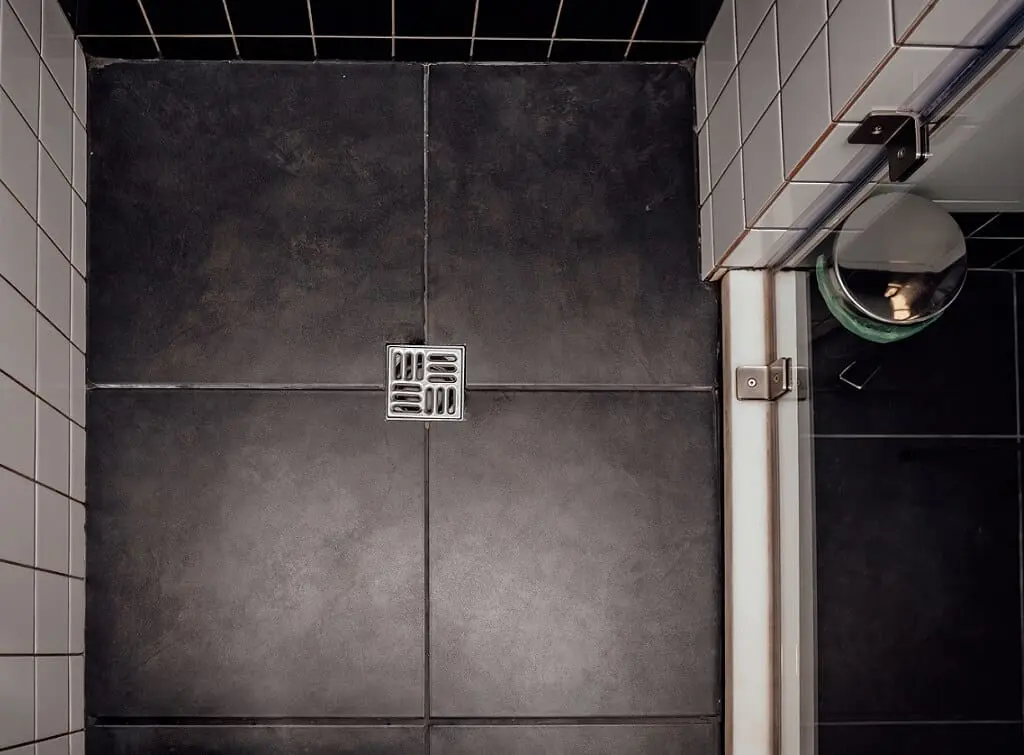
Tile drain covers are designed to blend with the shower base.
This type of shower drain cover is installed into a stainless steel frame
The bathroom tile is fitted over the top
These covers are popular for homeowners wanting to create a sleek and minimalist bathroom aesthetic.

Shower drain cover removal: step-by-step process
Removing a shower drain cover can sometimes be fairly straightforward.
Pop-up covers
A pop-up cover can be removed by simply pushing it all the way down and allowing it to then 'pop' back up
A screw may need to be removed first, depending on the design
Some pop-up covers are designed to be twisted off, instead of 'popped' up. Tools shouldn't be needed to remove this type of shower drain cover.
Screw-in covers
Taking a screw-in cover out of the shower drain is as simple as it sounds
Locate the screw and use the correct type of screwdriver to remove it
Once the screws have been removed you will be able to lift the cover out of the drain. The screw is sometimes hidden beneath a piece of metal or plastic on the top of the cover.
This will need to be carefully removed before you can unscrew the cover from the drain.
When something goes wrong with your plumbing, the impact can be costly - from small things like drainage and water damage to heating failures. Knowing what to check before you hire a plumber can help you avoid problems later.
Getting familiar with all types of drain cover
Removing a silicone sealed shower cover can also be a simple task
As long as the cover is not wedged in place by soap scum and hair strands, you should be able to simply lift the cover out by hand
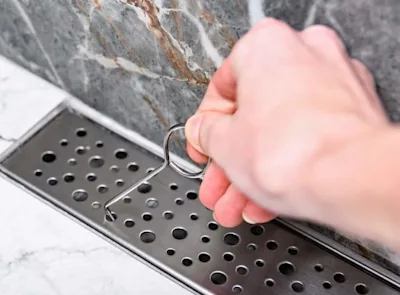
Linear drain cover removal involves more, however, such as unscrewing the grate and carefully lifting it out.
The drain may also have come with a suction tool and this can be used to easily take the cover off
Tile insert drain covers are designed to seamlessly blend with the shower floor.
Despite their sleek appearance, there will be a small gap between the cover and the surrounding surface
Insert a flat-head screwdriver into the gap and apply gentle upward pressure to prise the drain cover off
Not sure where to begin? Why not call in a skilled tradesperson to get the job done for you?
Find drain clearance near me
Find drain clearance professionals on Checkatrade. Compare quotes, read reviews & book with confidence.
How do you remove a stuck shower drain stopper?
Occasionally shower drain covers can get stuck in place. When this happens, you will need to carefully try a different removal approach.
Tools you will need to remove a stuck shower drain
Lubricant
Flat-head screwdriver
Pliers
Try the following removal methods if inserting a screwdriver into one of the holes in the top of the cover and gently prising it out hasn’t worked:
Add lubricant
Applying a lubricant around the edge of the cover can help to separate the plastic or metal away from any buildup of debris.
Try to gently prise the cover up once you’ve applied the lubricant around the edges.
Use a flat head screwdriver
Insert a flat-head screwdriver between the drain cover and the shower floor if trying to prise it up from the centre hasn’t worked.
Take care not to damage the surrounding tiles or injure yourself.
Use pliers
Multiple tools may be needed to remove a shower drain cover that won’t come out.
Place the flat-head screwdriver between the cover and the shower floor and connect the pliers to any of the grates in the centre. Gently push up with the screwdriver and pull with the pliers.
Make sure not to use too much force.

Whether it's an emergency plumber, electrician, Gas Safe engineer, or glazier, all our tradespeople are checked and reviewed so you can be sure of a job done right.
Things to avoid when removing a drain cover
Removing the shower drain cover is an effective way to remove hair and clean the top of the drain. A stuck drain cover can be frustrating, especially if you are experiencing slow draining or standing water after you take a shower.
While DIY shower drain cover removal is possible, we recommend only attempting the task if you have the right tools and knowledge.
Avoid the following when trying to remove the cover from a shower drain:
Brute force - Using too much force can damage the tiles, or the screwdriver could slip and cause an injury
Sharp objects - Only pliers and a screwdriver should be used, and not sharp objects
Failing to remove screws - If your cover feels stuck, it may actually just be secured in place by a hidden screw
Ignoring hair and debris buildup - Always remove as much debris as you can from around the cover before trying to remove it
It is essential to use the correct removal method for your type of shower drain cover. Trying to forcefully pull the plastic or metal cover away can lead to expensive drain and tiling damage.
We recommend contacting a professional if you have tried everything and the shower drain cover still won’t budge.

Who do I call for a blocked drain?
Wondering who you should call for a blocked drain? We have the answers.
When to think about hiring a plumber
A professional plumber can remove a stuck shower cover.
A plumber will have the tools and skills needed to safely take the cover out of the drain without causing any damage.
Look for plumbers near you
Enter your postcode to find a top tradesperson near you
Flowtech Plumbers
10.00
(28 reviews)Services & skills
PlumberGeneral PlumbingBlocked ToiletsPlumbing RepairsWater Mains Specialist (Pipe Replacement, Moling and Lead Pipes)PlumbingHQ
10.00
(2 reviews)Services & skills
PlumberGeneral PlumbingShower InstallationWater Supply Pipe RepairsEmergency Plumber ServiceNA Plumbing & Heating
10.00
(178 reviews)Services & skills
PlumberGeneral PlumbingWater Mains Specialist (Pipe Replacement, Moling and Lead Pipes)Blocked SinksBlocked ToiletsMJ Plumbing and Heating
10.00
(40 reviews)Services & skills
PlumberGeneral PlumbingUnderfloor Heating InstallationShower InstallationPlumbing RepairsAj Plumbing And Property Service Ltd
10.00
(10 reviews)Services & skills
PlumberGeneral PlumbingRadiator InstallationWater Pumps InstallationWater Pumps RepairFlow Plus Plumbing
10.00
(6 reviews)Services & skills
PlumberGeneral PlumbingBlocked SinksRadiator RepairBlocked Toilets


What could a plumber or drain clearance cost?
Removing a shower drain cover can make cleaning inside the drain an easier task. That being said, collections of debris like soap and hair can occasionally cause a blockage further down in the drainage system.
You may need to hire a professional if your shower isn't draining after you've removed the cover and tried to unblock it yourself.
A plumber can remove the shower drain cover and find the source of the blockage for you
Qualified plumbers in the UK charge an average hourly rate of £50
The average day rate is £350
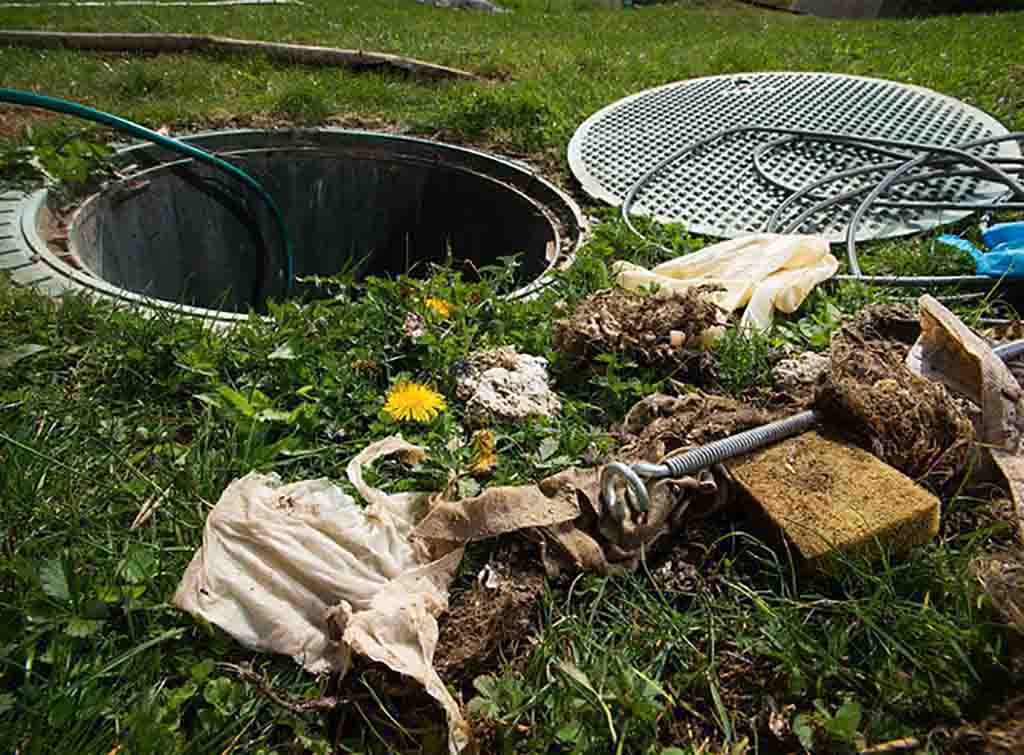
Blockages further down in the drainage system will need to be removed by a drain clearance company. These professionals use different equipment to plumbers and are able to get water flowing freely again through badly clogged up drains.
Drain clearance services charge an average hourly rate of £31.25–£37.50.
Drain unblocking: Cost breakdown 2026
In this drain unblocking cost guide, we outline the typical cost of unblocking a drain - including drain jetting, rodding and lining prices.
Key takeaways
The majority of shower drain covers can be removed either by hand or using a flat-head screwdriver
Pop-up, screw-in and linear drain covers have varying removal methods
A plumber can remove a stuck shower drain cover and the average hourly rate is £50
Replacing your shower pan or dealing with a blocked shower drain?
See the tradespeople we've checked for your job