HOW-TO GUIDES
How to remove wallpaper: Using a steamer or wallpaper remover
Updated 11/26
By: Olivia Scammell
Reviewed: Emma Potter
Stripping old wallpaper before you redecorate can feel like a big job.
Whether you choose a steamer, a liquid wallpaper remover or simply peel the paper off by hand, the right method depends on the type of wallpaper, the layers beneath it and the condition of your walls.
This guide walks you through the process.
Which wallpaper remover suits your walls
How to strip wallpaper step by step
How to deal with painted, vinyl and woodchip paper
What to do about leftover paste and damaged plaster
When it is worth calling a professional
How to prepare walls for redecorating
Find a painter and decorator near me
What you need to remove wallpaper
Like many home improvement jobs, it all starts with the prep.
Gather everything before you start so you are not stopping halfway up a wall. For most rooms, you will need:
Polythene dust sheets and masking tape
Bin bags and a bucket
A wallpaper scorer (or a stripping knife for light scoring)
A wide stripping knife or scraper
A wallpaper steamer or a wallpaper remover solution
Sponges, cloths and a stiff brush
Rubber gloves, safety goggles and old clothes
A stable stool or stepladder
Test your chosen method on a small, hidden patch first, such as behind a door. It shows you how easily the paper comes away and how the plaster underneath reacts.
Choosing a wallpaper remover: steamer or liquid stripper
There are three main ways to remove wallpaper, and many jobs use more than one:
Peeling by hand: Some papers, often called strippable or peelable, come away in whole sheets when you lift a corner. It costs nothing, so always try this first
Wallpaper steamer: A steamer heats the paste so the paper slides off. It suits large areas or stubborn layers and avoids chemicals, though you need to keep it level and take care around plaster
Liquid wallpaper remover: A stripper solution is mixed with water and applied to the scored paper with a water spray or sponge. It works well on smaller areas, one or two layers, or where you would rather not use a steamer near sockets
Whichever you pick, follow the manufacturer's instructions for the product and keep the room ventilated. Liquid strippers should be kept away from children and pets.
Starting to think you haven't got the time to take the job on? A painter and decorator can help. Or read on to learn more about the steps involved.

How to remove wallpaper step by step
Work through these steps in order. Most rooms take a day or more, depending on the number of layers, so allow plenty of time:
1. Prepare the room
Move furniture out of the room or to the middle and cover it and the floor with dust sheets. Polythene sheeting works well because it is waterproof
2. Take the right safety steps
Switch off the power to the room at the consumer unit, then cover sockets and switches with masking tape and plastic
Do not use electrical equipment near wet walls or sockets, and only loosen faceplates once the power is off
If you're using a steamer, plug it into a live socket in a different room using a heavy-duty extension lead
If you need a light, use a battery-powered work light
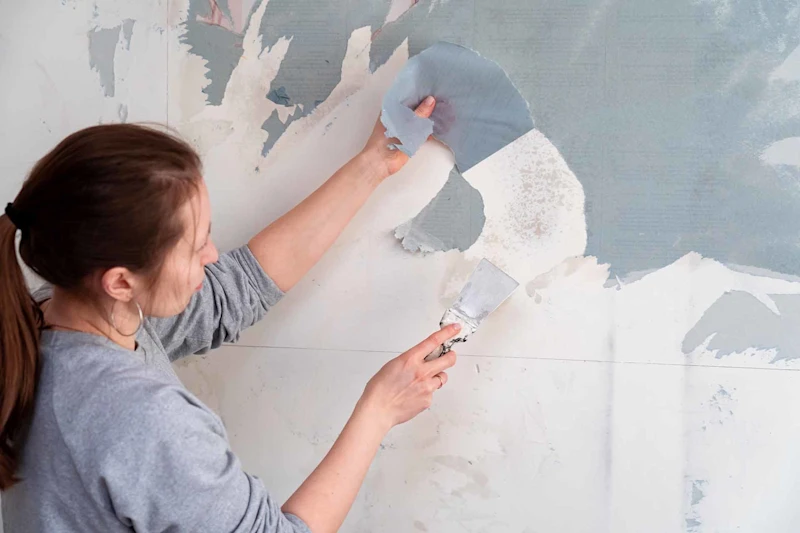
3. Try peeling the paper off by hand
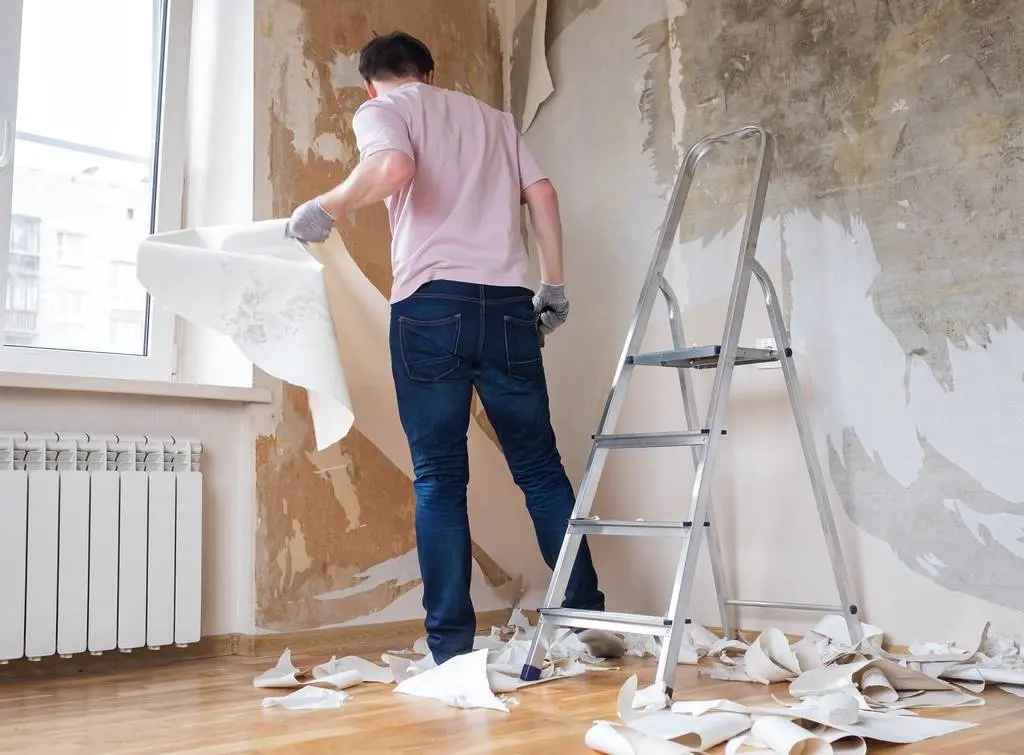
Lift a corner at a seam and pull gently and evenly. Strippable wallpaper may come away in large sheets
If it tears or the backing stays behind, move on to the next step
4. Score the paper
Scoring makes small holes so steam or liquid can reach the paste beneath. Use a purpose-made scoring tool and apply light, even pressure
Avoid a knife or scissors, which can gouge the plaster and leave damage that is time-consuming to repair
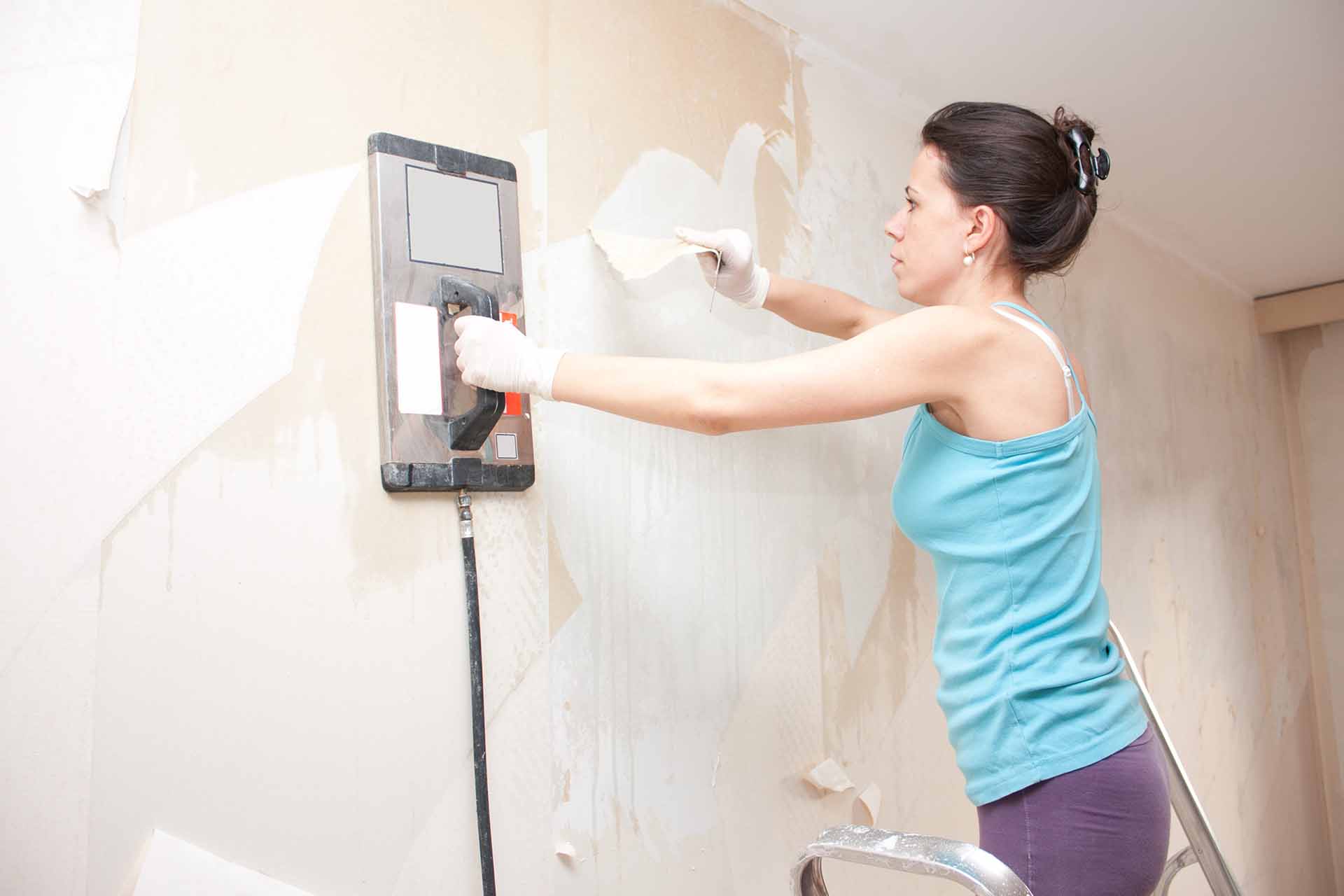
5. Soften the paste with a steamer or wallpaper remover
If you are using a steamer:
Fill the steamer with water, let it heat up and rest it on a level, heatproof surface
Hold the plate against the bottom of a section for about 10 seconds, then adjust to suit your paper. Leaving it too long can damage the plaster
Never leave a steamer unattended or let it boil dry. You also need to let it cool down before you refill it
If you are using a liquid wallpaper remover:
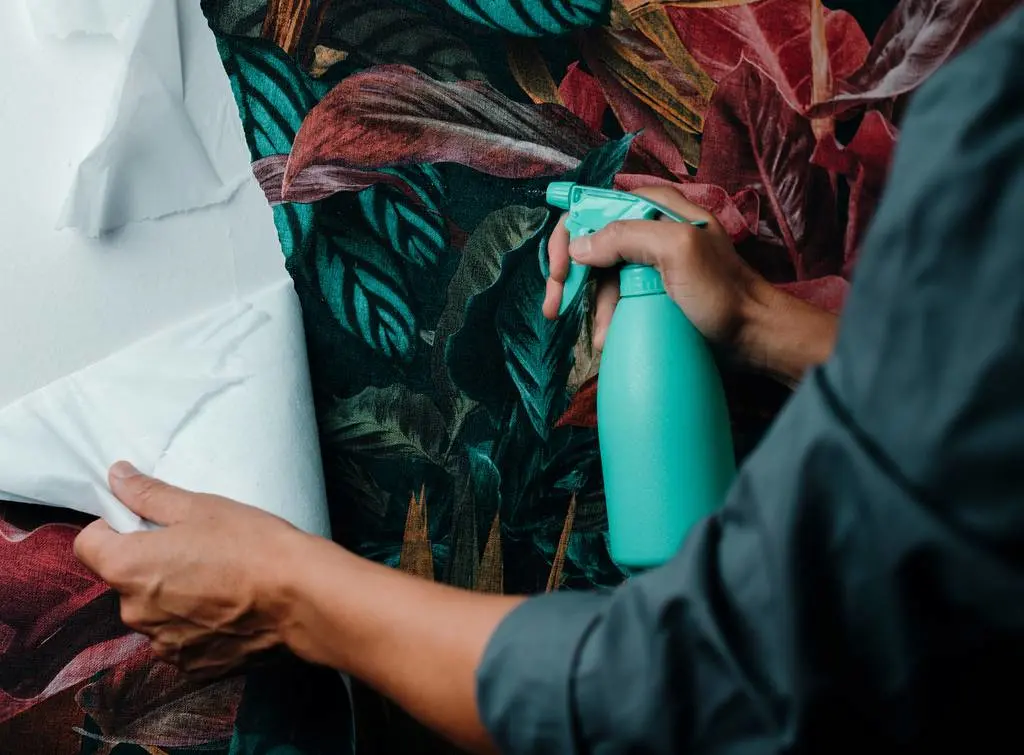
Mix the remover solution as directed and apply it with a sponge, brush or spray
Leave it to soak in, then reapply to any areas that dry out
Work in sections from the bottom of the wall upwards, as steam rises. Strip each section as soon as you have softened it so the paste does not dry out again.
6. Strip the paper
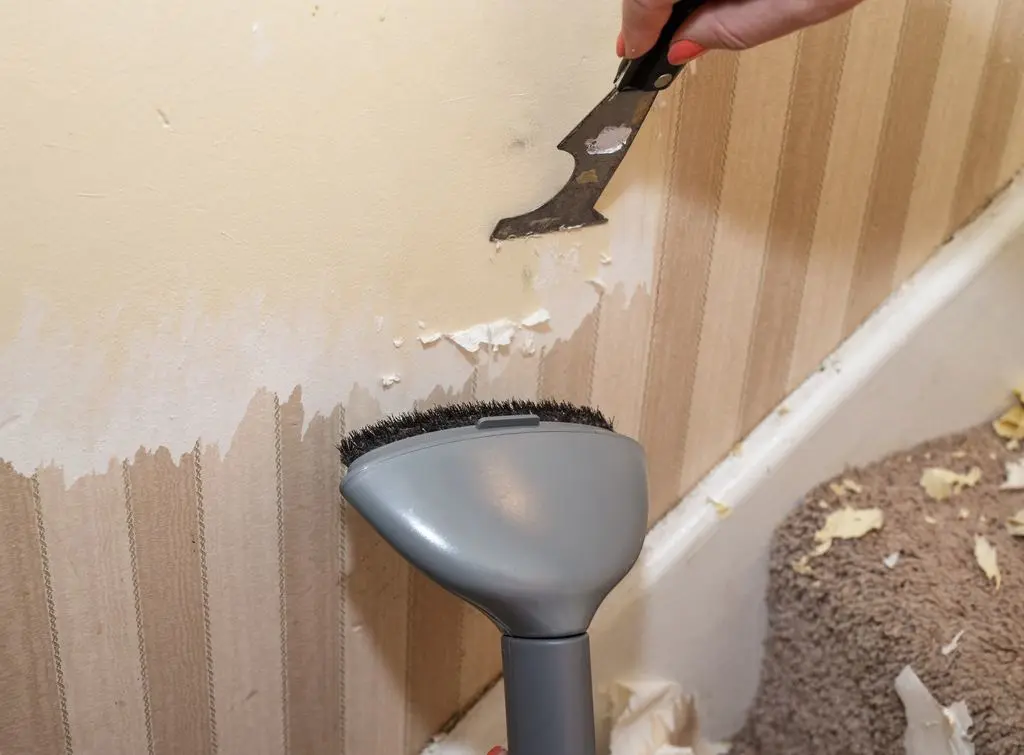
Keep your stripping knife flat against the wall and use short, gentle strokes to lift the softened paper
Dispose of the scraps regularly in a bin bag so they do not stick to your dust sheets. Repeat steps 4 and 5 until the whole wall is clear
7. Clean off any leftover paste
Most walls are left with some adhesive residue. Brush the wall down, scrape off any remaining scraps and then wash the surface with warm water and a sponge
For stubborn paste, use a wallpaper remover solution and read our guide to removing wallpaper glue for more methods
8. Let the wall dry and check it
Leave the wall to dry fully, which usually takes at least a day, and then look it over in good light
Fill small dents and holes, and sand lightly before you paint or hang new paper. Our guide to filling holes in a wall can help
Once the wall is completely dry and smooth, you can restore the power and start decorating. Keep an eye on the finished wall as it dries, because staining or a musty smell can point to a damp problem. More on that below.
Decided there's more to it than you first thought? Hiring a painter and decorator is the way forward.
Find a painter and decorator near me

Need reassurance? All tradespeople pass up to 12 checks before joining, and we keep checking after.
How to remove different types of wallpaper
The right removal method depends on the type of wallpaper you have:
Painted wallpaper:
Worth knowing: Paint seals the paper, so steam and water struggle to get through
Method: Score the surface thoroughly first so the steam or remover can reach the paste. A steamer is usually more effective than a liquid for this, and it may take longer
Our guide to painting over wallpaper is worth a read if you are unsure whether removal is necessary.
Vinyl wallpaper:
Worth knowing: Vinyl wallpaper usually has a waterproof top layer over a paper backing
Method: Lift a corner and peel the vinyl layer away, which often leaves the backing on the wall. Then soak the backing with a steamer or remover, and strip it as normal
Woodchip wallpaper:
Worth knowing: Woodchip is thick and is often painted
Method: Scoring and steaming is normally the best approach. It tends to cover uneven walls or older paper, so you may find extra layers underneath. Work steadily and take your time to avoid chipping the plaster
Old wallpaper and several layers
Worth knowing: If the paper has been on the wall for decades, it can be a time-consuming job
Method: Remove each layer in turn, scoring and soaking each one before you strip it. Very old paper can be brittle and the paste hard, so expect to repeat the steaming
If you uncover textured coatings such as Artex beneath wallpaper in a home built or refurbished before 2000, don't scrape or sand them as they may contain asbestos. Get suspect materials checked by a trained professional before disturbing them. Our Artex removal cost guide explains what is involved if you need it dealt with.
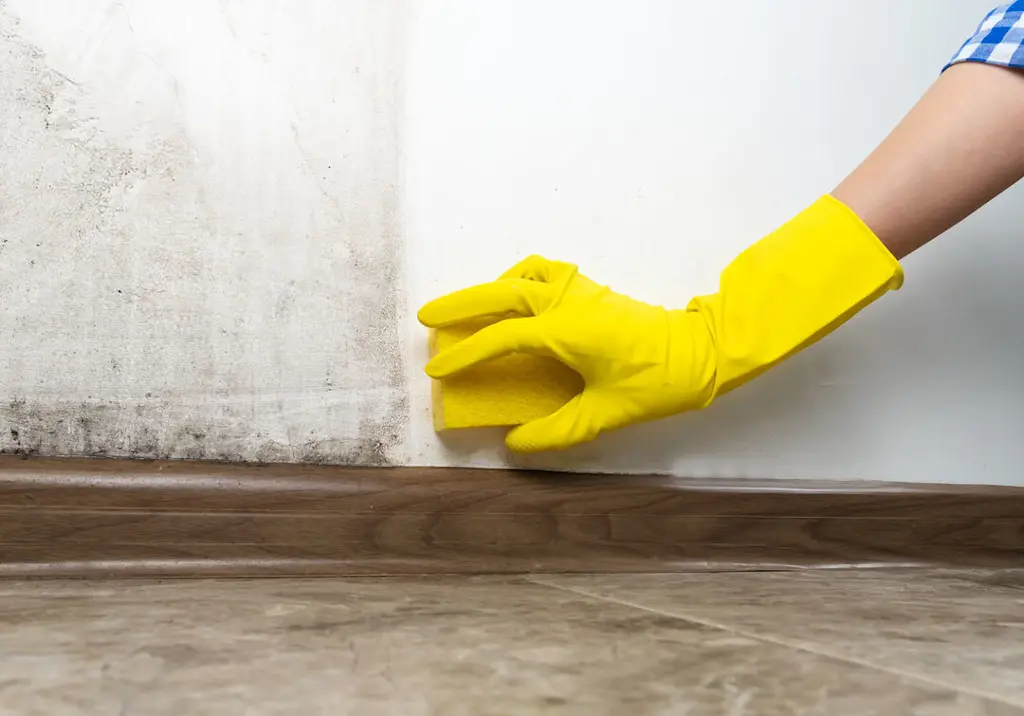
Mould, damp and damaged plaster
Repair and plastering:
Once the paper is off, you may find small cracks, dents or patches where the plaster has come away.
You don't always need to replaster. You can usually fill and sand minor damage. However, widespread damage may need a plasterer to skim the wall.
Mould and damp:
If your wallpaper is mouldy, treat that as a sign to look for a cause. Mould often points to damp or condensation, and it will return if the underlying problem is left.
Read our guides to removing black mould and treating damp walls before painting, before you redecorate.
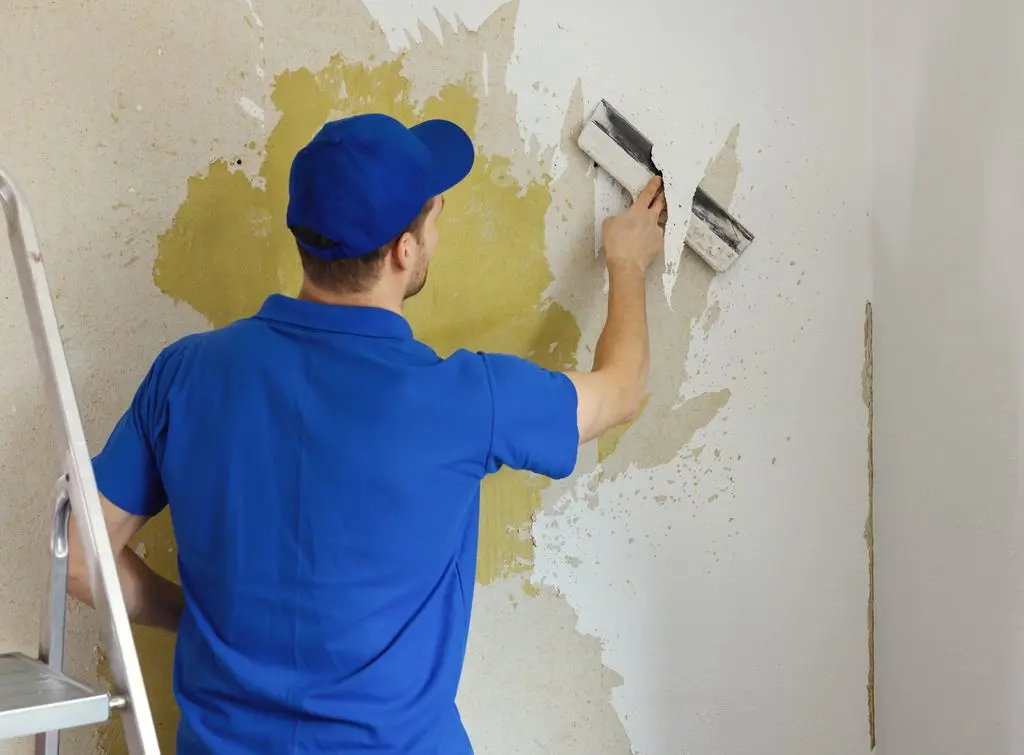
When to call a professional
Removing wallpaper is a realistic DIY job, but some situations are better handled by a tradesperson. Consider getting help if:
You have many layers or very old paper
The wall is crumbling, damp or mouldy
You suspect asbestos in a textured coating
The room is large, high or awkward to reach
You want the wall prepared and redecorated in one go

For stripping and redecorating, look for a painter and decorator, if the plaster has come away with the paper, find a plasterer, and if you suspect damp behind the walls, speak to a damp proofing company.
How much does it cost to remove wallpaper?
Whichever trade you need, it helps to understand the likely cost and what protection you have before you book.
The cost depends on:
The size of the room
How many layers there are
The type of paper
The condition of the walls underneath
A professional will usually quote for stripping, cleaning and any filling needed, and will factor in access and preparation.
See our wallpaper removal cost guide for an idea of what to expect, and our painter and decorator prices guide if you also want the room repainted.
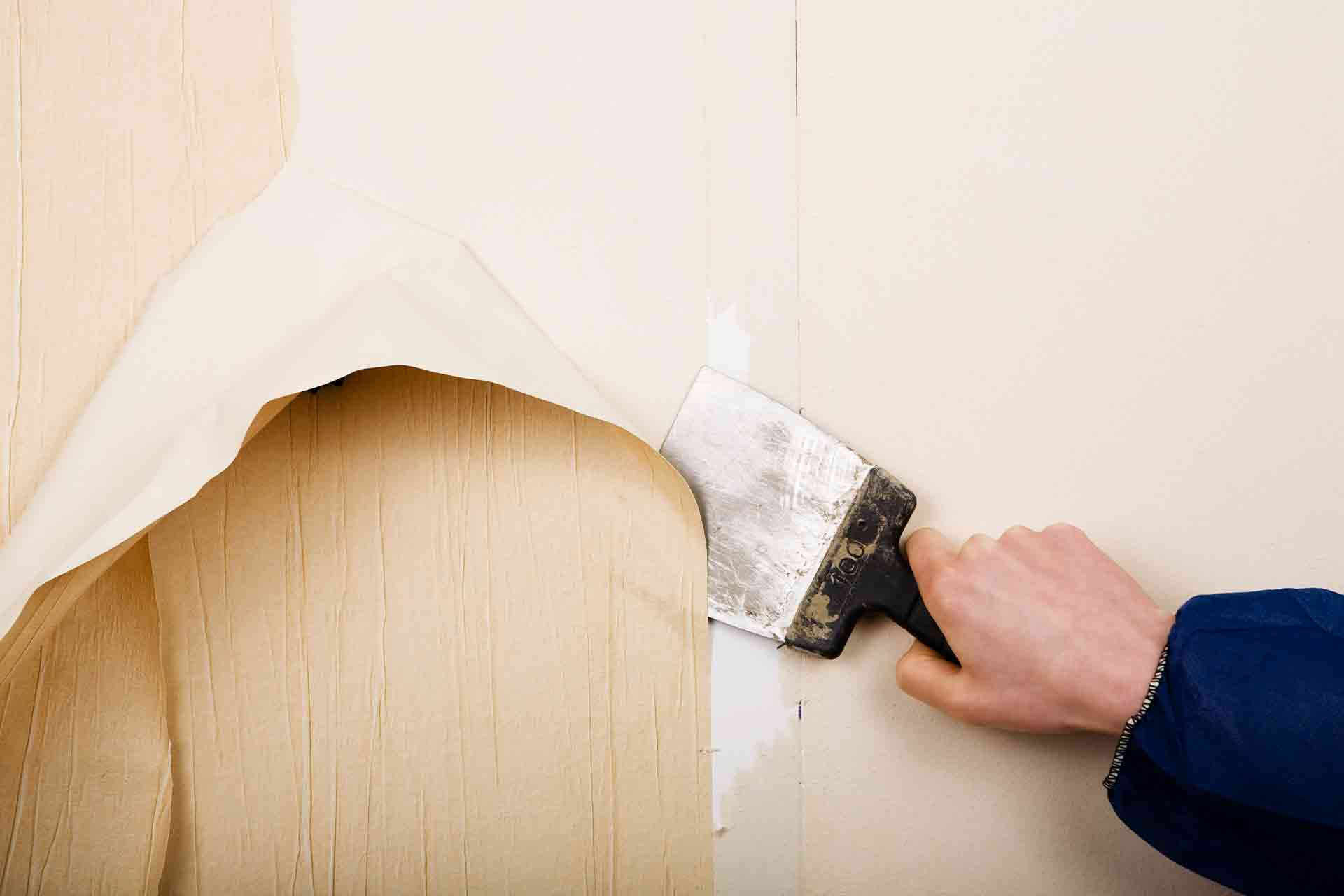
How much does wallpaper removal cost? Average 2026 pricing
Banish dated, old wallpaper to instantly transform any room with our wallpaper removal cost guide. Saving you time and energy, we cover costs, methods and more.
Wallpaper removal cost calculator
Want a quick estimate for your own room? Try Checkatrade's AI-assisted pricing tool below.
Job Estimate Calculator


How to hire a decorator to remove wallpaper
If you decide to hire help, take the time to find the right person. When asking for quotes from a selection of checked tradespeople, make sure to:
Check what each one includes
Confirm who will tidy up and dispose of the waste
Ask whether the price includes filling and preparing the walls for painting
Ready to compare options in your area? Browse checked professionals who cover wallpaper stripping and decorating.
Start browsing painters and decorators working in your area
Enter your postcode to find a top tradesperson near you
G Pro Painters
10.00
(5 reviews)Services & skills
Painter / DecoratorWallpaperingPainting / DecoratingTimber Resin RepairsWooden Windows Stripped / PaintedWilz Interiors
10.00
(91 reviews)Services & skills
Painter / DecoratorWallpaperingTimber Resin RepairsWooden Windows Stripped / PaintedPaint SprayerBrightFix Property Maintenance Ltd
10.00
(49 reviews)Services & skills
Painter / DecoratorWallpaperingSpecialist Paint EffectsWooden Windows Stripped / PaintedExterior PaintingIndustry Decorators
10.00
(159 reviews)Services & skills
Painter / DecoratorWallpaperingWooden Windows Stripped / PaintedAnti Vandal CoatingsExterior Painting- U
Universal Decorators Ltd
10.00
(4 reviews)Services & skills
Painter / DecoratorWallpaperingExterior PaintingTimber RestorationPainting / Decorating


Why use Checkatrade to find painters and decorators near you?
Checked - Every Checkatrade provider must pass up to 12 checks and commit to upholding the Checkatrade Standard
Reviewed - Over 6.2 million reviews have been published on Checkatrade
Guaranteed - We guarantee Checkatrade tradespeople's work, up to £1,000 - T&Cs apply

Wallpaper removal checklist
Use this checklist to make sure you have covered everything before you start redecorating:
Wallpaper removal FAQs
The easiest way to remove old wallpaper is to peel it off by hand first. If that doesn't work, score the paper and soften the paste with a steamer or wallpaper remover solution. Work in small sections and strip each one while it is still damp.
You don't always have to replaster after removing wallpaper. If the plaster is sound, you can usually fill small dents and cracks and sand the wall smooth. If large areas have crumbled or come away, a plasterer may need to skim the wall.
To strip wallpaper without a steamer, score the paper and apply a liquid wallpaper remover with a sponge or spray, then leave it to soak in and strip it with a scraper. Reapply to any areas that dry out. Some papers also peel off dry.
Some people use warm water with a little washing-up liquid or vinegar to soften light paste and help remove thin wallpaper. However, specialist wallpaper removers and steamers are generally more reliable for stubborn or painted paper.
To remove painted or vinyl wallpaper, score the surface thoroughly so steam or liquid can get through the paint or vinyl. For vinyl, peel off the top layer first, then soak and strip the paper backing.
How long it takes to remove wallpaper from a room depends on the room size and the number of layers. A single layer of peelable paper can come off quickly, while several layers of painted or woodchip paper can take a day or more.
If your home was built or refurbished before 2000 and you find a textured coating when removing wallpaper, do not scrape or sand it. Get it checked by a trained asbestos professional before you do anything else.

See the tradespeople we've checked for your job