COST GUIDES
Cavity wall insulation removal cost 2026
Updated 07/26
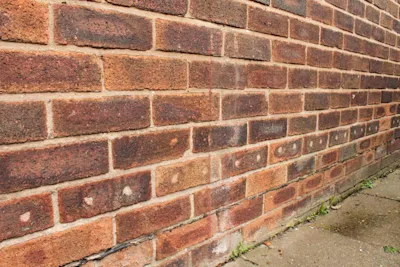
Cavity wall insulation doesn't always last. Damp patches, vermin, incorrectly installed foam, or insulation that was never right for your property type can all mean removal is the only fix. In some cases, grants may cover part or all of the cost.
This guide covers what removal costs by property type, how the process works, and what to look for in a contractor.
Fast Facts
Semi-detached removal from £21.50
Per m² cost around £2,520
Grants may be available through ECO4 or CIGA
How much does it cost to remove cavity wall insulation?
| Cost provided item | Low cost | High cost | Average cost |
|---|---|---|---|
| Removing cavity wall insulation (per m2) | £21 | £22 | £21.50 |
| Removing cavity wall insulation (whole house) | £1,680 | £2,520 | £2,100 |
| Last updated: July 2026 Our costs are ballpark averages - get a local tradesperson to quote now | |||
Removal costs vary by property size. The final price also depends on the insulation condition and how easily your walls can be accessed.
If your insulation is urea formaldehyde (UF) foam, expect to pay more. UF foam requires specialist disposal and typically adds around £500–£1,000 to the total cost.
Cost of removing cavity wall insulation per square metre
If you want a more accurate idea of how much cavity wall insulation removal costs, you can calculate it by square metre. This is also useful if you only need the insulation removing in just one or a few walls, rather than throughout the whole house.
On average, the cost of removing cavity wall insulation per square metre is around £21.50.
Find the right insulation specialist for you
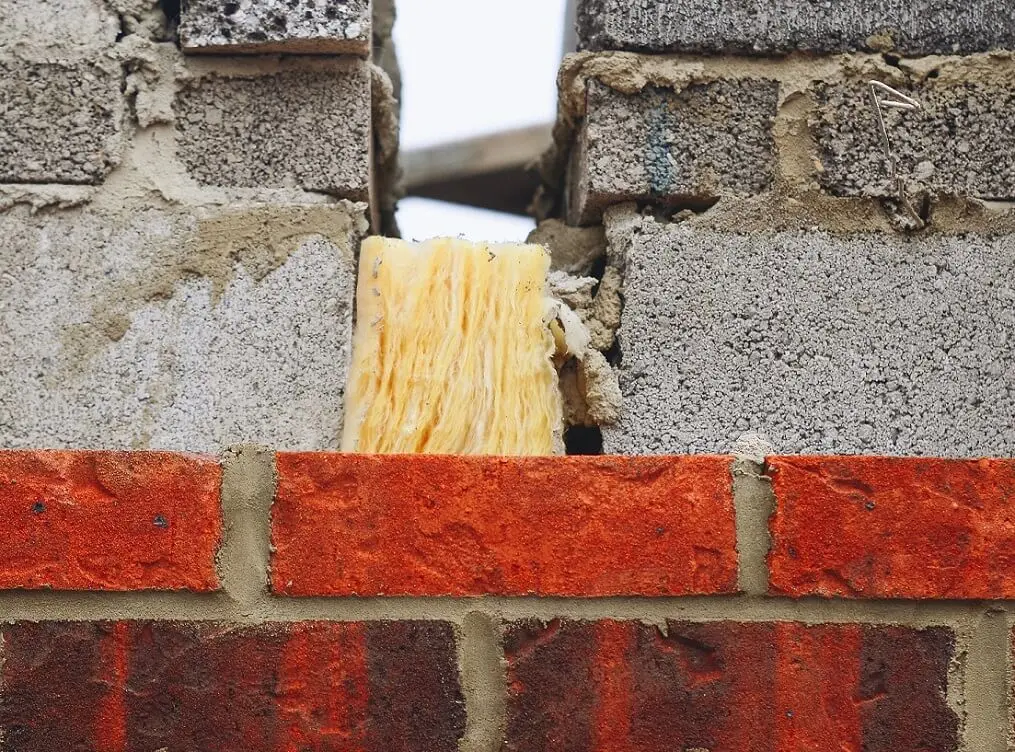
Is it worth removing cavity wall insulation?
Removal is worth it in clear-cut cases. For example:
If your insulation is causing damp
I'f you've got vermin in the cavity
UF foam was incorrectly installed
The same applies if your home is in an exposed or coastal location where cavity wall insulation was never suitable. Common cavity wall insulation cost comparisons show that replacing failed insulation is often cheaper than ongoing damp remediation.
It's less clear-cut when the insulation itself is in good condition. Damp on internal walls isn't always caused by CWI failure. Leaking gutters, roof issues, or bridged cavities can all produce the same symptoms. Before committing to removal, it's worth ruling out other causes.
If damp proofing cost is already on your radar, get both problems assessed at the same time.
A specialist cavity wall insulation survey can confirm whether removal is needed. It is often a small outlay compared to the full removal cost.
Are grants available for cavity wall insulation removal?
Grants may be available, and it's worth checking before you pay for removal yourself.
ECO4 scheme
If your insulation is defective or was never suitable for your property, removal may be funded through your energy supplier under the ECO4 scheme. Eligibility depends on household income and whether you receive certain benefits. Contact your energy supplier directly to ask.
CIGA guarantee
If your insulation was installed under a Cavity Insulation Guarantee Agency (CIGA) guarantee and it's now causing problems, the guarantee may cover remediation costs. You can check eligibility at ciga.co.uk.
Local authority schemes
Some councils run funded removal programmes. It's worth a call to your local authority to ask what's available in your area.
A Checkatrade-approved insulation specialist can advise on grant eligibility before any work begins.
Find a local insulation specialist
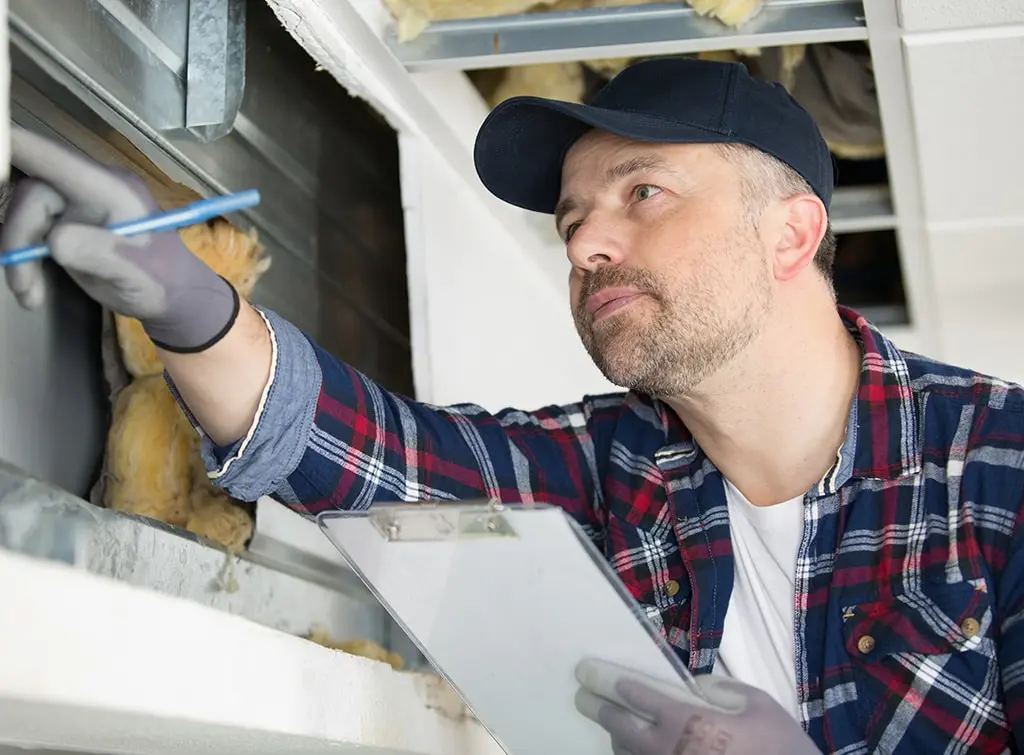
How is cavity wall insulation removed?
The process is non-destructive when carried out by an accredited contractor. Here's what to expect:
Survey: a specialist surveys your property to confirm the insulation type and condition.
Drilling: small holes (typically 22mm) are drilled through external mortar joints at regular intervals.
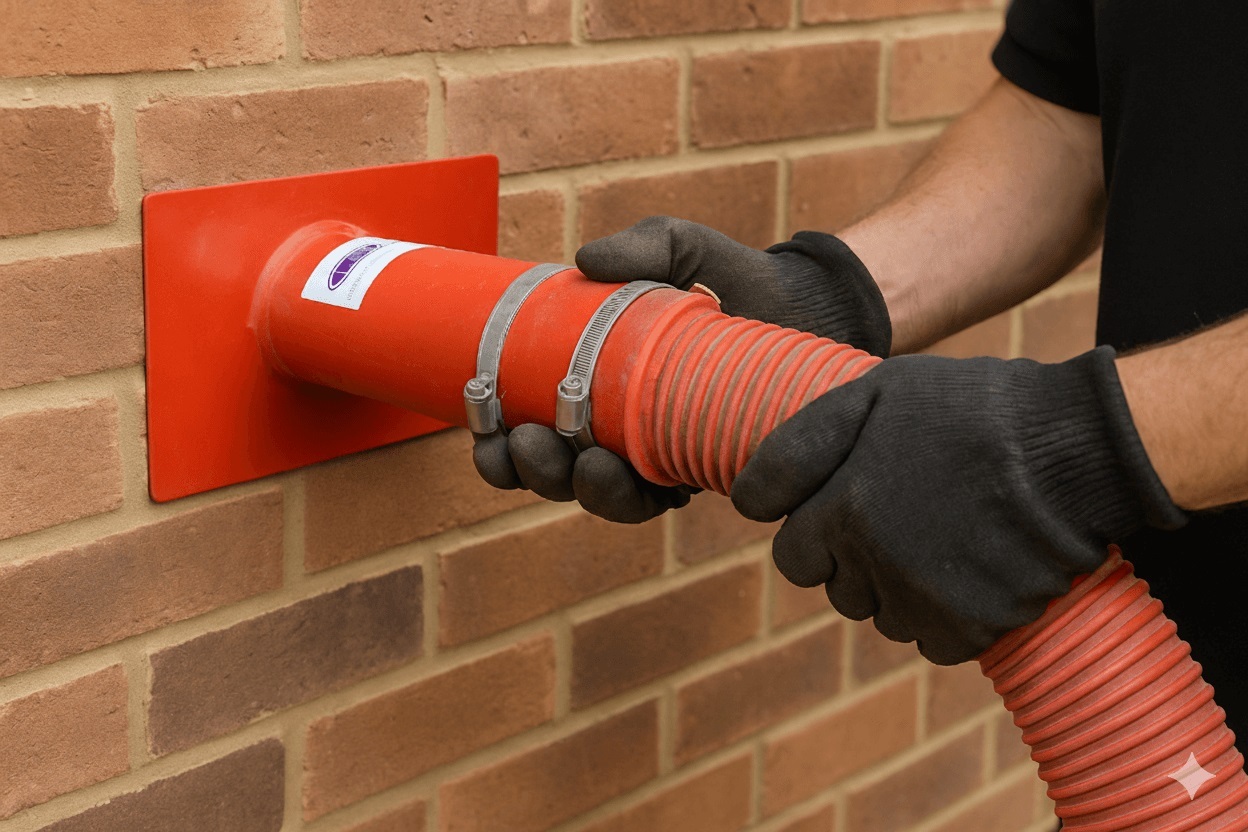
Extraction: industrial vacuum equipment pulls the insulation material out through the holes.
Filling: the holes are filled and repointed to match the existing mortar.
Disposal: the extracted material is removed from site. Standard insulation goes to general waste. UF foam requires specialist disposal.
Check: a follow-up inspection confirms the cavity is clear.
If you'd like to understand more about how cavity wall insulation works before deciding on removal, that guide covers the basics.

Cavity wall insulation: Everything you need to know
How does cavity wall insulation work? A cavity wall has two walls held together by wall ties with a gap between them. The gap is known as the cavity. The gap prevents rain from getting into the property through the outer wall. Cavity wall insulation works by storing heat within the inner walls
Get an estimate for your cavity wall insulation removal
Job Estimate Calculator

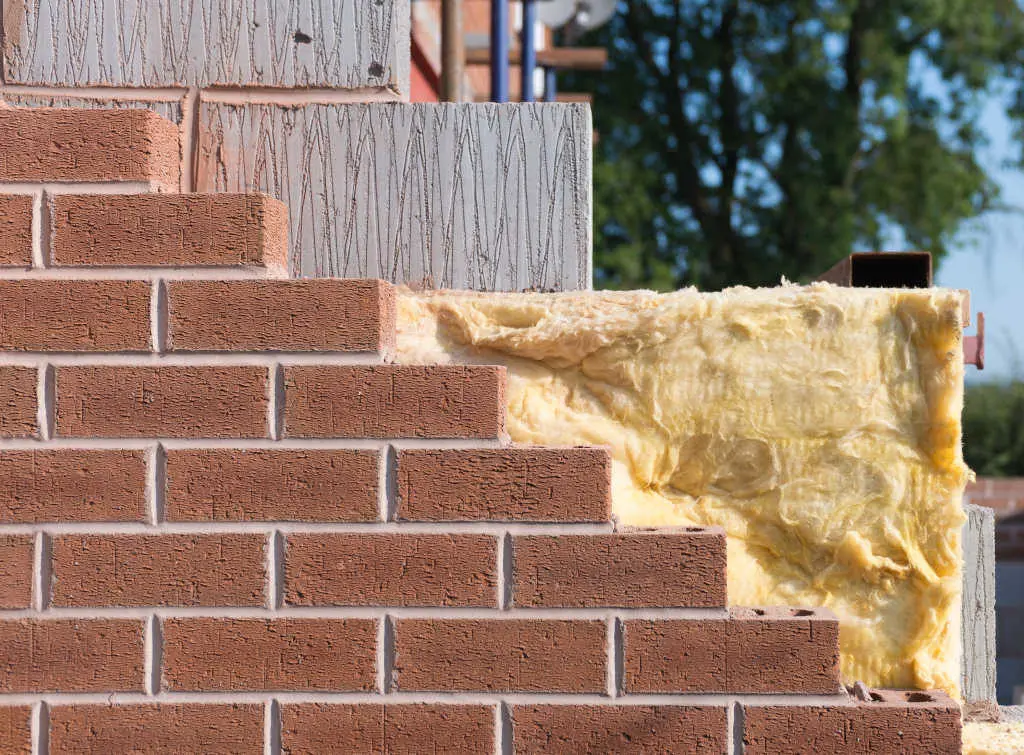
Finding cavity wall insulation removal specialists
Finding insulation removal specialists is easy with Checkatrade. We check, verify and approve all of our members. All of the tradespeople in our directory meet our high quality standards.
Use our quick and easy request a quote feature and we will get experienced local insulation removal specialists to contact you directly.
To get accurate quotes, be as detailed as you can:
Note the property type and approximate size of your home
Describe the symptoms that led you to consider removal (damp, vermin, high heating bills)
Mention the insulation type if you know it (mineral wool, polystyrene bead, or UF foam)
Say whether you've had a survey done or need one as part of the job
Include any access restrictions around the property
You can also find a cavity wall insulation near me specialist through our directory.
Cavity wall insulation removal near me
Need cavity wall insulation removal near you? Learn about UK removal costs, the signs of bad insulation, and how to find checked tradespeople to fix it.
Cavity wall insulation removal cost guide checklist

Cavity wall insulation removal cost checklist
Before contacting a tradesperson, here's what to check:

Want some help planning your home insulation? Whether you're looking for eco-friendly alternatives, want costs for retrofitting or find a checked cavity wall insulation specialist near me, we're here to help.
FAQs
Common questions about cavity wall insulation removal, answered.
Yes, cavity wall insulation can be removed. A specialist drills small holes into the external mortar joints, then uses industrial extraction equipment to vacuum out the material. Once done, the holes are filled and repointed. The process is non-destructive when carried out by an accredited contractor.
It usually takes between one and three days to remove the cavity wall insulation throughout a whole house.
No. Removal needs specialist extraction equipment and training. A professional will clear the cavity without damaging the wall structure and dispose of the material correctly. Attempting it without the right equipment risks leaving insulation in the cavity and causing further problems.
Persistent damp patches on internal walls, mould growth, or signs of vermin in the cavity are the main indicators. Unusual sounds from inside the walls can also point to vermin activity. A damp survey can help distinguish CWI failure from other causes, such as leaking gutters or a roof problem, before you commit to removal costs.
Grants may be available through the government's ECO4 scheme if your insulation is defective or unsuitable for your property. Your energy supplier or local council can advise on whether you qualify. CIGA guarantee holders may also be able to claim remediation costs under their guarantee.
On average, removal costs around £21.50 per square metre. This is useful if you only need insulation removed from one or two walls rather than the whole house.
The extracted material is bagged and removed from site. Standard insulation (mineral wool, polystyrene bead) goes to general waste. Urea formaldehyde foam requires specialist disposal and will cost more to remove.
More Cavity Wall Insulation Removal Articles

See the tradespeople we've checked for your job