COST GUIDES
How much does regrouting cost in 2026?
Updated 06/26
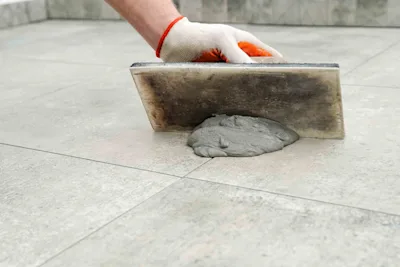
If your bathroom grout is cracked, stained, or going mouldy, regrouting can restore the look of your tiles without the cost of a full retile.
Fast Facts
Average regrouting cost per m2: £15
Average cost of regrouting a bathroom: £380
Average cost of regrouting a shower: £160
In this guide, we'll look at the average regrouting costs you can expect across different job types - including bathroom, shower, and floor tiles - so you can budget with confidence and decide whether to hire a tiler or tackle it yourself.
How much does regrouting cost?
| Regouting costs | Average UK cost |
|---|---|
| Cost of regrouting (per m2) | £15 |
| Cost of wall and floor grout (5kg) | £15 |
| Regrouting - Labour (per day) | £320 |
| Cost of regrouting a bathroom | £380 |
| Cost of regrouting shower | £160 |
| Last updated: July 2026 Our costs are ballpark averages - get a local tradesperson to quote now | |
The average regrouting cost is £15 per m2, including materials and labour.
Here's a quick guide to what you can expect to pay:
Small tiled area (splashback or single wall): from around £15
Standard bathroom (walls and floor): typically £380
Shower enclosure only: typically £160
The cost of regrouting breaks down into materials and labour. If you plan to do it yourself, you won't pay for labour, but DIY results are often inconsistent.
A standard bathroom regrouting job usually takes a tiler one day, with an average day rate of £320. Labour makes up the larger share of the cost on most jobs.
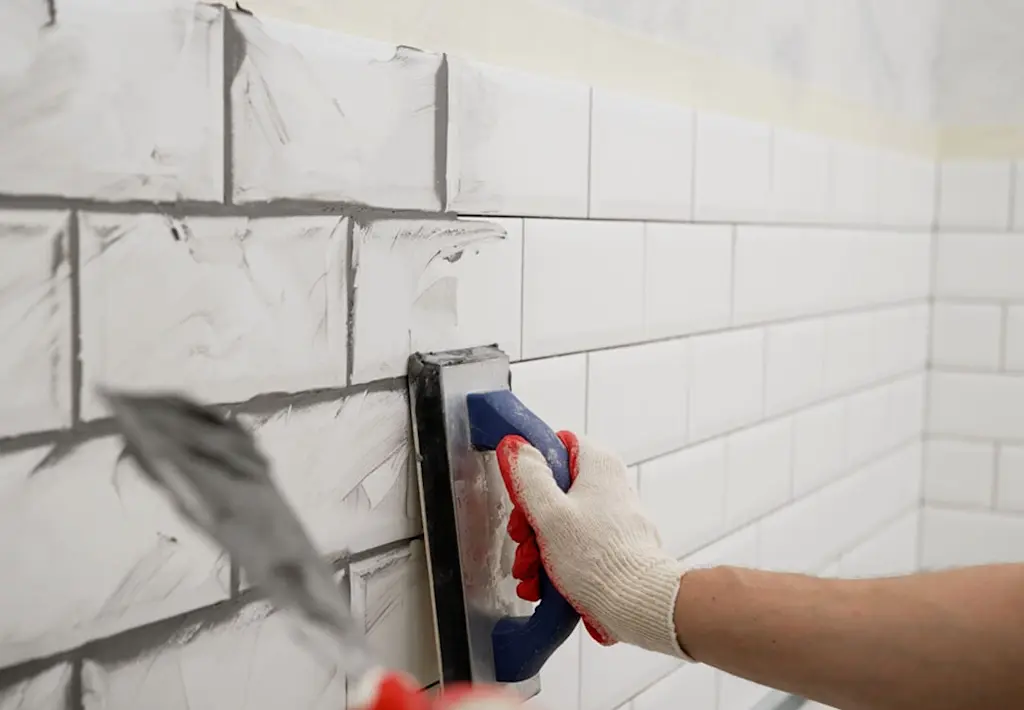
Regrouting cost by type of job
Regrouting tiles cost
The average cost to regrout tiles breaks down into materials and labour. Expect to pay an average of £15 per 5kg bag of grout plus £320 per day of labour.
A small tiled splashback may cost from around £15 to get regrouted.
A fully tiled bathroom wall, from ceiling to floor, costs around £380 to regrout depending on its size and the condition of the existing grout.
Regrouting floor tile cost
The average cost for regrouting floor tiles is around £15 per bag of grout plus £320 per day of work.
Floor tile regrouting often costs slightly more per m2 than wall tiles. The grout used for floors is heavier duty, and removal takes more effort because it tends to be wider and deeper. Expect to pay a small premium compared to wall-only jobs.
Cost of regrouting a bathroom
Regrouting a bathroom usually covers both wall and floor tiles. Depending on the size of your bathroom and the condition of the existing grout, the average cost of regrouting a bathroom is £380.
A typical job takes half a day to a full day. The bathroom will be out of action while the work is done, and you should allow
for the grout to cure fully before using the shower or bath. If your bathroom has a shower enclosure as well as a separate bath area, that will add time and cost too.
For more details - and what to expect if your tiles are damaged or you want a completely fresh look - see our guide to full bathroom remodel costs and new bathroom costs to compare.
Cost of regrouting shower tiles
The average cost of regrouting a shower is £160.
You can regrout just your shower tiles if the rest of your bathroom grouting is in good condition. It's still worth getting a quote for the full bathroom at the same time, because grout is relatively cheap and labour is already on-site.
When regrouting a shower enclosure, the tiler will also typically replace the silicone sealant around the edges and base. This adds around £50 - £100 to the job but is important for waterproofing.
Shower enclosures with glass panels require careful working around the fittings, which can also add a little extra time.
If your shower needs more than just new grout, our shower installation cost guide covers full replacement prices. Or for something a little different, you might also consider a wet room installation.
Find a skilled tiler near you
Factors that affect the regrouting cost
It can be difficult to calculate an exact regrouting cost because several variables affect the total price. These are the factors that matter most:
Type of grout: Specialist grout such as epoxy or anti-bacterial costs more than standard pre-mixed grout.
Size of area: Larger areas need more materials and more labour time.
Time taken: The longer the job takes, the higher the labour cost.
Current condition of grout: Grout that is very mouldy or crumbling may have allowed moisture under the tiles. Any water damage needs to be fixed before regrouting can start, which adds cost.
Accessibility: Hard-to-reach areas take longer to work on and increase labour charges.
Location: Labour rates vary across the UK. Tradespeople in London and the South East typically charge more than those in other regions.
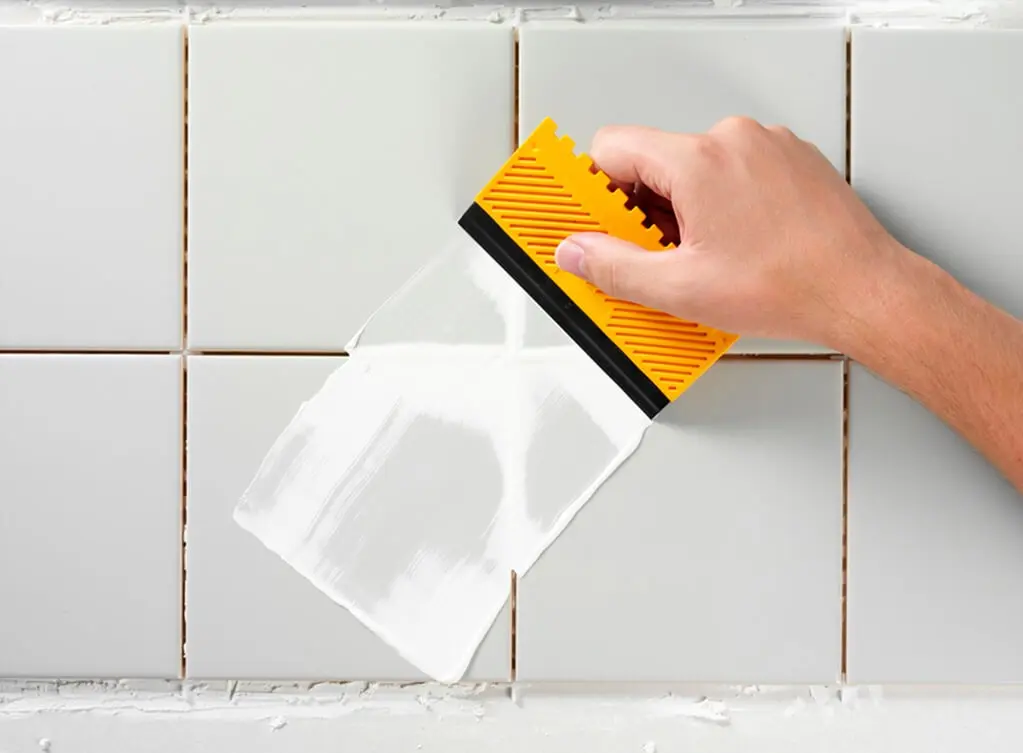
Common types of grout
There are a few different types of grout, and the right one depends on where you're tiling and what problems you've had before. A tiler can advise you on the best option.
If you're thinking about updating the look at the same time, it's worth reading about how to change grout colour before you commit to a product.
Here's what each type is best for:
Pre-mixed grout
This is the easiest option for DIY jobs because there's no mixing required - it's ready to use straight from the tub. It's suitable for most standard wall tile applications.
Epoxy grout
Epoxy is highly durable and resistant to water, stains, and chemicals. It's the best choice for showers, wet rooms, and anywhere prone to moisture. It costs more than cement-based grout and is harder to work with, but the finish lasts much longer.
Anti-fungal grout
Anti-fungal grout contains a biocide that inhibits mould growth. It's a good option if your bathroom has recurring black mould problems around the grout lines.
Anti-bacterial grout
This one's similar to anti-fungal grout, and is even available with both anti-bacterial and anti-fungal properties combined. It's worth considering for bathrooms used by people with health conditions, or tiles that seem particularly prone to dirt.
Unsanded grout
Unsanded grout is used for joints under 3mm wide. It gives a smooth finish and is typically used on wall tiles with tight joints.
Finely sanded grout
A step up from unsanded, finely sanded grout is used for joints between 3mm and 8mm. It's more common for floor tiles, where wider joints are standard.
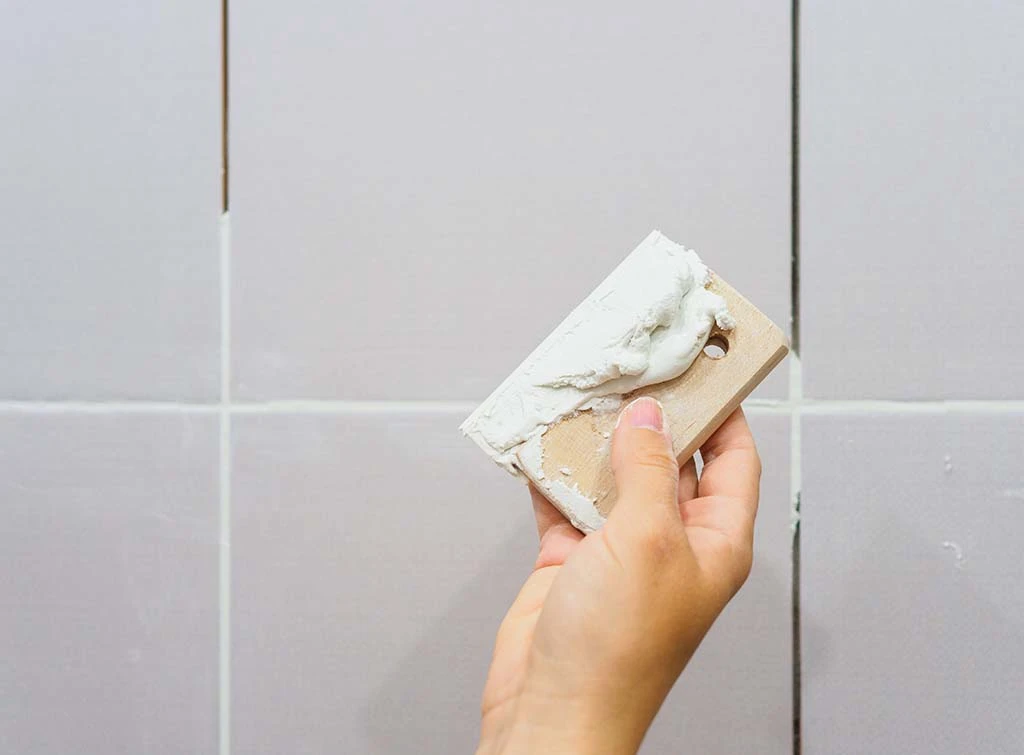
Why choose to regrout?
Regrouting can have a huge impact on the appearance of your bathroom walls and floors.
Plus, when grout becomes cracked or damaged, your bathroom is at risk of moisture seeping under the tiles. This can cause water damage, damp, and mould, and paying even a small amount to cover a regrouting cost can help solve these issues.
That said, it's not a good idea to grout over mouldy or stained grouting without finding the source of the leak. If you do, you'll trap moisture under the new grouting, letting the problem spread into your walls.
Another common reason to regrout is if your old grouting becomes stained, mouldy or dirty. This can completely change the aesthetic of your bathroom. It's always worth regrouting to revive and refresh your tiles.
If you're weighing up whether to regrout or rip the tiles out entirely, regrouting is nearly always cheaper than a full retile. It's only really worth retiling if your tiles are cracked, damaged, or badly fitted.
How to regrout tiles: what does the job involve?
Whether you're hiring a tiler, considering DIY, or just curious what the job entails, here's a quick rundown of what regrouting involves.
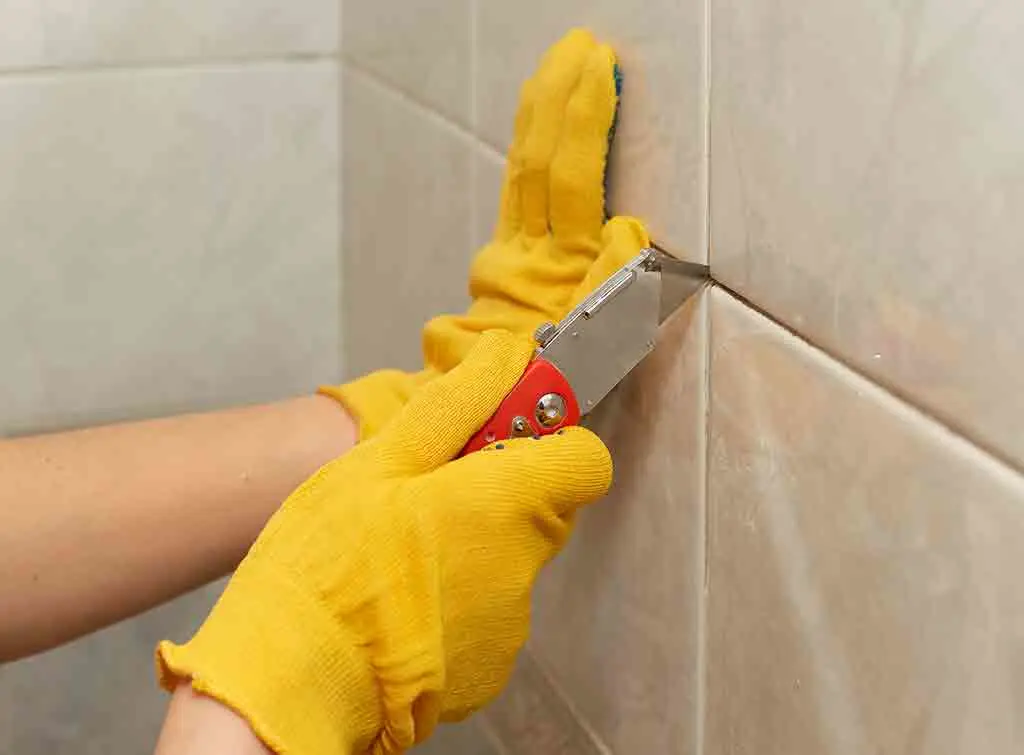
Remove the old grout. A grout rake or oscillating multi-tool is used to cut out the old grout to a depth of around 5mm. This is the most time-consuming part.
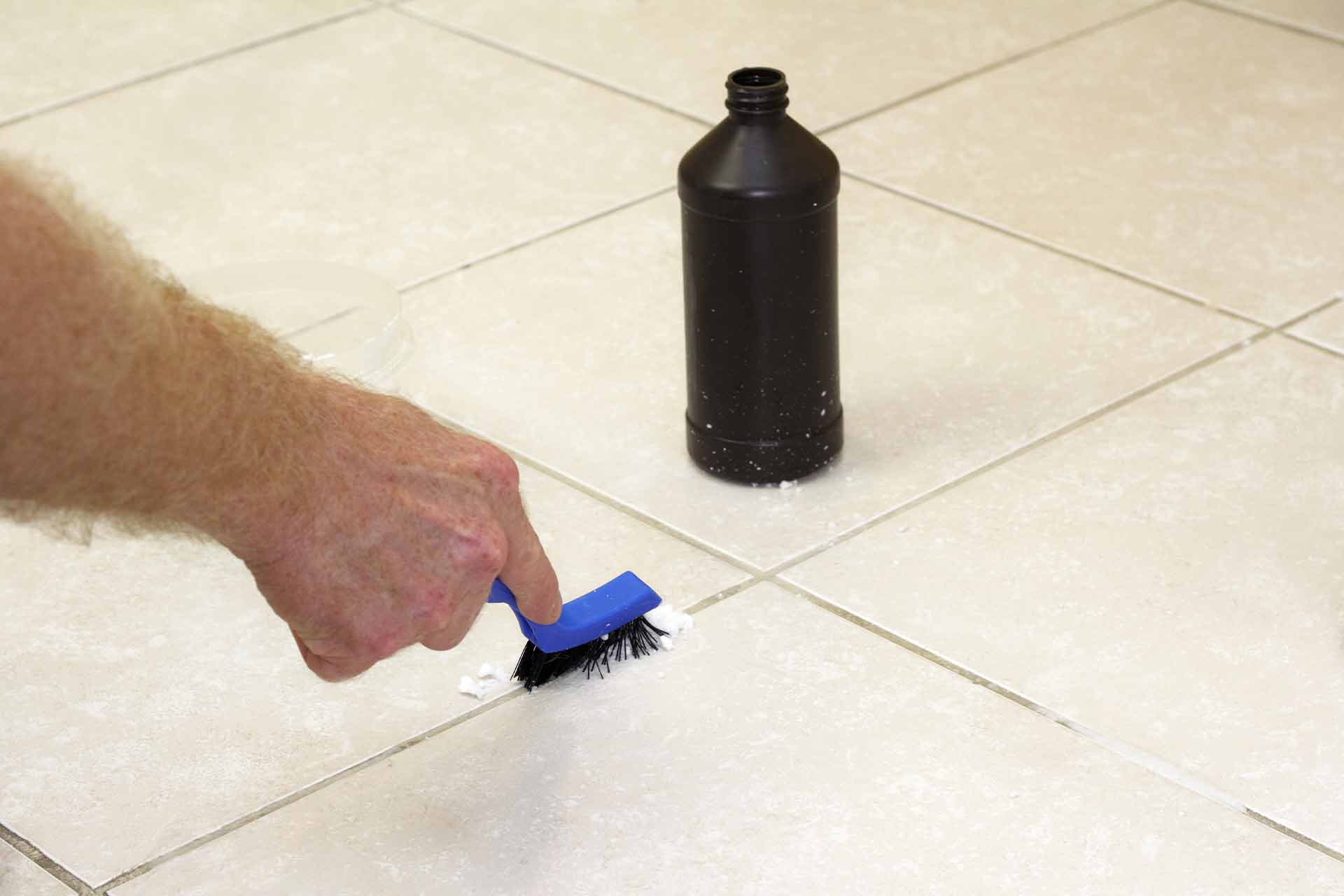
Clean the joints. The gaps are thoroughly cleaned and dried to remove any debris, mould, or moisture before new grout goes in.
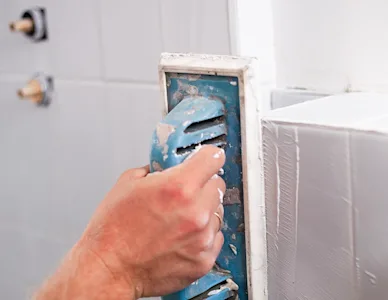
Apply new grout. Fresh grout is worked into the joints using a grout float, pressed in firmly to avoid air gaps.
Wipe and finish. Excess grout is wiped from the tile faces before it sets, then the joints are smoothed and left to cure.
A tiler can typically regrout a standard bathroom in a day. DIY is doable if you're handy, but the grout removal stage carries a real risk of chipping tiles if you're not careful.
After regrouting, it's worth applying a grout sealant to protect the new joints, especially in wet areas.
Can I do regrouting myself?
DIY regrouting is possible, but it's harder than it looks. Here's what to consider before you decide:
Learning to regrout takes practice and patience. The finish can look uneven if the technique isn't right.
Removing old grout with a drill or screwdriver risks chipping tile edges. A grout rake or oscillating multi-tool, which can be hired from most tool hire shops, is safer.
If the new grout isn't pressed in firmly enough, moisture can get under the tiles and cause damp and mould.
You'll need safety equipment, including goggles, because grout dust is a respiratory irritant.
Matching the colour of existing grout exactly is difficult if you're only doing a partial repair.
On the materials side, a DIY regrout will cost you in grout, sealant, and tools. Hiring a tiler for the job costs more upfront, but the finish is more consistent and should last longer.
If you're considering regrouting as an alternative to a full retile, see our guide to the cost of tiling to compare what a new tile job would cost.
Find a tiler covering your area
Find a skilled tiler near you
Finding a tiler is easy with Checkatrade. We check and verify all of our members, so you know the tradespeople in our directory meet our standards.

Use our quick and easy request a quote feature and we will get experienced local tilers to contact you directly. To get accurate quotes, be as detailed as you can:
Note the total tiled area in m2 (length x width for each surface)
Describe the condition of the existing grout (cracked, mouldy, crumbling)
Say whether you want wall tiles, floor tiles, or both regrouted
Mention any shower enclosures or tricky areas that may need extra care
Let them know if you want the silicone sealant replaced at the same time
You can also find a ceramic tiler near you through our directory, or download the Checkatrade app

Get an estimate for your regrouting job
Want a quick idea of how much your regrouting may cost? Type a few details into our job estimate calculator. The tool will dig into Checkatrade data to give you an approximate quote - so you know what sort of costs to expect from a tiler.
Job Estimate Calculator

Regrouting cost checklist
Use our handy checklist to make sure you're hiring the right person for your regrouting job.

Regrouting cost checklist
Before contacting a tradesperson, here's what to check:
FAQs
If water is seeping under your tiles, find the source of the leak and fix it before you regrout. Once that's done, clear up any remaining moisture before the new grout goes in.
You can regrout without removing the old grouting, but you're unlikely to get a clean finish. It can also trap moisture under your tiles, so remove the old grout first if you can.
A standard bathroom typically takes a tiler one day. Smaller areas like a shower enclosure may take half a day. Drying and curing time adds 24 hours before you can use the shower or bath.
Grout is ready to be replaced if it's cracked, crumbling, discoloured, or showing black mould that won't clean off.
If water is getting under your tiles (tiles that sound hollow when tapped are a tell-tale sign), regrouting should be treated as urgent.
Yes, though the new grout may not match the colour of the old grout exactly, especially if the existing grout is stained or aged. If appearance matters, it's often easier to regrout the whole area at once.
No. When done correctly, regrouting does not damage tiles. The main risk is during grout removal: using a drill or screwdriver carelessly can chip the tile edges. A tiler uses an oscillating multi-tool to minimise this risk.

At Checkatrade, we're here to help, whether it's with finding costs, planning a renovation, or searching for ideas and inspiration, you'll find plenty of content on our blog to make your project a success.

See the tradespeople we've checked for your job