COST GUIDES
How much does a Japanese toilet cost in 2026?
Updated 06/26
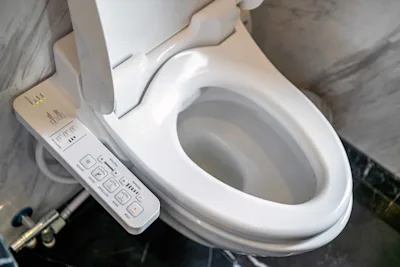
If you're thinking about installing a new toilet in your home, a smart toilet (also known as a Japanese toilet or washlet) is worth considering. Here's what you'll pay and what affects the cost.
Fast Facts
Supply cost: £320 to £6,500
Installation cost: £100 to £400
Electrician cost (if needed): £50 to £70
How much does a Japanese (smart) toilet cost?
| Cost provided item | Unit | Range - Low | Range - High | Average cost |
|---|---|---|---|---|
| Smart toilet cost | Per toilet | £320 | £6,500 | £3,410 |
| Smart toilet installation cost | Per fitting | £100 | £400 | £250 |
| Smart toilet electricals | Per fitting | £50 | £70 | £60 |
| Removing and disposing of the old toilet | Per toilet | - | - | £75+ |
| Last updated: July 2026 Our costs are ballpark averages - get a local tradesperson to quote now | ||||
Japanese smart toilet prices can range from anywhere between £320 and £6,500, depending on the features and brand you choose.
That's the supply-only cost, so you'll pay extra for labour.
Depending on the type of smart toilet, you could spend around £100 to £400 on installation.
You'll be paying the plumber a rate of around £60 per hour for the fitting.
Some models also need an electrician to connect them to the mains. Add £50 to £70 for that work if so.
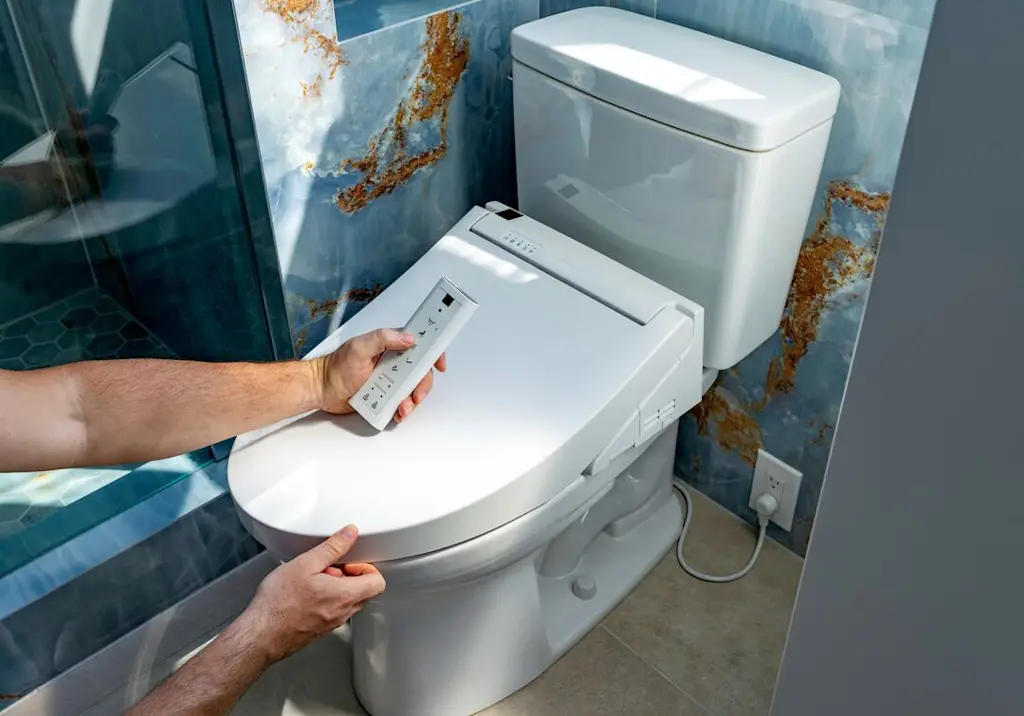
What affects the cost of a smart toilet?
The price of a smart toilet depends on several factors, from the spec of the unit to whether your home needs electrical work.
Features and spec
The more features a model has, the more it costs. Auto-flush, heated seat, air dryer, deodoriser, night light and UV sanitisation each push the unit price up.
Entry-level models (around £320) cover the basics, while a fully featured unit costs £6,500 or more.
Integrated unit vs seat-only
A full integrated unit, where the toilet body and smart functions are built into one piece, costs significantly more than fitting a smart seat onto an existing toilet pan.
If you want to keep costs down, a retrofit smart seat - which you can attach to your existing toilet - is the cheaper way in.
Electrical requirements
Some smart toilets need a dedicated electrical circuit wired in by a qualified electrician. Add £50 to £70 to your installation costs for that.
Others plug into a standard 13-amp socket, which cuts out the need for an electrician. Check the requirements for your chosen model before booking a plumber.
Concealed cistern
If your existing toilet has a concealed cistern, installation is more complex and takes longer. That adds to the labour cost.
Brand
TOTO, the Japanese market leader, commands a premium in the UK. Budget brands start at around £320; TOTO and comparable premium brands typically start at £2,000 or more.
Where you live
Plumber hourly rates vary by region. London and the South East typically run 20 to 30% above the national average.
See our guide to typical plumbing installation costs for a regional benchmark.
Other bathroom renovation costs
If you're fitting a smart toilet as part of a wider bathroom renovation project, it's worth understanding what a full bathroom renovation costs so you can plan your budget in one go.
Find a plumber near you
What's included in a smart toilet?
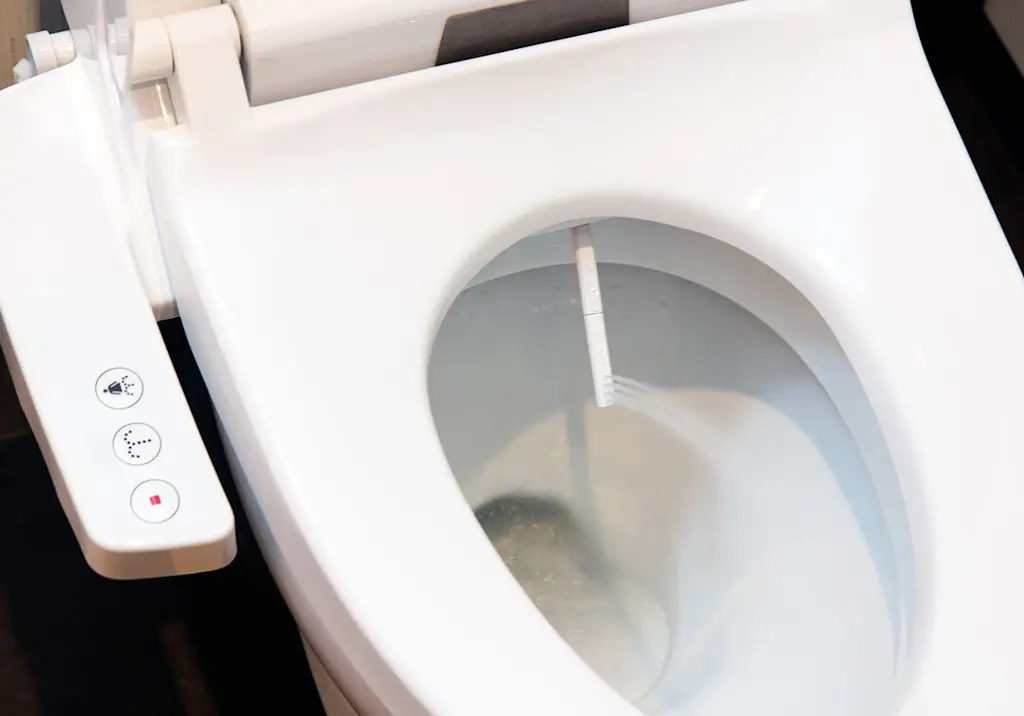
A smart toilet (sometimes called a Japanese toilet or washlet) is a toilet with built-in washing, drying and hygiene functions. The core feature is a bidet-style wash jet, but most models include much more.
Instead of using toilet paper, you can use the built-in shower jet to wash. Since washing with water is widely considered more hygienic than paper, you get a cleaner experience overall.
You can also opt for additional features to make it even more germ-free and easy to use.
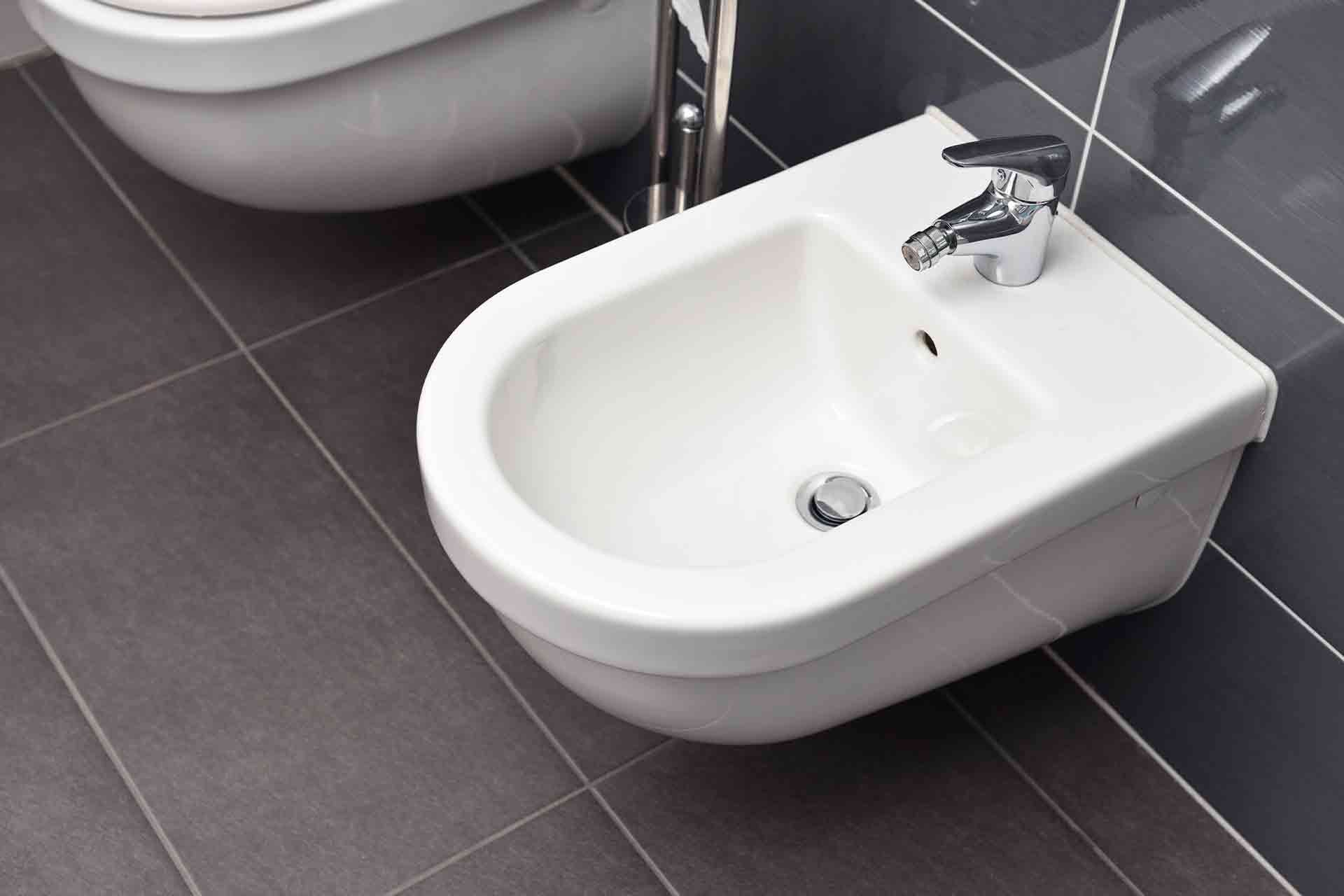
If you're interested in bidet-style washing without a full smart toilet, see our bidet installation cost guide.
Smart toilet features
When you're choosing a smart or Japanese toilet, here's what the features actually mean in practice:
Automatic flushing: The toilet flushes as you get up, so you don't need to touch any surfaces. Some models also have a contactless flush activated by a hand wave. Useful if you want a more hygienic bathroom.
Front and back wash: Standard models have a back wash jet. You can opt for front and back wash, which suits a wider range of users.
Heated seat: No cold seat on a winter morning. Many models let you program the seat to warm up before you use it, and you can set the temperature to suit you.
Night light: A low-level light means you can find the toilet in the dark without turning on the main bathroom light and waking everyone up.
Deodoriser: A built-in deodoriser reduces smells in the bathroom.
Air dryer: After washing, the air dryer means you don't need to use toilet paper or a separate towel.
Automatic cleaning: Self-cleaning toilets clean the bowl and jet nozzles on a cycle. That means no need for a toilet brush needed.
UV self-sanitisation: Some models use UV light to sanitise the bowl and nozzles automatically.
Voice and app control: More advanced models connect to a smartphone app or voice assistant, so you can adjust settings without touching anything.
How long does it take to install a smart toilet?
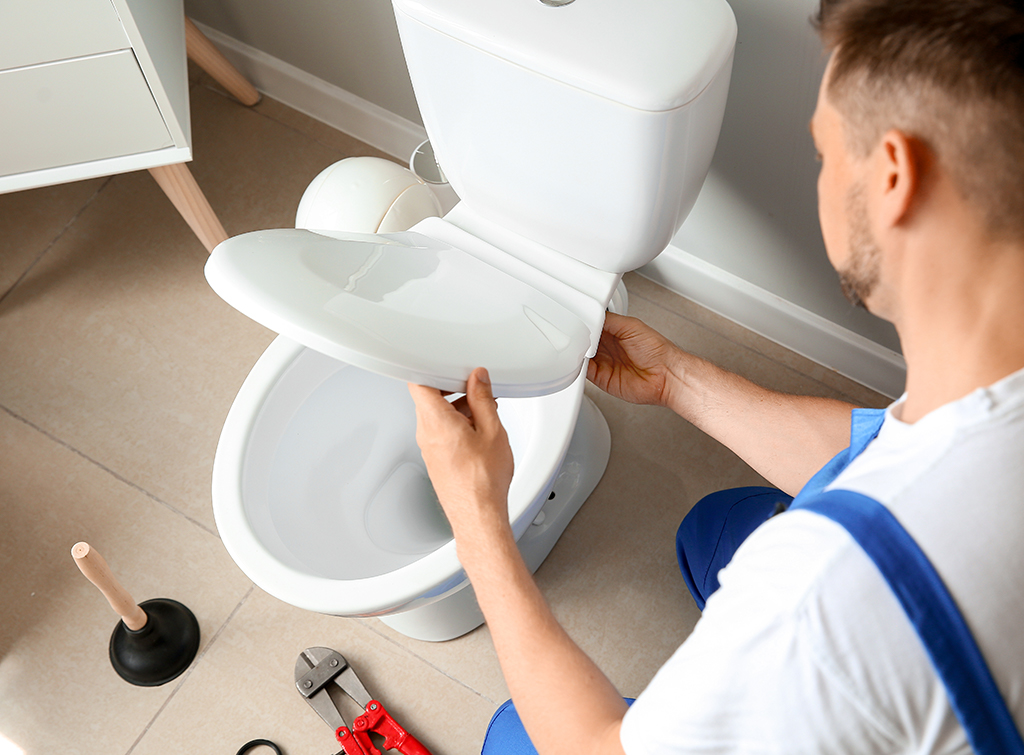
A plumber can install most smart toilets in one to three hours.
A straightforward swap takes around an hour.
Models that need a new electrical circuit, or installations involving a concealed cistern, take longer, so allow up to half a day for a more complex job.
Can you have a Japanese toilet in the UK?
Yes, smart Japanese toilets work fine in UK homes. Most models plug into a standard 13-amp socket, though some need a dedicated electrical circuit, which any qualified electrician can fit.
The main thing to check beforehand is your home's water pressure. Most models need a minimum of 0.5 bar to work correctly, and a plumber can verify your supply in a quick visit.
If the room you're fitting it in doesn't have direct soil-pipe access, see our guide to installing a macerating toilet as an alternative, though it works differently from a Japanese toilet.
How to find a plumber for your smart toilet
Finding a plumber for your smart toilet installation is easy with Checkatrade. We check and verify all of our members, so everyone in our directory meet our standards.

Use our quick and easy request a quote feature and we'll get experienced local plumbers to contact you directly. To get accurate quotes, be as detailed as you can:
The make and model you've chosen, or a shortlist, and whether it's a full integrated unit or a seat retrofit
Whether the model needs a dedicated electrical circuit or plugs into a standard socket
Whether you have a concealed cistern
Whether you need the old toilet removed and disposed of
Your timeline and any access restrictions
You can also enter your postcode to browse plumbers available in your area, or download the Checkatrade app.
Find a plumber near you

Japanese toilet cost: job estimator tool
Use our job estimator tool to get an idea of what your Japanese toilet installation might cost before you request quotes.
All you need to do is type in a few details about what you want, and the calculator will use our data to give you an approximate cost.
Job Estimate Calculator
Smart toilet cost checklist
Make sure you've ticked everything off our handy checklist in order to get the most accurate quotes - and get you a step closer to finding a toilet and an installer you're happy with.

Smart toilet cost checklist
Smart toilet cost FAQs
The average cost of a smart or Japanese toilet in the UK is around £3,410 for the unit alone, plus £100 to £400 for installation.
Budget models start at £320, while premium integrated units can reach £6,500. Add £50 to £70 if you need an electrician to wire in a dedicated circuit.
A Japanese toilet costs £320 to £6,500 for the unit, depending on spec and brand. Installation adds £100 to £400 on top of that.
A smart seat fitted to your existing toilet pan is the cheaper way in, starting from around £150.
For most people, yes. The wash-and-dry function removes the need for toilet paper, hands-free flushing cuts down on surface contact, and features like a heated seat and self-cleaning nozzles make the bathroom easier to maintain. The upfront cost is higher than a standard toilet, but running costs are low.
Smart or Japanese toilets use electricity to run, so they're not entirely carbon-neutral, but they do reduce the amount of toilet paper you use, which partly makes up for this. They also come with a power-saver mode to keep electricity consumption down.
Since smart toilets use water instead of paper to clean you, they give you a better clean. They also use hands-free flushing and auto cleaning, which means fewer surfaces to touch.
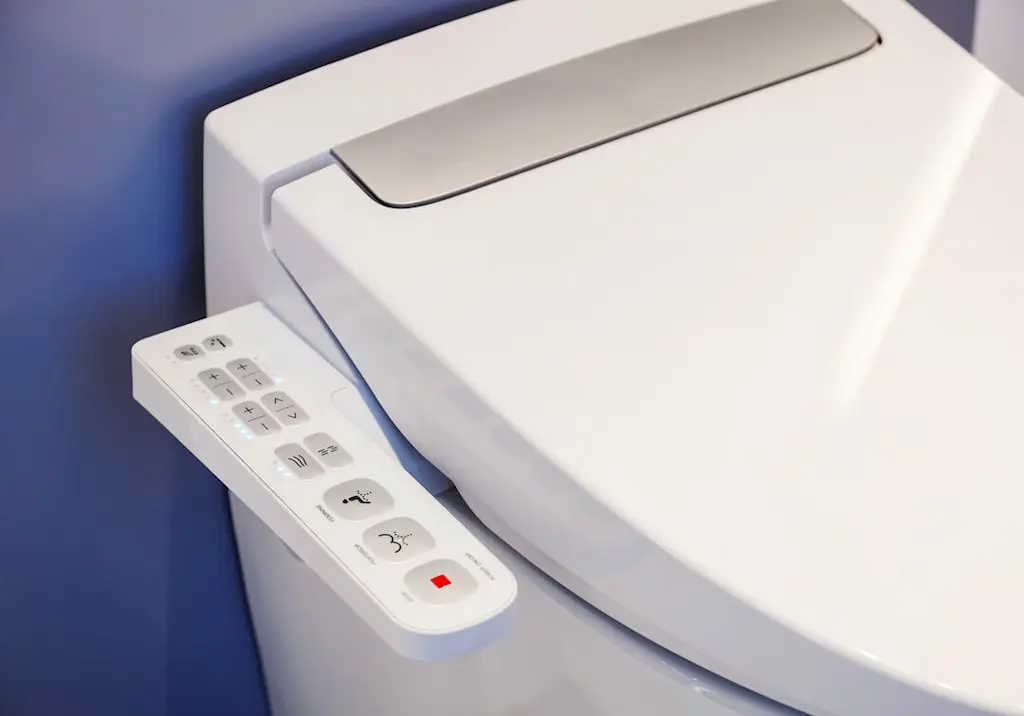
Most smart or Japanese toilets come with a control panel, either hand-held or mounted on the wall. More advanced models connect to your smartphone or a voice assistant.


See the tradespeople we've checked for your job