COST GUIDES
Underfloor heating cost: 2026 UK price guide & breakdown
Updated 03/26
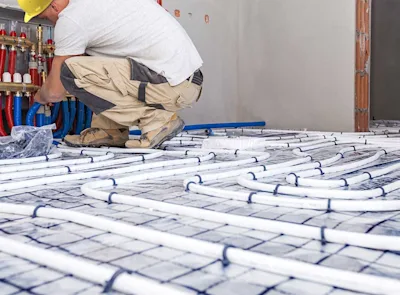
Typical cost
Most homeowners pay £3,000–£13,000 for underfloor heating in an average-sized property (supply + installation), depending on coverage and system type.
Key cost drivers
Floor build-up (insulation, screed, floor height changes) and how much of the home you’re heating are usually what shift quotes the most.
Compliance requirement
Underfloor heating must meet relevant building regulations. Electric systems often require Part P-compliant electrical work, and wet systems may need commissioning/certification depending on what’s being installed and who is doing it.
Here, you’ll find typical underfloor heating costs in the UK, including installation and running costs for electric and wet systems, plus some of the hidden extras that often catch homeowners out.
How much does underfloor heating cost in 2026?
In the UK, most underfloor heating installations cost between £3,000–£13,000 depending on the system type, floor area, and whether the system is installed in a new build or retrofitted into an existing home.
In practice, underfloor heating costs usually come down to two key decisions:
Electric vs wet (water-based)
New build vs retrofit (retrofit usually costs more because the floor needs adjusting)
Average underfloor heating installation costs (per m²)
| Underfloor heating system and property type | Average installation cost per m² |
|---|---|
| Electric in renovation | £60–£85 |
| Electric in new build | £50–£75 |
| Wet in new build | £85–£100 |
| Wet in renovation | £95–£110 |
| Last updated: June 2026 Our costs are ballpark averages - get a local tradesperson to quote now | |
As a broad guide, most full-property installs land somewhere between £3,000–£13,000, depending on total floor area, room layout, insulation requirements and whether you’re retrofitting.
Compare underfloor heating quotes near you
For a clearer idea of what your project might cost, search your postcode to compare quotes from checked, reviewed underfloor heating installers working locally to you.
Find an underfloor heating expert near you
Underfloor heating installation costs per m²
A common way installers estimate underfloor heating is cost per square metre.
The exact price will depend on whether you're installing the system in a new build or retrofitting it into an existing property. As a quick guide:
New build installation costs
Electric underfloor heating: £50–£75 per m²
Wet underfloor heating: £85–£100 per m²
Retrofit installation costs
Electric underfloor heating: £60–£85 per m²
Wet underfloor heating: £95–£110 per m²
Retrofit installations are usually more expensive because the installer may need to lift flooring, improve insulation, or adjust floor height before installing the system.
Data verified by our professional estimators
Estimators are CIOB & RICS members
How much does underfloor heating cost for a whole house?
If you’re installing underfloor heating across an entire property, the total costs increase with floor area.
On average, here’s what you can expect to pay for installation costs:
New build
Terraced house (75m²)
Electric: £3,750
Wet: £6,375
Semi-detached house (90m²)
Electric: £4,500
Wet: £7,650
Detached house (140m²)
Electric: £7,000
Wet: £11,900
Retrofit installations
Terraced house (75m²)
Electric: £4,500
Wet: £7,125
Semi-detached house (90m²)
Electric: £5,400
Wet: £8,550
Detached house (140m²)
Electric: £8,400
Wet: £13,300
Many homeowners choose a hybrid approach, installing underfloor heating in high-use areas such as kitchens or bathrooms while keeping radiators elsewhere.
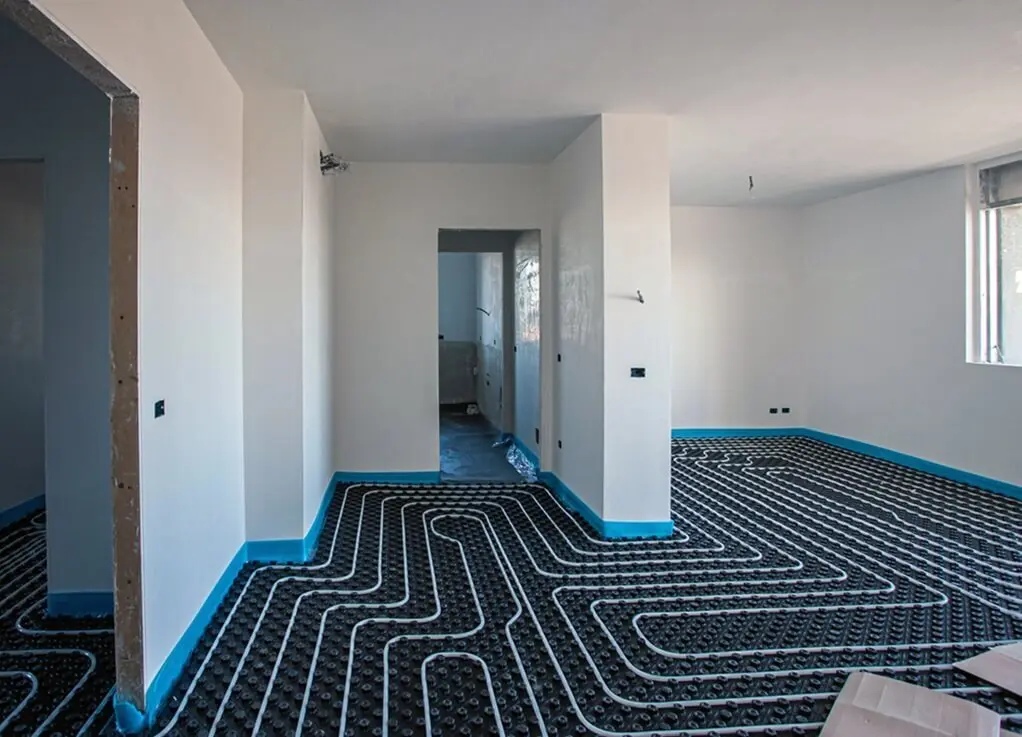
Budget reality check
Many underfloor heating installs happen during a renovation or flooring upgrade. That means the final project cost may include more than just the heating system.
Homeowners often need to budget for:
New floor finishes (tiles, engineered wood, vinyl)
Floor levelling or screed
Insulation boards beneath the system
Trimming doors or adjusting thresholds if floor height increases
Because of this, installers often recommend setting aside an extra 10–15% contingency for preparation work and finishing.
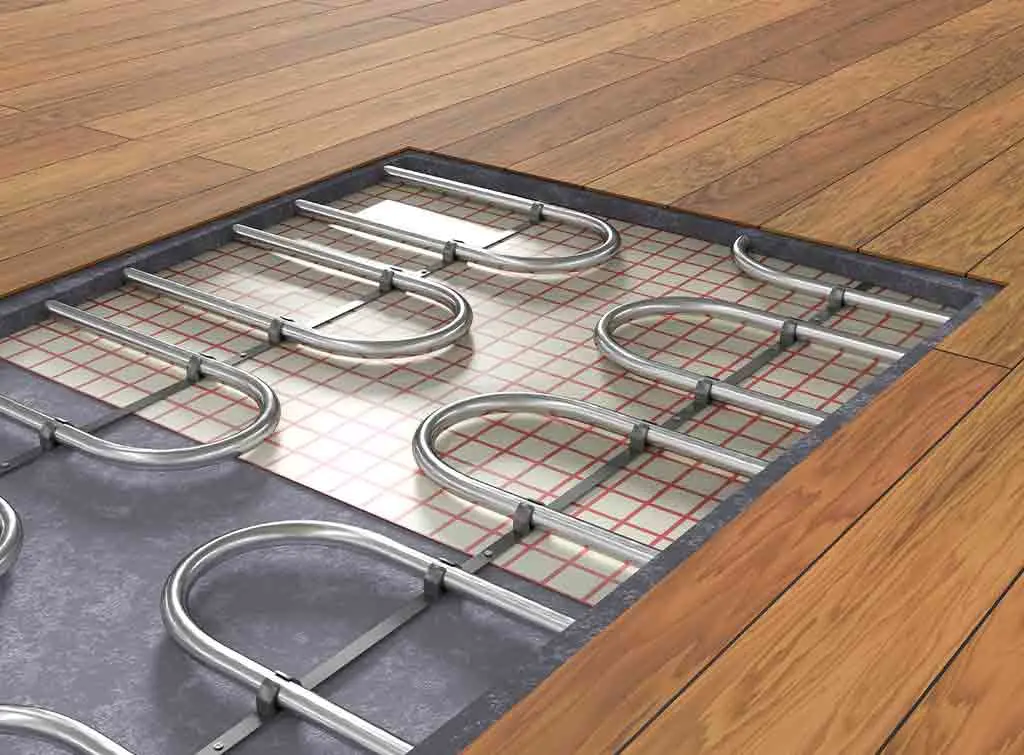
Underfloor heating running costs
Running costs are a key part of deciding whether underfloor heating (UFH) is right for you and your home. They depend on several factors:
System type (electric vs wet)
Room size
Insulation levels
Floor covering
Thermostat settings
Energy tariffs (this is the big one)
Below are some example running costs (making the assumption your heating is on for 4 hours per day):
| Room Type | Room Size | Electric Cost (per hour) | Wet Cost (per hour) | Daily Cost - Electric | Daily Cost - Wet |
|---|---|---|---|---|---|
| Lounge | 20m² | £0.49 | £0.26 | £1.96 | £1.05 |
| Kitchen | 14m² | £0.34 | £0.18 | £1.37 | £0.73 |
| Bathroom | 5m² | £0.12 | £0.07 | £0.49 | £0.26 |
| Bedroom | 9m² | £0.22 | £0.12 | £0.88 | £0.47 |
| Last updated: June 2026 Our costs are ballpark averages - get a local tradesperson to quote now | |||||
It’s quite common for households to run bathrooms on short, timed bursts, which is why electric UFH can work brilliantly in small rooms even if it’s not the cheapest whole-house option.
How much does underfloor heating cost to run in different rooms?
Running costs vary significantly depending on the room size and how often the heating is used.
Living room underfloor heating (20m²)
Electric: £0.49 per hour / £1.96 per day
Wet: £0.26 per hour / £1.05 per day
Kitchen underfloor heating (14m²)
Electric: £0.34 per hour / £1.37 per day
Wet: £0.18 per hour / £0.73 per day
Bathroom underfloor heating (5m²)
Electric: £0.12 per hour / £0.49 per day
Wet: £0.07 per hour / £0.26 per day
In practice, many households use electric underfloor heating in smaller rooms or on timers, which helps keep running costs manageable.
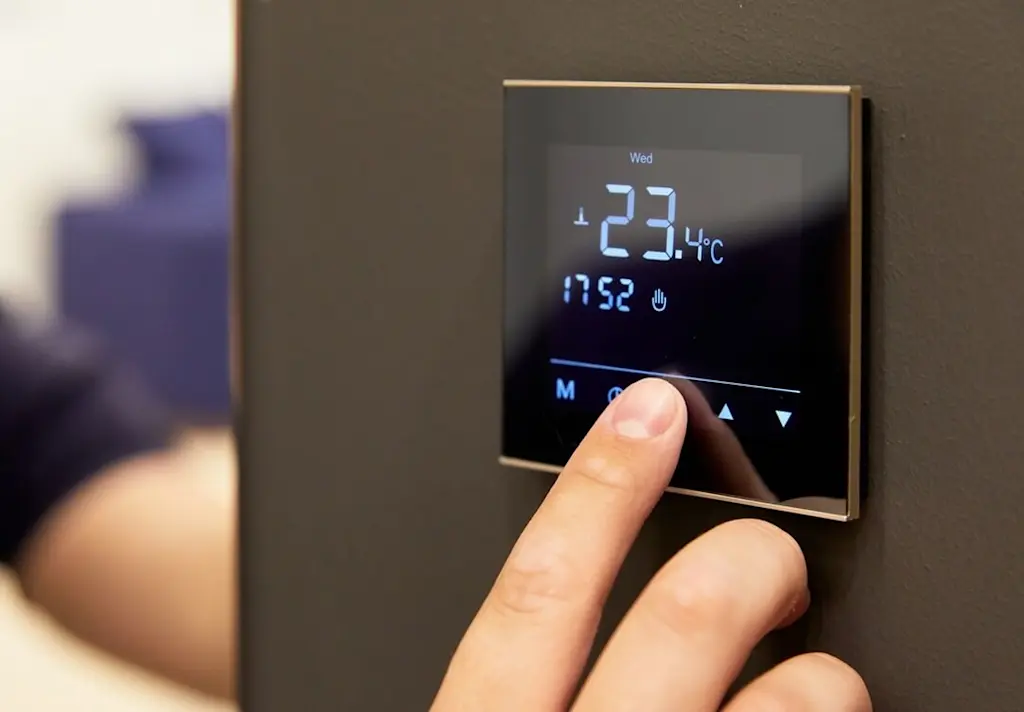
Electric vs wet underfloor heating: which is cheaper?
Electric underfloor heating
Best for: single rooms, bathrooms, renovations, smaller areas
Upfront installation cost: usually lower
Running cost: usually higher (especially in larger spaces)
Wet (water-based) underfloor heating
Best for: larger areas, whole-house installs, new builds
Upfront installation cost: usually higher
Running cost: often lower (particularly when paired with a heat pump)
Electric is often cheaper to install, but wet is often cheaper to run (long-term). The right choice for your home depends on how much floor you’re heating and what your heating source is.
Underfloor heating vs radiators: cost comparison
Many homeowners compare underfloor heating with traditional radiators when planning a heating upgrade. In general:
| Item | Average Cost |
|---|---|
| Wet based heating pipework and radiator supply & installation, excluding gas boiler | £3,000 |
| Wet based underfloor heating installation | £8,000 |
| Electric underfloor heating installation | £4,000 |
| Running Costs Per Year | |
| Traditional gas boiler with radiators | £1,916 |
| Gas boiler with underfloor heating | £1,916 |
| Electric under floor heating | £2,646 |
| Last updated: June 2026 Our costs are ballpark averages - get a local tradesperson to quote now | |
Installation costs
Underfloor heating is usually more expensive to install because pipes or heating mats must be fitted beneath the floor.
Radiators are generally quicker and cheaper to install as they simply connect to the central heating system.
Here are some average installation costs to act as a guide:
Radiators: £3,000
Wet based underfloor heating system: £8,000
Electric underfloor heating system: £4,000
Running costs
Running costs depend on your energy source. As a rough idea of how much it might cost to heat your home:
Radiators: around £2.10 per hour, or around £1,916 per year
Wet based underfloor heating: around £2.10 per hour, or around £1,916 per year
Electric underfloor heating: expect to pay around £2.90 per hour, or around £2,646 per year
Electric underfloor heating can be more expensive to run because electricity typically costs more per unit than gas.
Wet underfloor heating systems often run at lower temperatures and can be more efficient, particularly when paired with a heat pump.
In well-insulated homes, underfloor heating can provide consistent warmth across the whole room, which means the system often runs at lower temperatures than traditional radiators.

Visit our Green Homes Hub for ways to increase your home's energy efficiency, reduce its carbon footprint, and save on your energy bills.
Building regulations and approvals
Underfloor heating doesn’t usually need planning permission on its own, but it can still involve building regulations and certification, depending on what’s being installed.
Electric underfloor heating compliance
Electrical work in certain locations (especially bathrooms) may need to be done by a qualified electrician and comply with Part P
You may receive an electrical installation certificate (or similar compliance paperwork) once completed
Wet underfloor heating compliance
Wet systems connect into a heating system (boiler, manifold, heat pump), so installation needs to be done correctly and safely
If the work involves changes to the heating system, your installer may need to commission the system and provide documentation
If you’re retrofitting and the floor height changes, check door clearances, skirting, thresholds and stair risers. It’s a boring detail, but it’s one of the main reasons ‘simple installs’ grow arms and legs.
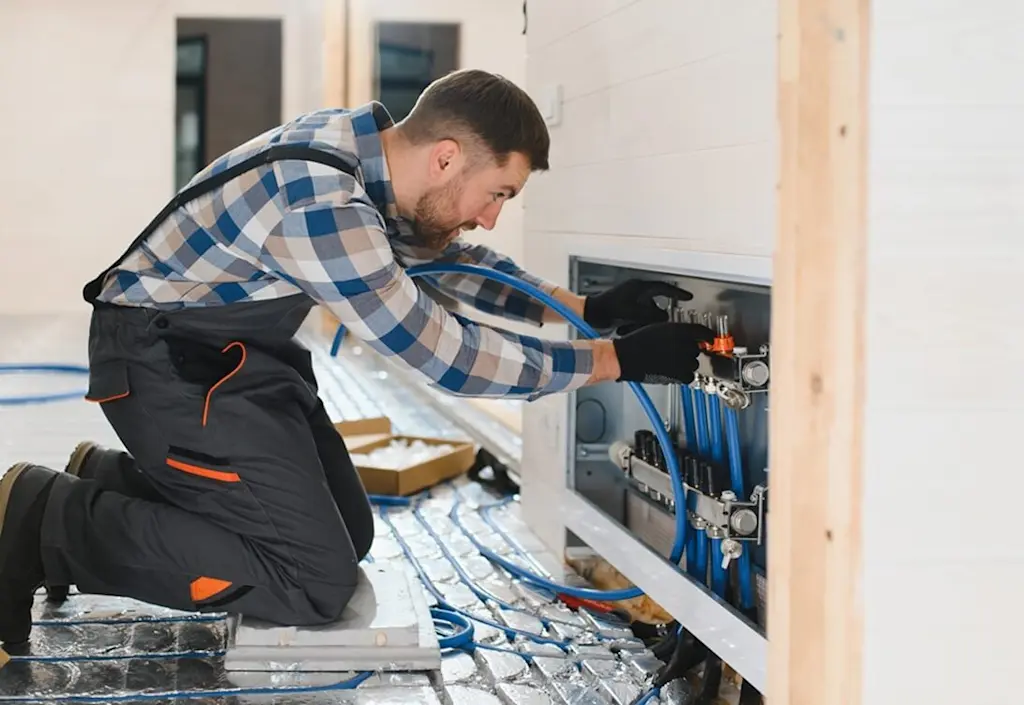
What affects underfloor heating costs?
In most quotes, the final price of UFH is influenced by a few key factors:
Insulation below the system (especially important in older homes)
Floor build-up/levelling work (screed, compound, floor height changes)
Floor covering choice (some finishes work better than others)
Heating source and distance to manifold/boiler
Controls and zoning (multiple thermostats, smart controls)
Room access and disruption (retrofit often means lifting floors)
System size (single room vs whole floor vs whole house)

On Checkatrade, you'll only find trades who meet our high standards and pass up to 12 checks.
Hidden costs to budget for
These are the extras that tend to appear in real underfloor heating quotes:
Insulation boards (often essential for performance, not optional)
Screed/levelling compound
Flooring removal and refit
Door trimming/threshold adjustments
Upgraded heating controls
Boiler capacity checks (for wet systems)
Electrical work (electric systems, especially bathrooms)
If you’re budgeting tightly, it’s worth asking installers what they’re assuming about floor prep. This is where quote comparisons can get messy because some include insulation and levelling, while others don’t.
How long does underfloor heating installation take?
Installation time depends on the system and whether the work is part of a renovation. Typical timelines:
Electric underfloor heating (single room): Usually 1–2 days, depending on floor preparation and electrical work
Wet underfloor heating (single floor): Often 2–5 days, plus time for screed or levelling compounds to cure before flooring is installed
Whole-house installations: Usually installed during major renovation or new builds, so timing depends on the wider project schedule
In retrofit projects, the biggest disruption is often lifting floors and preparing the base, rather than installing the heating itself.
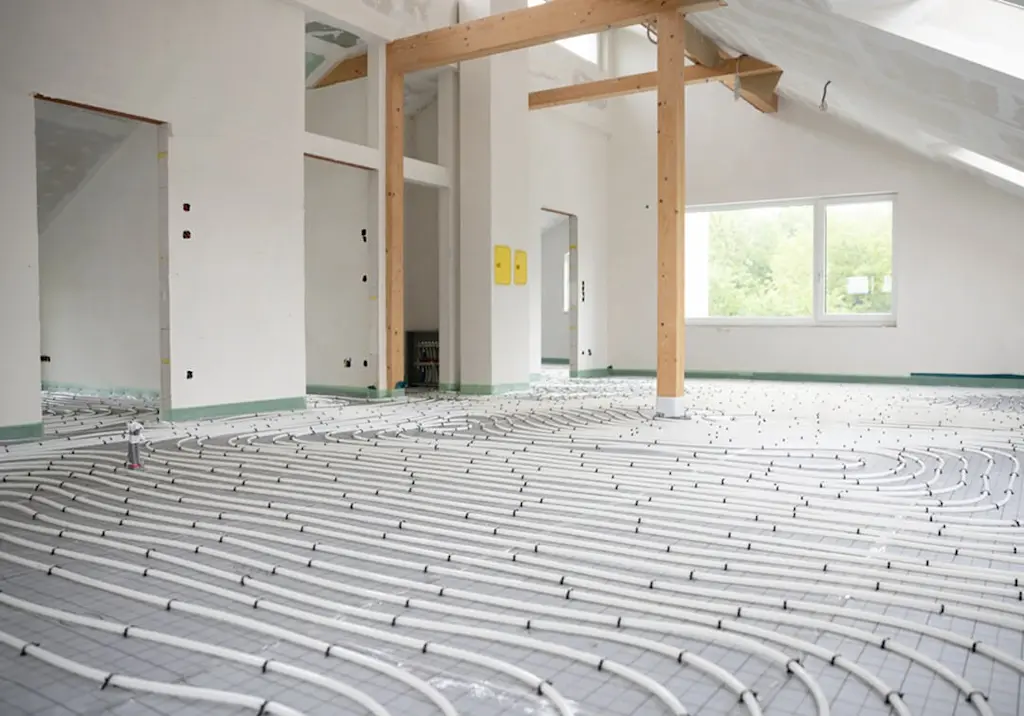
Underfloor heating cost calculator
Use our estimator to get a guide price for your underfloor heating project based on the system type (electric or wet), whether it's a new build or retrofit, and the room size/coverage.
Job Estimate Calculator

This calculator provides a guide price only, not a quote. Always arrange for a trusted local underfloor heating installer to assess your property and provide a written quote before making any decisions.
For a clearer idea of what you’ll actually pay, search for underfloor heating companies operating in your area and get in touch for a quote.
Find an underfloor heating expert near you
Ways to reduce underfloor heating costs
If you're planning underfloor heating, a few decisions can help keep the project affordable:
Install UFH only in key rooms – Bathrooms, kitchens and open-plan spaces often benefit most
Improve insulation first – Proper insulation below the system improves efficiency and reduces running costs
Compare quotes carefully – Check whether insulation boards, floor prep and controls are included
We check the reviews on Checkatrade are from real people, and that trades meet our high standards.
Hiring a specialist vs DIY
Electric underfloor heating: it’s possible to fit mats/cables yourself in some situations, but final connections and certification may need a qualified electrician (and bathrooms are a different ball game).
Wet underfloor heating: generally best left to a professional. It’s more complex, and mistakes can be expensive to fix once the floor is down.


Underfloor heating cost checklist
Is underfloor heating the right choice for your home?
Underfloor heating can be a great upgrade, but it works best in certain situations.
It’s often a good option if you:
Want consistent, even heat across a room
Are renovating floors or building a new home
Want to free up wall space by removing radiators
Electric systems tend to work best in smaller rooms or occasional-use spaces, while wet systems are often more efficient for larger areas or whole-house heating.
If you're unsure which option is best, speaking to an experienced local installer early can help you understand what’s possible with your floor structure and heating system.
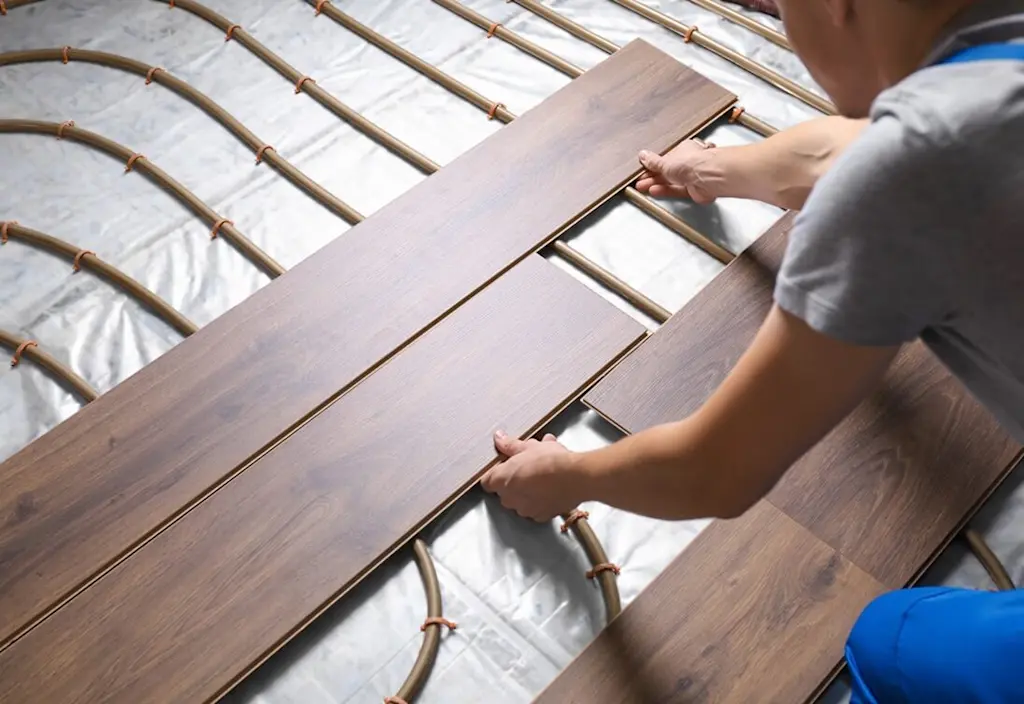
Find underfloor heating installers near you
Underfloor heating affects comfort, running costs and floor levels, so choosing the right installer matters.
Search your postcode to compare checked, reviewed underfloor heating specialists near you, read verified reviews from real jobs, and request quotes with confidence.
Find an underfloor heating expert near you

Underfloor heating FAQs
Is underfloor heating very expensive to run?
Underfloor heating running costs depend on the system and how you use it. Electric underfloor heating is usually more expensive to run, especially across large areas. Wet systems are often cheaper to run long term, particularly in well-insulated homes.
What is the cheapest way to run electric underfloor heating?
To be more economical with electric underfloor heating, use it in smaller zones, set timers, avoid overheating, and make sure there’s proper insulation below the system. Electric UFH is often best used as a comfort top-up (e.g. bathrooms), rather than heating an entire home.
Is electric underfloor heating more expensive to run than radiators?
In many homes, yes, electric underfloor heating is more expensive to run than radiators, especially if your radiators run from a gas boiler. Electric UFH can cost more to run at scale because electricity is typically more expensive per unit than gas. It tends to work best for small rooms or occasional use.
Is underfloor heating worth it?
Underfloor heating is ideal for even heat distribution, clear walls (no radiators), and better comfort underfoot. Wet underfloor heating can be efficient in larger spaces, while electric UFH can be a great upgrade in bathrooms and kitchens.
What’s the difference between electric underfloor heating and a water-based system?
Electric underfloor heating uses heating cables or mats installed beneath the floor, making it simpler and usually cheaper to install.
Water-based (wet) systems circulate warm water through pipes connected to a boiler or heat pump.
Electric systems are easier for smaller rooms or retrofits, while wet systems are often more energy-efficient for larger areas or whole-house heating.
What’s the best underfloor heating system for UK homes?
For whole-house and new builds, wet underfloor heating systems are often the better long-term choice. For single rooms and renovations, electric systems are usually simpler and cheaper to install.
Can I install underfloor heating myself?
Some people fit electric underfloor heating mats themselves, but electrical connections may need a qualified electrician, particularly in bathrooms. Wet systems should generally be installed by a professional.
What does conservatory underfloor heating cost?
For underfloor heating installation to a new conservatory, you can expect the cost to be around £50–£75 per m² for electric and £95–£110 per m² for wet underfloor heating
How much does DIY underfloor heating cost?
If you're comfortable undertaking most of the installation work yourself, you can get underfloor heating for under £1,000.
DIY electric underfloor heating kits typically cost £20–£50 per m², plus a bit over £100 for controls, insulation boards, and installation materials.
However, electrical connections often need to be completed by a qualified electrician (budget around £45 per hour), particularly in bathrooms. Wet underfloor heating systems are usually best installed by a professional.

More Underfloor Heating Installation Articles

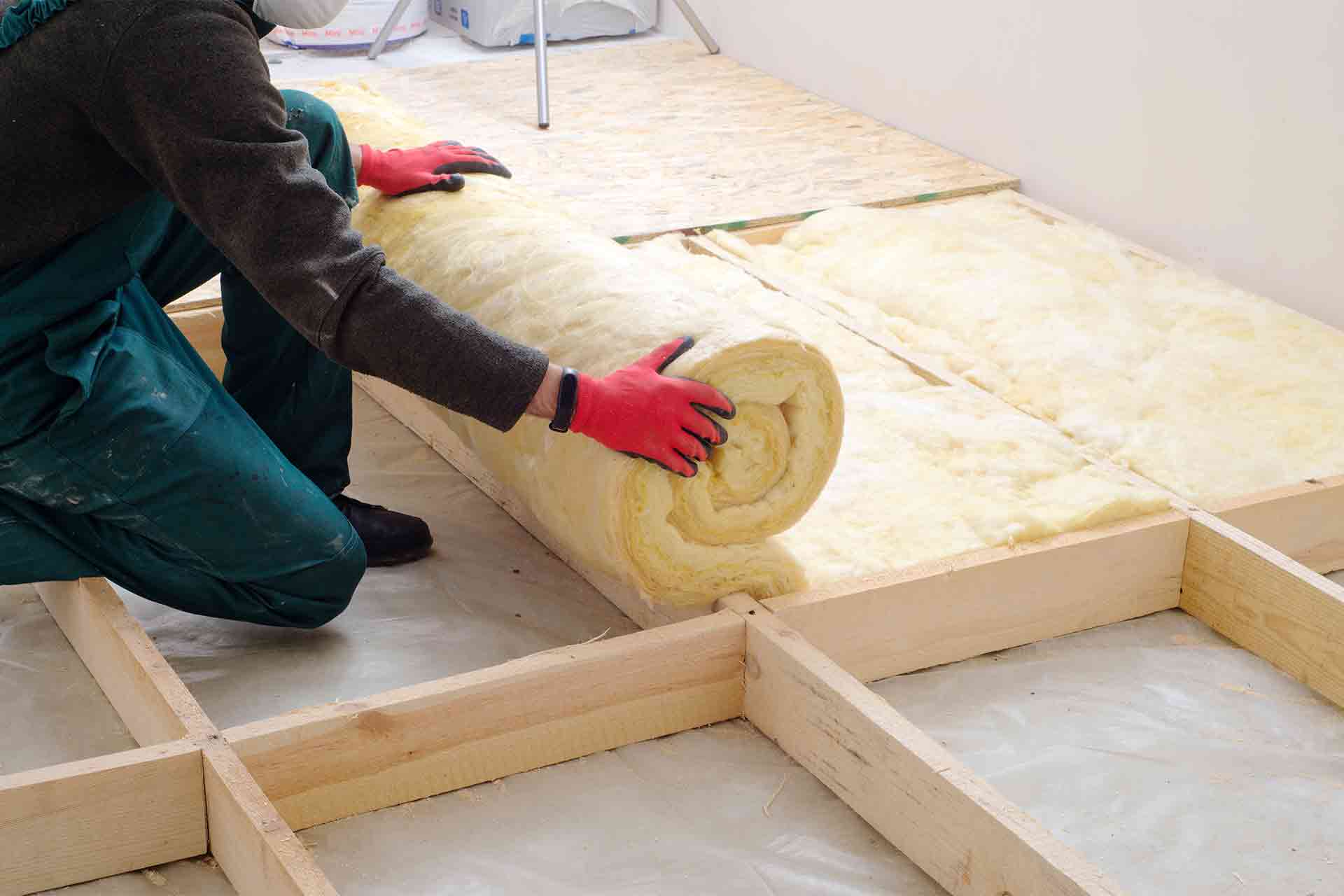
See the tradespeople we've checked for your job