HIRING GUIDES
Hiring an underfloor heating specialist
Updated 07/26
By: Olivia Scammell
Reviewed: Kim Staples
Looking to install underfloor heating in your home? Then you’ll need to enlist the help of an underfloor heating specialist.
What an underfloor heating specialist actually does
The difference between electric and water underfloor heating
What questions to ask before hiring
What qualifications and checks to look for
How much underfloor heating installation typically costs
How to avoid common hiring mistakes
Whether you're planning a single bathroom installation or a whole-house system, this guide walks you through exactly how to find, shortlist, and hire the right underfloor heating (UFH) specialist for your project.
Top tips for choosing the right underfloor heating specialist
1. Look for relevant experience with your heating type
There are two different types of underfloor heating - water and electric - and not every specialist works on both.
If you want a wet system, look for someone with plumbing and heating experience alongside UFH installation.
For electric systems, you'll need someone with Part P electrical competence - or a team where an electrician handles the connection.
If you're not sure, talk to an experienced underfloor heating specialist who can advise you on which system to choose.
2. Always check the heating specialist’s recent reviews
When you’re looking for good-quality underfloor heating specialists, nothing is more valuable than reviews and ratings from previous customers. Online reviews will quickly give you an idea of how reliable, affordable, and efficient a tradesperson is.
Look for reviews that mention underfloor heating specifically - a plumber with excellent boiler reviews isn't necessarily experienced in UFH installation.
On Checkatrade, all reviews are verified against real jobs. You can filter by trade type or service, and look for recent work.
3. Get a range of quotes
Don’t just commit to the first quote you are given. Try to get at least three different written quotes from three different tradespeople so you can compare.
A good quote should break down:
Supply and installation of the heating system
Insulation boards (essential for efficiency - don't skip these)
Thermostat and controls
Any floor preparation needed
Connection to existing heating or electrical supply
Commissioning and testing
Floor finish compatibility advice
Why not bag yourself multiple quotes now by filling out our request a quote form?
Find a local underfloor heating specialist
4. Confirm their time estimate
Before committing to hiring an underfloor heating specialist, get a clear and realistic timeline before work starts.
Installation time depends heavily on the size of the area and the type of system.
As a rough guide, a specialist can typically install an electric system in a standard bathroom in one day.
A full-house wet system across multiple rooms will take considerably longer - often 3-5 days for the heating work alone, separate from any screed or flooring.

What qualifications does an underfloor heating specialist need?
There's no single mandatory qualification specifically for underfloor heating installation. What matters most is relevant trade experience and any qualifications required for the associated work.
For electric underfloor heating, the connection to your electrical supply must be carried out by a Part P registered electrician. This is a legal requirement. If your specialist isn't themselves Part P registered, they should work alongside a qualified electrician for the final connection.
For wet underfloor heating, your specialist should be a qualified heating engineer. If the system connects to a gas boiler, the installer working on the gas side must be on the Gas Safe Register.
When you're comparing UFH specialists, look at:
Documented experience with your system type
Trade body membership (e.g. APHC for plumbing and heating)
References or case studies from similar projects
Evidence of manufacturer training from key UFH suppliers

Need any help planning your central heating? From costs and maintenance tips to user guides and tips for being economical, we know you want a job done right.
Questions to ask an underfloor heating specialist before hiring
Before signing a contract, ask your potential specialist:
About their experience:
How many underfloor heating projects have you completed in the past 12 months?
Can you share examples of similar installations?
Are you Part P registered, or will an electrician handle the connection?
About the installation:
Which system do you recommend for my property - and why?
Is my existing floor structure suitable, or does it need preparation?
What floor finishes are compatible with this system?
How much will the floor height increase?
Will this work with my existing boiler or heat pump, or do I need an upgrade?
About the process:
What does the quote include - materials, labour, thermostat, commissioning?
What's the timeline, and what disruption should I expect?
What guarantee or warranty do you offer on the installation?
What does an underfloor heating specialist do?
An underfloor heating specialist installs a heating system beneath your floor to warm the room from the ground up.
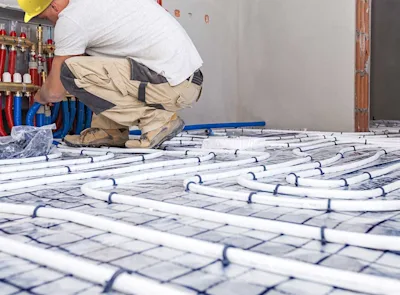
Depending on the type of system, this will either involve laying electric heating mats or cables, or installing a network of water-filled pipes connected to your boiler or heat pump.
Most specialists will:
Advise on which system is best suited to your property, floor type, and existing heating setup
Survey the space and produce a system design
Install the heating elements and any necessary insulation boards
Connect the system to your thermostat and controls
Commission and test the completed system
Advise on compatible floor finishes
Some specialists focus on either electric or wet (water-based) systems, while others cover both. It's worth confirming upfront.
Electric vs water underfloor heating - which is right for you?
The two main types of underfloor heating work very differently, and the right choice depends on your project, budget, and property.
Electric underfloor heating
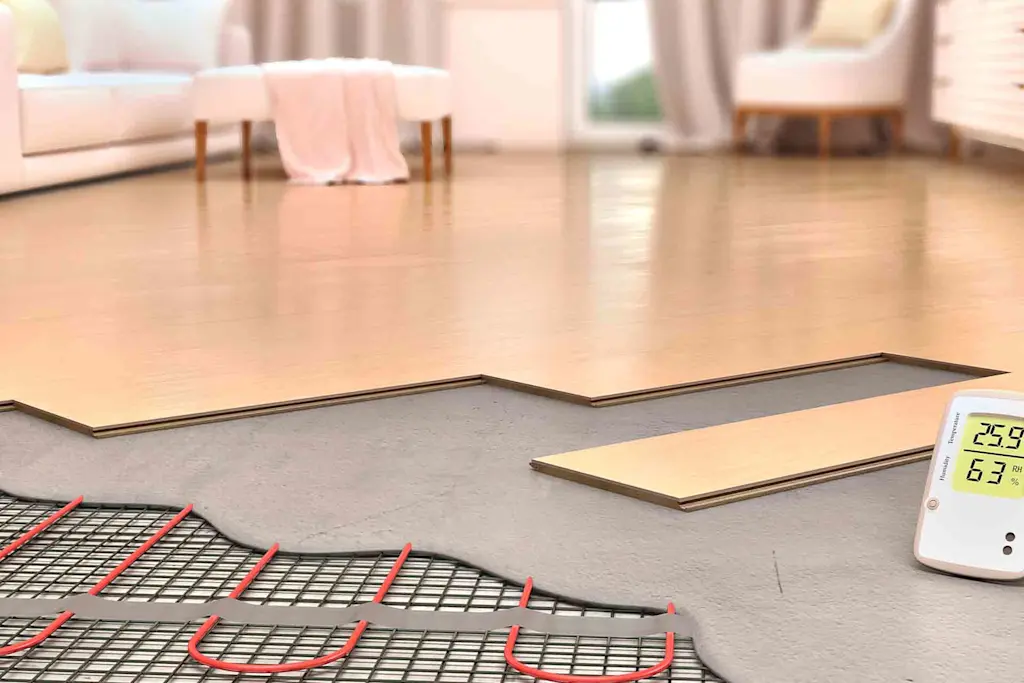
Electric systems use heating mats or cables laid beneath the floor. They're connected to your existing electrical circuit and are controlled via a thermostat.
Electric systems are particularly popular for bathrooms, en suites, and kitchens - smaller areas where the installation cost is modest and the comfort benefit is high.

Pros:
Cheaper and quicker to install than wet systems
Won't increase floor height by much
Can be fitted with less disruption - ideal for retrofits and single rooms
Wattage output can be tailored to the space
Cons:
More expensive to run than wet systems, especially over large areas
Not always suitable for older period properties with very thick original floors
If a section of mat fails after tiling, repairs can be disruptive
Can take slightly longer to heat up than traditional radiators
Always photograph the heating mat once it's laid - before any screed or tiling goes over it. Your electrician should also test the resistance before, during, and after installation. A photo record and test certificate protects you if any fault develops later.
Water (wet) underfloor heating
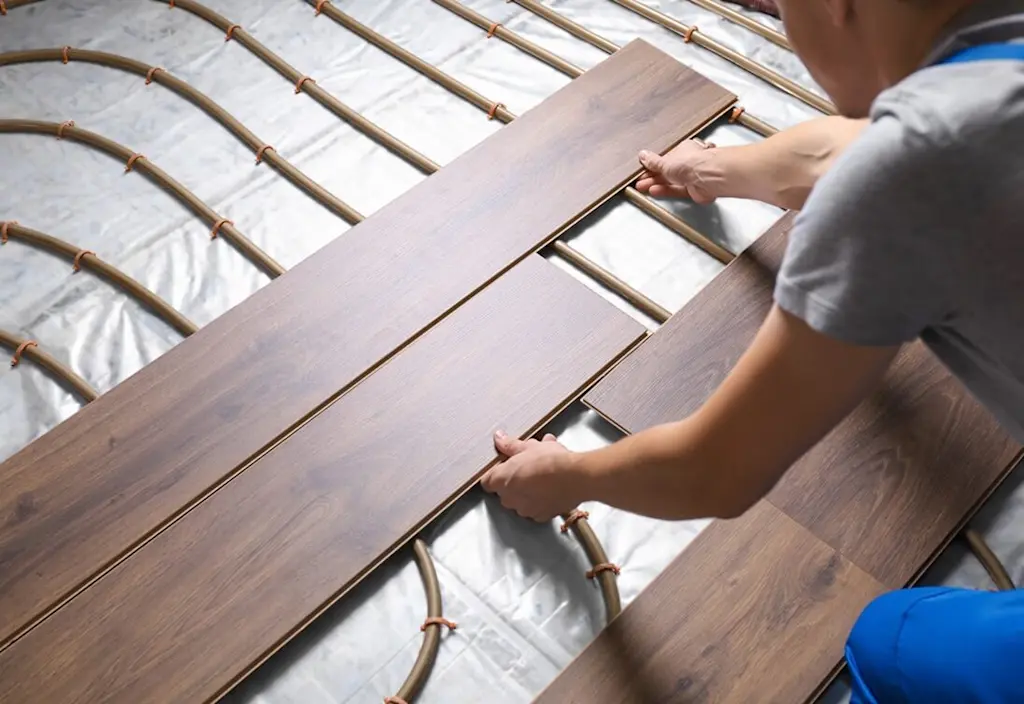
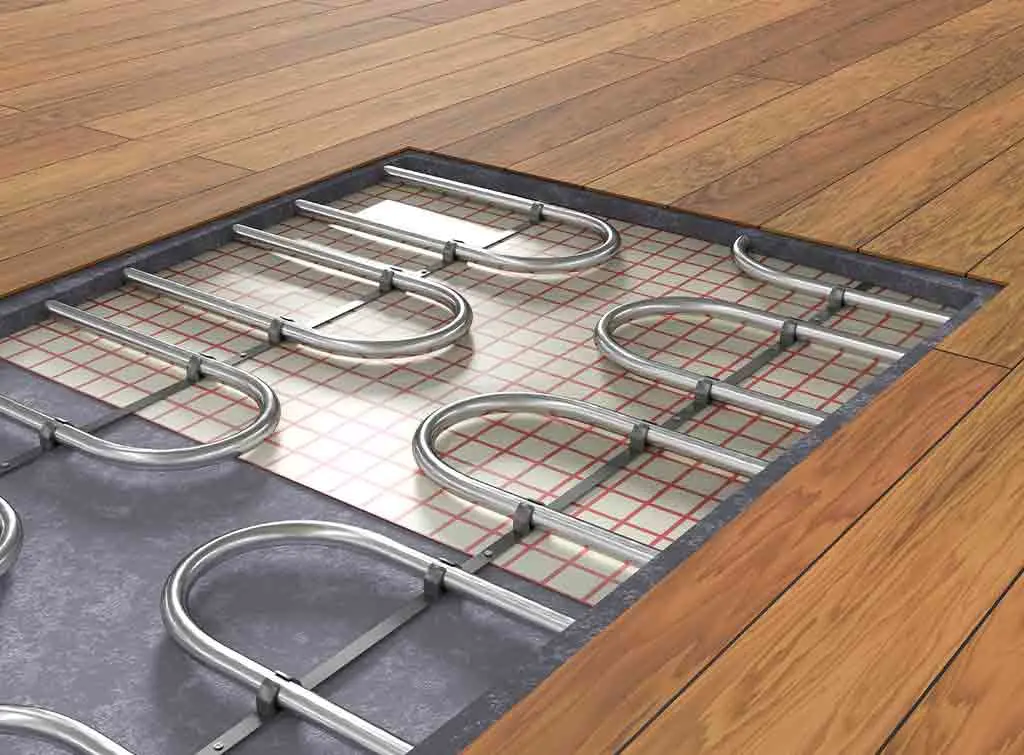
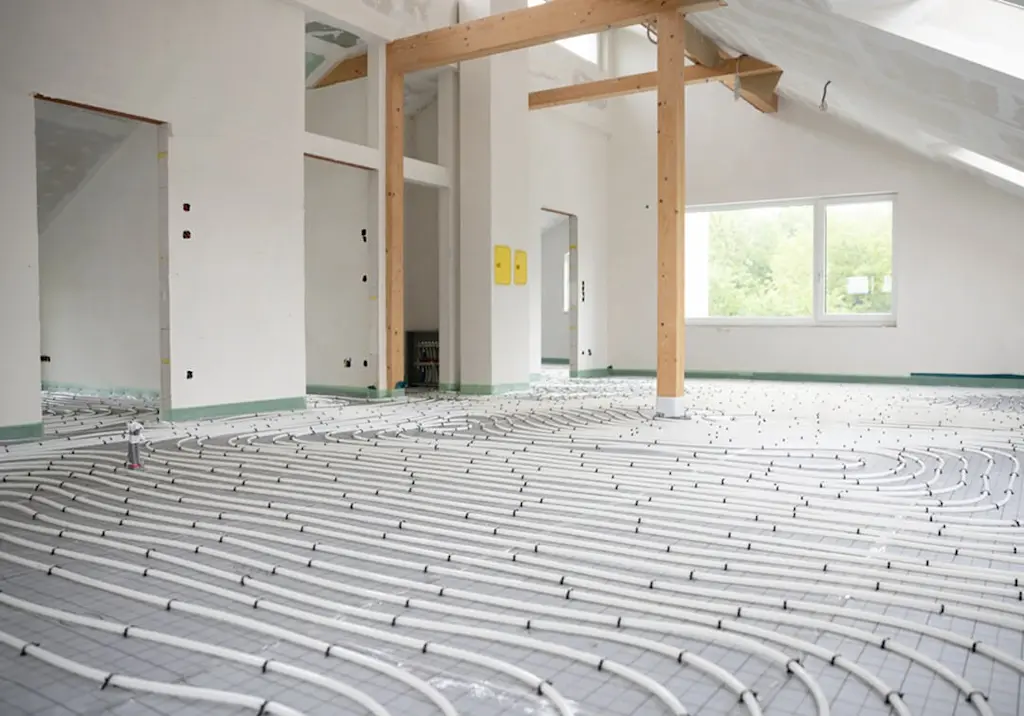
Wet systems circulate warm water through a network of pipes laid in screed or in a low-profile panel system. The water is heated by your boiler or heat pump - imagine a very big radiator under your floor.
Wet systems are better suited to new builds, major renovations, or large areas where long-term running costs matter more than the upfront cost of installation.
Pros:
Significantly cheaper to run than electric - especially over large areas
Pairs well with air source or ground source heat pumps
Ideal for whole-house systems or large open-plan spaces
Cons:
More expensive and time-consuming to install
Adds more height to the floor than electric systems
More complex to install, especially if it's a retrofit in an occupied property
Requires connection to your heating system, which may need upgrading
How much do underfloor heating specialists cost?
As a ballpark price guide, underfloor heating installation and materials from a professional will cost anywhere between £3,000–£13,000.
Costs vary considerably depending on the system type, the size of the area, the floor construction, and your location.
For current, detailed pricing by system type and property size, see our cost guide.
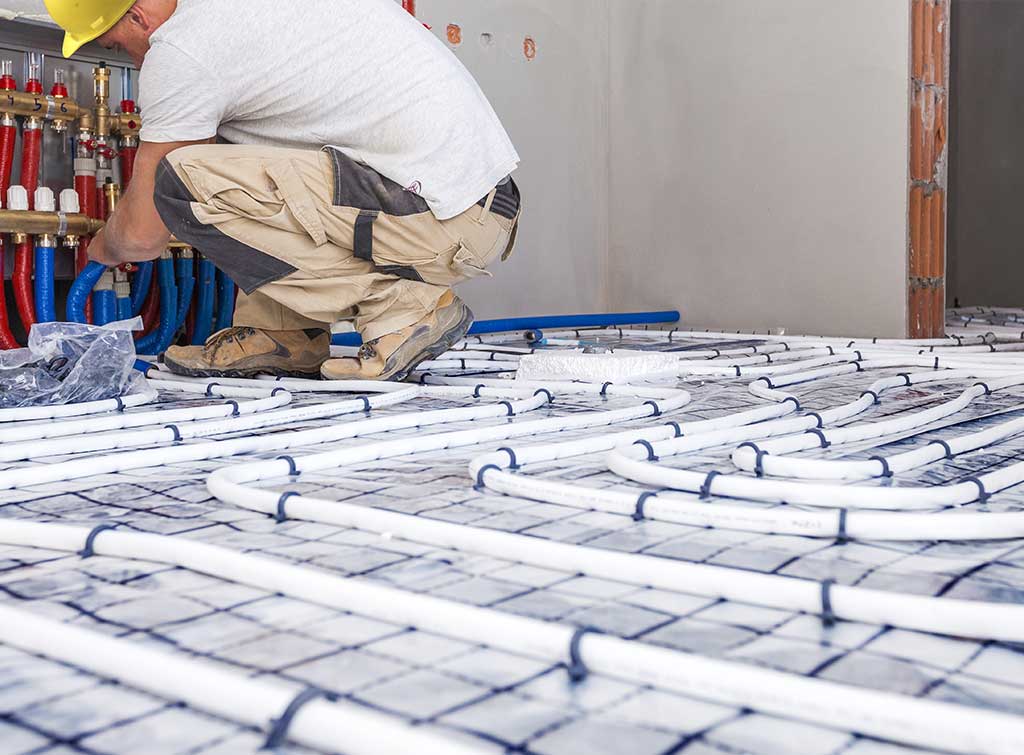
Underfloor heating cost: 2026 UK price guide & breakdown
Here, you'll find the typical underfloor heating costs in the UK, including the installation and running costs for both electric and wet systems, and factors that affect pricing.
Try the job estimate calculator
For a quick estimated quote on your underfloor heating installation, type a few details into our job estimate tool. The calculator will use Checkatrade cost data to give you an idea of how much it may cost. Give it a go!
Job Estimate Calculator

Hiring an underfloor heating specialist checklist
Tick off everything on this checklist, and you'll be in with a better chance of finding an underfloor heating specialist who you're happy with.

Your underfloor heating specialist hiring checklist
Find your underfloor heating specialist
To get started finding the best underfloor heating specialist for your home, enter your postcode into our search tool. We'll show you all the Checkatrade tradespeople who offer UFH installation and other services in your area - so you can browse your options and start gathering quotes.
You can also post your job to hear back from local tradespeople who can give you a quote, or download the Checkatrade app!
Find a local underfloor heating specialist

FAQs
Electric systems use heating cables or mats connected to your electrical supply. Wet systems circulate warm water through pipes in the floor, heated by a boiler or heat pump.
Electric is cheaper and easier to install but costs more to run. Wet systems cost more upfront but are significantly cheaper to run - especially over large areas.
Most floor types are compatible with underfloor heating, but some are better than others.
Tiles and stone have excellent thermal conductivity and are ideal. Laminate, vinyl, and engineered wood are generally compatible, but you must choose products rated for use with underfloor heating.
Thick solid timber and carpet reduce the system's efficiency.
Yes, potentially. In a well-insulated modern property, a wet underfloor heating system can comfortably replace all radiators. Older or less insulated properties, however, may benefit from a combination approach.
A specialist will assess your property's heat loss before recommending a system.
For an electric UFH system in a single room, installation typically takes 1-2 days.
A whole-house wet system across multiple rooms is a much larger project - the heating installation alone might take 3-5 days, with additional time for screed to cure before flooring can be laid.
Electric UFH mats are typically 3-4mm thick, though they'll usually be covered by screed or adhesive which adds further height.
Wet systems in screed add more - often 70-100mm for a traditional screed installation.
Low-profile systems are available for retrofits and add considerably less. Your specialist should confirm the exact increase for your chosen system.
Yes! In fact, it's one of the best combinations available. Heat pumps work most efficiently when producing water at lower temperatures (35-45°C rather than the 70-80°C typical of radiator systems), which is exactly the range at which wet underfloor heating performs well.
Yes. A programmable thermostat lets you set different temperatures by room and by time of day - essential for both comfort and managing running costs.
Smart thermostats with app control are increasingly popular and can make a real difference to energy bills.
Running costs depend on the system type, the size of the area, your energy tariff, and how well your home is insulated.
Wet systems running at lower temperatures are the most efficient. Electric systems are more expensive per unit of heat but the overall cost depends on how many hours per day and how large the area is.
A good specialist will provide running cost estimates alongside the installation quote.

Whether you're weighing up the cost of electric heating systems or looking for ways to create a 'greener' home, at Checkatrade, we're here to help.
More Underfloor Heating Installation Articles
See the tradespeople we've checked for your job