EXPERT ADVICE
Shower panels vs tiles: Which is best for your bathroom?
Updated 07/26
By: Olivia Scammell
Reviewed: Kim Staples

If you're renovating a bathroom, the choice between shower panels and tiles is a big decision - and it affects your budget, your maintenance routine, and how long the finish will last.
The real pros and cons of shower panels versus tiles
How much each option costs to buy and install
How much upkeep each one actually needs long-term
Which option adds more value if you're planning to sell
How to find a tradesperson to install tiles or panels to your shower
Here's a clear, practical comparison to help you decide which is best between shower panels or tiles.
We'll go through the pros and cons of each choice, how costs compare, and how each one can affect your overall bathroom design.
Shower panels vs tiles at a glance
Shower panels | Tiles | |
|---|---|---|
Installation time | 1-2 days | 1 week+ |
Maintenance | Low - no grout to clean | Higher - grout needs regular cleaning and occasional resealing |
Design | Growing range of finishes available, but less variety and choice than tiles | Extensive choice - a huge mix of materials, colours, patterns, and textures available |
Waterproofing | Very high - they're seamless with fewer joints | Good - but relies on the grout and sealant staying intact |
Cost | Often lower, once labour is factored in | Often higher, especially with premium materials or intricate layouts |
What are shower panels?
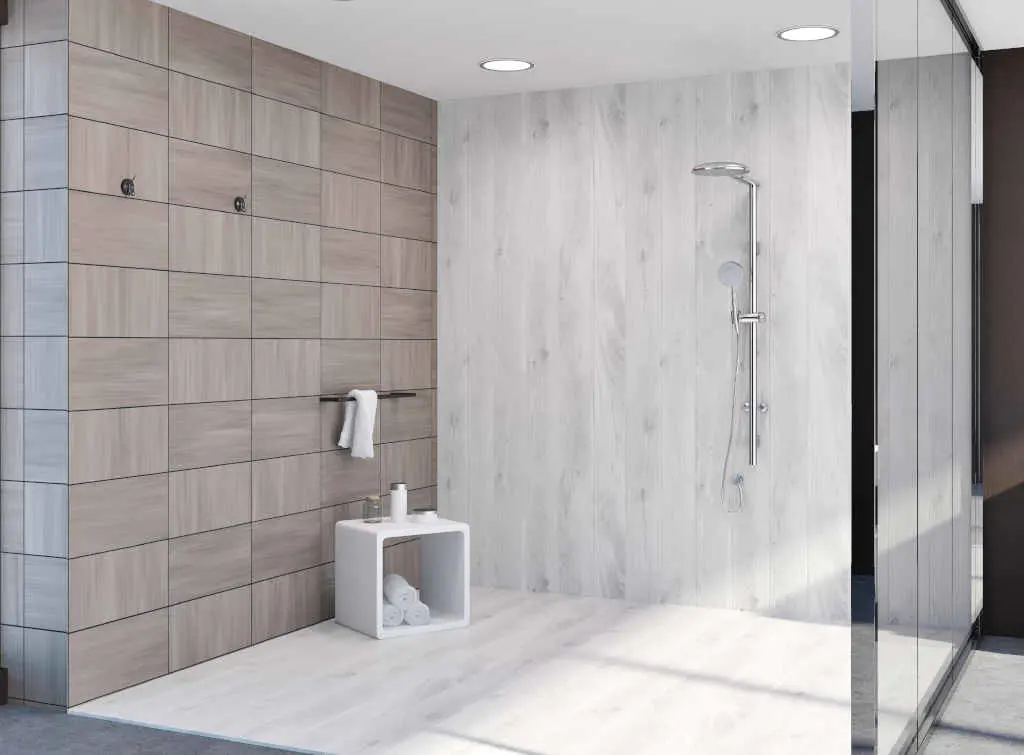
Shower panels are large, waterproof wall coverings designed to fit inside a shower cubicle or wet area. They essentially replace multiple rows of tiles with a handful of big sheets.
Because they're grout-free, they cut out one of the most time-consuming parts of bathroom maintenance.
Shower panel pros
No grout to clean - a major time-saver, and it eliminates one of the most common places for mould and mildew to build up
Quick installation - most panel jobs take a day or two, compared to a week or more for a full tiled shower
Cost-effective - often a lower overall cost than tiling once labour is factored in
DIY-friendly - kits are widely available for confident DIYers, though a professional installation still gets the best watertight finish
Can often go over existing tiles - as long as the wall underneath is level, which can save on removal costs
Shower panel cons
Less design flexibility - while the range of finishes has grown (including marble-effect and printed designs), panels still can't match the mix-and-match creativity of tiles
Repairs can be visible - a scratch or impact on a panel is sometimes harder to disguise than replacing a single damaged tile
Quality varies - cheaper panels can scratch or discolour faster than premium ranges
Find a tiler for your shower
What are tiles?
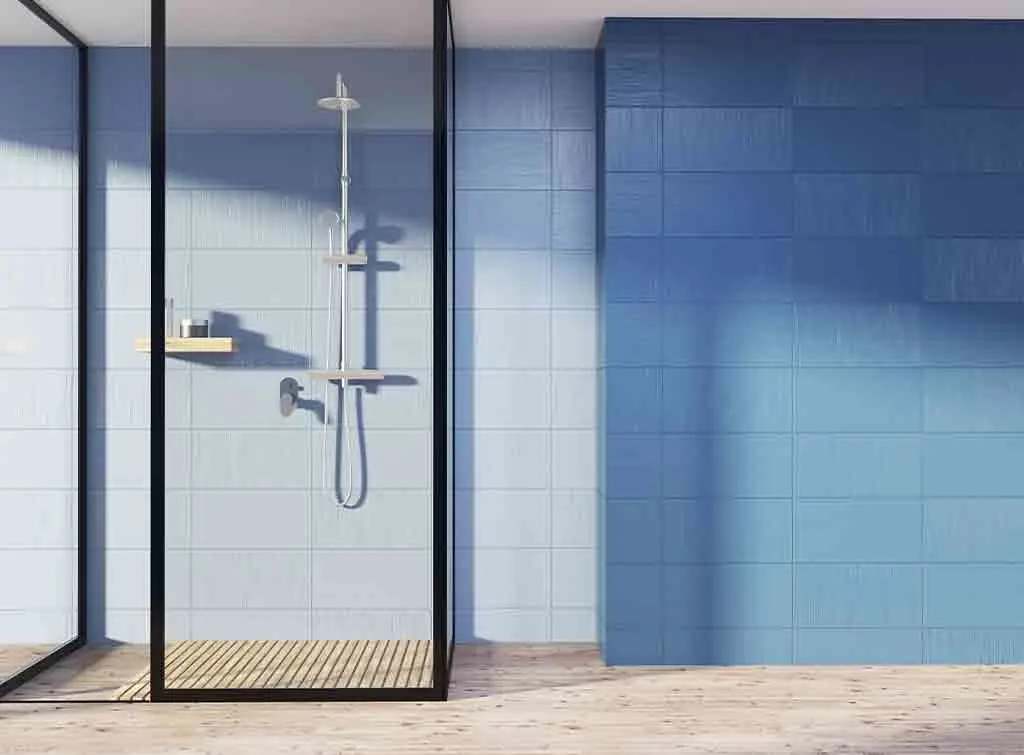
Tiles are individual pieces, usually ceramic, porcelain, or natural stone, fixed to the wall with adhesive and finished with grout.
They're a classic choice for decorating your shower, and for good reason.
Read our bathroom tile ideas for some extra inspiration.
Tile pros
Maximum design freedom - you have lots of scope to choose between materials like porcelain, marble, slate, or pebble-effect, and create patterns, borders, or feature walls
Timeless, high-end look - tiles are often seen as the more premium finish, particularly natural stone
Individual repairs - a single cracked or chipped tile can usually be replaced without redoing the whole wall
Wide price range - from budget ceramic to high-end stone, so there's an option for most budgets
Tile cons
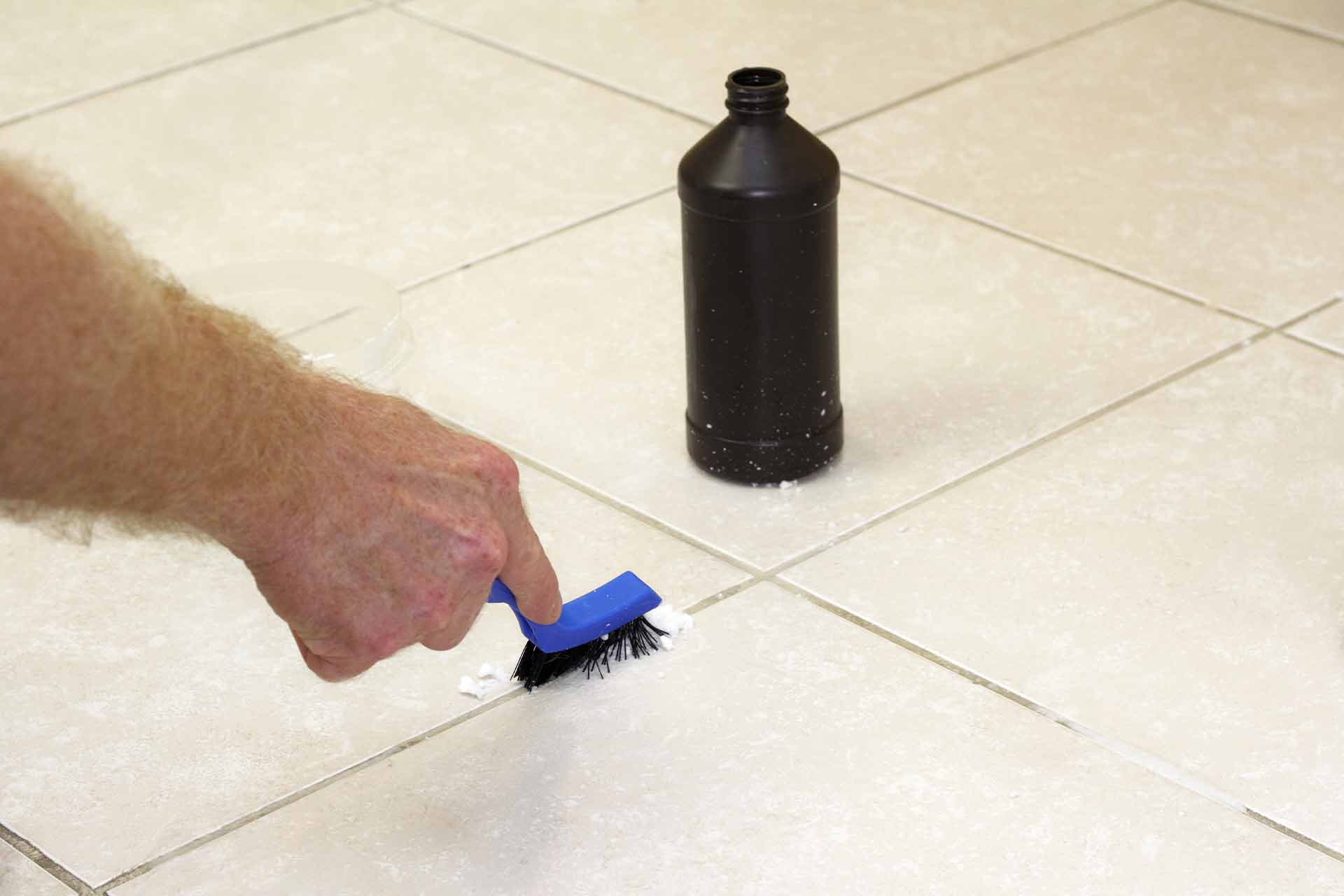
Grout maintenance - grout needs regular cleaning and periodic resealing to avoid mould, discolouration, and water ingress
Longer installation time - full tiling jobs typically take several days to a week or more, especially with intricate layouts or small format tiles
Higher labour cost - the more technical, multi-stage installation (prep, tiling, grouting, sealing) generally costs more in labour than panels
Love the look of tiles but dread the upkeep that grout requires? Ask your tiler about epoxy or urethane grout. Both resist staining and mould far better than standard cement-based grout, though they cost a little extra.
Find a tiler for your shower
How much do shower panels vs tiles cost?
As a general rule, panels tend to come out cheaper once you add up materials and labour, mainly because installation is faster and there's no grouting stage.
Costs for both vary hugely depending on material quality, shower size, and labour rates in your area, however. Premium panel finishes and high-end natural stone tiling can both push costs up significantly.
For current UK pricing, see our tiling cost guide and shower installation cost guide.

How much does tiling cost in 2026?
Discover average tiling costs in the UK, including bathroom, kitchen, and floor tiling prices per m², alongside tips to budget wisely.
Shower panels vs tiles: Which lasts longer?
Both options can last well over a decade with proper care.
Tiles, especially natural stone or high-fired porcelain, are extremely hard-wearing, but their lifespan depends heavily on the grout and sealant staying intact. Once water gets behind failing grout, damage can spread quickly.
Quality shower panels, meanwhile, avoid the risk of grout failing entirely. However, a poor-quality panel can show its age through scratching or discolouration sooner than a well-maintained tiled wall.
Shower panels vs tiles: Which adds more value if you're selling?
Tiles, particularly natural stone or a well-executed pattern, are often seen as the more premium finish and can appeal strongly to buyers who want a classic look.
Shower panels appeal to buyers who value low maintenance and a modern, seamless finish.
Neither is a clear winner on resale value alone - it depends more on the overall quality of the bathroom and how well the finish suits the style of the property.
Can shower panels go over existing tiles?
Often, yes, provided the existing tiled wall is flat, level, and structurally sound.
This can be a real time and cost saver, since it avoids the mess and labour of stripping tiles off first.
A tradesperson can check whether your current wall is suitable before you commit to either option.
If your existing tiles are cracked, hollow-sounding, or coming away from the wall, panelling over them isn't a safe shortcut. The wall will need to be made good first regardless of which finish you choose next.
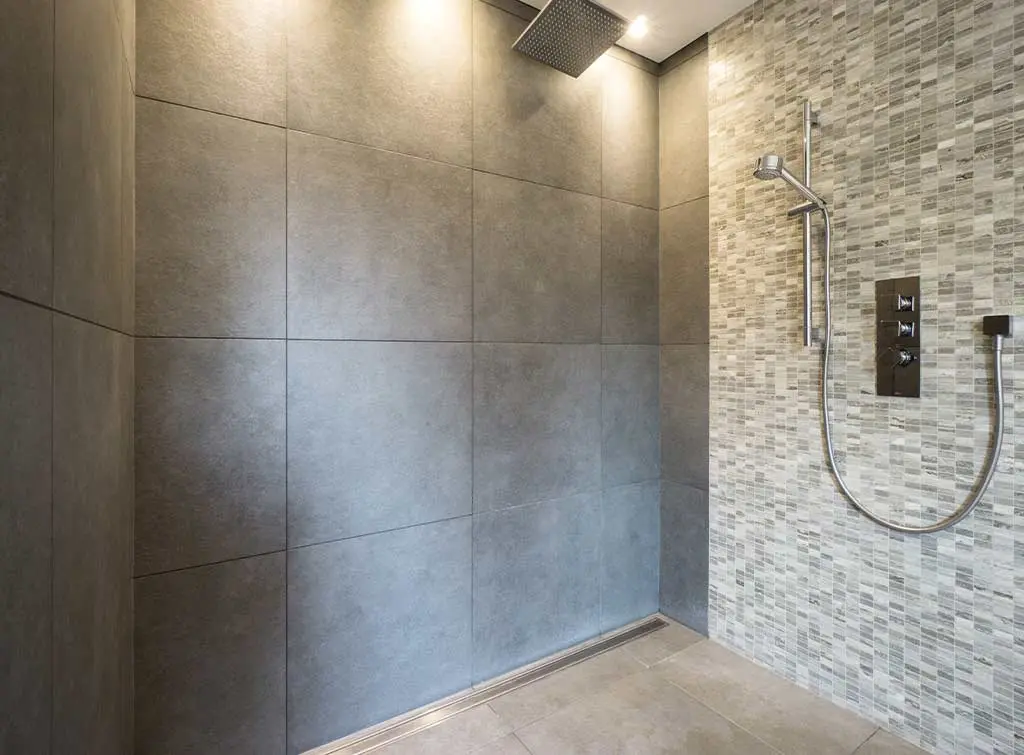
How to decide between shower panels and tiles
It comes down to what you value most:
Choose panels if you want low maintenance, a quick installation, a grout-free waterproof finish, and a generally lower overall cost.
Choose tiles if you want maximum design freedom, a classic or high-end look, and the ability to repair individual sections rather than a whole panel.
Both can look excellent - it's about which trade-offs suit your bathroom, budget, and how much time you want to spend on upkeep.
Find a tradesperson for your shower renovation
Whether you go for panels or tiles, proper installation from a trusted tradesperson makes a real difference to the finished waterproofing and longevity, especially around joints, corners, and shower trays.
Get started finding a tiler for your shower by entering your postcode into our search tool - or download the Checkatrade app.
Then you can browse local tilers, reach out for quotes, and compare your options.
Find a tiler for your shower

FAQs
Panels are generally lower maintenance, quicker to install, and often cheaper overall.
On the other hand, tiles offer far more design flexibility and a classic, high-end look, but need more upkeep and typically take longer to install.
Usually, yes, once labour is included, since panel installation is faster and skips the grouting stage entirely. Premium panel finishes and high-end tiling can narrow or reverse that gap, so it's worth comparing like-for-like quotes.
Often, yes, as long as the existing tiled wall is flat, level, and in good condition. This can save the time and cost of removing the old tiles first, though a tradesperson should check the wall's suitability before installation.
Not necessarily. Higher-quality panels come in a wide range of finishes, including marble-effect, stone-effect, and custom printed designs, and can look genuinely premium.
Budget panels are more likely to look and feel less high-end than good quality tiling.
Good quality panels typically last well over a decade with normal care, since there's no grout to fail. Cheaper panels may show scratching or discolouration sooner.
It can be. Standard cement-based grout needs regular cleaning and periodic resealing to prevent mould, staining, and water getting behind the tiles. Epoxy or urethane grout resists this much better, at a slightly higher cost.
Panels, by a significant margin. Most panel installations take a day or two, while a full tiling job, particularly with intricate patterns or small-format tiles, can take a week or more.
Yes. Some homeowners use panels in the shower enclosure itself, where waterproofing and low maintenance matter most, and tiles elsewhere in the bathroom for design flexibility.
Want to learn more? See our shower hub for more expert guides, and find out how to hire other tradespeople such as a tiler for wall and floor finishes, or a bathroom fitter if you're replacing the whole suite at once.

See the tradespeople we've checked for your job