EXPERT ADVICE
How to clean block paving: practical tips to keep your driveway looking its best
Updated 04/26
By: Olivia Scammell
Reviewed: Laura Macdonald
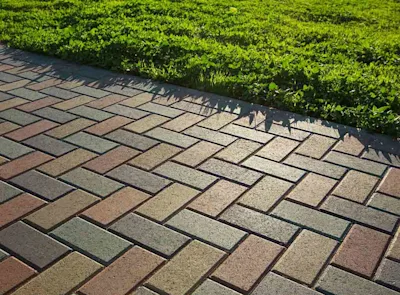
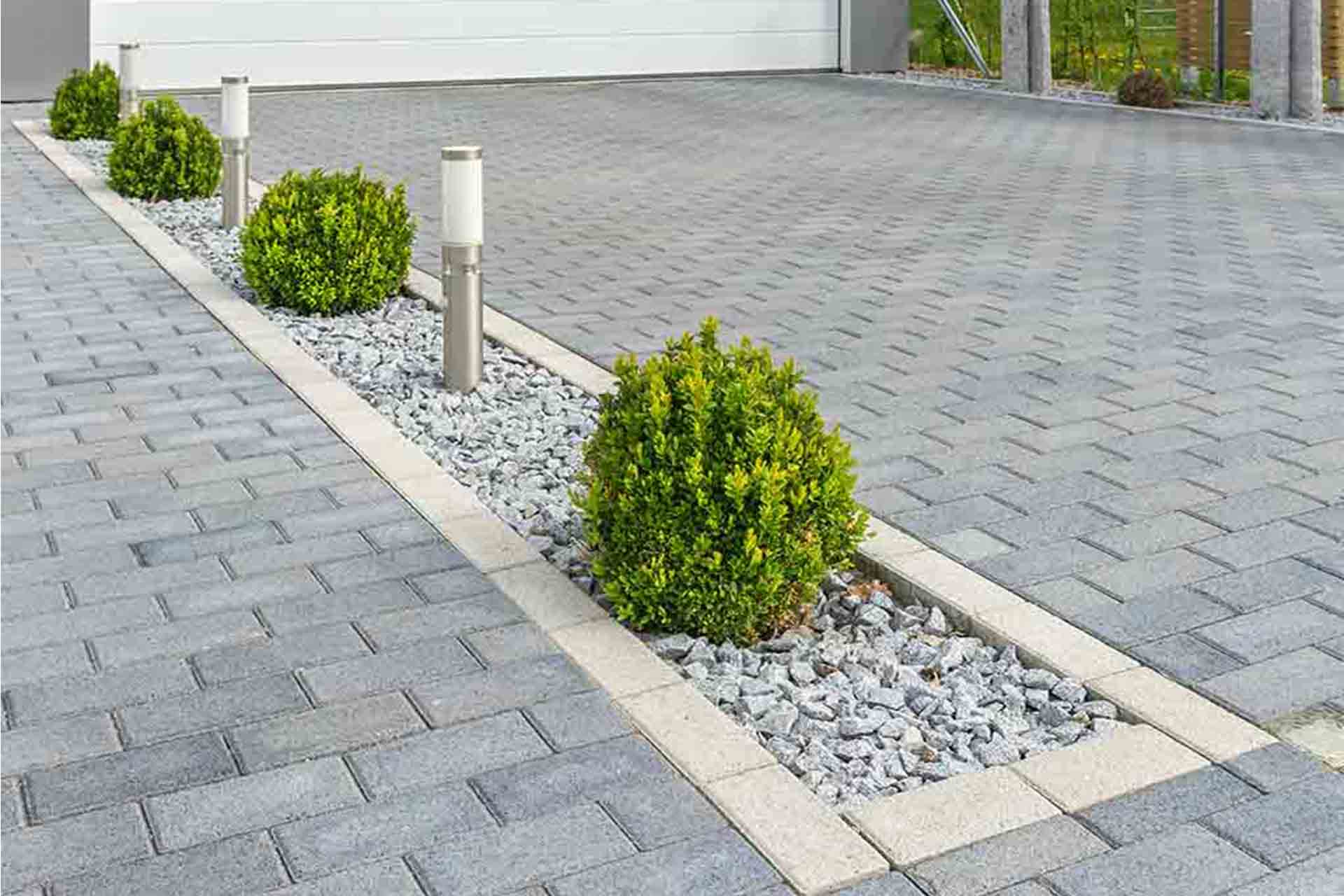
Block paving is a popular choice for driveways and patios because it looks smart, lasts well, and can handle daily wear and tear.
But like any outdoor surface, it doesn’t stay pristine forever. Over time, moss builds up, tyre marks show where cars turn, and the odd spill or stain can start to make your driveway look tired.
Keeping block paving clean usually comes down to a few simple habits and knowing what to do when stains appear. In many cases, a gentle clean is all that’s needed to bring it back to life.
In this guide, you’ll find practical ways to clean block paving, remove common stains, and look after your driveway so it stays in top condition for years to come.
The safest way to clean block paving without causing damage
How to remove common stains like moss, oil, cement, and tyre marks
When to use a pressure washer (and when to avoid it)
Simple maintenance habits that keep paving looking good for longer
When it might be worth bringing in a driveway cleaning professional
Why block paving gets dirty
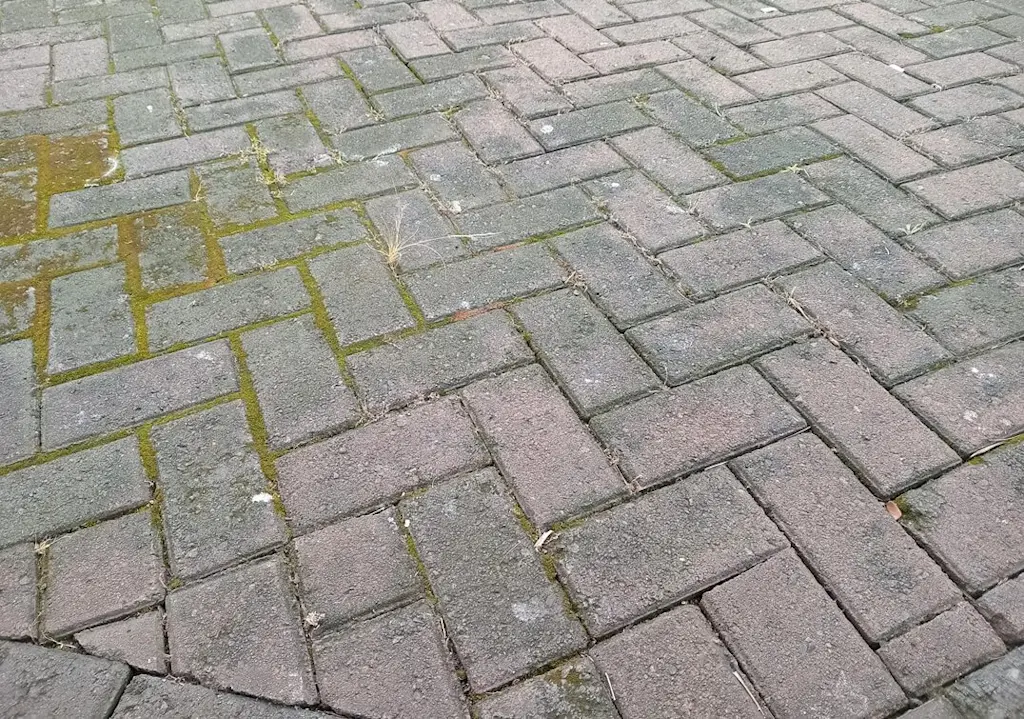
Block paving is well-known for its durability, but it’s also exposed to the elements every day. Over time, dirt and moisture settle into the surface and joints, creating the perfect conditions for staining and plant growth.
Common causes include:
Moss and algae in damp or shaded areas
Oil leaks from cars or machinery
Tyre marks from turning wheels
Cement residue after building work
General dirt, dust, and weathering
None of this means there’s anything wrong with your paving. It’s just part of normal use. With the right cleaning approach, most marks can be removed or reduced quite easily.
Routine maintenance
A bit of regular care goes a long way in helping your block paving stay in good condition. In fact, prevention is often much easier than the effort needed for a deep clean later on.
Simple maintenance habits include:
Sweeping the surface regularly with a medium-stiff broom
Removing weeds before they become established
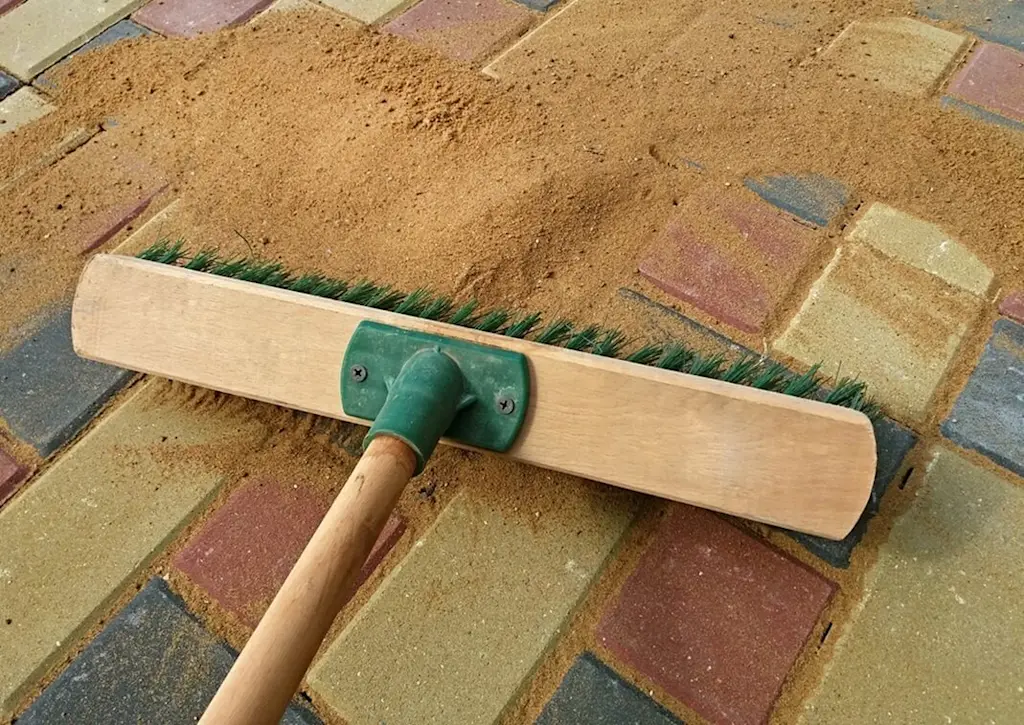
Topping up jointing sand if it starts to wash away
Rinsing spills quickly to prevent staining
Checking drainage areas stay clear
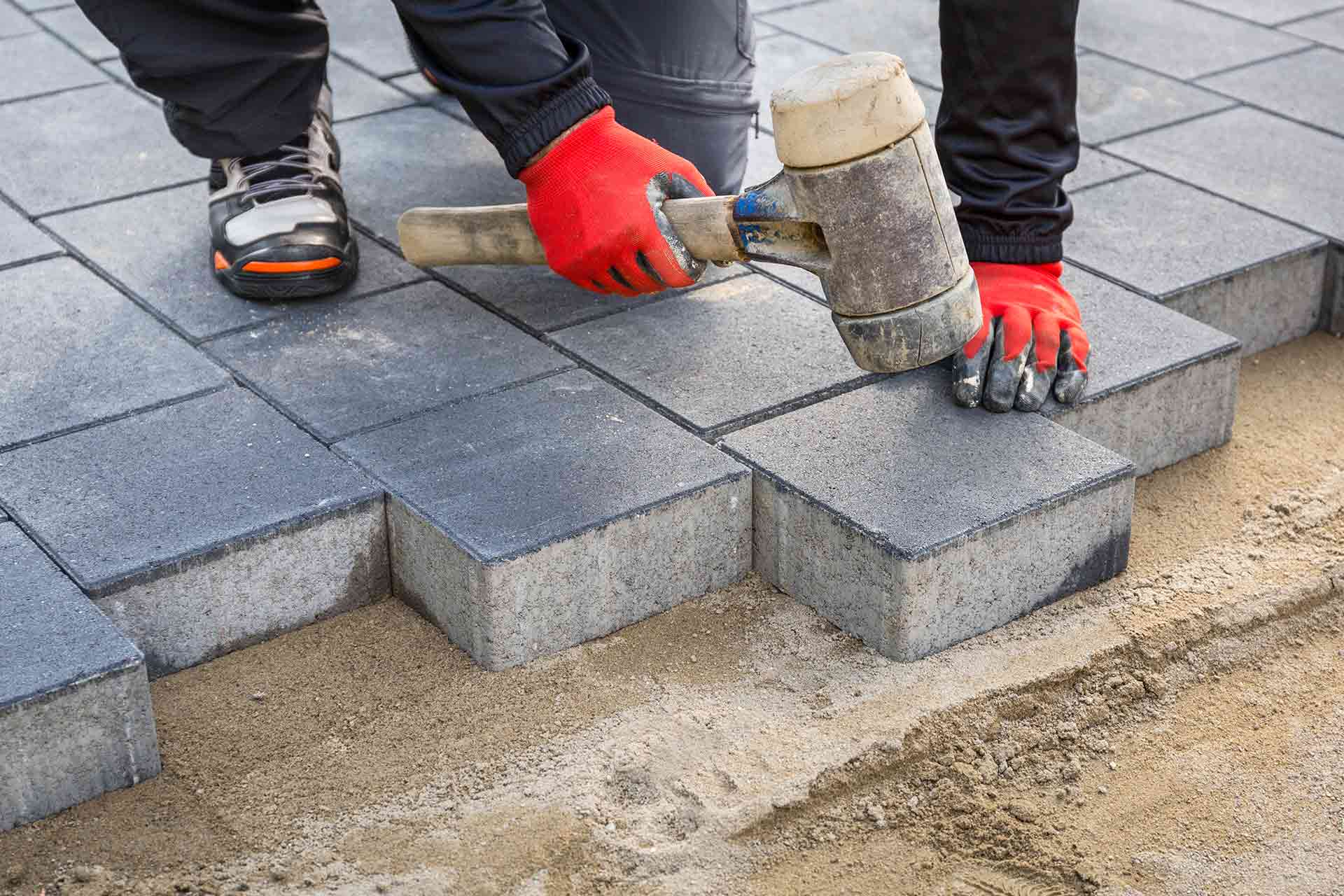
If your paving is newly installed, keeping the joints properly filled with sand is particularly important. Without it, water can wash the sand away and weaken the structure beneath the surface.
How to clean block paving: step-by-step
For general dirt, light staining, or routine cleaning, this straightforward method works well for most driveways and patios.
Step-by-step cleaning method
Sweep the surface to remove loose dirt and debris
Mix warm water with a suitable paving detergent
Apply the solution using a watering can or bucket
Scrub gently with a medium-stiff brush
Rinse thoroughly with clean water
Allow the paving to dry naturally
Re-sand joints if needed once the surface is fully dry
That’s often enough to freshen things up without risking damage.
For most homes, a thorough clean once or twice a year is usually enough to keep block paving looking good. Spring is often the best time to tackle the job, as it clears away winter grime and helps prevent moss and weeds taking hold. A lighter sweep and rinse during the summer or early autumn can help keep things under control.
Removing common stains
Different stains need slightly different approaches. The key is to start gently and only move to stronger cleaning methods if really needed.
How to remove moss and algae from block paving
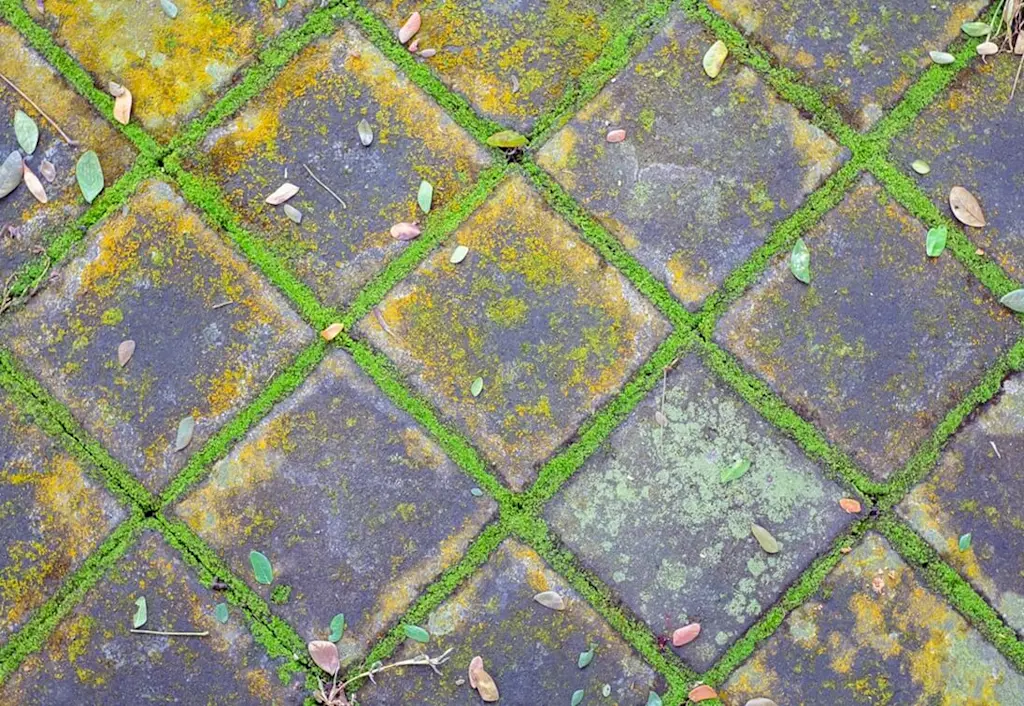
Moss and algae are among the most common problems, especially in shaded or damp areas. They can make paving slippery, so it’s worth tackling them early.
Start with these steps:
Brush away loose moss using a stiff broom
Rinse the area with warm water
Apply a paving cleaner or diluted white vinegar
Scrub lightly and rinse thoroughly
If the growth is stubborn, a diluted bleach solution can help, but it should be used carefully.
Using bleach safely
Mix one part bleach with ten parts water
Apply the solution to the affected area
Leave for around 15–30 minutes
Rinse thoroughly with clean water
Avoid repeated use of bleach, as block paving is porous and may become discoloured over time. If you have plants nearby, take care to protect them from splashes.
How to remove cement stains or efflorescence from block paving
After building or landscaping work, you might notice a white powdery residue on the surface. This is called efflorescence and is usually temporary, but it can look unsightly while it lasts.
To clean cement residue or speed up the process:
Choose a biodegradable citric acid-based cleaner designed for brick or paving
Apply the solution according to the manufacturer’s instructions
Allow it to sit for the recommended time
Rinse thoroughly with clean water
Avoid using wire brushes or harsh chemicals on clay blocks, as these can damage the surface. Once the area is dry, check the joints and top up the sand if needed.
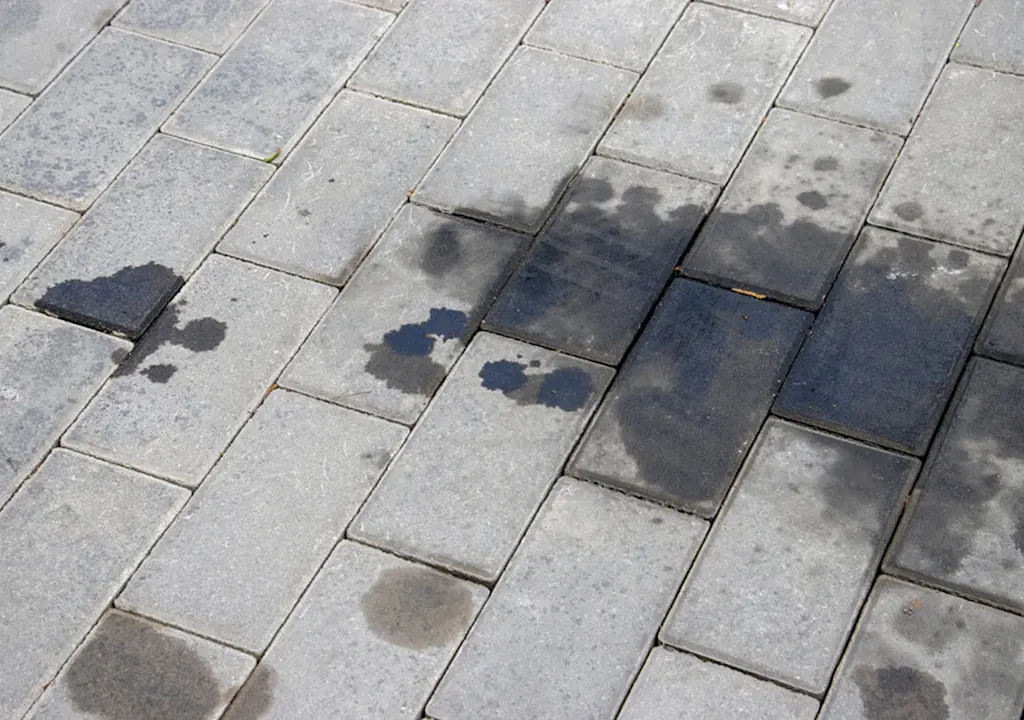
How to remove oil from block paving
Oil stains can soak into the surface of block paving quickly, so the sooner you deal with them, the better. Common household products can often do the job.
Try this method:
Cover the stain with baking soda or washing-up liquid
Leave it to sit for several hours
Scrub gently with warm water
Rinse thoroughly
For stubborn stains, a specialist degreasing cleaner may be needed.
It’s also worth identifying the source of the oil — such as a vehicle leak — to prevent the stain from returning.
How to remove tyre marks from block paving
Tyre marks are usually caused by friction from turning wheels and can be particularly noticeable on decorative driveways.
In many cases, they fade naturally with time and weathering. But if you want to speed things up, start with a gentle clean.
Simple removal method:
Apply warm water and paving detergent
Scrub lightly with a soft or medium-bristled brush
Rinse thoroughly
If the marks remain, a pressure washer can help, but it should be used carefully.
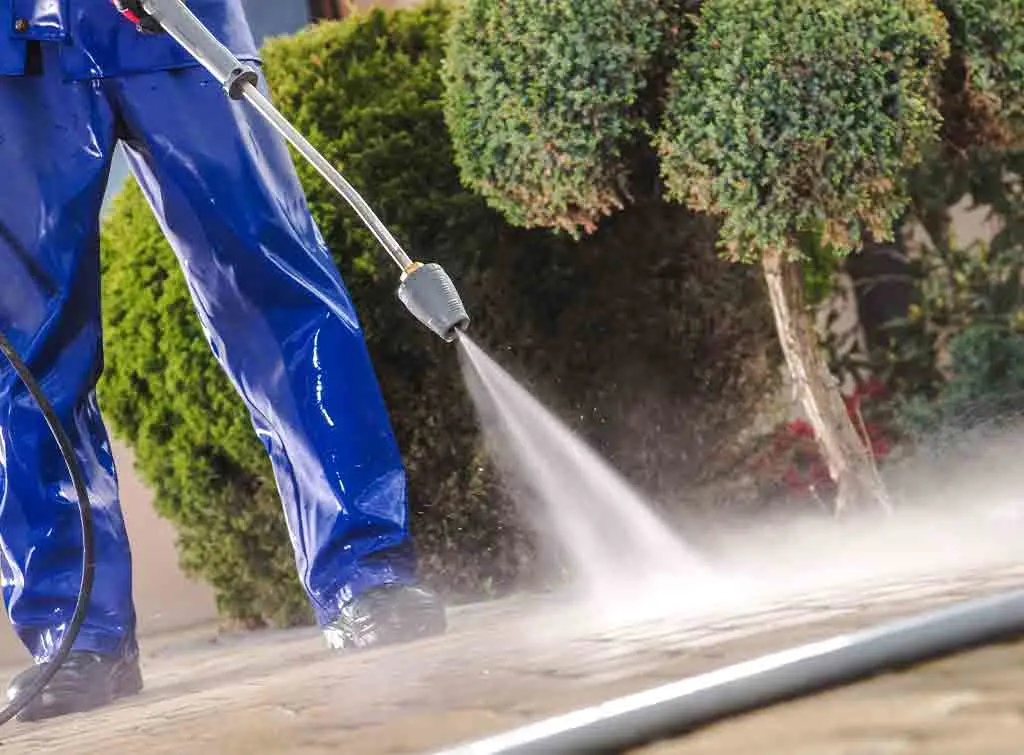
Using a pressure washer safely
A pressure washer can be really useful for heavy dirt or stubborn stains, but it needs to be used with caution. Too much pressure can remove jointing sand and damage the surface of the paving.
If you decide to use one:
Keep the pressure on a low setting
Hold the nozzle at an angle (around 30 degrees)
Move steadily rather than focusing on one spot
Re-sand joints afterwards if needed
Pressure washing occasionally is fine, but using it too often can shorten the life of your paving, so it’s always worth checking the joints afterwards.
The sand between your paving blocks isn’t just decorative, it helps keep the blocks stable and prevents them from shifting over time. If pressure washing removes too much of that sand, the paving can loosen, weeds may grow more easily, and the surface can start to sink or become uneven.
Common cleaning mistakes
Even well-intentioned cleaning can cause problems if the wrong approach is used.
Aim to avoid:
Using very high pressure when washing
Scrubbing with wire brushes
Leaving cleaning chemicals on the surface too long
Ignoring loose or missing jointing sand
Cleaning only when the paving is heavily stained
A quick tidy-up now and then is normally all it takes to keep paving looking good.
Is DIY cleaning possible?
Many people commit to cleaning their block paving themselves using basic tools and household products. For routine cleaning or light staining, a DIY approach is often perfectly adequate.
However, professional help can be worthwhile if:
Your paving is heavily stained or very dirty
Moss or algae keeps returning
The surface needs sealing or re-sanding
You want the job done quickly and thoroughly
You’re short on time, managing a busy household, or would simply prefer someone else to handle it
A good block paving contractor will know exactly how to treat your paving, using the right pressure, the right products, and the right approach for your surface.
Many people are also surprised how quickly an experienced team can transform a tired-looking driveway into something that feels fresh and new again.


Checklist for cleaning block paving
Find a driveway cleaning specialist
If your block paving needs a deeper clean or you’d prefer someone else to tackle it, a local driveway cleaning professional can help restore the surface and protect it from future damage.
Before booking, look for experience with similar surfaces, clear pricing, and good customer feedback.
Then, search your postcode to compare local block paving cleaning specialists and request quotes with confidence.
Find block paving cleaning specialists covering your area
Enter your postcode to find a top tradesperson near you
MNB Paving Ltd
10.00
(82 reviews)Services & skills
Driveways / Patios / PathsBlock PavingPermeable PavingSoakawaysTarmac DrivewaysR & Xhika Groundworks
10.00
(22 reviews)Services & skills
Driveways / Patios / PathsBlock PavingConcrete DrivewaysPermeable PavingPatios / PavingMaster Value
10.00
(3 reviews)Services & skills
Driveways / Patios / PathsBlock PavingLiquid Waterproof SystemPermeable PavingRoad MarkingsL Building & Landscaping Ltd
10.00
(67 reviews)Services & skills
Driveways / Patios / PathsBlock PavingResin Bond SurfacingDriveway / Patio DesignPermeable PavingALD Construction & Landscaping Ltd
10.00
(114 reviews)Services & skills
Driveways / Patios / PathsBlock PavingGravel / Shingle DrivewaysDriveway / Patio DesignResin Bound SurfacingHerts & Essex Landscapes
10.00
(99 reviews)Services & skills
Driveways / Patios / PathsBlock PavingDriveway / Patio DesignResin Bond SurfacingBonded Aggregate Surfacing


FAQs
What is the strongest block paving pattern?
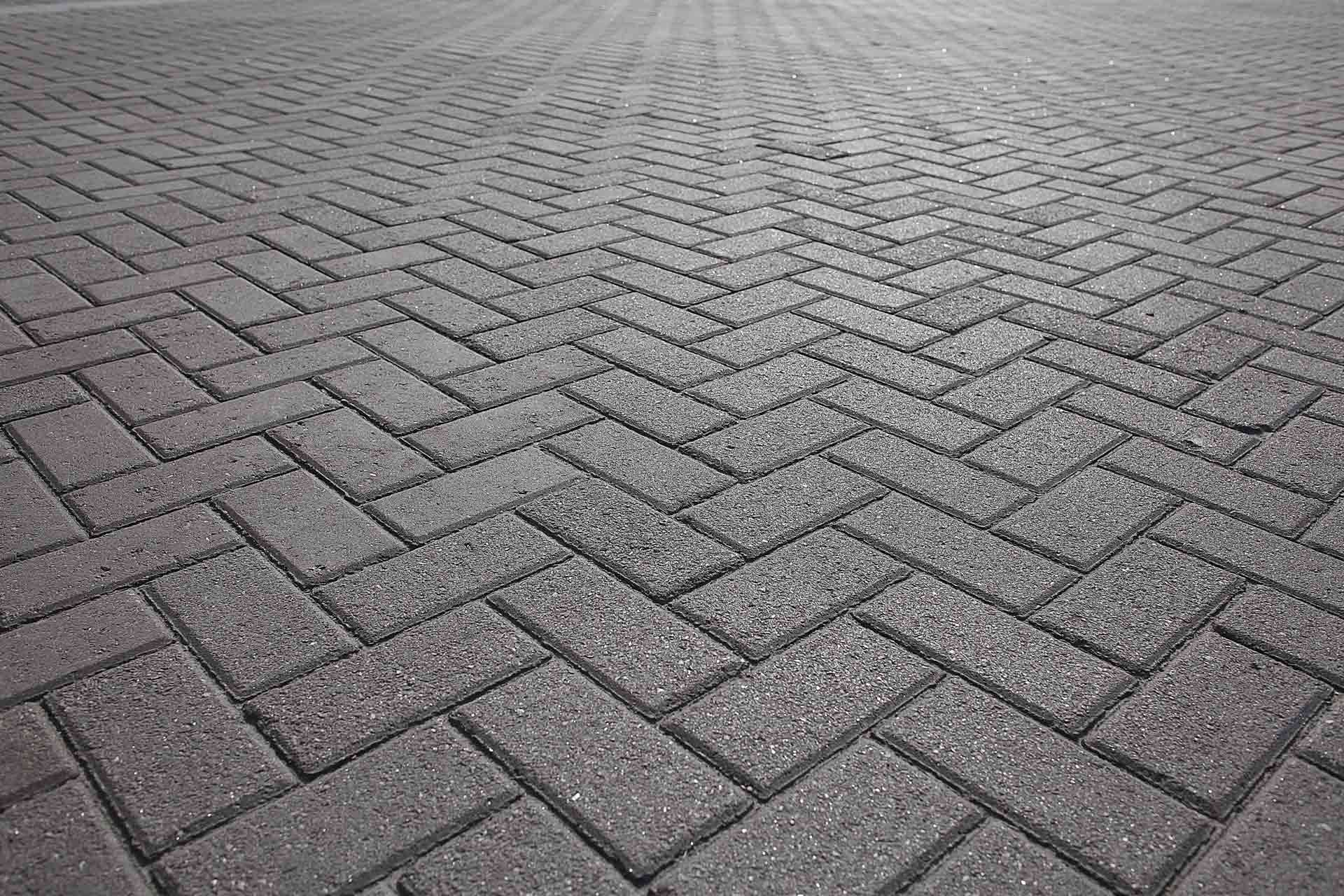
The strongest block paving pattern is usually the herringbone pattern, particularly at 45 or 90 degrees. The interlocking design spreads weight evenly, which makes it especially suitable for driveways where vehicles turn or park regularly.
What do professionals use to clean block paving?
Professionals typically use a combination of specialist paving cleaners, commercial-grade pressure washers, and surface-safe detergents designed for brick and stone. They’ll also adjust pressure settings carefully to avoid damaging the paving or washing away jointing sand.
Should you jet wash block paving?
You can jet wash block paving, but only occasionally and with care. Jet washing can be very effective for removing heavy dirt and stains, but using too much pressure or doing it too often can loosen the blocks and wash out the jointing sand. If you do use a pressure washer, keep the pressure low and check the joints afterwards.
Does Coca-Cola remove oil stains from block paving?
You might hear this tip online, but using Coca-Cola to remove oil stains is generally not a reliable cleaning method. While the acids in cola can break down some grime, it can also leave sticky residue and attract more dirt. A proper degreasing cleaner or washing-up liquid is usually a safer and more effective choice.
Is sealing block paving a good idea?
Sealing block paving can be a good investment, especially for busy driveways or newly cleaned surfaces. A sealant helps protect against stains, reduces weed growth, and can make your paving easier to maintain. It’s usually best applied after a thorough clean, once the surface is completely dry.
What is the best sand to stop weeds on block paving?
Kiln-dried jointing sand is the most commonly used option for block paving. It helps lock the blocks together and reduces the space where weeds can grow. Some homeowners also choose polymeric sand, which hardens slightly when wet and offers extra resistance to weed growth.
What is the life expectancy of block paving?
Well-installed block paving can last 20 to 30 years or more with proper care. Regular cleaning, re-sanding joints, and addressing small problems early can make a big difference to how long the surface stays in good condition.
How do you make block paving look new?
A deep clean, fresh jointing sand, and — in some cases — a sealant can dramatically improve the appearance of block paving. Even older driveways can often be restored to look much brighter and more even with the right treatment.
How much does it cost to have block paving cleaned?
The cost to clean block paving typically depends on the size of the area, how dirty it is, and whether additional work like re-sanding or sealing is needed. For a clearer idea of prices in your area, it’s worth comparing a few quotes from local driveway cleaning specialists.
More Block Paving Articles
See the tradespeople we've checked for your job