EXPERT ADVICE
Common cavity wall insulation problems and how to fix them
Updated 07/26
By: Emma Potter
Reviewed: Content Team
Cavity wall insulation invested in only to find damp patches, cold spots, or hiking energy bills a few years later? You're not alone, this is one of the more common home improvement disappointments in the UK, and it's almost always down to unsuitable properties or poor installation rather than the concept itself.
The genuine benefits when it's done right
What actually goes wrong, and why
The four most common problems and how each gets fixed
How to check if your insulation is genuinely guaranteed
Roughly what removal and replacement costs
How to find the right professional
Ready to get help? Here's where to start.
Find insulation installers near you
Benefits of cavity wall insulation
More heat escapes through a home's walls than through any other part of the building, which is why cavity wall insulation is such a cost-effective option for homes built after 1920. These properties most likely have a cavity to fill. Done properly, it delivers:
Energy efficiency: lower heating bills, and a smaller carbon footprint
A warmer home: since roughly a third of heat loss happens through uninsulated walls
Quick, low-disruption installation: the process itself is relatively unobtrusive
Problems tend to surface later, usually once cracks or damp start appearing.

When cavity wall insulation goes wrong
Two things are usually to blame: no proper survey before installation, and poor installation itself.
Some homes simply aren't suitable, most often when the gap between the two masonry walls isn't wide enough for insulation to be safely fitted. Elsewhere, the fill material itself can deteriorate if it wasn't installed to the correct density in the first place.
Watch for these warning signs:
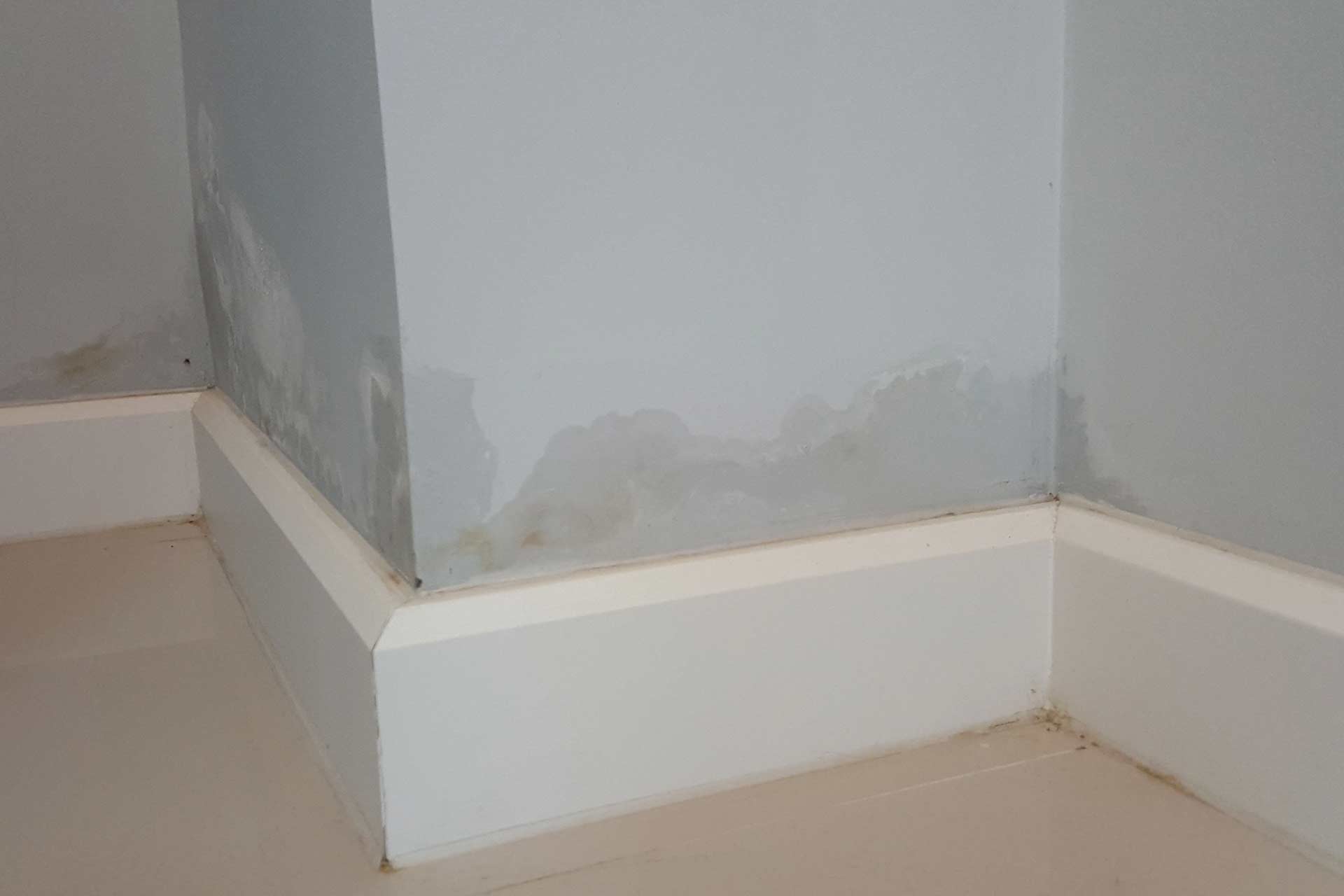
Dampness or mould on walls
Cold spots in rooms
Increased energy bills despite having insulation
Cracks on exterior walls
Cavity wall insulation also has a general shelf life of around 25-40 years, so sometimes the honest answer is simply that it's due for replacement.

If you're dealing with damp specifically rather than cold spots, our guide on what's causing damp in your bedroom helps rule out other causes before assuming it's the insulation.
Most common cavity wall issues and solutions
Damp and moisture issues
Signs: mould and damp patches on internal walls.
Causes: poorly installed or unsuitable insulation trapping moisture, or letting water track across it. This is a particular risk when mineral fibre is used in cavities under 50mm wide, where it can become patchy, or when the external wall lacks adequate weatherproofing, especially relevant given how much rain the UK gets.
Solutions: an insulation specialist inspects the cavity, typically drilling small holes and using an optical probe. If that's inconclusive, they may need to remove a few bricks to inspect further. Where dampness has genuinely penetrated the insulation, removing and reinstalling it is usually the only lasting fix.
Cold spots
Signs: noticeably colder patches when running your hand along a wall.
Causes: uneven insulation distribution, or occasionally a vermin infestation damaging the material inside the cavity.
Solutions: after assessment, a professional can add or redistribute insulation to fill gaps. If the problem's more widespread than expected, full removal and reinstallation can be more cost-effective than a partial fix.

On Checkatrade, you'll only find trades who meet our high standards and pass up to 12 checks.
Structural damage and cracking
Signs: a few hairline cracks are normal in any home, but larger cracks forming on interior or exterior walls need prompt attention.
Causes: foam insulation materials can expand over time, putting pressure on the wall structure, particularly risky in older, less robust properties like timber-framed or historic brick homes. Damp and moisture trapped in the wall can also contribute to cracking.
Solutions: a professional can carry out wall repairs to restore structural integrity. Where cracking is significant and widespread, removing and replacing the insulation may be necessary to prevent further damage.
Increased energy bills
Signs: rising energy bills despite having insulation installed.
Causes: insulation that's failed or degraded is no longer doing its job, sometimes actively attracting moisture rather than repelling it. This undermines the energy efficiency it was meant to provide.
Solutions: full replacement typically involves removing the existing insulation via a vacuum system, inspecting the cavity and walls for damage, fixing any issues found, then reinstalling new material at the correct density.
How much does cavity wall insulation removal and replacement cost?
Removal costs vary by property size, roughly £1,680 for a typical semi-detached home, rising to around £2,520 for a detached property with more insulation to remove.
Replacement costs depend on your home's size and the material recommended, roughly £1,800 for a mid-terrace, £2,700 for a semi-detached, and £4,600 for a detached house, though these figures shift over time, so check our cavity wall insulation cost guide and cavity wall insulation removal cost guide for the most current figures.
If your insulation was installed under a CIGA (Cavity Insulation Guarantee Agency) guarantee, check whether it's still valid before paying for a fix yourself. Many cavity wall insulation installations in the UK carry a 25-year CIGA guarantee. This guarantee can cover remedial work if a problem is due to poor installation.
Financial support for replacement
Grant availability has shifted recently. The Great British Insulation Scheme closed to new applications in March 2026, but ECO4 remains active for households on qualifying benefits, and the government's newer Warm Homes Plan offers further routes to support from 2026 onwards. Check current eligibility via gov.uk or with a local installer rather than assuming what was available previously still applies.
Cavity wall insulation removal cost 2026
There are a few reasons why you may need to remove cavity wall insulation. The insulation may have been installed incorrectly, or is experiencing degradation. In this guide, we’ll look at the average cavity wall insulation removal cost.
Finding a professional to help
Use a professional directory like Checkatrade to save time searching
Read genuine reviews, checked to ensure they're from real customers
Compare at least three quotes to be confident in both price and quality

Before you commit to a fix
Frequently asked questions
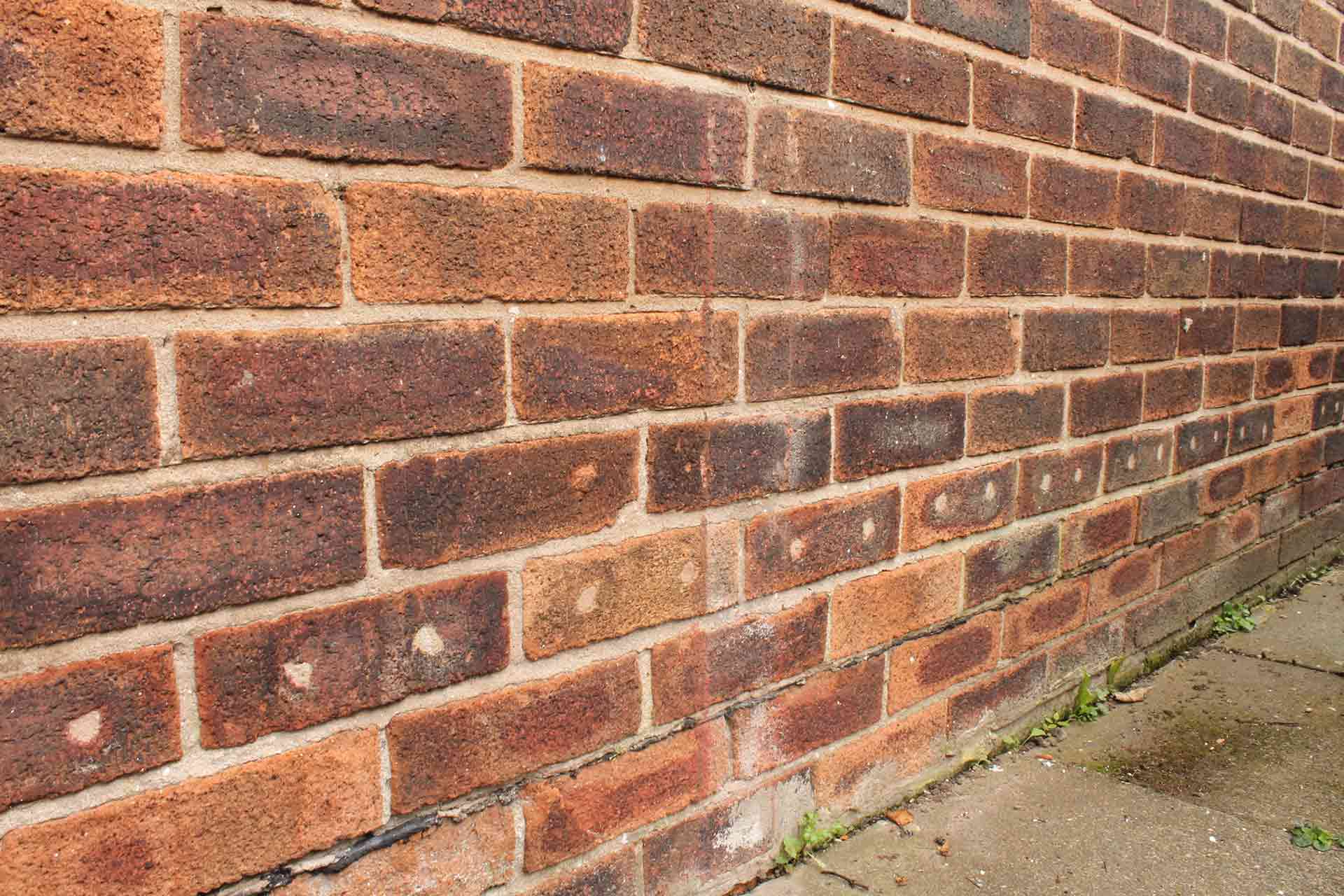
Check your brickwork for small, evenly spaced, filled-in drill holes, a common sign insulation has already been installed.
No, it's a well-established, cost-effective improvement. Problems arise specifically when it's installed without a proper survey or by inexperienced installers.
It may not have been installed correctly, or your walls may simply not have been suitable in the first place. An expert inspection is the only reliable way to find out.
Generally 25-40 years. A CIGA guarantee, common on UK installations, typically covers a 25-year period for added peace of mind.
This content has been created for general information purposes and should not be taken as formal advice. Always confirm current pricing, guarantee status, and grant eligibility directly with your installer or gov.uk.
More Cavity Wall Insulation Articles
See the tradespeople we've checked for your job