EXPERT ADVICE
Do I need plumbing and drainage cover?
Updated 07/26
By: Sarah P
Reviewed: Content Team
Picture this: a pipe bursts under your floorboards, or your drain backs up into the garden. You reach for your insurance policy, only to find it doesn't cover the repair. Standard buildings insurance rarely covers everything that can go wrong with your plumbing or drains, and that gap between what you assume is covered and what actually is can be an expensive surprise. Here's what plumbing and drainage cover actually includes, and how to decide if it's worth adding.
What plumbing and drainage cover actually includes
What it typically excludes
What counts as an emergency to insurers
The genuine benefits of having it
What building insurance covers by default
Who's responsible for different types of blockage
Find a plumber near you
Plumbing and drainage cover explained
Standard buildings insurance may only cover some plumbing or drainage issues, which is why many homeowners add dedicated cover for sudden or accidental damage. Typical inclusions:
Seized taps
Sewer backup
A clogged water supply
Leaking or burst pipes
Blocked or leaking drains
Blocked or overflowing sinks and toilets
Depending on the policy, cover can extend to external drains like blocked sewer lines too.
Typical exclusions:
Non-urgent issues
Blocked guttering
Electric showers
General wear and tear
Plumbing problems caused by faulty installation or previous repairs
Shared or public drains that aren't your responsibility
Check the coverage limit on any policy you're considering, so an emergency repair doesn't exceed what you're actually covered for.

Emergency plumbing and drainage cover
Plumbing and drainage cover (sometimes bundled into wider home emergency cover) is specifically useful for major leaks or severe blockages that risk water damage to your home. Always check what your specific provider defines as an emergency before assuming you're covered.
Most insurers consider an emergency to be something that:
Causes permanent damage to your home
Leaves your home unsafe or exposed to intruders
Poses a risk to your household's health or wellbeing

Not sure yet whether your issue is even covered under standard insurance? See what building insurance actually covers below before deciding on extra cover.
Advantages of plumbing and drainage cover
Beyond covering repair costs, most policies include an emergency helpline and access to checked tradespeople. Other benefits:
Immediate response to burst pipes or blocked drains, so you avoid further damage
Avoiding the full cost of complex, expensive emergency repairs out of pocket
Access to qualified, approved plumbers and drainage professionals

On Checkatrade, you'll only find trades who meet our high standards and pass up to 12 checks.
What is drain cover?
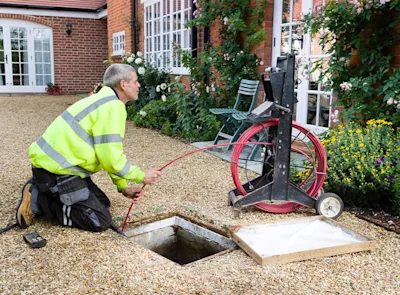
Drain cover (or drainage cover) typically handles urgent external issues like:
Repairs to pipes running from your home to the main sewer line
Standard building insurance doesn't always extend to external plumbing, so this is worth checking specifically if it matters to you.
What is plumbing cover?
Plumbing cover focuses on sudden internal issues:
Burst pipes
Blocked pipes
Slow leaks in fixtures
Some providers bundle plumbing cover into a wider home emergency policy, which is worth weighing up before you buy standalone cover.
How much does home emergency cover cost?
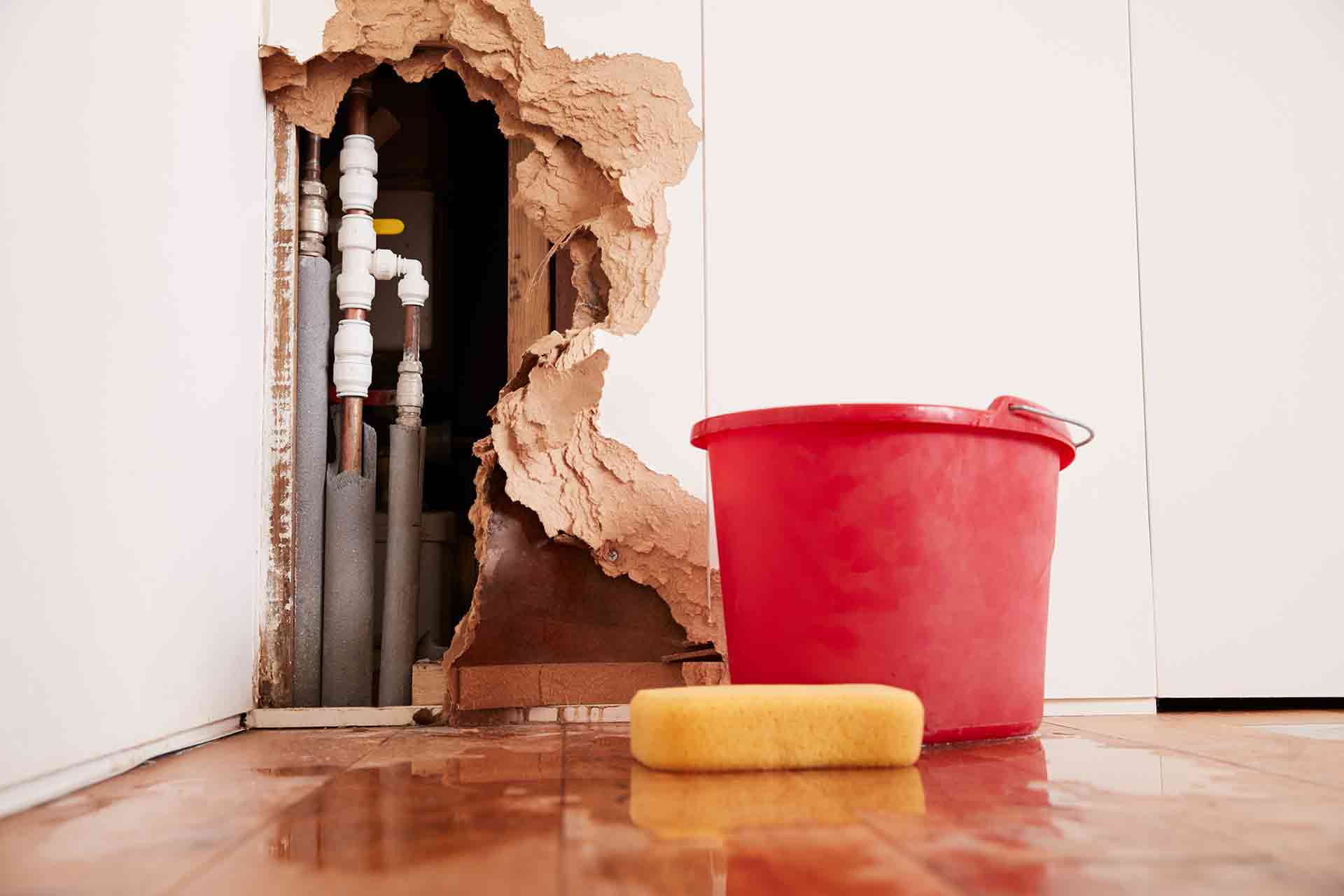
Winter’s setting in. It’s the season of mulled wine, fairy lights and Christmas cheer. But it’s also the season of broken boilers, burst pipes and floods! To help you mitigate against those risks, we’ve taken a look at the average cost of home emergency cover.
Once you know which type of cover fits your situation, work through this checklist before signing up.

Before you take out cover
Find tradespeople working in your area
Find a plumber near you
FAQs
Building insurance generally covers sudden, unexpected water damage ("escape of water"), but not all situations, and rarely the cost of repairing the pipes themselves. Check your policy's specific terms to see if extra cover makes sense.
Usually the homeowner. If you rent, it's your landlord or property manager's responsibility. Your water company may be responsible if the cause is an external drain or sewer issue.
It depends on location: your water company typically handles blockages in the public sewer line, while blockages within your property up to that point are your responsibility.
It depends on how severe the blockage is. Our guides to drain unblocking, drain repair, and plumbing inspection costs give current pricing for rodding, jetting, and CCTV surveys.
Look first for the cause: slow drainage or bad smells are common signs. You can try a heavy plunger for minor blockages, a drain rod for anything further down, or a high-pressure jet wash for stuck debris. If none of these work, call a professional plumber or drain specialist; your insurer, if you have cover, can help arrange and pay for this.

See the tradespeople we've checked for your job