EXPERT ADVICE
Slow draining sink: causes and how to fix it
Updated 07/26
By: Sarah P
Reviewed: Alex Peters
A slow draining kitchen or bathroom sink can be downright disruptive. It stops you prepping food, washing the dishes, or even washing yourself. But, once you know where the problem lies, finding the right fix is easy.
Why your bathroom or kitchen sink is draining slowly
Whether it's a quick DIY job or a job for a plumber
8 tried-and-tested ways to clear a slow drain yourself
What it means if every drain in your house is slow
How to stop your sink clogging again
When it's time to call a professional plumber
A slow-draining sink is annoying rather than an emergency, but ignore it for too long and it usually gets worse - not better.
The good news is that most slow drains come down to a handful of common causes, and most of them you can fix yourself with things you already have under the sink.
This guide walks through why sinks drain slowly, eight home fixes to try in order of hassle, and the signs that mean it's time to stop DIY-ing and call a plumber.
Find a trusted plumber near you
Why is my sink draining slowly?
A bathroom sink usually slows down because of a build-up of soap scum, hair, toothpaste and general grime clinging to the inside of the pipe.
A kitchen sink is more often grease, oil, food particles and mineral deposits from hard water - all of which narrow the pipe until water can barely squeeze past.
Run a torch over your open plughole before you reach for any tools. If you can see hair or debris sitting right at the top, you may be able to hook it out by hand and skip the rest of the list entirely.
Why are all my drains running slow, not just one?
If it's just the one sink, the blockage is almost always local to that fixture's pipework.
However, if every sink, the bath and the toilet are all draining slowly at the same time, the problem is likely further down the system - a partial blockage in the main drain or sewer line, or an issue with the vent stack that lets air in and out of your pipes.
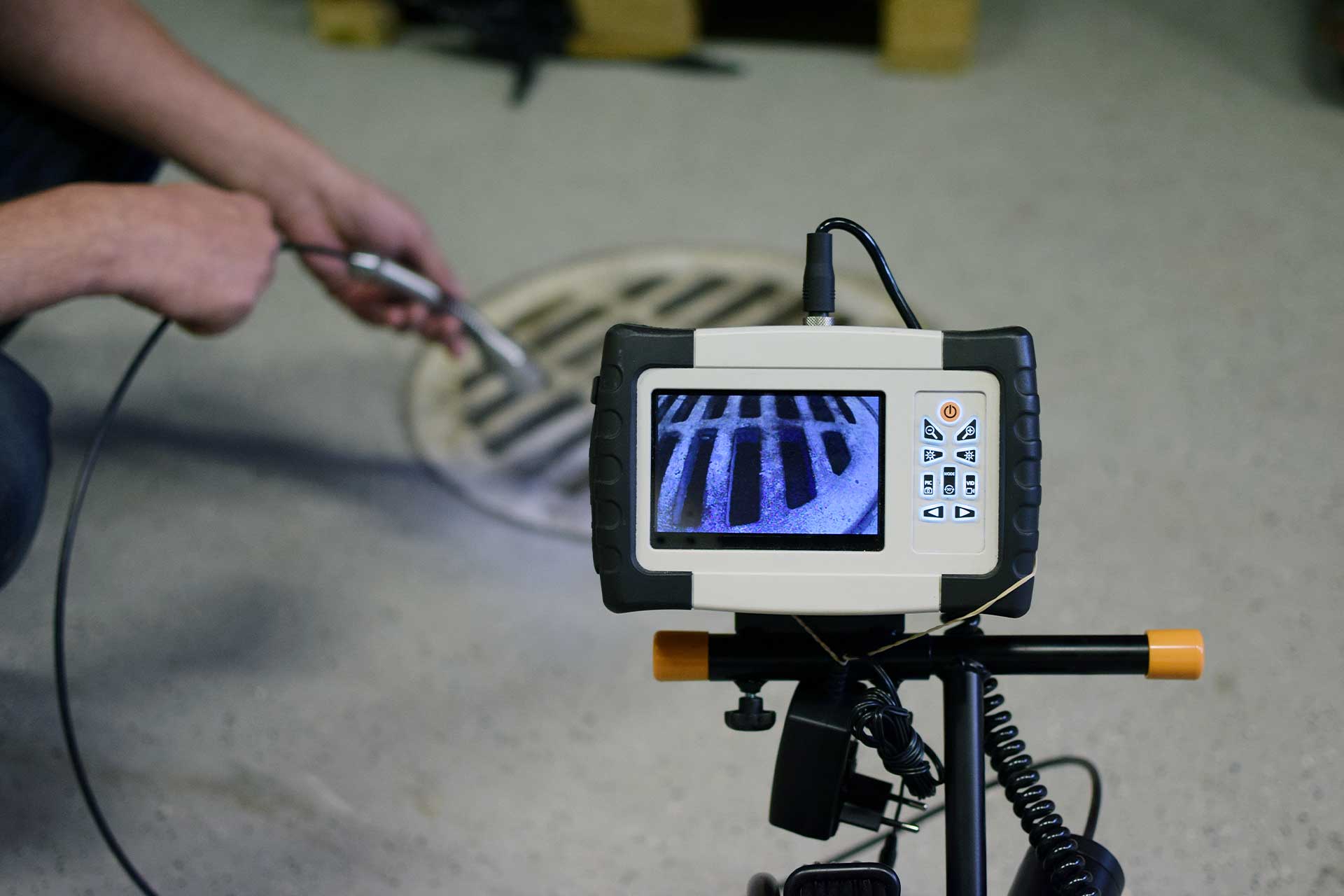
This is where DIY fixes reach their limit. A CCTV drain survey is the fastest way to see exactly where the blockage sits, and it's worth calling in a professional rather than guessing.
CCTV drain survey: Cost breakdown 2026
Experiencing poor drainage can be a real pain for homeowners, and dealing with it means understanding the problem. That’s where CCTV drain surveys can help. In this guide we look at the average CCTV drain survey cost in the UK.
8 ways to fix a slow-draining sink yourself
Work through these roughly in order - each one is a bit more involved than the last.
1. Try a plunger first
A sink (cup) plunger works even without a visible blockage, since it can dislodge clogs further down the pipe than you can see. Run enough water to cover the plunger cup, form a tight seal around the plughole, and plunge firmly several times.
2. Pour in boiling water
Sometimes the simplest fix works. Boiling water dissolves grease and softens grime, so carefully pour a kettle down the drain in two or three stages, giving it time to work between pours.
3. Use a drain snake (auger)
A drain snake threads down past the trap to hook onto clogs you can't reach otherwise. Feed it in, rotate clockwise until you feel resistance, then pull back slowly to bring the debris with it.
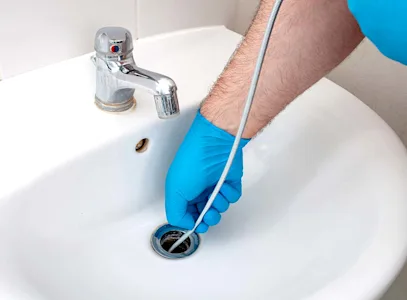
4. Try a drain zip tool
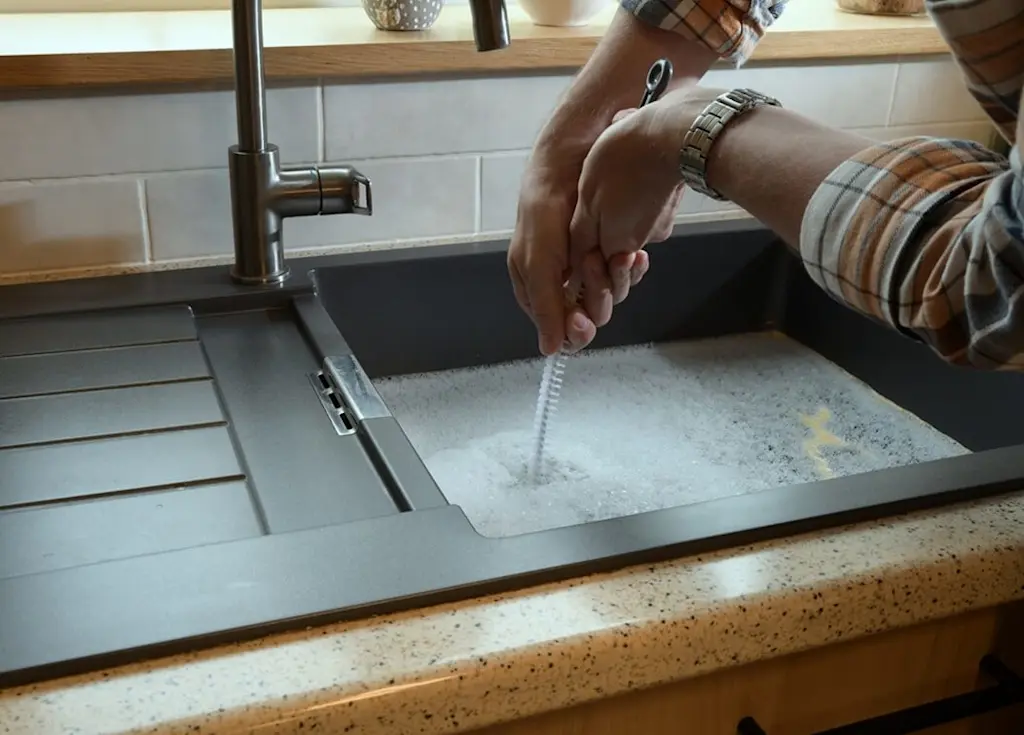
These cheap, flexible plastic strips with barbed edges are brilliant at pulling out hair and soap scum from bathroom sinks in particular. Push it in, twist, then pull it back out.
5. Make a natural drain cleaner
Pour half a cup of baking soda down the plughole, followed by half a cup of white vinegar. Leave it to fizz for 15-30 minutes, then flush through with hot water. It's gentler on pipes than shop-bought chemical cleaners.
This is worth doing as routine maintenance every month or so, even when your sink isn't blocked - it stops grime building up in the first place.
6. Consider a chemical drain cleaner
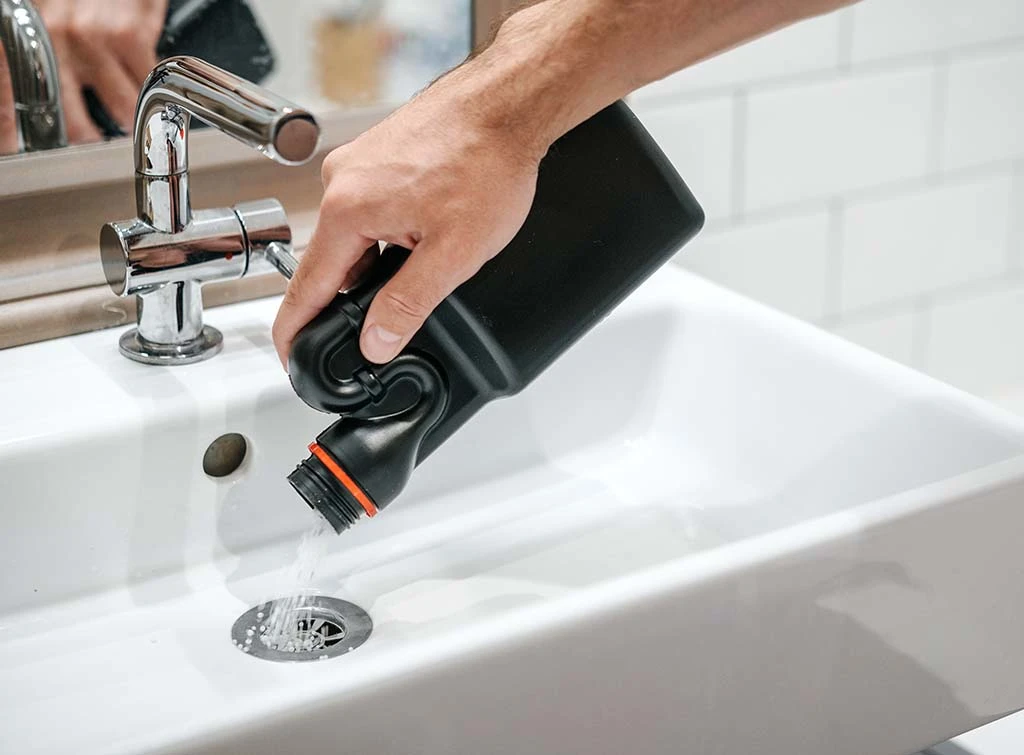
If the eco-friendly option hasn't shifted it, a shop-bought chemical cleaner is the next step. Always follow the manufacturer's instructions exactly - used incorrectly, these products can damage older pipework.
7. Clean the stopper
The pop-up stopper is a magnet for hair, soap scum and grime, and a dirty one can slow a sink even when the pipe itself is clear. Locate the retaining nut behind the drain pipe under the sink, remove the stopper, clean it thoroughly, and reinstall.
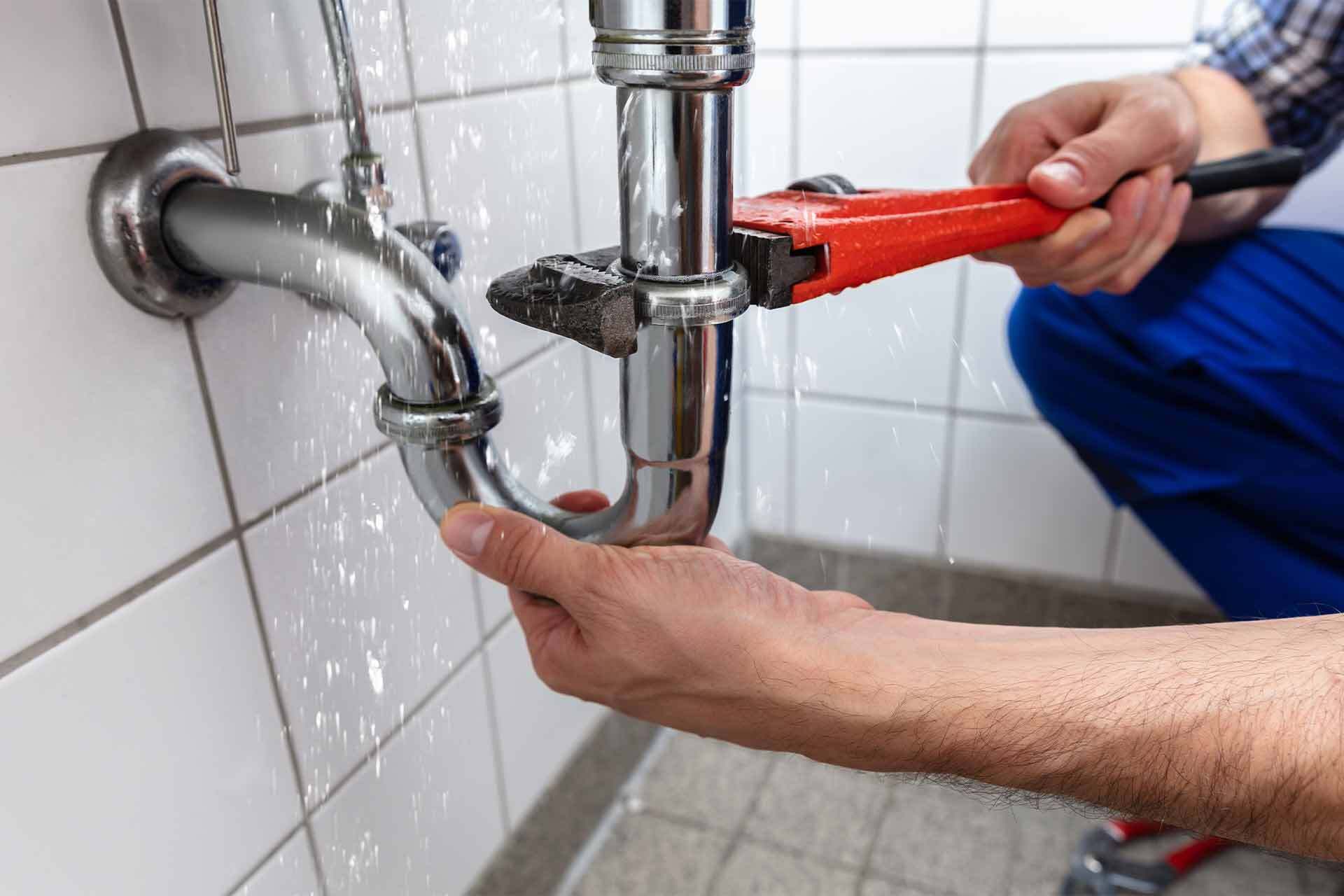
8. Clean out the P-trap
If nothing else has worked, the U-shaped P-trap under the sink is usually the culprit. Turn off the water supply, place a bucket underneath, then unthread the slip nuts by hand or with pliers.
Remove the trap, clear out the debris, and reassemble.

How much does it cost to fix a slow-draining sink?
DIY materials for the fixes above cost next to nothing if you already have basic tools.
If you'd rather bring in a professional - especially for a recurring or whole-house slow drain - costs vary depending on the cause and how accessible the pipework is.
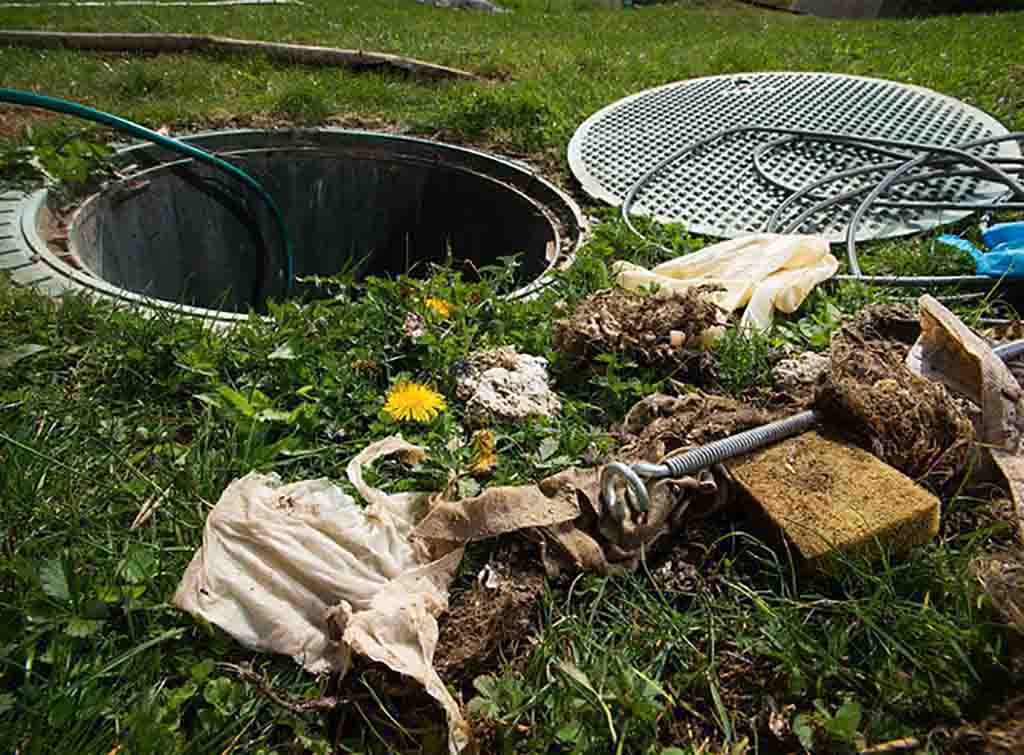
Drain unblocking: Cost breakdown 2026
In this drain unblocking cost guide, we outline the typical cost of unblocking a drain - including drain jetting, rodding and lining prices.
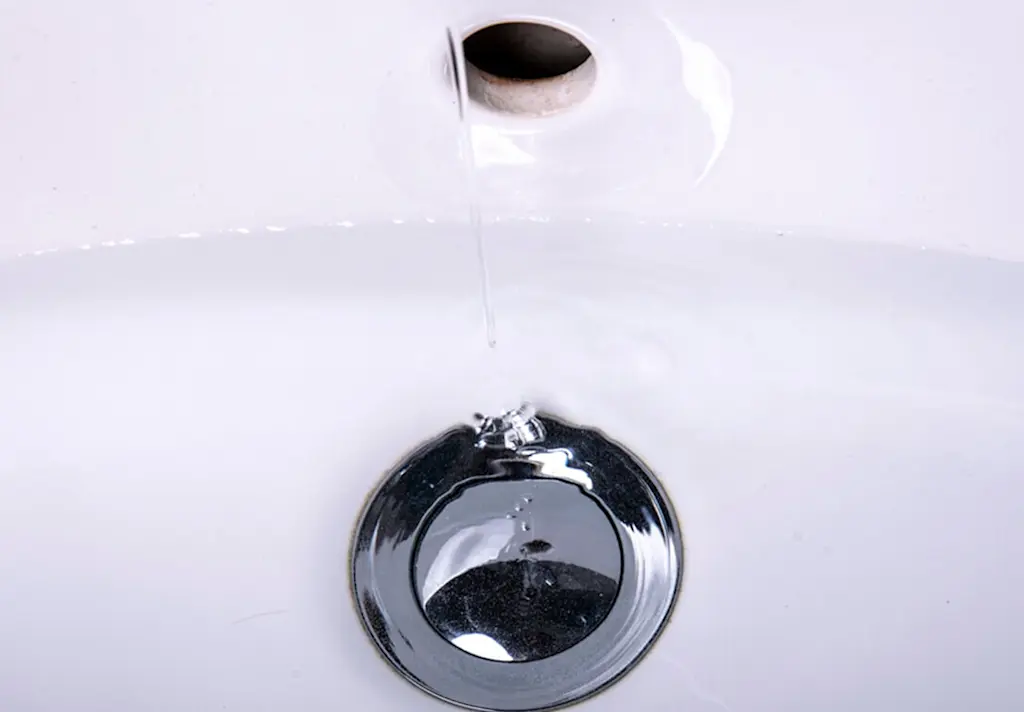
How to stop your sink draining slowly again
A few small habits go a long way toward keeping water moving freely:
Never pour grease or oil down the kitchen sink
Fit a mesh filter to catch food scraps and eggshells
Use a hair-catching drain guard in the bathroom
Keep the bathroom sink for water, soap and toothpaste only
Rinse with hot water regularly to discourage build-up
Give your stopper a wipe-down every few weeks

If home fixes aren't cutting it, a plumber can clear stubborn blockages, and a drain specialist can investigate anything further down the system.
When to call a plumber
Call in a professional if:
The blockage keeps coming back within days or weeks of clearing it
More than one fixture is draining slowly at the same time
You notice gurgling sounds or a bad smell alongside the slow drain
You've worked through all eight fixes above with no improvement
A qualified plumber can properly diagnose the issue - whether that's a deeper blockage, a venting problem, or an ageing section of pipe - and fix it once, rather than you working through the same list again in a month's time.

On Checkatrade, you'll only find trades who meet our high standards and pass up to 12 checks.
Find reliable plumbers near you
Enter your postcode to find a top tradesperson near you
PlumbingHQ
10.00
(2 reviews)Services & skills
PlumberBathroom & Kitchen PlumbingBlocked BathsEmergency Plumber ServiceShower InstallationMJ Plumbing and Heating
10.00
(40 reviews)Services & skills
PlumberGeneral PlumbingPlumbing RepairsPipe FitterBathroom & Kitchen PlumbingROBIP-PGHEM-ENGINEERING
10.00
(65 reviews)Services & skills
PlumberBathroom & Kitchen PlumbingRadiator InstallationBlocked SinksShower RepairFlow Plus Plumbing
10.00
(6 reviews)Services & skills
PlumberBathroom & Kitchen PlumbingPlumbing RepairsBlocked SinksTap RepairAZ Plumbing Contractors Ltd
10.00
(251 reviews)Services & skills
PlumberGeneral PlumbingPlumbing RepairsShower InstallationWater Pumps RepairAj Plumbing And Property Service Ltd
10.00
(10 reviews)Services & skills
PlumberGeneral PlumbingWater Pumps InstallationEmergency Plumber ServiceWater Mains Specialist (Pipe Replacement, Moling and Lead Pipes)


Checklist: fixing a slow-draining sink

Things to check before contacting a drainage specialist
Slow draining sink FAQs
This usually means the blockage wasn't fully cleared, or a new one has formed quickly on top of leftover residue. Try the baking soda and vinegar method to break down any remaining grime, and check the P-trap directly if the problem returns within days.
Not usually. A single slow sink is an inconvenience rather than an emergency. It becomes more urgent if water starts backing up, if multiple drains are affected at once, or if you notice a sewage smell.
No - regular use of chemical cleaners can corrode pipework over time, particularly in older homes. Save them for when natural methods haven't worked, and stick to routine baking soda and vinegar maintenance in between.
This points to a local blockage in the bathroom's own pipework rather than a whole-house issue - most often soap scum, hair or toothpaste residue rather than the grease that typically affects kitchen drains.
Generally no, though it's worth pouring in stages rather than all at once, and taking extra care with older plastic pipework, which can soften under sudden heat.
If only one fixture is affected, it's almost always local to that sink. If several sinks, the bath, or the toilet are all slow at the same time, the issue is more likely in the shared drain or sewer line, and worth a professional CCTV survey.

See the tradespeople we've checked for your job