EXPERT ADVICE
How to get rid of mice in the loft
Updated 07/26
By: Tommy Writer
Reviewed: Alex Peters
It's no secret that mice can get anywhere. If you think they're in your loft, fear not, there are ways you can get rid of them. Read on to find out how to get rid of mice in your loft.
Why lofts are such a magnet for mice in the first place
The early signs you have a mice problem, before it grows
Which DIY methods actually work, and which just move the problem
Why sealing entry points matters more than any trap
What professional treatment involves and what it costs
How to stop mice coming back once they're gone
Mice are expert climbers and squeezers - a gap the width of a pencil is all they need to get into your loft.
Once they're in, they don't tend to leave on their own, so knowing the signs early and dealing with them properly makes a real difference.
This guide covers how mice get into loft spaces, how to spot an infestation, the most effective ways to get rid of them, and when it's worth calling in a professional.
Find pest control experts near you
How do mice get into loft spaces?
Mice are natural climbers and can squeeze through gaps as small as a 20mm coin. That means there are usually far more potential entry points into your loft than you'd expect.
Lofts are also simply an attractive place for mice to be. They're:
Warm
Dry
Undisturbed
Often packed with soft insulation that makes ideal nesting material
Some UK lofts even have a cold water storage tank, giving mice a ready water supply too.
Common ways mice get into lofts:
Running up pipes, gutters and drains
Through air vents
Climbing tree branches or structures that touch the property
Along telephone or power cables
Running straight up brickwork
Climbing objects positioned near the walls, such as bins, planters or sheds

How do pest control get rid of mice and rats?
If vermin are nesting in your home, you'll want to contact a professional to deal with the situation, fast. Read on to find out how pest control get rid of mice/rats from UK properties.

Common signs of mice in your loft
Droppings - small, dark, pointed pellets, often one of the first things you'll notice
Scratching or squeaking - mice are nocturnal, so noise is usually worse at night
A musky odour - mice breed and nest quickly, so the smell tends to get stronger over time
Tracks in dusty areas - footprints or tail-drag marks across dusty loft boards
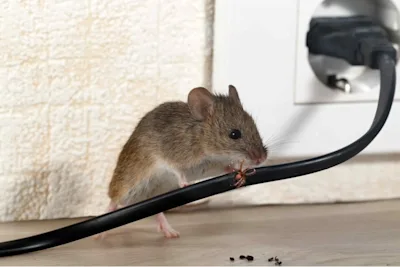
Gnaw marks - particularly on cables, which is a fire risk worth taking seriously, not just cosmetic damage
Gnawed electrical cables are one of the more serious signs to watch for. If you spot chewed wiring in the loft, treat it as a priority rather than something to deal with "at some point."

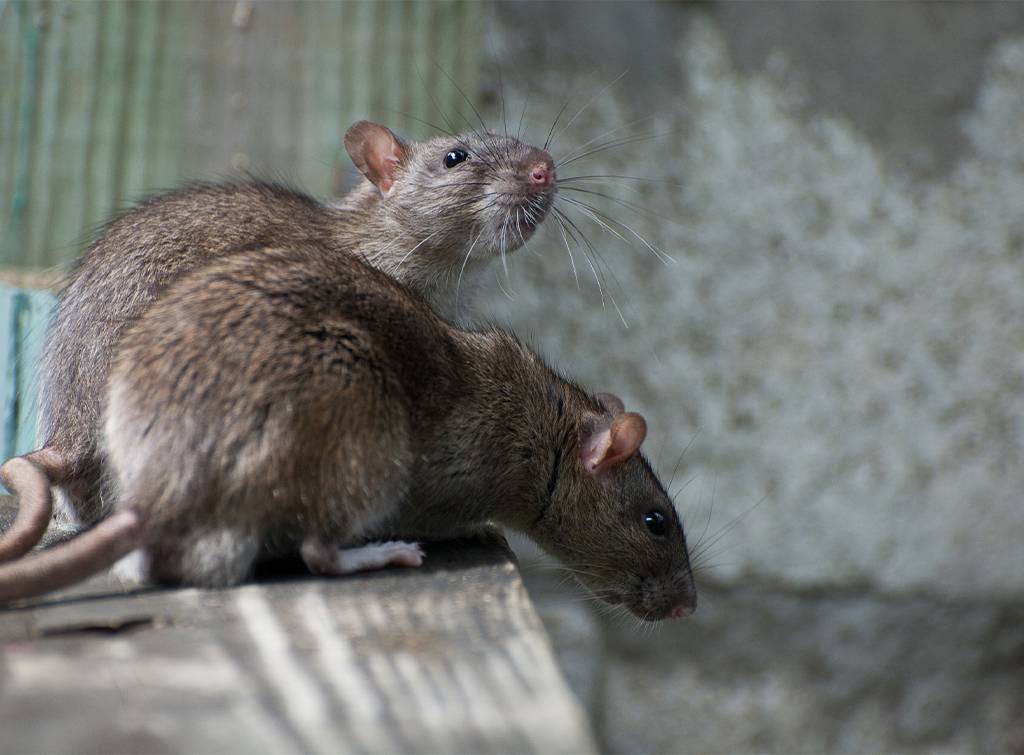
If it turns out you're dealing with rats rather than mice, our guide on rats in the home covers the different signs and treatment approach. Alternatively find out removal costs or find local pest control services.

How to get rid of mice in your loft
Once you've confirmed you have mice, here's what actually works - and in what order to do it.
1. Seal entry points first
This is the single most important step. Setting traps without blocking the way in just means new mice replace the ones you catch.
Fill gaps in brickwork with mortar
Use weatherproof filler, caulk, steel wool or fine wire mesh for other materials
Pay close attention to air vents, eaves, door and window frames, and cable entry points
Repair any damaged seals around the roofline
Steel wool is worth calling out specifically - mice can't chew through it, which makes it more effective than standard filler around pipework and cable runs.
2. Remove food sources
Mice are drawn to homes by easy access to food. Clear away crumbs, store food (including pet food) in airtight containers, and empty pet bowls after use.

3. Cut back branches and clear climbing routes
Trees, bushes and anything positioned close to your walls give mice an easy route up to roof level. Keeping vegetation trimmed back removes one of their favourite ways in.
4. Use traps correctly
Snap traps are generally the most effective DIY option, and should be placed along walls, on joists, or near droppings - mice tend to travel along edges rather than across open floor space, so a trap in the middle of the loft is far less likely to catch anything.
If you'd rather use a humane catch-and-release trap, check it at least once a day, and release any mice well away from your property so they don't simply find their way back in.
Keep all traps and any poison well out of reach of children and pets.
5. Clear out clutter
Mice love clutter - it gives them shelter and nesting material. Store loft items in sealed, hard-wearing plastic containers rather than cardboard, which mice can chew through easily.

6. Keep bins closed and emptied
Overflowing outdoor bins are a common draw. Keep lids secure, and use a sealed container for overflow rubbish until bin day.
Autumn and winter are peak season for mice moving indoors in search of warmth, so it's worth doing a loft check before the weather turns each year.
Not sure what it could cost? Get a guide price for pest control treatment using Checkatrade's AI-assisted job estimate calculator before you book.
Job Estimate Calculator

Professional pest control for mice in the loft
For an established infestation, hiring an experienced local pest control specialist is usually the fastest and most reliable option.
A skilled pest control professional can confirm you're dealing with mice (rather than another rodent), identify entry points you might have missed, and apply the right treatment.
Most pest control specialists will need at least one repeat visit to make sure the infestation has fully cleared, and larger or long-standing problems can take several treatments.


How much does it cost to get rid of mice?
Rat and mouse removal typically costs around £180across two visits, with a general range of £120 to £240 depending on the size of the infestation and your location.
How much does pest control cost in the UK in 2026?
Having a pest infestation in your home can be unsettling, as well as hazardous to the health of you and your family. In this guide we’ve put together the average cost of pest control to help you understand how much you can expect to pay to remove pests from your home.

On Checkatrade, you'll only find trades who meet our high standards and pass up to 12 checks.
Getting rid of mice in the loft: Quick checklist

Mouse and rats in loft checklist
FAQs
Mouse droppings are smaller and more pointed than rat droppings, and mice tend to be quieter and less bold. If you're unsure, a pest control specialist can confirm which rodent you're dealing with.
Mice generally dislike strong scents such as peppermint, but scent deterrents work best alongside sealing entry points and trapping, not as a stand-alone fix.
Mice breed quickly, so a single sighting can indicate more than one animal is already present. It's worth acting on the first sign rather than waiting to see if more appear.
Mice can gnaw through electrical cables, which is a fire risk, and their droppings and urine can carry bacteria that pose a hygiene concern, particularly if you later use the loft for storage or conversion.
Yes. Sealing entry points combined with snap traps or humane catch-and-release traps can be effective without needing poison at all.
A minor problem can sometimes be resolved within a week or two of consistent trapping and sealing. Larger infestations may take several visits from a professional over a few weeks.
They can, if entry points aren't properly sealed. Pest proofing after treatment is one of the best ways to stop a repeat infestation.
Yes. Droppings and nesting material should be removed and the area disinfected, particularly before storing belongings there again.



See the tradespeople we've checked for your job