EXPERT ADVICE
Leaking ceramic tap: Problem solve and how to fix it
Updated 07/26
By: Lara Sargent
Reviewed: Alex Peters
If your ceramic tap is leaking, you'll need to get it fixed. Let's take a look at what's going wrong with your tap and decide when to call in a skilled tradesperson.
Why a ceramic disc tap starts to drip
How to tell a worn disc from a corroded valve seat
Whether the fix is a quick clean or a full cartridge swap
What high water pressure has to do with a "fixed" tap that still leaks
How much a plumber typically charges to sort it
How to stop the same tap leaking again
A dripping ceramic tap is annoying, but it's rarely a big job.
Ceramic disc taps are built to be more reliable than old-style rubber washer taps, so when one starts to drip, it's usually down to one of a handful of well-known causes - a worn disc, a bit of limescale, or a seal that's past its best.
This guide walks through why ceramic taps leak, how to check what's actually wrong, and when it's worth calling in a plumber rather than reaching for a spanner yourself.
Get help from local plumbers
What is a ceramic disc tap?
Unlike traditional taps, ceramic disc taps use a cartridge housing two ceramic discs instead of a rubber washer.
The discs sit flush against each other and rotate to control water flow and temperature with a quarter-turn action.
Because ceramic is far harder wearing than rubber, these taps are known for lasting a long time without needing maintenance. But "long time" isn't "forever" - the discs, seals and valve seat inside the cartridge can all wear out eventually, and that's when the dripping starts.
Why is my ceramic disc tap leaking?
A dripping tap isn't just annoying to listen to. Left long enough, it wastes water, pushes up your bill, and can lead to staining or damage around the sink or basin.
Here are the most common culprits.
A worn or damaged ceramic disc
Just like washers in older taps, the discs inside a cartridge can wear down over time, especially in hard water areas where mineral deposits accelerate the damage.
Signs your cartridge needs replacing:
Constant or intermittent dripping, even with the tap fully off
Reduced water flow when the tap is on
Unusual noises or vibration as you turn it
A corroded valve seat
The valve seat is where the tap body meets the spout. Over time, water exposure can corrode this junction and create a path for leaks.
Signs of a corroded valve seat:
Dripping even with the tap turned off
Water leaking from the tap body itself
The tap feeling stiff or hard to turn
Discoloured or rusty-looking water
Poor installation
A tap that wasn't fitted correctly - loose components, or parts that are the wrong size - is more likely to leak from day one.
Signs of a poor installation:
Continuous dripping soon after fitting
Noticeably low water pressure
Whistling or loud noises when the tap runs
If a tap has never worked quite right since it was installed, it's often cheaper in the long run to have a plumber re-fit it properly than to keep patching a bad job.
High water pressure
Pressure that's too high for the tap's components can force water past seals that would otherwise hold.
Signs to look out for: banging pipes, leaking taps throughout the house, rising water bills, or a noticeable lack of hot water.
Limescale build-up
In hard water areas, limescale can coat the cartridge and stop it sealing properly. This is one of the easiest fixes - a clean and descale is often all that's needed.
Signs of limescale build-up: white deposits around the tap and nearby surfaces, reduced water pressure, cloudy residue on glassware, or a slightly bitter taste to the water.
A damaged O-ring
The O-ring is a small rubber seal that sits around the stem screw and holds the tap handle in place. If it perishes or comes loose, water can leak out near the handle rather than the spout.
Signs of a damaged O-ring: a squeaky sound when turning the tap, water spraying at an odd angle, or visible cracks in the ring itself.

If your tap turns out to need more than a clean, it's worth comparing a plumber against a full tap installation if the tap itself is on its way out.
How to repair a ceramic disc valve that drips
If you're comfortable with basic DIY, a leaking ceramic disc tap can often be fixed at home.
Here's the general process:
Turn off the water supply before doing anything else
Unscrew the tap handle and the valve underneath - the retaining screw is often hidden behind a small grub screw near the hot or cold indicator
Once open, you'll be able to see the ceramic discs
Check them for wear or damage, and replace with the correct size if needed
If the whole cartridge is worn, take it to a plumbers' merchant to match it exactly before buying a replacement
Check the O-ring and rubber seal at the tap seat, replacing either if worn
Make sure every replacement part is the correct size and seated properly before reassembly
Rebuild the tap, turn the water back on, and test it
A confident DIYer can often manage this repair, but most leaks are easier - and safer - to diagnose with a plumber's help, particularly if you're not sure which part has actually failed.
Always take the old cartridge with you when buying a replacement. Cartridges aren't universal, and the wrong size will leak again within days.
Not sure what your repair might cost? Try Checkatrade's AI-assisted job estimate calculator for a guide price before you book.
Job Estimate Calculator

How long do ceramic disc taps last?
Ceramic disc taps are designed to need very little maintenance and can last for many years, but a few things affect how long yours will go before it needs attention:
Water hardness - limescale build-up wears ceramic discs down faster in hard water areas
Tap quality - budget taps tend to fail sooner than well-made ones
Maintenance - an occasional clean and descale of the cartridge helps prevent limescale problems before they start

Fixing common tap problems – what’s wrong and when to call a plumber
Why is it when you have a tap problem it's always at the worst possible time? Let's take a look at the common tap problems and find out what is going wrong with your tap. You may be able to fix it yourself with this guide's help, or know when to call out a professional.
How much does it cost to repair a leaking tap?
Every plumbing job is different, and pricing depends on the parts needed, the complexity of the tap, and how long the job takes.
Some plumbers charge hourly, others by the day or per job.
The average plumber cost is £50 per hour or £350 per day. It's worth getting a few quotes, but remember the cheapest isn't always the best value - experience counts for a lot with fiddly repairs like this.
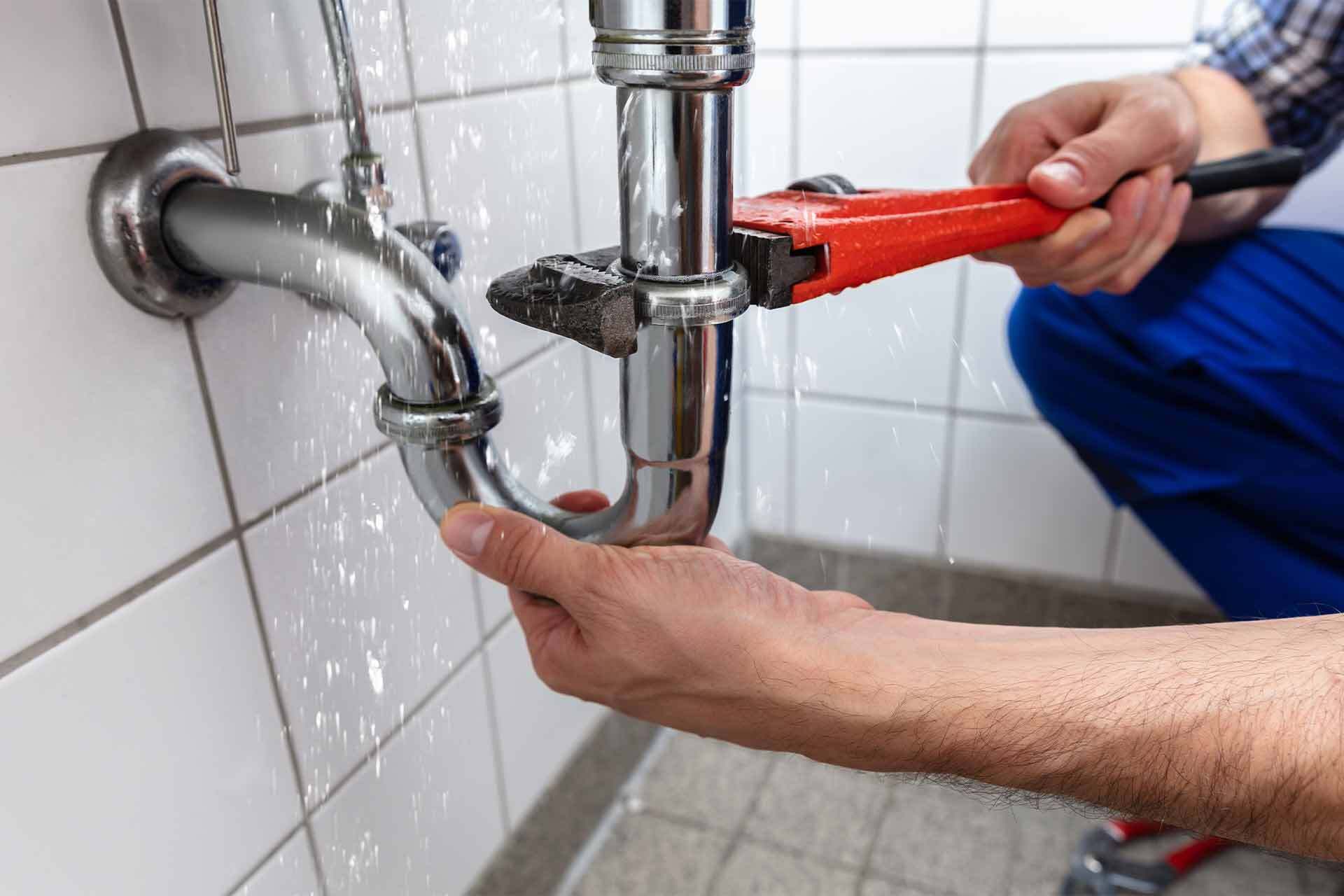
Plumber costs in the UK: 2026 price guide
Whether you are planning an exciting renovation or have a troublesome issue, our plumber cost guide contains daily, hourly and emergency rates.

How to find a good plumber for the job
If you're unsure what's actually wrong with your tap, or you've tried a DIY fix and it hasn't worked, it's time to bring in a professional plumber.
A qualified tradesperson can quickly identify whether you're dealing with a worn disc, a corroded seat, or something else entirely, and fix it properly first time.
Find a reliable local plumber near you
Enter your postcode to find a top tradesperson near you
PlumbingHQ
10.00
(2 reviews)Services & skills
PlumberBathroom & Kitchen PlumbingPlumbing RepairsShower RepairWater Pumps RepairROBIP-PGHEM-ENGINEERING
10.00
(65 reviews)Services & skills
PlumberBathroom & Kitchen PlumbingBlocked ToiletsShower RepairPower FlushingFlow Plus Plumbing
10.00
(6 reviews)Services & skills
PlumberBathroom & Kitchen PlumbingEmergency Plumber ServiceShower RepairBlocked ToiletsMJ Plumbing and Heating
10.00
(40 reviews)Services & skills
PlumberGeneral PlumbingShower RepairBlocked BathsWater Leak DetectionAZ Plumbing Contractors Ltd
10.00
(251 reviews)Services & skills
PlumberGeneral PlumbingWater Pumps RepairEmergency Plumber ServicePower FlushingAj Plumbing And Property Service Ltd
10.00
(10 reviews)Services & skills
PlumberGeneral PlumbingTap RepairBlocked ToiletsBlocked Baths


Before you call a plumber

Tap dripping checklist
FAQs
The ceramic discs inside a concealed cartridge normally keep the tap watertight, and they're far more durable than a rubber washer. But problems can still arise from a damaged cartridge, poor installation, or limescale build-up.
No. Ceramic taps use durable ceramic discs instead of the rubber washers found in traditional taps.
Yes, if you're a confident DIYer and the fault is straightforward, such as limescale build-up or a worn O-ring. For anything involving the cartridge or valve seat, it's often quicker and safer to call a plumber.
Dripping from the spout, even with the tap off, usually points to the disc or valve seat. Leaking near the handle instead usually means the O-ring has failed.
Yes. A slow but steady drip can waste a surprising amount of water over a year, which shows up as a higher water bill if you're on a meter.
It can. If pressure issues caused the last tap to fail, it's worth having a plumber check your system pressure before or after fitting a replacement, so the new tap doesn't suffer the same fate.
There's no fixed schedule, but a quick clean and descale every few months in hard water areas can prevent limescale problems from building up.
Repairing means swapping the cartridge, O-ring, or seals inside the existing tap. Replacing means fitting a whole new tap. A plumber can advise which makes more sense once they've seen the extent of the wear.
See the tradespeople we've checked for your job