EXPERT ADVICE
Pest prevention methods: How to pest-proof your home
Updated 07/26
By: Emma Potter
Reviewed: Content Team
Prevention beats cure with household pests. Most rodents and insects get in through a small number of predictable weak points, gaps in brickwork, unprotected drains, and air vents, so sealing those up stops the majority of problems before they start.
Why pest prevention matters so much
The main entry points to check and seal
Outdoor habits that attract pests without you realising
How to tell if you already have a problem
Roughly what professional pest control costs
When to stop DIYing and call an expert
Find pest controllers near you
The dangers of pest infestations
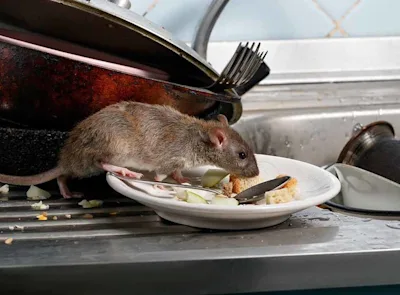
Left unchecked, mice, rats, and other vermin multiply quickly and pose a real health hazard. Rats and mice in particular can cause serious damage by gnawing through woodwork, furniture, and wiring to build nests. In some cases, this creates genuine flooding or fire risks. Once an infestation takes hold, getting rid of it is typically difficult, slow, and expensive, which is exactly why prevention is worth the upfront effort.

Pest prevention methods
Pest prevention is about anticipating every point pests could get in, gaps in cupboards, holes in brickwork, exposed drains, and sealing them before they become a problem.
1. Drain covers
Fit covers or grates over all drains, including shower drains, to stop rodents and insects like cockroaches getting in. New drain covers are easy to buy from any DIY store, and repairs are sometimes possible for existing ones, but pests can squeeze through surprisingly small gaps, so replace a worn cover rather than patching it. Repair kits exist for manhole drains too, though larger repair jobs are best left to a professional drain repairer.
2. Mesh wire for ventilation bricks
Air brick vents are one of the most common entry points for mice. Cover them with chew-proof mesh wire, cut to size and fixed with a hardwearing sealant or screws.
In a flat without external entry points like air bricks, check instead where heating and water pipes pass through walls and floors, and fill any gaps there with steel wool.
3. Steel wool for small holes
Don't overlook small holes in brickwork or around pipes. An adult mouse can squeeze through a gap the size of a five-pence coin, and a rat through anything down to the size of a ten-pence piece. Use coarse, chew-proof steel wool, cut into pieces large enough to fill each gap you find.

If you're already dealing with mice or rats rather than just preventing them, our guide to getting rid of mice and rats covers the next steps.
4. Outside maintenance
Keep bins properly closed, away from windows and doors, and out of direct sunlight, to cut down on the smell that attracts flies, wasps, rodents, and birds. Keep sheds and outdoor storage tidy too, since cluttered spaces make ideal shelter for rodents.
Bird feeders, however well-intentioned, can also attract rats. If you suspect rats in the garden, removing feeders is worth trying first.
5. Nesting site removal
How you handle a nest depends on what's actually nesting there. A nest on your guttering could simply be harmless bumblebees, so check with your council or a professional pest controller before assuming the worst. For rodents, look for droppings, urine, and gnaw marks as the telltale signs of an active nesting site.

On Checkatrade, you'll only find trades who meet our high standards and pass up to 12 checks.
When to call in the professionals
Watch for these signs of a pest problem:
A foul, ammonia-like smell from droppings or urine
Droppings themselves
Scratching noises (rodents) or distinct buzzing (insect nests)
Gnaw marks
Shredded material used for nest-building
Visible nests, whether rodent, bird, or insect
If you spot any of these, hire a pest control expert promptly, since pests multiply fast and the sooner you act, the less there is to deal with.
Look for a pest controller who's a member of the British Pest Control Association (BPCA). They'll hold a pesticide licence where treatment requires one, and can advise on the most humane, effective approach.
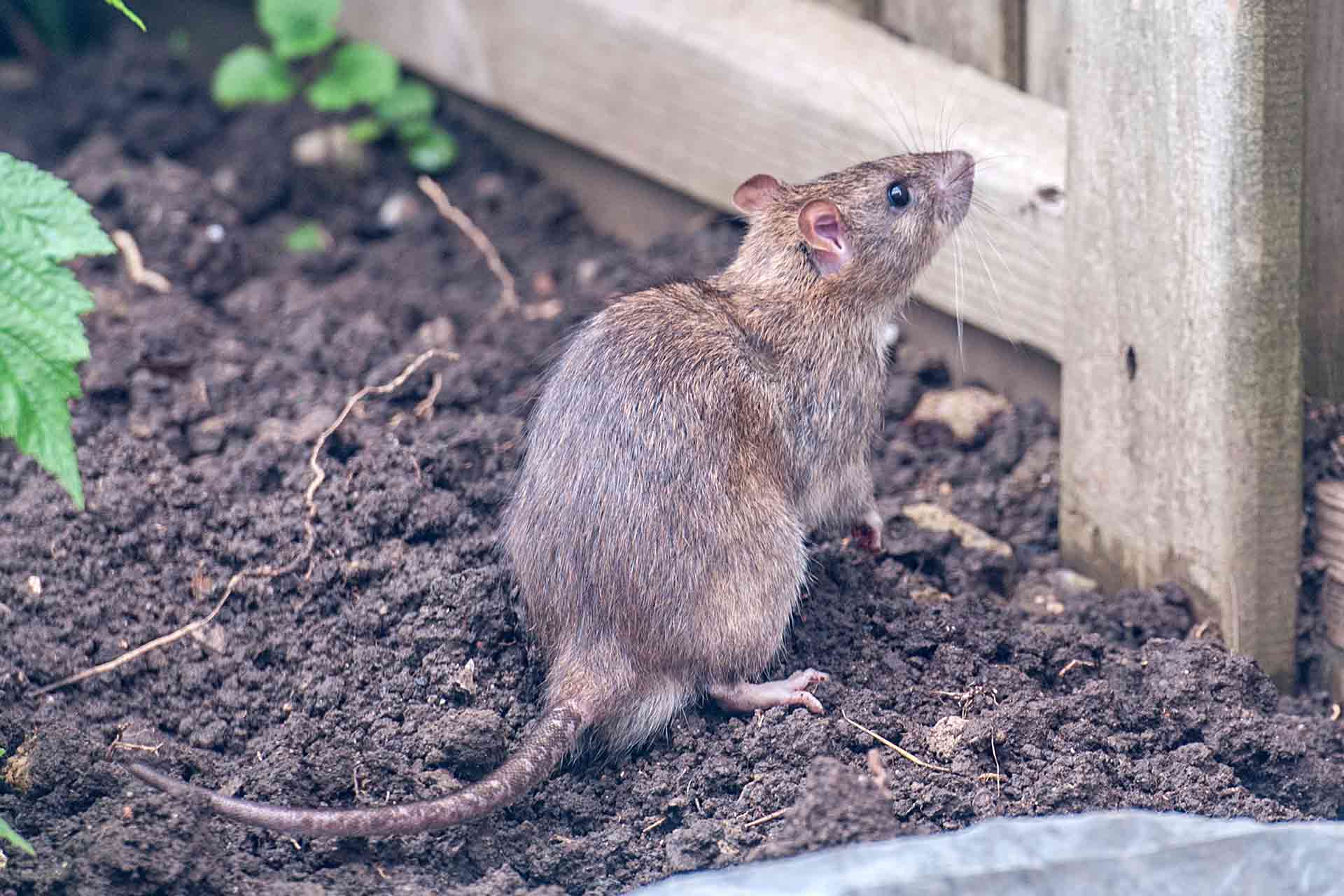
How to get rid of rats in your garden
Knowing how to get rid of rats in your garden is important. Whether you're a fan of rats or not, there's no denying they're pests. Sadly, they spread quickly and carry diseases such as Leptospirosis, which can lead to Weil's disease.
How much does a pest control professional charge?
Cost depends on the scale of the infestation and the treatment needed. Our pest control cost guide covers current typical pricing, and our rat extermination cost guide gives a more specific steer if rodents are the concern.

Pest-proofing checklist
Pest prevention methods summary
Prevention is a smart, low-cost investment against a much more expensive problem later
Act on the first signs of pests rather than waiting to see if it resolves itself
Always hire a professional to actually remove pests, so it's done right the first time
Find a local pest control expert
Find pest controllers near you
More Pest / Vermin Control Articles

See the tradespeople we've checked for your job