HOW-TO GUIDES
How to get rid of rats in your garden
Updated 08/26
By: Olivia Scammell
Reviewed: Laura Macdonald
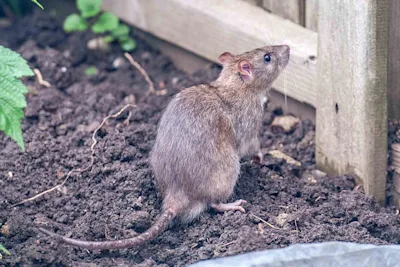
Few things spoil spending time in your garden quite like spotting a rat darting under the decking or disappearing into a compost heap.
Whether you've seen one, found burrows, or you've started noticing gnaw marks and droppings, it's natural to want the problem sorted quickly. The sooner you act, the easier it usually is to stop a small problem becoming a much bigger one.
This guide explains how to get rid of rats in your garden, how to stop them coming back, and when it's time to call in a professional pest controller.
How to spot the early signs of a rat problem
What draws rats into gardens in the first place
Humane and preventative ways to get rid of them
How to deal with rats under decking, in sheds, or near vegetables
When poison or professional help is the right call
What it costs to bring in a pest control expert
Quick answer: How do you get rid of rats in your garden?
If you've spotted signs of rats, start by removing the things attracting them.
For the best chance of success:
Remove food sources such as fallen bird seed and pet food
Secure compost bins and rubbish bins
Cut back overgrown areas where rats can shelter
Fix leaking outdoor taps and remove standing water
Seal gaps beneath sheds, decking and fences where possible
Use humane traps if deterrents aren't enough
Call a pest control specialist if the infestation is well established or keeps returning
Getting rid of rats is often less about the rats themselves and more about making your garden somewhere they no longer want to live.
Find rat removal services near you
Signs of rats in your garden
Because rats are mainly active after dark, you may never actually see one. Instead, it's usually the signs they leave behind that give them away:
Burrows and runs: smooth-edged holes around 6–9cm across, often with worn 'runs' along walls or fences roughly 10cm wide
Droppings: dark, cylindrical, and around 10–15mm long, resembling large grains of rice
Gnaw marks: on wood, cables, plastic bins, or vegetables
Nesting material: shredded insulation, fabric, or garden debris tucked into sheltered spots
Decking, sheds, greenhouses, and compost heaps are the most common hiding places, since they're dry, sheltered, and rarely disturbed.
If you're unsure whether you're dealing with rats or mice, our guide on how to tell how many rats are in your house covers the key differences and how to estimate the scale of an infestation.
Why do rats end up in gardens?
Like most wildlife, rats are looking for somewhere with food, water and shelter. Take away one of those, and they're much more likely to move on. Removing even one of these often solves the problem without any further action.
Common attractants include:
Bird feeders and fallen seed
Unsecured compost bins
Leaking outdoor taps or hoses
Overflowing bins or food waste
Cluttered sheds, log piles, or dense undergrowth
A legal note: under the Prevention of Damage by Pests Act 1949, occupiers in the UK have a duty to report and deal with a rat infestation on their property, so it's worth acting promptly once you've confirmed one.
How to get rid of rats in the garden without poison
Prevention and humane deterrents are usually the first step, especially for a smaller or early-stage problem:
Keep on top of garden maintenance
Stop or secure feeding
Make decking and sheds harder to access
Move garden furniture and clutter regularly
Fill gaps around fences, walls and outbuildings
Secure your compost bin
Fix leaking taps and hoses
Cover drains and pipe openings with mesh
Try natural deterrents
Use humane traps if other deterrents haven't worked
Fencing can help too. If you're fitting new fencing to keep rats out, bury the base at least 30cm underground and use fine metal mesh rather than wood or plastic, which rats can gnaw through.
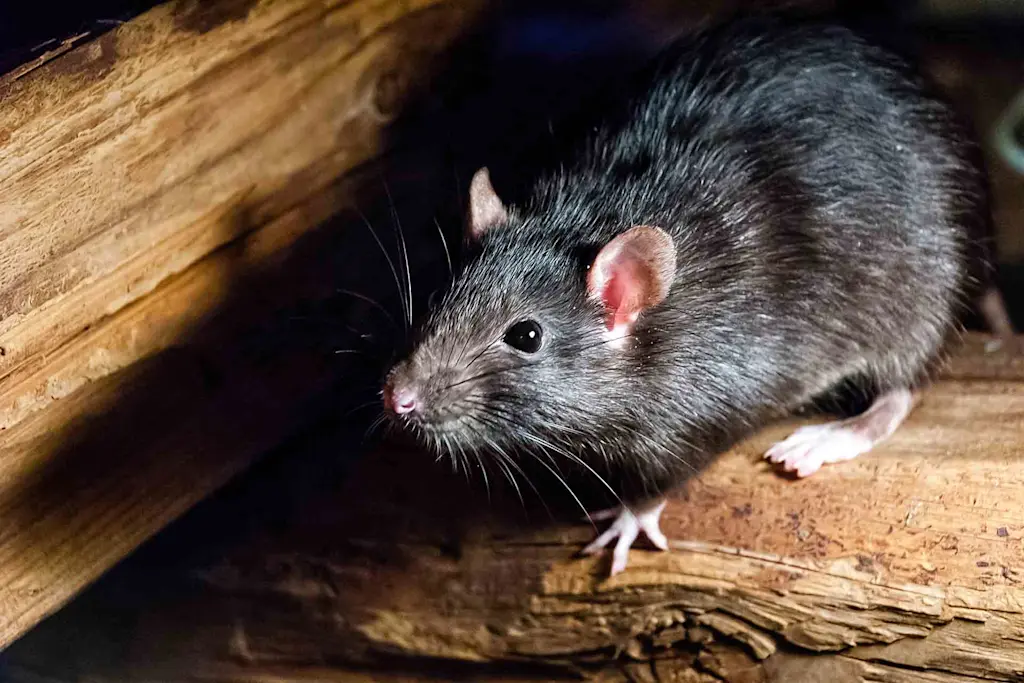
How to get rid of rats in a garden shed
A shed can be the perfect hiding place for rats: dry, sheltered and often left undisturbed for days at a time. To reclaim yours:
Clear clutter so there are fewer places to nest
Plug entry points, including gaps under doors and around pipework, and consider a metal kick plate on the door
Use snap traps or live cages depending on how comfortable you are with each method
Release humanely trapped rats at least a mile from your home to prevent them simply returning
If you use a live cage, never touch the rat directly. Cover the cage with an old sheet when moving it, and release or dispose of it promptly to avoid attracting other rats to the same spot.
How to get rid of rats in a vegetable garden
Fresh fruit, vegetables and compost are all attractive food sources for rats, so a few preventative measures can make a big difference.
To protect your plot without resorting to poison:
Grow peppermint or catnip nearby, both of which are natural deterrents
Cover or remove standing water sources, including ponds — raising or netting a pond helps
Build a raised bed with soil netting underneath
Consider a secure polytunnel to physically block access
Rats and pets in the garden
If you have a dog or cat that spends time in the garden, they may naturally discourage rats from settling.
If your pets aren't the hunting type, stick to humane deterrents above and avoid poison and unprotected snap traps, both of which can accidentally harm pets or wildlife.
Can you get rid of rats yourself — and should you?
Many small rat problems can be tackled yourself, especially if you've caught them early and the infestation is limited to one area of the garden.
DIY is usually suitable if:
You've only seen occasional signs of rats
You can remove the food or shelter attracting them
You're comfortable using humane traps if needed
The problem doesn't appear to be spreading
It's usually worth calling a pest control specialist if:
You're seeing rats regularly during the day
There are several burrows around the garden
DIY methods haven't worked
Rats have got into your home or outbuildings
You're concerned about children or pets coming into contact with rats
Sometimes the biggest challenge isn't getting rid of the rats. It's finding out why they chose your garden in the first place.

How much does rat extermination cost in 2026?
A rat infestation on your premises can lead to costly structural and cosmetic damage. Here we give an idea of average UK pest control costs for getting rid of rats.
Thinking about hiring a professional?
Rats reproduce quickly, so what starts as one or two visitors can become a much bigger problem surprisingly fast.
A professional pest controller won't just deal with the rats you can see. They'll also help identify:
Where the rats are nesting
What's attracting them
The safest and most effective treatment for your situation
Just as importantly, you'll have confidence that the infestation has been dealt with properly rather than wondering whether they'll be back a few weeks later.


Checklist: Keeping your garden rat-free
Find checked and reviewed pest control experts near you
If you've tried removing food sources and shelter but the rats keep coming back, or you're dealing with a larger infestation, a local pest control specialist can help.
With Checkatrade, tradespeople are:
Checked - Every Checkatrade member must pass up to 12 checks and commit to upholding the Checkatrade Standard
Reviewed - Over 6.2 million reviews have been published on Checkatrade about real jobs, on everything from communication, tidiness, timekeeping, and quality of work
Guaranteed - Jobs booked through Checkatrade are covered up to £1,000 (T&Cs apply)
Whether you need help identifying where the rats are coming from or safely clearing an established infestation, search for checked and reviewed pest control specialists near you.
Find rat removal services near you
FAQs
How do I fill rat holes in my garden?
Before filling any burrows, make sure the rats are no longer using them. Once you're confident the infestation has been dealt with, you can fill the holes using soil, gravel, cement or wire mesh to help discourage rats from returning.
How do I get rid of rats fast?
Traps are generally the quickest DIY option, though they're not for everyone. If you want a faster resolution without laying traps yourself, a professional pest controller can typically clear a garden infestation within a few visits.
Should I use poison to get rid of rats?
Poison is usually best treated as a last resort, after humane methods and trapping have been tried, or for severe infestations. It carries risks to pets, children, and wildlife, so many professionals recommend enclosed bait stations or a licensed pest controller if poison is needed.
What do rats hate the most?
Alongside traps, rats tend to avoid strong scents like peppermint oil, cloves, and naphthalene. A peppermint spray refreshed every couple of weeks can help keep them from settling.
Are rats in the garden dangerous?
Yes, to some extent. Rats can carry diseases including leptospirosis (Weil's disease) and salmonella, and can damage property by gnawing through cables, decking, and shed timber. It's worth dealing with an infestation promptly rather than leaving it.
How can I tell if I have rats or mice in the garden?
Rat droppings and burrow openings are noticeably larger than those from mice, and rat runs along fences or walls tend to be more visible. Our guide on how to tell how many rats are in your house has more detail on identifying which pest you're dealing with.
Do I have a legal responsibility to deal with rats in my garden?
In the UK, occupiers have a responsibility to deal with rat infestations on their property, so it's worth acting promptly once you've confirmed one.
More Pest / Vermin Control Articles
See the tradespeople we've checked for your job