Blog>Expert Advice>Key signs you need a new boiler
Last updated: 11 October 2024

Key signs you need a new boiler
Age, performance, or strange noises - there are several reasons that might lead you to wonder whether it's time for a new boiler. We look at the tell tale signs of needing to replace the boiler, the benefits of doing so, and the green heating solutions available.
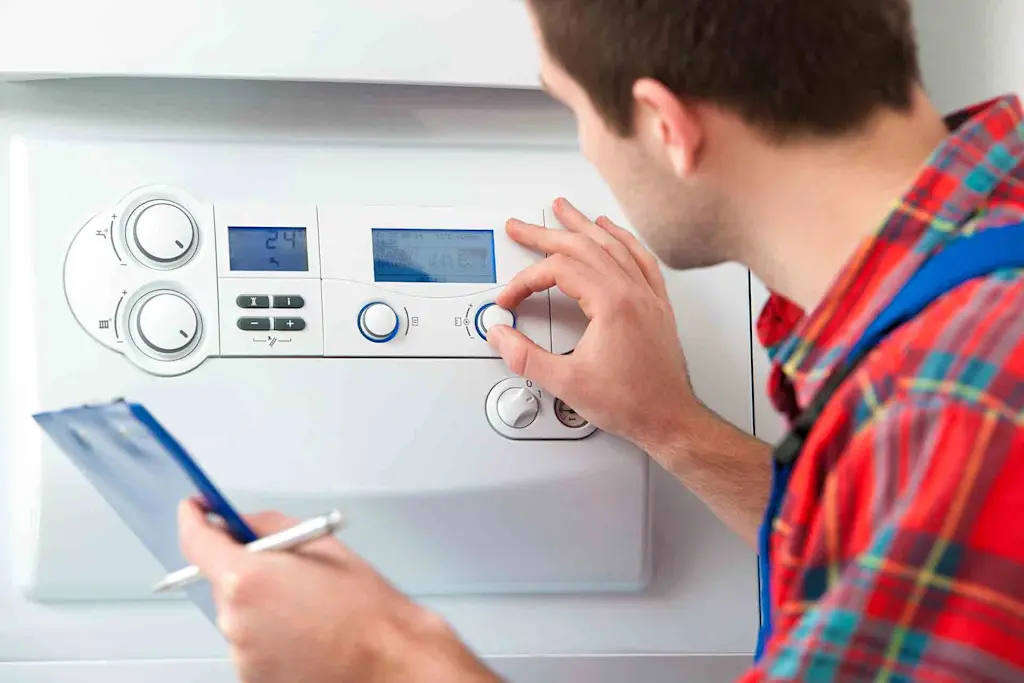
If you have that nagging feeling that you need a new boiler, it's worth investigating to find out if it's time for a replacement.
Like all appliances, a boiler has a lifespan and can become less efficient or prone to breakdowns as it ages.
But while many homeowners wince at the thought of the cost of a new boiler, it could be that your current model is costing you money in higher energy bills and frequent repairs.
Here, we outline the key signs that indicate you may need a new boiler and guide you through the benefits of upgrading to a modern, energy-efficient alternative.
Find a local tradesperson
6 signs you need a new boiler
A boiler that's been serviced regularly and well-maintained should last between 10-15 years. Beyond this time, boilers generally become more unreliable, less energy-efficient, and cost more in repairs and energy bills. And no one wants any of those things!
A bit like a trusty old car, how do you know when it's time to stop spending money on repairs and 'bite the bullet' with a replacement?
1. Frequent repairs
While repairing minor issues is normal, the costs can add up if you're constantly having to call an engineer to fix your boiler.
If your boiler needs frequent repairs, or the cost of repairs approaches or exceeds half the price of a new boiler, it's often more cost-effective to replace it.
2. High energy bills
It's well known that older boilers are much less efficient than newer models. New boilers have efficiency ratings of over 90%, which can significantly impact your bills. It can also add value to your home, being more appealing to prospective buyers.
If your energy bills are creeping up without an increase in usage, an older, inefficient boiler, could be in part to blame.
3. The boiler isn't heating your home properly
A boiler that's taking longer than usual to heat your home or hot water, or not heating enough water for your needs, is an indication that it could be time for a new boiler.
Most modern boilers will fire up and reach their maximum temperature quickly. If your boiler is struggling to do this, it could be a sign that it's on the way out.
It could be that the internal components are wearing out, making it harder for the system to maintain the desired output.

Seven tips for central heating maintenance
Central heating maintenance helps keep your home warm and safe and maximises the lifespan of your central heating system. Here are seven essential tips to keep your gas, electric, or oil systems in tip-top shape.
4. Age
As boilers age, their parts wear down, making them less efficient and more prone to breakdowns.
If your boiler is over ten years old, isn't performing as it should, and is in need of frequent repairs, contact a certified engineer to discuss the options for replacing it.
A modern boiler will typically offer excellent performance, with greater control and efficiency through smart features.
5. Leaks, noises, or odours
If you notice any of the following signs, contact a certified engineer immediately:
Leaks: Puddles around your boiler where water has dripped and started to pool
Strange noises: A low hum is normal. Banging, whistling, gurgling, or whirring sounds should be investigated by a qualified heating engineer
Odours: There shouldn't be any noticeable smells coming from your boiler. If this isn't the case, contact a qualified engineer
6. Yellow flame instead of blue
A boiler flame should burn bright blue. If it's changed to yellow or orange, it could be a sign of incomplete combustion. This is a safety hazard, as the boiler could be emitting the dangerous gas, carbon monoxide.
Contact a Gas Safe registered engineer immediately.
Find a local tradesperson
Why upgrade to a new boiler?
We now know the key signs that could indicate the need for a new boiler, so let's take a look at some of the main benefits of upgrading to a modern unit.
Improved energy efficiency: A new boiler will use less fuel to produce the same amount of heat, which means lower energy bills and a smaller carbon footprint
Lower heating bills: Increased efficiency means lower energy bills, as your new boiler won't use as much energy
Quieter operation: Modern boilers are designed to run more quietly than older models
More compact design: Newer boilers tend to be more compact, freeing up valuable storage space in your home. If you're considering moving your boiler to a different location, it could be a good time to upgrade to a smaller model
Greater control: Many modern boilers have the ability to integrate with smart thermostats and home automation systems. This gives you more control over your home's temperature and energy usage
Increased property value: A new boiler will get you a better energy rating, which can increase the value of your property
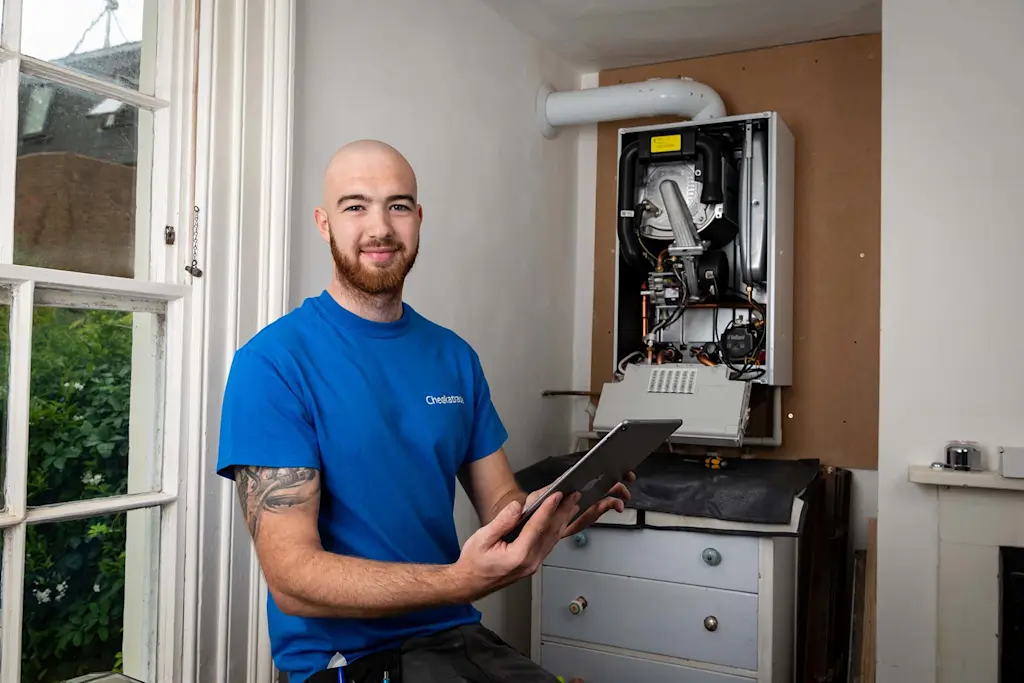
Replacing your boiler with a green alternative
Some homeowners choose to replace 'like-for-like' when they need a new boiler. However, it's worth considering the environmentally friendly alternatives that are available.
Eco-friendly heating options offer energy savings and will reduce your carbon footprint. Some of the most popular choices include:
An electric boiler would be considered an eco-friendly option if your home runs on renewable energy, e.g. solar or wind.
Hydrogen-ready boilers are not yet widely available, but they are being developed as a future-proof option. They can run as gas combi boilers initially, to be modified to run on hydrogen (a cleaner fuel alternative), when the time comes.

How much does a new boiler cost?
Given the cost of replacing a boiler, you should always weigh up the cost of boiler repair versus replacing your boiler with a new one.
On average, expect to pay between £1,200 - £10,000for a new boiler (supply only)
Boiler installation costs are usually around £1,000 - £2,000
In total, the average cost of a new boiler and installation is around £3,000 - £15,000
Budget for additional costs such as new radiators and wifi-enabled thermostats for greater efficiency
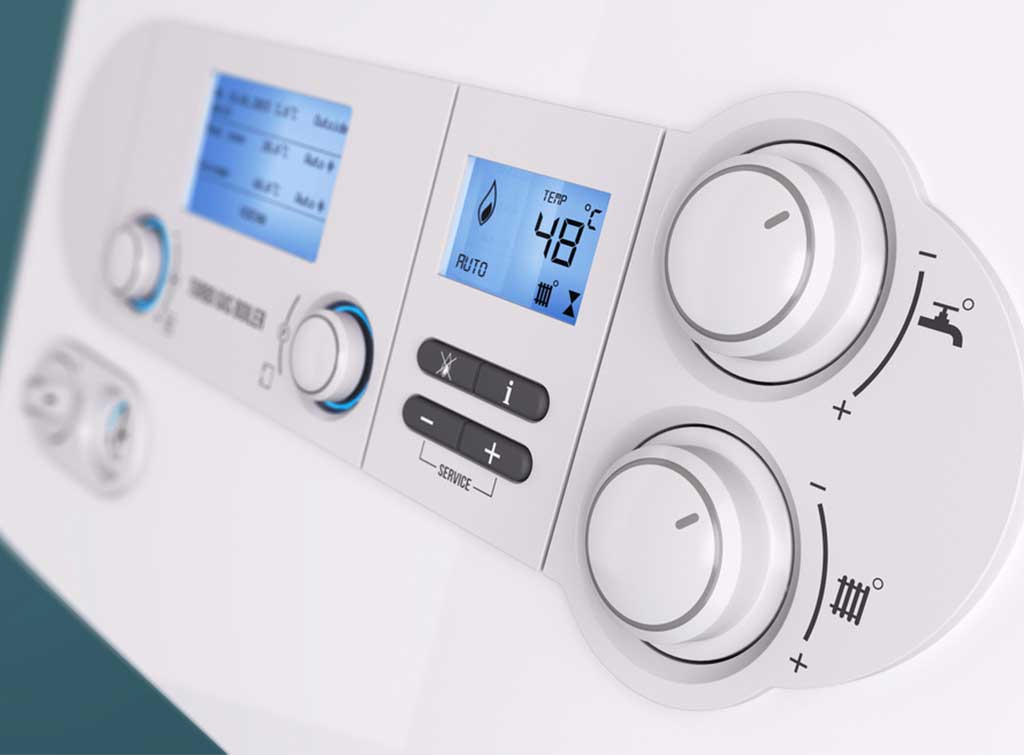
How much does a new boiler cost in the UK in 2026?
Our comprehensive guide outlines the average cost of a new boiler, running costs, and potential additional expenses to budget for.
Summary
The average lifespan of a modern boiler is around 10-15 years if it's serviced regularly and well-maintained. If your boiler is 10 years old and is still working well, then chances are you'll have a good few years left.
An annual boiler service will help make sure your boiler is in good working condition. Identifying and repairing small issues if/when they arise can add years to its life.
However, if your boiler is constantly breaking down or needs major repairs, you might want to consider replacing it.
Find an approved engineer for your boiler replacement
We would always recommend hiring an engineer certified to work with the type of boiler you choose. That's a Gas Safe Registered engineer for gas boilers, an OFTEC-registered technician for oil boilers, and a heating engineer qualified in both electrics and plumbing for electric boilers.
Enter your postcode below to find qualified and approved engineers in your local area.
Find a local tradesperson
See the tradespeople we've checked for your job