HOW-TO GUIDES
How to fix low water pressure
Updated 07/26
By: Content Team
Reviewed: Alex Peters
Many of us enjoy a long, hot shower to relax and wind down from our busy lives. But having low water pressure can take your showering experience from luxurious to lacklustre, ruining your mood and impacting your day.
Find out how to fix low water pressure in this handy guide.
Why your water pressure has dropped
How to test your home's actual pressure
Quick fixes for taps, showers and sinks
What to do about low boiler pressure
When a pump or new pipework is the answer
How to tell a local issue from a home issue
There's nothing worse than stepping into the shower expecting a strong, hot stream and getting a disappointing trickle instead.
Low water pressure is one of the most common plumbing complaints in UK homes, and the good news is that many causes can be diagnosed - and fixed - without calling anyone out.
This guide walks through why your pressure might have dropped, how to test it properly, and the fixes for taps, showers, sinks and boilers. We'll also cover when it's worth bringing in a professional.
Find a plumber near me
Water pressure vs water flow: what's the difference?
Before troubleshooting, it helps to know what you're actually measuring.
Water pressure is the force pushing water through your pipes, usually measured in bars (or PSI in some products' specs)
Flow rate is how much water actually comes out over time, measured in litres per minute
The two are related but not identical - a system can have decent pressure but poor flow if a pipe is partly blocked, or vice versa.
As a rough guide:
Below 1 bar is generally considered low
3-4 bar is a healthy reading for most UK homes
Above 5-6 bar starts to risk stressing pipes and appliances

What do I do if I have no water?
There’s nothing worse than going to turn on the shower or fill the kettle only to discover… there’s no running water! Here, we’ll help you to understand what to do if you have no water, and walk you through how to fix some common problems that might be causing it.
Why is my water pressure low?
Several things can cause a pressure drop, so it's worth working through them systematically rather than guessing.
A problem with the local supply - Ask neighbours whether they're affected too. If so, the issue sits with your water company, not your pipework, and isn't something you can fix yourself.
A hidden leak - Look for damp patches, and check your water meter with all taps off - if it's still ticking over, water is escaping somewhere.
Limescale and sediment - Mineral build-up from hard water narrows pipes and clogs tap and shower head nozzles over time.
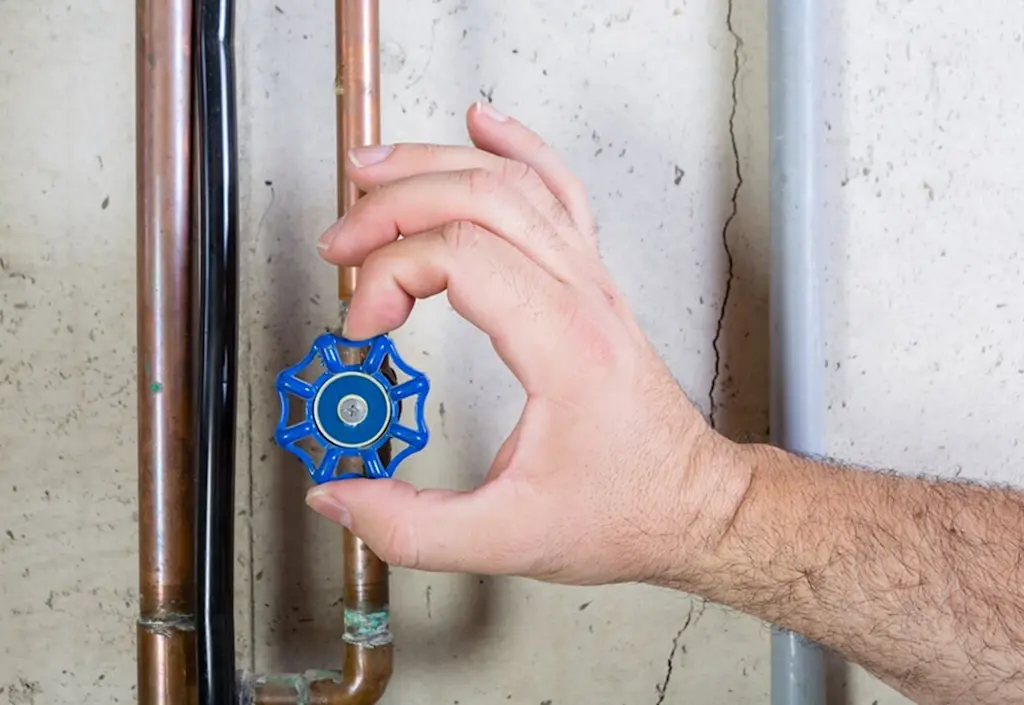
A partially closed valve - Check the stopcock and any isolation valves, including the mains valve, to make sure they're fully open.
A tired or undersized pump - Pumps lose efficiency without maintenance, and an underpowered pump won't cope with modern shower demands.
Frozen pipes - In winter, ice can restrict or completely block flow, particularly in exposed external pipework.
Corroded pipework - Older metal pipes rust from the inside, flaking sediment into the water and narrowing the bore.
A misconfigured pressure regulator - If this valve is set too conservatively, it will throttle your whole system's pressure.
Shared supply pipes - In flats or terraces on a shared main, pressure can dip when neighbours are drawing water at the same time.
Water companies are legally required to supply a minimum pressure of 1 bar at your property boundary. If your reading is consistently below this, report it to your supplier before spending money on fixes.
How do I check my home's water pressure?
Testing takes a few minutes and just needs an inexpensive pressure gauge:
Turn off every tap, inside and outside the house
Attach the gauge to an outside tap
Turn that tap on fully and note the reading
Compare it against the ranges above to see whether you have a genuine problem
Need a hand fixing your water pressure issues? Why not contact a plumber today?
Find a plumber near you
How to fix low water pressure in a house
Once you've narrowed down the likely cause, try the matching fix:
Flush the pipes to clear light sediment, and consider a water softener if hard water is a recurring problem
Thaw frozen pipes carefully, using gentle heat rather than an open flame - wrap them in warm towels or use a hairdryer on a low setting
Replace damaged pipework if it's leaking, badly corroded, or persistently blocked
Fit a booster pump if your supply itself is simply too weak for your appliances
Fully open every valve, particularly the often-overlooked yellow stopcock under the kitchen sink
Rebalance the pressure regulator if it's set too low for your system

Fixing low pressure in the shower
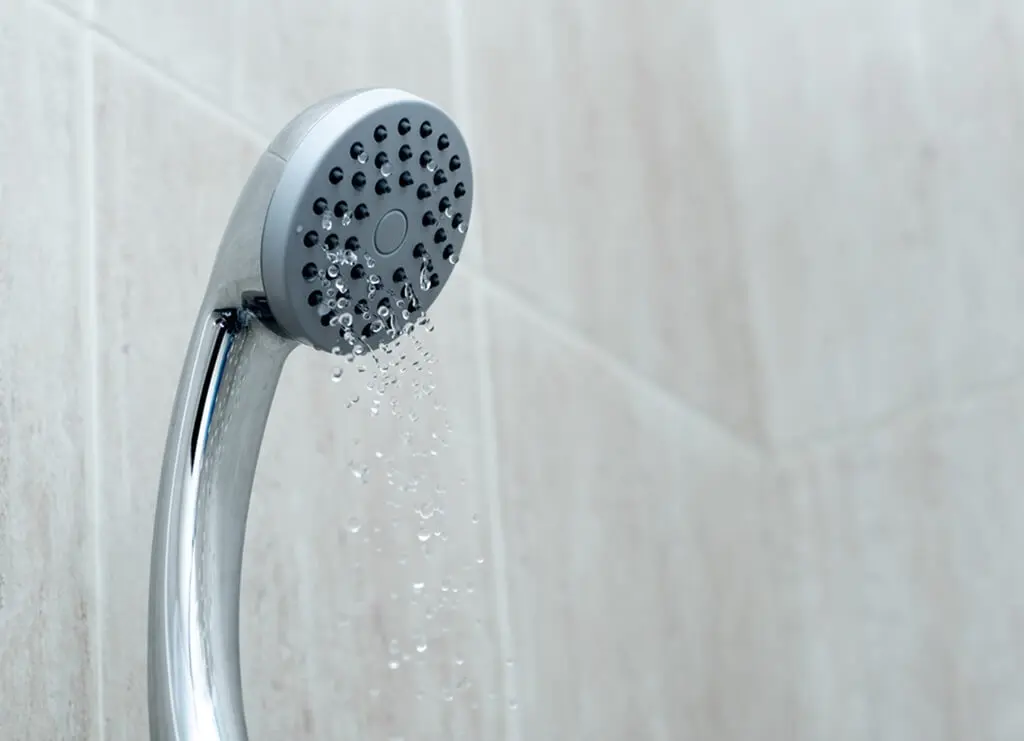
Showers are usually where low pressure is felt most.
Depending on what's causing it, you can:
Fit a shower pump if your system is gravity-fed and struggling
Switch to an electric shower, which draws mains water directly rather than relying on stored pressure
Replace an old shower head with one designed for low-pressure systems
Clean out limescale and debris from the existing head and hose
If your shower head is otherwise in good condition, a soak in descaler often restores flow without any cost at all.
Fixing low pressure at taps and the kitchen sink
For taps and sinks, the checklist is similar:
Replace a faulty valve or cartridge
Clear any clogs in the pipe run
Repair damaged sections of pipe
Confirm the tap's bar rating matches your system (see the table below)
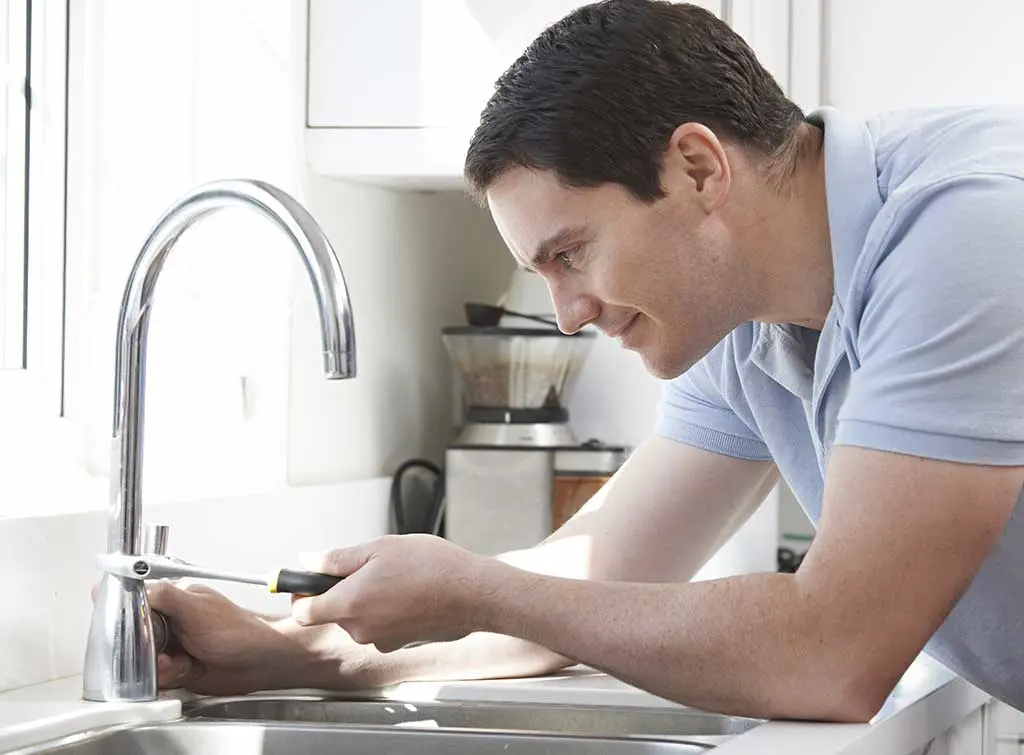
Remove, clean and refit the aerator - a five-minute job that clears most minor blockages
To clean a tap cartridge: turn off the water supply, detach the handle, remove the cartridge, clean it, then refit.
To clean an aerator: pop the plug in the sink so you don't lose small parts, unscrew the aerator from the spout, rinse it, and screw it back on.

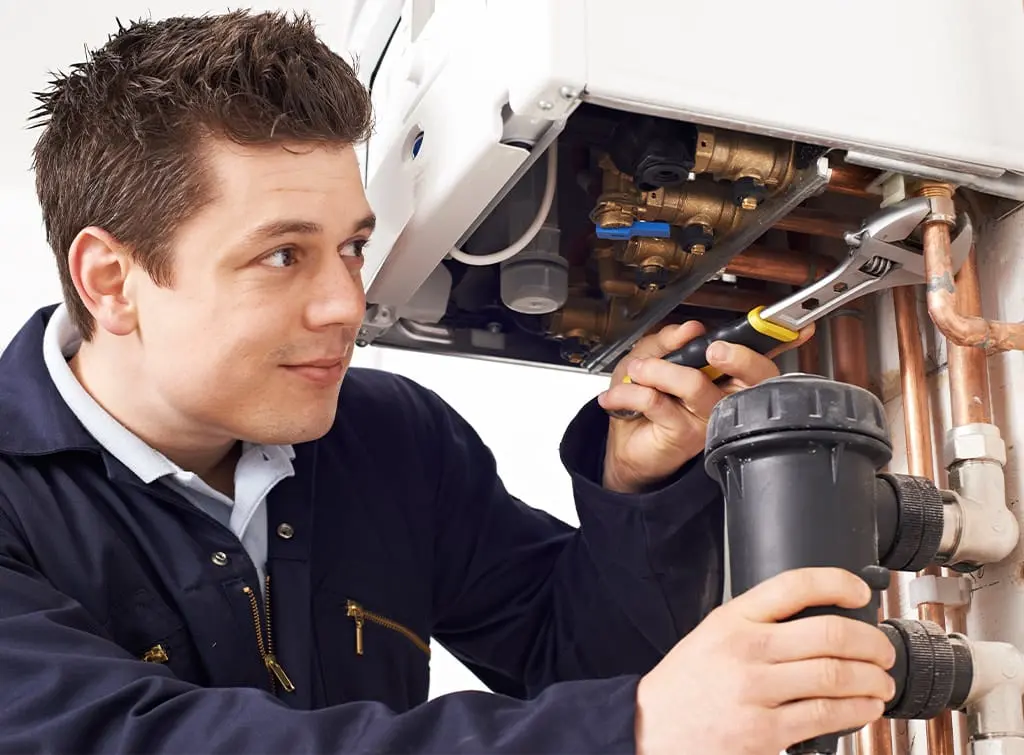
Fixing low boiler pressure
Most boilers display their own pressure gauge, and a reading under 1 bar means the system needs topping up - often because of a small leak, or after bleeding your radiators.
To repressurise a combi boiler yourself:
Locate the filling loop (usually a braided hose under or beside the boiler)
Turn the boiler off and let it cool fully
Make sure the filling loop is securely connected at both ends
Open the valves at each end to let water into the system
Close the valves again once the gauge reads around 1.5 bar
Turn the boiler back on
Give the boiler time to reach temperature before running a bath or shower, or you may not feel the benefit straight away.
If your pressure keeps dropping repeatedly, that usually points to a leak somewhere in the system rather than a one-off fix - our guide to repressurising a boiler covers this in more depth, and it's worth getting a professional to investigate rather than topping up on repeat.

On Checkatrade, you'll only find trades who meet our high standards and pass up to 12 checks.
Choosing the right bar rating for your system
Every water system type suits a different bar rating, and mismatching appliances to your system is a common cause of "mystery" low pressure:
System type | Recommended bar rating |
Gravity-fed | 0.1 - 0.5 bar |
Combi boiler | 1 - 1.5 bar |
Unvented (mains pressure) | 2 bar+ |
If you fit a tap or shower rated for 2 bar onto a gravity-fed system running at 0.3 bar, you'll get a trickle no matter what else you fix.

If pressure issues keep recurring, it may be worth having a plumber check your wider pipework rather than treating symptoms one at a time.
Increasing pressure with a pump
Older properties often run gravity-fed systems, using a cold water tank and hot water cylinder, which naturally produce lower pressure than mains-fed systems.
A booster pump can raise pressure by drawing water from the mains and pushing it through your pipework at higher force.
Be cautious about over-pressurising an older or partially blocked system, as this can cause pipes to split. Always check that any pump you're considering is approved under the Water Regulations Advisory Scheme and complies with UK water regulations.
Common pump types include:
Positive pumps - gravity-fed, needing at least a one-metre fall to work
Single impeller pumps - suitable for one water supply only
Twin impeller pumps - handle both hot and cold supplies
Universal pumps - work for showers where the head sits level with or above the tank
When to call a professional
Some fixes - cleaning an aerator, opening a valve, topping up boiler pressure - are safe for most homeowners to try.
But if you suspect a leak, a faulty regulator, or you're not confident working on the boiler, it's time to bring in a plumber. On Checkatrade, every listed trade has passed a range of checks, so you can book with confidence.
Plumber call-out charges: Cost breakdown 2026
When you’re looking for a plumber, it’s important to know what their call out fee is and what it covers (if anything). In this guide, we look at the average plumber call out fees in the UK, as well as the costs of common plumber jobs.
Find a plumber near me
Checklist before you call a plumber

before you call a plumber checklist
Before you call a plumber...
FAQs
A sudden drop is usually a sign of something specific - a new leak, a blockage, or a valve that's been knocked closed - rather than gradual wear. A plumber can normally trace the cause quickly using a pressure gauge and a visual inspection.
The most common causes are leaks, clogs, partially closed valves, a failing pressure pump, ageing corroded pipes, or a shower head clogged with limescale.
Attach a pressure gauge to an outside tap with all other taps turned off, then open that tap fully and read the gauge. A reading below 1 bar generally indicates low pressure.
Water companies must supply at least 1 bar at the boundary of your property, though most UK homes see readings of around 3-4 bar.
Often, yes. Look for the pressure-reducing valve near your incoming supply pipe and turn the bolt on top clockwise in small increments, checking a gauge as you go, until you reach the desired reading.
Work through it in order: ask neighbours if they're affected, check for leaks, inspect taps and shower heads for blockages, confirm all valves are open, check the pump isn't faulty, look at external pipes for freezing, note any rust or sediment, and check the pressure regulator's setting.
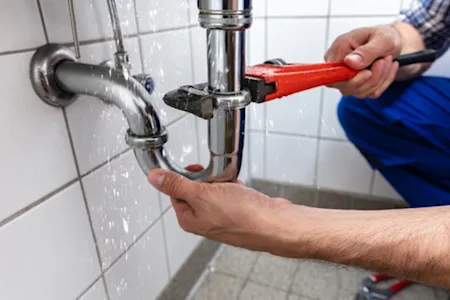
See the tradespeople we've checked for your job