HOW-TO GUIDES
How to fix a pinhole leak in a radiator
Updated 07/26
By: Content Team
Reviewed: Alex Peters
Struggling with leaks and damp spots? Check out our guide on how to fix a pinhole leak in a radiator. With step-by-step instructions, tips and prices.
What causes a pinhole leak in a radiator
How to find and temporarily fix a pinhole leak
How to fix leaks at valves, bleed valves and pipe joints
Why leak sealer isn't a permanent solution
When a radiator needs replacing instead of repairing
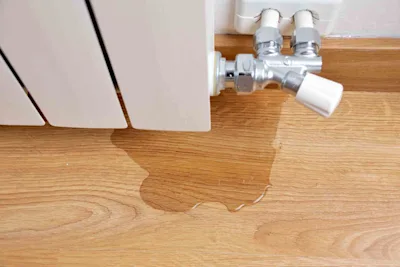
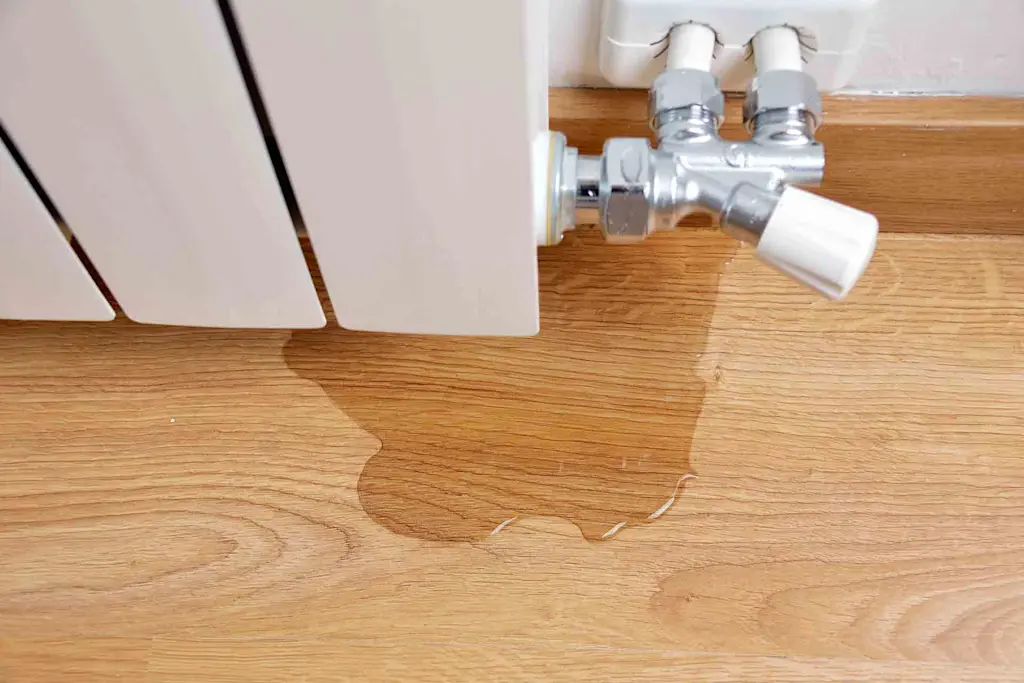
A damp patch under the radiator, or a drip you can't quite trace, is usually the first sign of a radiator leak.
Left alone, it can damage flooring, cause rust to spread, and leave your heating system losing pressure.
The good news is that most radiator leaks - including pinhole leaks - can be diagnosed and often temporarily fixed yourself, though it's worth knowing when a proper repair or replacement is the safer call.
Find a radiator specialist near you
What causes a pinhole leak in a radiator?
Pinhole leaks form when rust and corrosion eat through the radiator's metal from the inside out.
This is usually driven by sludge - a build-up of rust particles and debris that settles inside an unmaintained central heating system over time.
If the bottom of your radiator feels noticeably cooler than the top, that's often a sign of sludge build-up, which is worth addressing alongside any leak repair.
Find radiator repair near me
Radiators failing to heat properly, leaking, or making unusual noises could mean it's time for repair. Find radiator repair services with Checkatrade to get this essential part of your central heating system running smoothly again.
Can you fix a radiator leak yourself?
In most cases, yes. Small pinhole leaks, valve leaks and bleed valve leaks are all realistic DIY jobs.
However, if the radiator is heavily corroded, has a hole larger than pinhole-size, or keeps leaking after a repair, replacement is usually the more sensible option rather than repeated patching.

How to fix a pinhole leak in a radiator
Find the leak
This isn't always obvious - check the floor beneath the radiator for damp patches, or dry the radiator fully and watch for where moisture reappears.
Turn off the water supply
Plus, you'll need to drain the radiator.
Clean and dry the area around the leak
Thoroughly - epoxy putty won't bond properly to a wet or dusty surface.
Apply epoxy putty
Directly over the pinhole and smooth it into place.
Let it cure fully before refilling the radiator and switching the water supply back on.
Keep towels and a bucket under the radiator while you work - draining and refilling always releases some water.
An alternative (or additional) option is a leak sealer added to your central heating system, which circulates through the pipework and radiators to seal small leaks from the inside.
Important: Leak sealer works like a temporary plaster rather than a permanent fix, and it's only suitable for minor leaks. If you're topping up your boiler pressure regularly, or the leak returns, that points to a bigger problem that sealer alone won't solve - it's time to call a plumber.
Get an instant estimate for radiator repair using Checkatrade's AI-assisted pricing tool.
Job Estimate Calculator

How to fix a leaking radiator valve
Valve leaks are just as common as leaks in the radiator body itself, and the fix is usually straightforward:
Turn off the water supply and drain the radiator
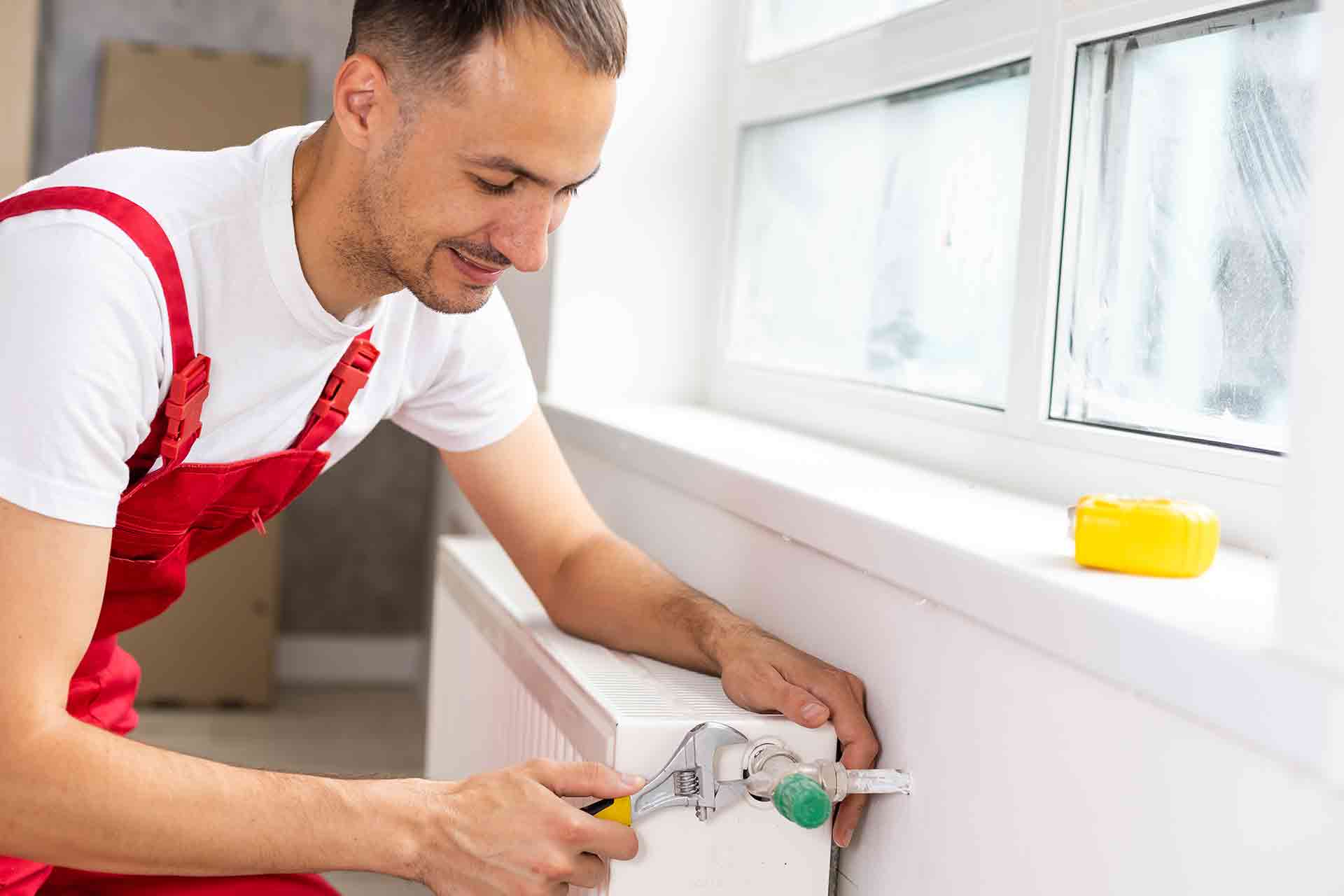
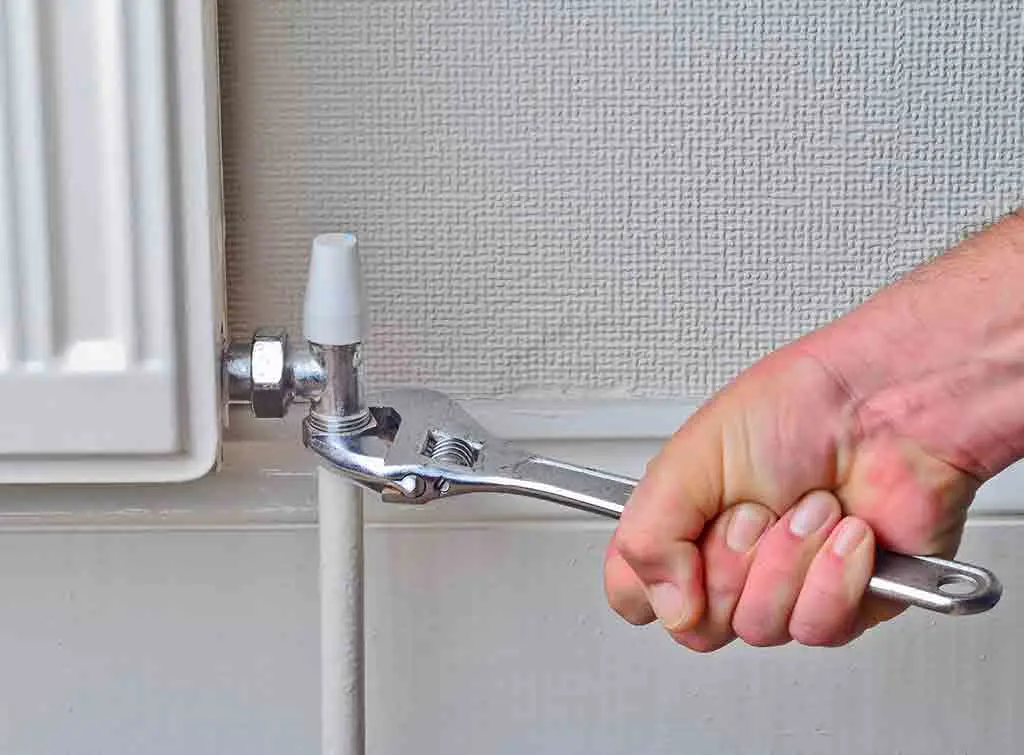
Unscrew the union nut with a spanner
Open the bleed valve over a bucket to let any remaining water drain
Wrap PTFE tape around the valve tail - around ten wraps is typical
Retighten the union nut with the spanner
Open the bleed valve, then turn the water supply back on and refill
Check for leaks before closing the bleed valve again
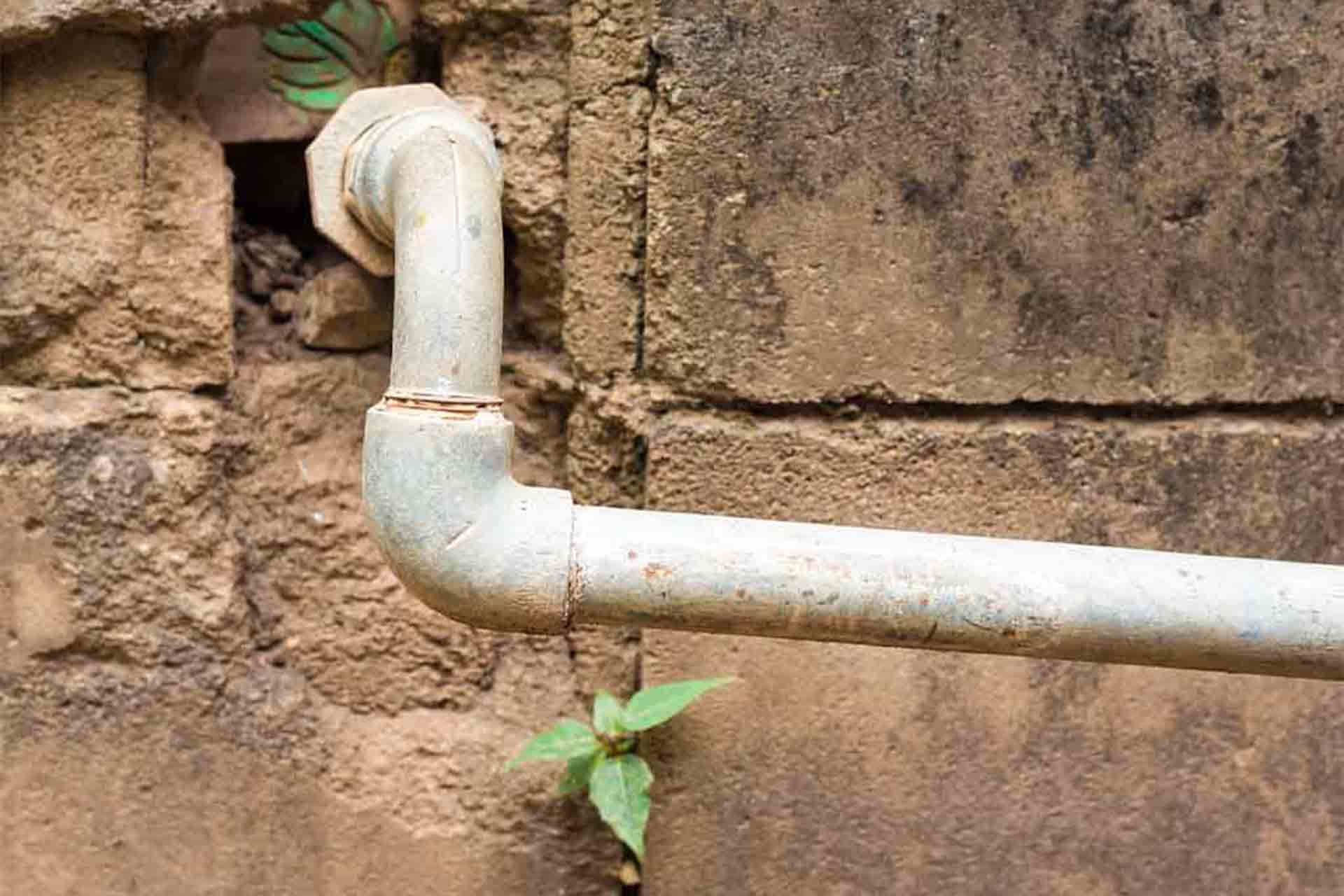
How much does it cost to repair a leaking water pipe?
A leaking pipe can cost £220–£440 to repair, or less if you catch it early. Find out what affects the price, when to DIY, and how to get a quote from a local plumber.
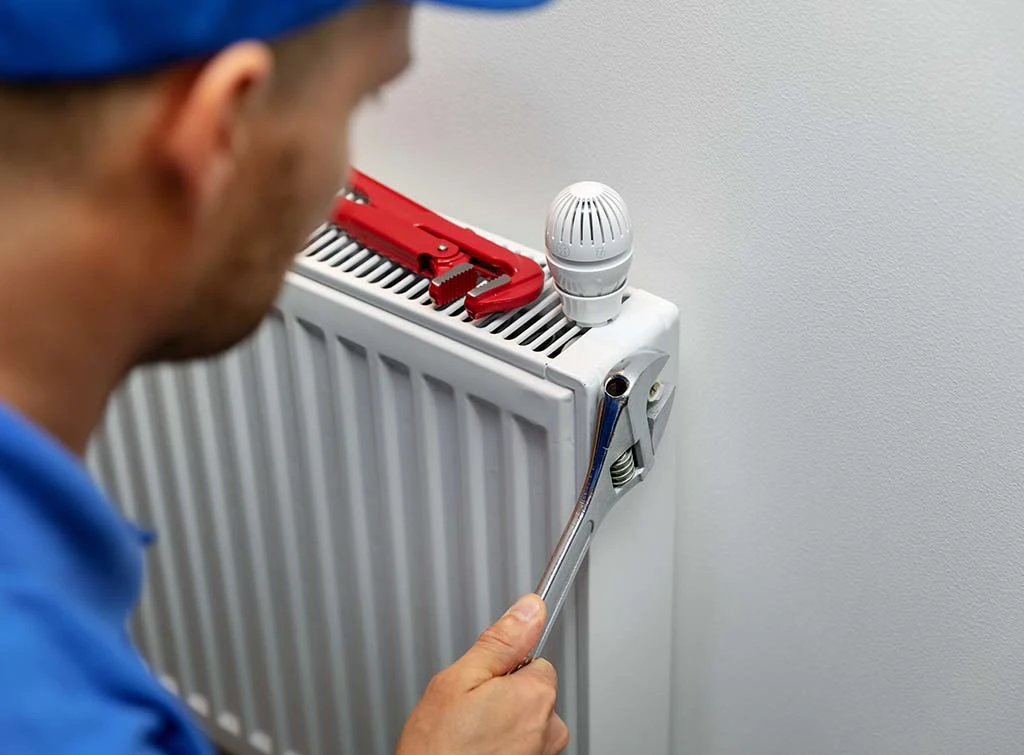
Radiator leaking from the top
A leak from the top of a radiator is almost always down to the bleed valve rather than the radiator body itself:
Confirm the bleed valve is the source
Push a cotton bud gently into the bleed valve opening - if it comes away wet, you've found the leak
Turn the bleed key clockwise to tighten the valve screw
This should stop the leak; if it doesn't, the valve itself may need replacing

How to fix a leaking bathroom or towel radiator
Towel radiators leak in largely the same places as standard radiators, so isolate the source first:
Valves - follow the valve leak steps above
Spindles - tighten the gland nut with a spanner, or wrap tape around the spindle
Pipe joints - tighten the joint or wrap it with PTFE tape
The radiator itself - follow the pinhole leak steps above
We check the reviews on Checkatrade are from real people, and that trades meet our high standards.
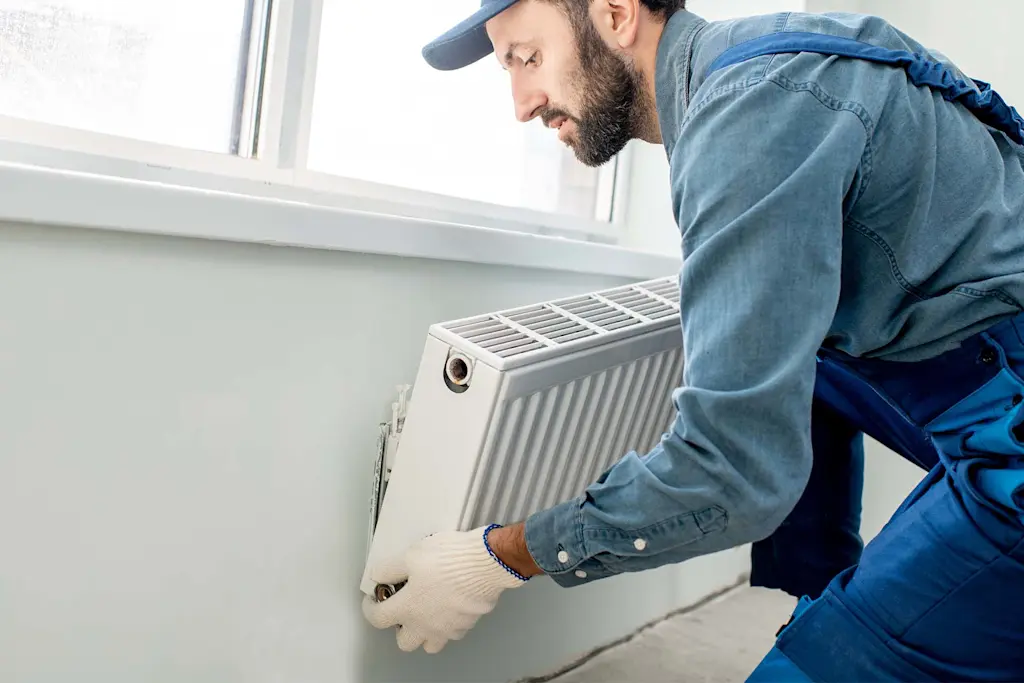
When a hole is too big to repair
Small pinhole leaks can be temporarily sealed with epoxy putty or leak sealer, but medium and large holes generally can't be.
If your radiator is significantly corroded, or the hole is beyond pinhole-size, replacement is the realistic option rather than a repeated series of temporary fixes.

If your radiator needs replacing rather than repairing, a plumber can advise on the best size and type for the room, and handle removal of the old unit safely.
Filling holes around radiator pipes
If you've disturbed the wall around your radiator pipes during a repair or replacement, gaps left behind are worth sealing to stop draughts and keep pests out:
Small holes: use standard filler, then sand flat and paint over once dry
Medium holes: steel wool packed in and sealed with caulk works well
Larger holes: a lath screen, metal sheeting, or cement gives a more permanent fix
Investing in a new central heating system can reduce your monthly heating costs, improve your home’s energy efficiency, and give you greater control over the way you heat your home.
When to call a professional
DIY pinhole and valve repairs are a reasonable first step, but if the leak keeps coming back, your radiator is badly corroded, or you're regularly repressurising your boiler to compensate, it's worth bringing in a plumber rather than continuing to patch the same fault.
On Checkatrade, every listed trade has passed our vetting checks, so you can book with confidence.
Find radiator repair services near you
Enter your postcode to find a top tradesperson near you
PlumbingHQ
10.00
(2 reviews)Services & skills
PlumberRadiator RepairRadiator Thermostat Valve RepairRadiator InstallationBathroom & Kitchen PlumbingMJ Plumbing and Heating
10.00
(40 reviews)Services & skills
PlumberRadiator RepairRadiator InstallationBathroom & Kitchen PlumbingShower Installation- P
Platinum Plumbers
10.00
(94 reviews)Services & skills
PlumberRadiator RepairShower InstallationUnderfloor Heating RepairPlumbing Merchants AZ Plumbing Contractors Ltd
10.00
(251 reviews)Services & skills
PlumberRadiator RepairGeneral PlumbingUnderfloor Heating InstallationUnderfloor Heating RepairCertified Group Ltd
10.00
(256 reviews)Services & skills
PlumberRadiator RepairWater Pumps InstallationShower InstallationEmergency Plumber ServiceJG Swan Housing Ltd
10.00
(77 reviews)Services & skills
PlumberRadiator RepairEmergency Plumber ServiceBlocked SinksGeneral Plumbing


Checklist before you start

Radiator leak checklist
Before you fix a radiator leak....
FAQs about leaking radiators
Yes, in most cases. Pinhole leaks, valve leaks and bleed valve leaks are all manageable DIY repairs. Heavily corroded radiators or holes larger than pinhole-size usually need replacing instead.
Leak sealer can temporarily seal small pinhole leaks by circulating through your system, but it's a short-term fix rather than a permanent solution. If you're needing to top up pressure regularly, get a plumber to look at the underlying cause.
Pinhole leaks are usually caused by internal corrosion, driven by sludge build-up inside an under-maintained central heating system. Left untreated, sludge can affect heating efficiency as well as cause leaks.
Costs vary depending on whether the radiator needs a simple repair or a full replacement, and on the size and type of radiator. See our radiator replacement cost guide for current UK price ranges.
Confirm the bleed valve is the source using a cotton bud, then tighten the valve screw by turning the bleed key clockwise. If the leak persists, the valve itself likely needs replacing.
See the tradespeople we've checked for your job