HOW-TO GUIDES
How to get rid of fleas
Updated 08/26
By: Content Team
Reviewed: Alex Peters
This guide covers how to get rid of fleas fast, natural and chemical treatment options, and how to tackle fleas in your bed, carpets, and garden - plus when it's worth bringing in a pest control professional.
How to spot a flea problem before it spreads
Fast fixes for fleas in carpets, beds, and furniture
Natural methods versus chemical treatments
How to deal with fleas in the garden
When to call a professional exterminator
How to stop fleas coming back
Fleas have a knack for turning up unannounced and multiplying fast.
A single female can lay up to 50 eggs a day, and while your pet might be where you first spot them, only around 5% of a typical infestation actually lives on the animal - the rest is spread through your carpets, sofas, and bedding.
Want someone to help with your flea problem straight away?
Find a pest controller near me
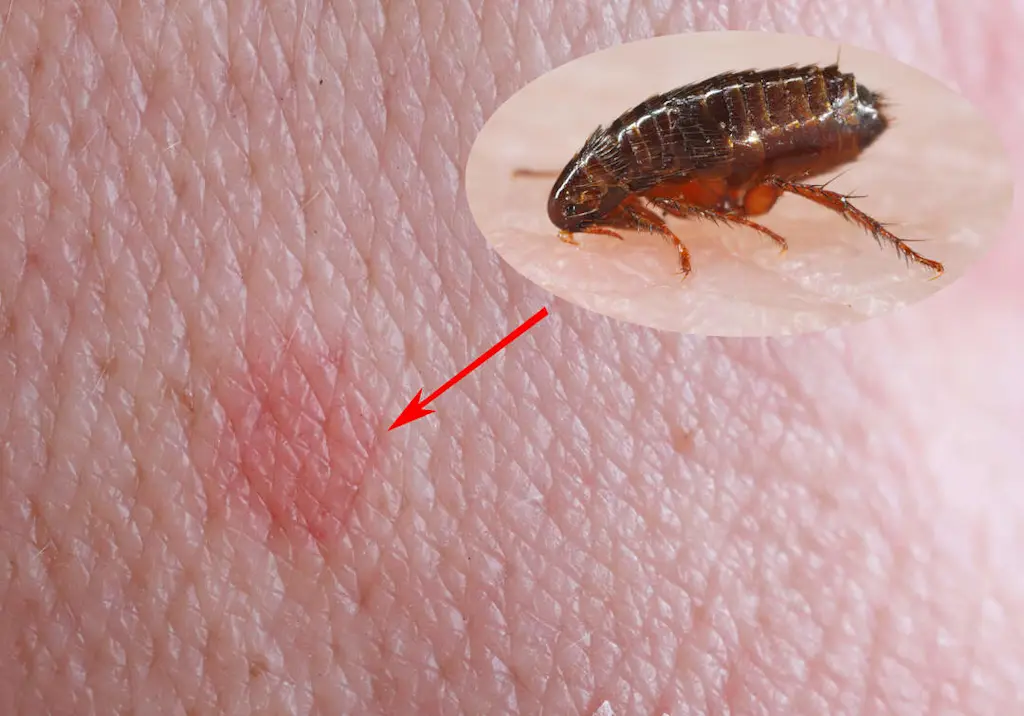
Signs you have fleas in your home
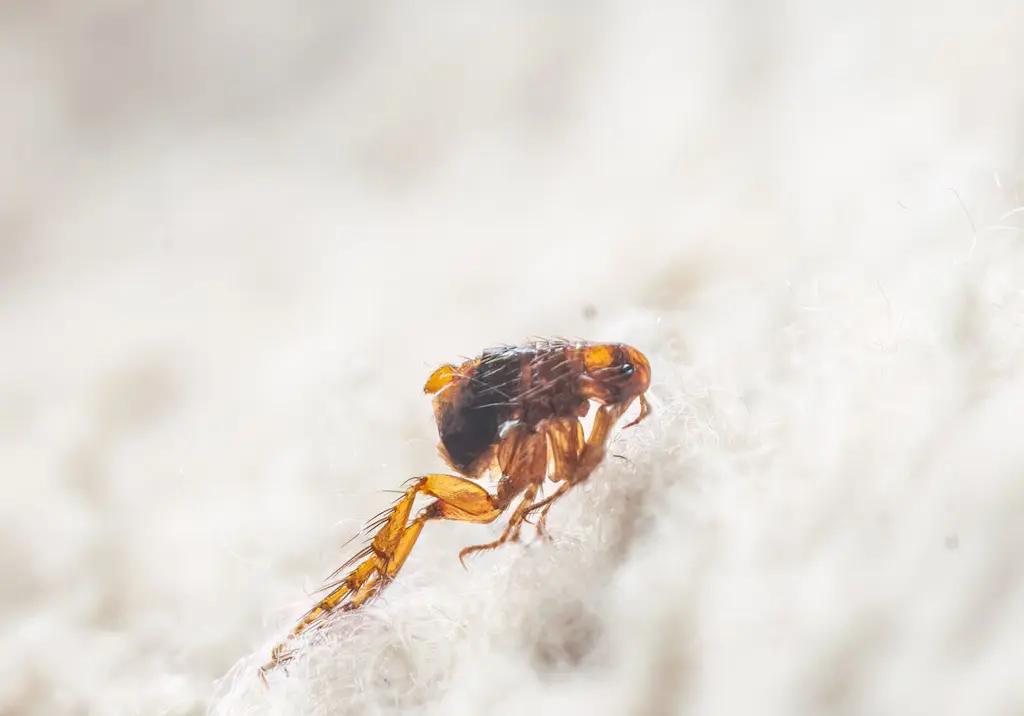
Fleas are small (up to around 4mm) but visible to the naked eye, and there are usually a few tell-tale signs before things get out of hand:
Pets scratching more than usual
Red or bald patches in your pet's fur
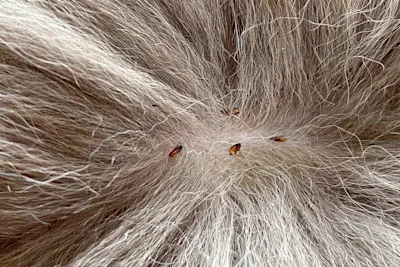
Tiny black specks (flea dirt) when you part your pet's coat
Itchy bites on your own skin, often around the ankles
Fleas visibly jumping on soft furnishings
Fleas can jump surprisingly far for their size - up to around 13 inches - which is part of why they're so quick to spread from pet bedding to carpets and furniture.
How to get rid of fleas fast
Fleas that arrive unnoticed will already be breeding by the time you spot the first signs, so speed matters. A few things you can do straight away:
Declutter the affected rooms so fleas have fewer places to hide.
Vacuum thoroughly and daily on carpets, rugs, sofas, and pet beds - flea eggs and larvae tend to collect in cracks in flooring, along skirting boards, and in furniture seams, not just open carpet.
Seal the vacuum bag or empty the canister into an outside bin straight away, so nothing crawls back out.
Wash pet bedding and any affected household bedding on the hottest wash the fabric allows.
Hire or buy a steam cleaner for carpets, pet beds, sofas, cushions, and rugs - heat kills fleas at all life stages more reliably than cold cleaning.
Bathe your pet with a vet-recommended flea shampoo or treatment, and speak to your vet about starting or switching their ongoing flea prevention.
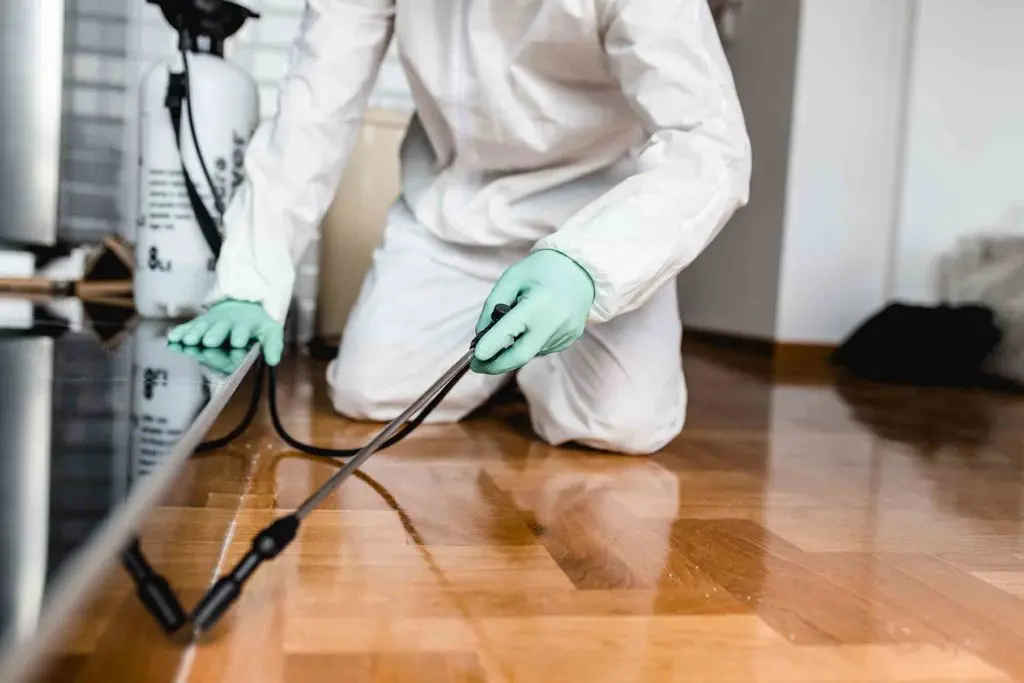
Consider a chemical spray or fogger for the wider infestation. Always remove pets, children, fish, and reptiles from the room before use, and ventilate thoroughly afterwards.
Fleas go through an egg, larva, pupa, and adult stage, and pupae can survive dormant in carpet fibres for weeks. This is why a single vacuum or spray rarely finishes the job - repeat treatments over several weeks give you the best chance of breaking the cycle.

Find fumigation services near me
Noticed droppings, gnaw marks, nests or insects in your home? The first step is to contact a pest control technician for an inspection.
How to get rid of fleas in your bed
Strip all bedding, including pet bedding, and wash on the hottest setting the fabric allows.
Vacuum the mattress, headboard, and bed frame thoroughly, paying attention to seams and crevices.
If the infestation is severe, consider replacing badly affected bedding rather than trying to fully treat it.
For a deeper clean, a professional mattress clean can reach fleas and eggs that vacuuming alone misses
See our mattress cleaning cost guide for typical prices.

How to get rid of fleas in carpets
Clear clutter, then steam clean the carpet - the heat kills fleas and eggs that a vacuum alone can leave behind.
Vacuum thoroughly every day or two while the infestation is active, working slowly to lift eggs and larvae out of the carpet pile.
For a severe infestation, a fogger ("bug bomb") can help, but keep pets well away from treated rooms until the chemicals have fully cleared, following the product's instructions.
A professional carpet clean is worth considering if the infestation keeps recurring - see our carpet cleaning cost guide for pricing.

The complete guide to carpet cleaning
5 reasons why carpet cleaning is important Using the hoover twice a week will remove surface-level dirt from your floors. However, professional cleaning equipment can reach deeper into the carpet fibres. There are several reasons why cleaning your home's carpets is so important. Deep cleaning your
How to get rid of fleas naturally
If you'd rather avoid chemical treatments, a few natural methods can help alongside a good cleaning routine:
Use a fine-toothed flea comb on your pet's fur, then drown any fleas removed in hot, soapy water.
Steam clean soft furnishings and vacuum thoroughly to physically remove fleas and eggs.
Sprinkle baking soda or salt over carpets and leave overnight before vacuuming - both help dehydrate fleas, eggs, and larvae.
Plant or place lavender, mint, or chrysanthemums around the home, which can help discourage fleas.
A simple light-and-soapy-water trap (a shallow dish of soapy water with a lamp positioned above it overnight) can catch stray adult fleas, since they're drawn to the light and can't escape the surface tension of soapy water.

How to get rid of fleas in the garden
Untreated gardens give fleas somewhere to breed before they hitch a ride indoors on your pet.
Mow and rake the lawn regularly.
Clear away dead leaves, sticks, and other debris where fleas can hide.
Spread cedar chips around areas your pet uses or sleeps outdoors - fleas tend to avoid the scent.
Use flea-repelling plants like rosemary, lavender, mint, or catnip in flower beds.
Check your progress by walking around the garden in white knee-high socks - any fleas present will jump onto the fabric, where they're easy to spot against the white background.
Regular garden maintenance from a gardener keeps grass and borders in a state that gives fleas far fewer places to breed in the first place.

If fleas are just one part of a wider pest problem, our guides on getting rid of ants, dealing with mice in lofts, and spider-proofing your house cover the next most common household intruders.
When to call a professional exterminator
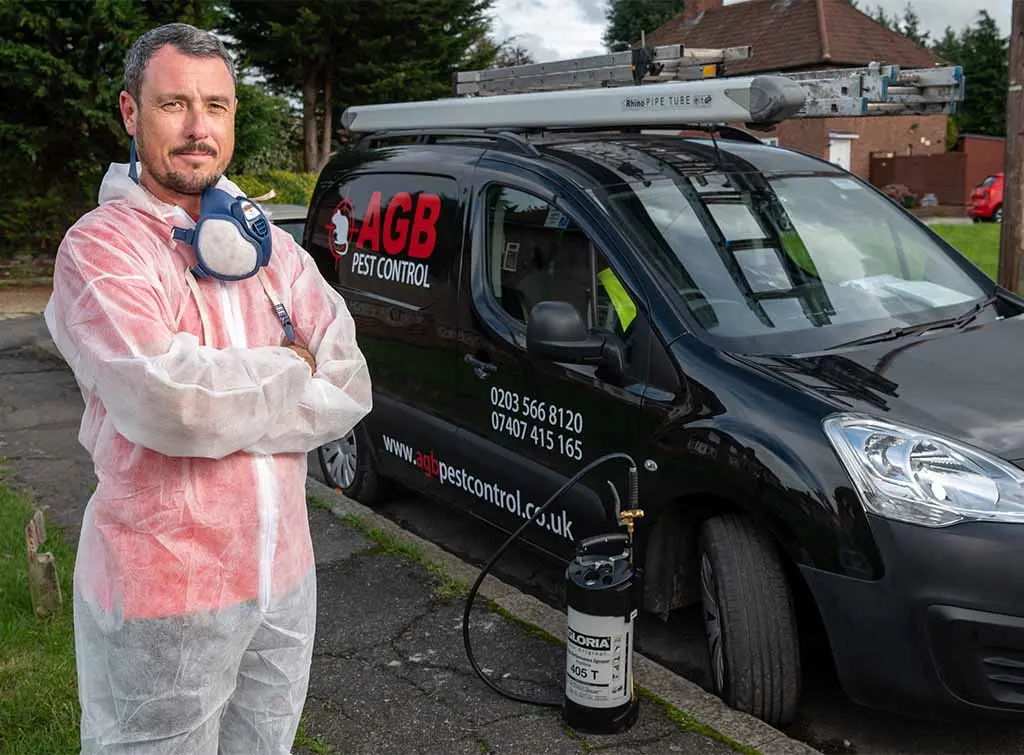
DIY treatment can work well for a mild, early-stage infestation, but fleas are notoriously persistent - the cost of chemicals, a decent vacuum, and replacement bedding adds up quickly, and a partial treatment can leave dormant eggs to hatch weeks later.
It's worth calling in a professional if:
You've followed the steps above for several weeks with no real improvement
The infestation covers multiple rooms or has spread to soft furnishings throughout the house
You have young children, pregnant household members, or anyone with respiratory sensitivities, making chemical treatment riskier to do yourself
Fleas keep returning even after treating your pet and home
A professional pest controller will have access to treatments not available to the public and the experience to target every stage of the flea life cycle in one visit.
Any pest control expert hired through Checkatrade is covered by our guarantee, and you can check verified reviews before booking. For typical costs, see our full pest control cost guide.
Browse local pest control services
Enter your postcode to find a top tradesperson near you
Pablos Pest Management
10.00
(14 reviews)Services & skills
Pest / Vermin ControlEmergency Pest / Vermin Control ServiceWasp Nest RemovalFumigationPestor Ltd
10.00
(23 reviews)Services & skills
Pest / Vermin ControlFumigationWasp Nest RemovalEmergency Pest / Vermin Control ServiceM R Pest Control Environmental Services
10.00
(45 reviews)Services & skills
Pest / Vermin ControlBird Restriction MeasuresWildlife managementFumigationDirect Solutions Pest Control Ltd
10.00
(12 reviews)Services & skills
Pest / Vermin ControlBird Restriction MeasuresEmergency Pest / Vermin Control ServiceWildlife managementWasp Nest RemovalKillaverm Pest Control
10.00
(94 reviews)Services & skills
Pest / Vermin ControlFumigationWasp Nest RemovalEmergency Pest / Vermin Control Service- C
Cimex Pest Control (Greater London)
10.00
(42 reviews)Services & skills
Pest / Vermin ControlBird Restriction MeasuresFumigationWasp Nest RemovalWildlife management



On Checkatrade, you'll only find trades who meet our high standards and pass up to 12 checks.
How to minimise the chance of fleas
Make sure to tick off the checklist and help prevent another infestation.

Flea treatment checklist
FAQs
Vacuum daily, wash bedding on a hot wash, steam clean soft furnishings, and treat your pet with a vet-approved flea product. For a severe infestation, a chemical spray or fogger can help, but always clear pets and children from the room first.
Yes. Fleas can be brought in on clothing, shoes, or by wildlife such as rodents, and can survive in carpets and furniture for a period without a host, waiting for the next opportunity to feed.
Because fleas go through egg, larva, pupa, and adult stages - and pupae can lie dormant for weeks - a full infestation typically takes several weeks of repeated vacuuming and treatment to fully clear, rather than a single clean.
Yes, particularly around the ankles and lower legs, leaving small, itchy red bites. While fleas prefer animal hosts, they will bite people if pets aren't available or the infestation is severe.
Steam cleaning, thorough vacuuming, baking soda or salt left on carpets overnight, and flea-repelling plants like lavender and mint can all help reduce a flea population without chemical treatments.
Not effectively. Even if you clear your home of fleas, an untreated pet will keep bringing new fleas back in, so treating both the animal and the house together gives the best result.
No - vacuuming kills many adult fleas and removes eggs and larvae, but dormant pupae can survive in carpet fibres and hatch later. Repeated vacuuming over several weeks is needed to fully break the cycle.


See the tradespeople we've checked for your job