HOW-TO GUIDES
How to tell how many rats are in your house
Updated 07/26
By: Content Team
Reviewed: Kim Staples

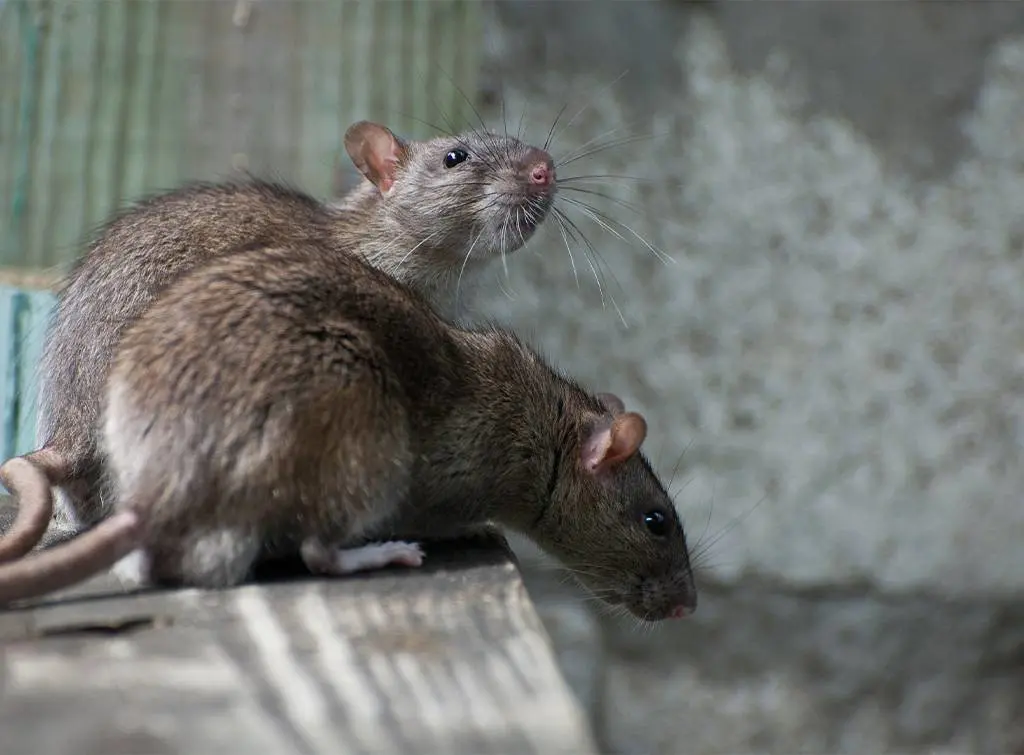
Destructive and persistent, rats are not the type of guests you welcome into your home. If you do have a rat problem, you may never actually see the animals themselves, only the signs they leave behind.
The signs that tell you how serious a rat problem really is
How rats get into homes, lofts, and under decking in the first place
The health and structural risks they carry
How to test whether an infestation is still active
How to prevent rats coming back
How to find the right pest control service for the job
In this guide, we will be looking deeper into the signs of rats in a home, loft, and under decking, to give you a better idea of how many rats are in your home.
We will also be covering the dangers of rats living on your property and how to prevent them from accessing your home to start with.
Find a local pest control service
How rats get into your home
Rats are devious and resourceful, they will have no trouble finding their way into your home unless you take precautions (more on this later).
The following are all green lights for rats looking for a new place to live:
Holes in your walls or roof
Ivy covering the wall of your property
Trees next to your home
Unsealed nooks in doors, windows or vents
Gaps where pipes or cables enter the building
Stacks of firewood, which make perfect rat nests
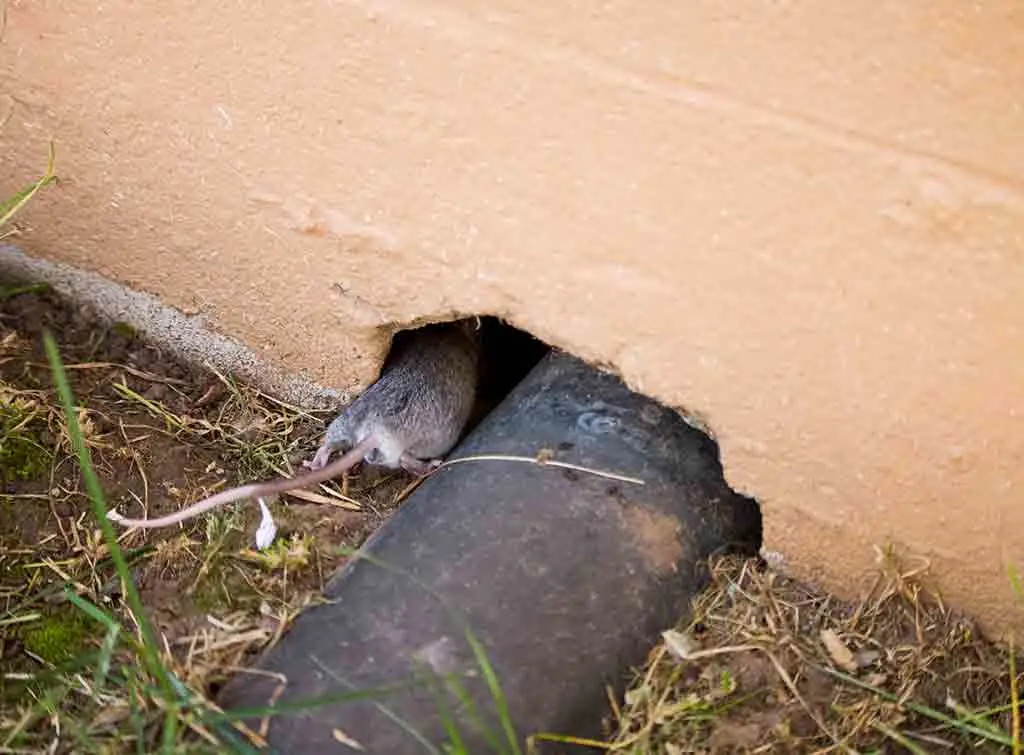
Check any point where pipes or cables pass through an outside wall. These small, often-overlooked gaps are one of the most common ways rats get indoors.
Signs of rats in your house
With rats being nocturnal creatures, it is unlikely you will see one scurrying across your kitchen during the day. This can make it difficult to learn how to tell how many rats are in your house.
However, it is possible to get an understanding of how severe the infestation is. This can be done by looking for:
Amount of droppings: Small, brown droppings that are shaped like grains of rice are a great indicator you have a rat problem. The more rat droppings your find, the higher the number of rats in your home.
Holes: Bite marks or tears in food packaging and containers where rats have tried to gain access to your food are a good indicator you have rats.
Nests: These can be made from paper or soft materials and are a sure sign you have rats. The more you find, the more rats you have.
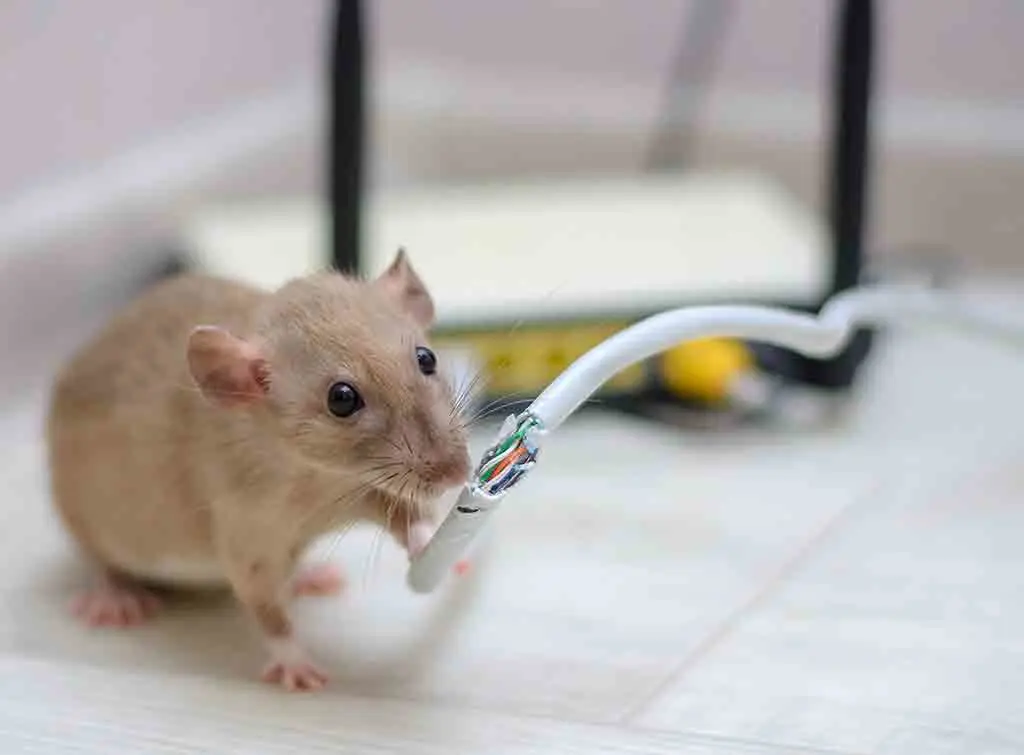
Amount of damage: Rats love to damage wires, insulation, pipes and food containers. So, the worse the damage in your home, the more rats are likely to be living there.
Noises: Mostly heard at night, you may hear rats squeaking or scurrying around your loft or inside your walls.
Sightings: As we previously mentioned, you are unlikely to see rats during the day. But, if this does become a common occurrence, you have a rapidly growing rat problem.
Persistent odour: Rats mark their territory with urine, and a lingering smell is often one of the clearest signs of a well-established infestation.
To check whether an infestation is still active, sprinkle a little flour or talc along a stretch of floor near any suspected activity, then check the next day for fresh tracks.
Still wondering how many rats could be in your house? The best way to accurately work out the severity of your rat issue is to hire a pest control service to conduct an investigation and give you an extermination quote.
Find a local pest control service
Signs of rats in lofts
Lofts are a great home for rats, giving them a safe place to sleep during the day, as well as plenty of materials to gnaw and use in nests.
Other signs of rats in lofts are:
Gnawed wires, boxes or pipes
Small, brown rat droppings
Tiny footprints in dusty areas of the loft
Rat holes giving them access to other parts of your home and outside
Shredded insulation that may be made into nests
Scratching or scraping noises
Signs of rats under decking
Decking can give rats shelter during rainy days and act as a brilliant, undisturbed space to build their nests.
Signs of rats under decking to look out for include:
Droppings the shape of grains of rice
Gnawed decking boards
Noises such as scurrying, scratching and squeaking
Nests built from paper, material and insulation
How to get rid of rats in your garden
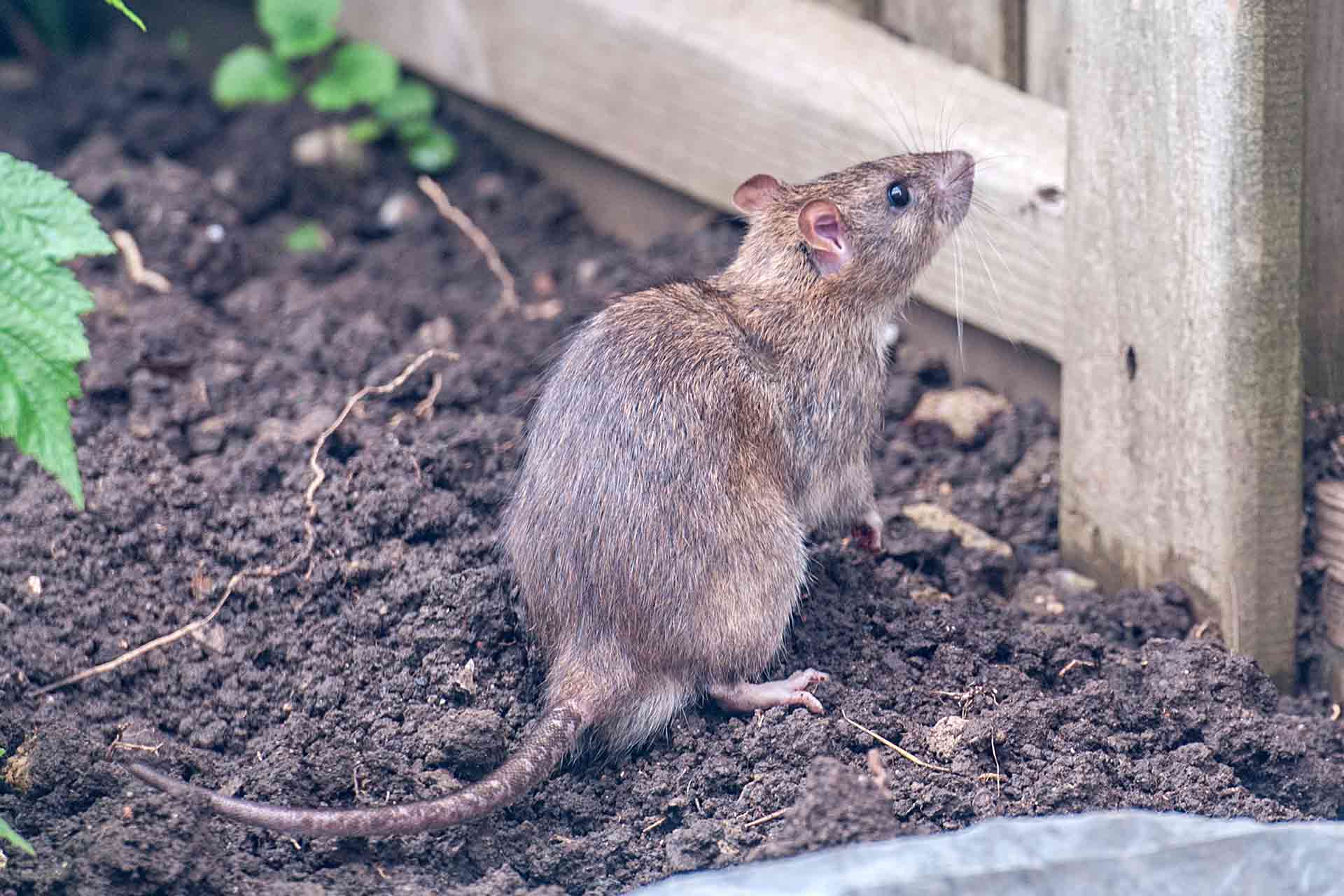
Knowing how to get rid of rats in your garden is important. Whether you're a fan of rats or not, there's no denying they're pests. Sadly, they spread quickly and carry diseases such as Leptospirosis, which can lead to Weil's disease.
Why a rat problem is worth taking seriously
Rats aren't just an unpleasant nuisance. They carry genuine risks, such as:
Disease: Rats can carry and transmit illnesses to people and pets.
Structural damage: Their teeth grow continuously, so they gnaw on wood, insulation, pipework, and cables to keep them worn down.
Fire risk: Chewed electrical wiring can strip insulation and lead to short circuits, which is a genuine fire hazard if left unaddressed.
Bites: Rats can bite if cornered or handled, posing a risk to people and pets.
Legal responsibility: Under the Prevention of Damage by Pests Act 1949, local authorities have a duty to keep their areas free of rats, and this can extend to requiring householders to deal with an infestation on their own property if it's causing a wider problem.
How to prevent rats from entering your home
So now you know how to spot signs of rats in your house, it is incredibly useful to know the different ways to prevent rats from entering in the first place. The below list covers the best ways to do this:
Fill in any cracks or holes in your walls or roof
Trim any trees or ivy that are next to your home, particularly if they touch your property
Keep your outside bins shut at all times
Remove any clutter outside and inside your home to eliminate places rats may build nests
Add weather strips to doors and ensure windows are properly sealed to prevent rats from sneaking through any small holes
Never leave any food out in your home. Plus, always use airtight food containers that rats cannot access
How much does a rat exterminator cost?
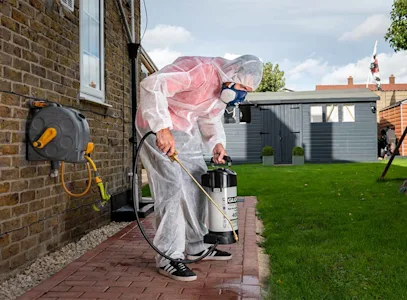
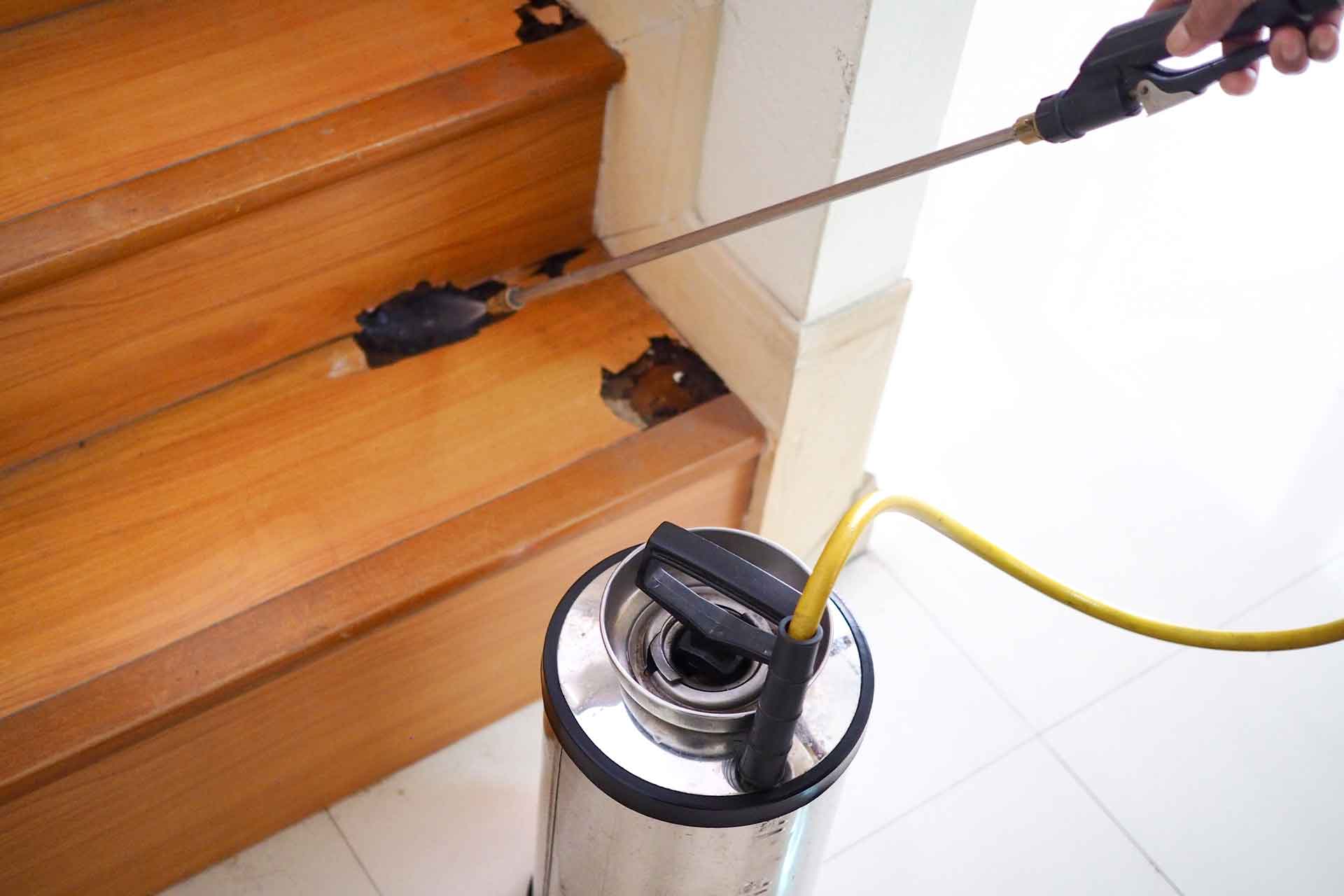
With the many risks rats carry and their breeding potential, dealing with an infestation as quickly as possible is important. An exterminator can deal with rats quickly and prevent them from returning, making them well worth the financial investment.
Generally, you can expect to pay an average of £180 for an exterminator, although this will vary between jobs.
To get the full breakdown, check out our rat exterminator cost guide.

How much does rat extermination cost in 2026?
A rat infestation on your premises can lead to costly structural and cosmetic damage. Here we give an idea of average UK pest control costs for getting rid of rats.
Find a pest control expert near you
Looking for exterminators who operate in your area? Our search feature is the perfect way to start seeking out pest control services who would be happy to assist with your infestation.
To get started, just enter your postcode to browse local pest control companies - or download the Checkatrade app.
Find a local pest control service

FAQs
Look at the volume of droppings, the number of nests, and the extent of gnawing damage. More of any of these generally indicates a larger population. A professional inspection gives the most accurate picture.
Droppings, scratching noises at night, gnawed food packaging, and rub marks along skirting boards are usually the earliest signs, often appearing before you see any damage.
Yes, generally. Rats are nocturnal and avoid humans, so daytime sightings usually mean the population has grown large enough that there isn't space or food for all of them at night.
Sprinkle a little flour or talc near any suspected activity and check for fresh tracks the next day. Fresh droppings or gnawing also indicate ongoing activity rather than old damage.
Yes. Rats can gnaw on electrical wiring to keep their teeth trim, which can strip the insulation and lead to short circuits. This is one of the more serious risks of leaving an infestation untreated.
In a way, yes. Under the Prevention of Damage by Pests Act 1949, local authorities must keep their areas free of rats, and this responsibility can extend to householders if a council decides an infestation poses a wider risk and isn't being addressed.
For a small, contained problem, sealing entry points and removing food sources may be enough. For anything beyond a minor issue, or if you're unsure how established the infestation is, hiring a pest control service gives a more reliable and thorough result.

If it turns out you're dealing with rats rather than mice, our guide on rats in the home covers the different signs and treatment approach. Alternatively find out removal costs or find local pest control services.

See the tradespeople we've checked for your job