HOW-TO GUIDES
How to replace a light fixture safely: Step-by-step guide
Updated 07/26
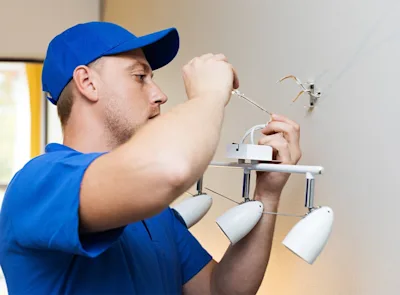
What to do before you touch any wiring
How to remove an old light fitting safely
How to wire in a new fixture correctly
What's different for bathroom light fixtures
Whether you can swap a ceiling fan for a light (or vice versa)
How much does an electrician charge for the job
Swapping an old light fitting for something new is one of the quickest ways to lift a room. But never underestimate the work involved.
Getting electrics wrong can lead to:
Wiring issues
Danger of an electric shock
Can invalidate your home insurance or any warranty on the new fitting
This guide takes you through the step-by-step process for safely replacing a light fixture. But if at any point you're unsure, stop and call a qualified electrician – it's not worth the risk.
Find a trusted tradesperson in your area
Before you start: tools and safety
First things first, here's what you'll need for the job to make sure you're working safely through each step:
The new light fitting
A flathead screwdriver
Wire cutters/strippers (scissors or general pliers will damage the wiring)
A voltage tester or multi-purpose detector
Gloves (this will reduce the risk of electrical shocks)
Electrical tape
A sturdy ladder or step stool
Always read the safety instructions that come with your new fitting before you start - some fixtures need specific cable ratings or ceiling clearances that are easy to miss.
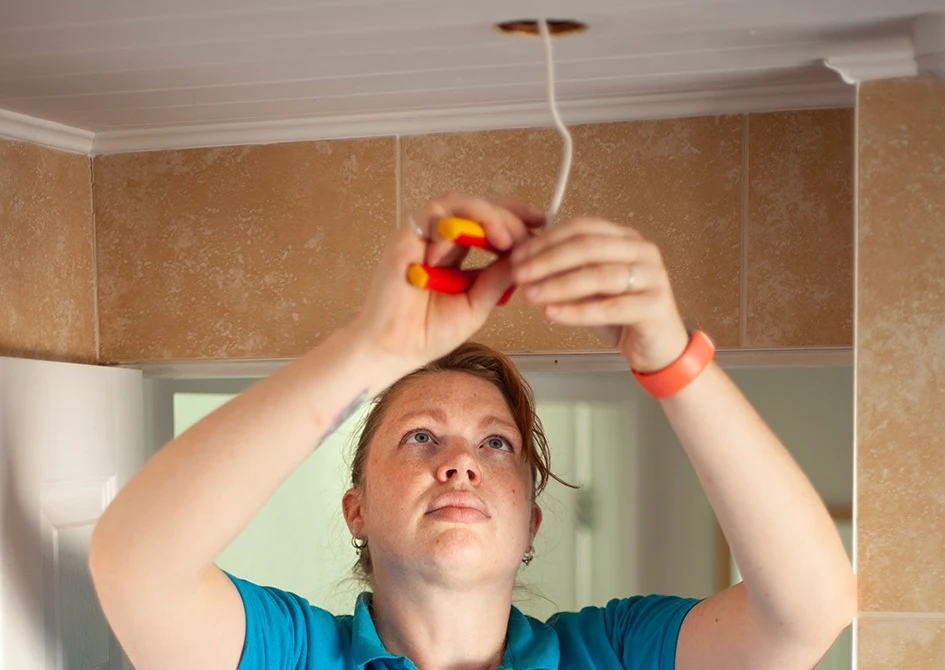
How to replace a light fixture in seven steps
1. Turn off the power
Turn off the electricity at the mains (also known as a consumer unit or fuse box) and cover the relevant switch with electrical tape. This will help ensure the power isn't accidentally turned on by someone else while you're working.
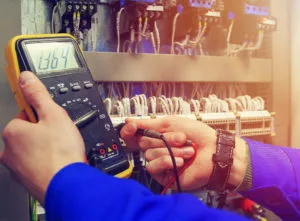
Once the circuit is off, use a voltage tester on the exposed wires to confirm there's genuinely no current before you touch anything.
2. Take a photo of the cable positioning
Before removing the old light fixture, take a photo of the cable positions to help you remember which wire goes where. Remember:
Green/yellow - Earth
Brown - Live
Blue - Neutral
3. Remove the old light fixture
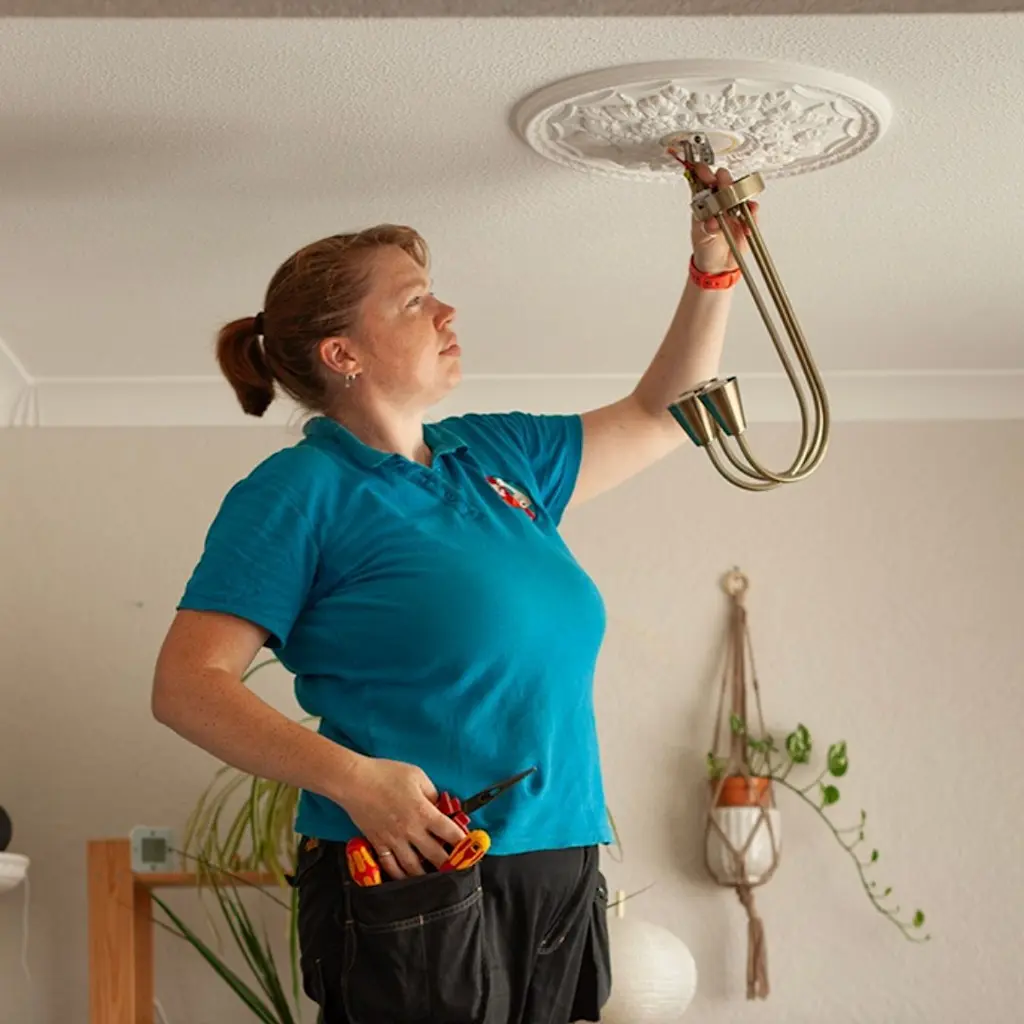
Now you're ready to remove the light fixture safely.
First, remove the wires from the existing light fitting. They may be concealed within a terminal box
Next, unscrew the base to remove the old fitting from its position on the wall/ceiling
At this stage, you should just be left with the exposed existing wires.
4. Prepare for the new light fixture
Part of understanding how to change a light fitting is preparing for the new fitting.
Your existing light fitting should have been attached to a joist, but it's best to check the surrounding area with your multi-purpose detector.
Most new light fittings will have handy labels so you know where to insert each wire. Remember:
E - Earth
L - Live
N - Neutral
5. Mount and secure the new fixture bracket
Take the mounting bracket for the new fitting and use it as a template to mark the fixing holes. It might be possible to line up the holes from the old light fitting.
Next, screw the mounting bracket to the wall/ceiling.
6. Check the wiring
Check the existing wiring to make sure it's not damaged or too long for your new fixture.
If the existing wiring looks rusted, frayed or damaged, halt there and call an electrician instead. It's not worth taking the risk.
Find a trusted tradesperson in your area
7. Connect the wiring for the new light fixture
If the existing wiring is in good condition, trim the ends off with your wire cutters, and strip the insulation to expose approximately 1/2 inch of new copper wire. This will make sure there's a strong connection.
Using the instructions for the new light fitting and the photo you took of the existing fitting, connect the existing wires to the new light fitting. Remember:
Green/yellow - Earth
Brown - Live
Blue - Neutral
Make sure your connections are tight and neatly packed into the terminal box before closing it to conceal the connections safely.
8. Mount the light fitting and install the bulbs
Place the light fitting over the mounting bracket and secure it tightly in place.
Install the bulbs and any coverings.
9. Test the new fixture
Switch the electricity back on at the mains and check to make sure the light is working correctly.
Wondering how to change a pendant light or replace a porch light? If you're a confident DIY-er and understand electrical wiring safety, use the same steps above as a guide.
Prefer to let a professional handle this job for you? Download our free mobile app to connect with qualified electricians we've checked and approved in your local area.


How to replace an LED downlight
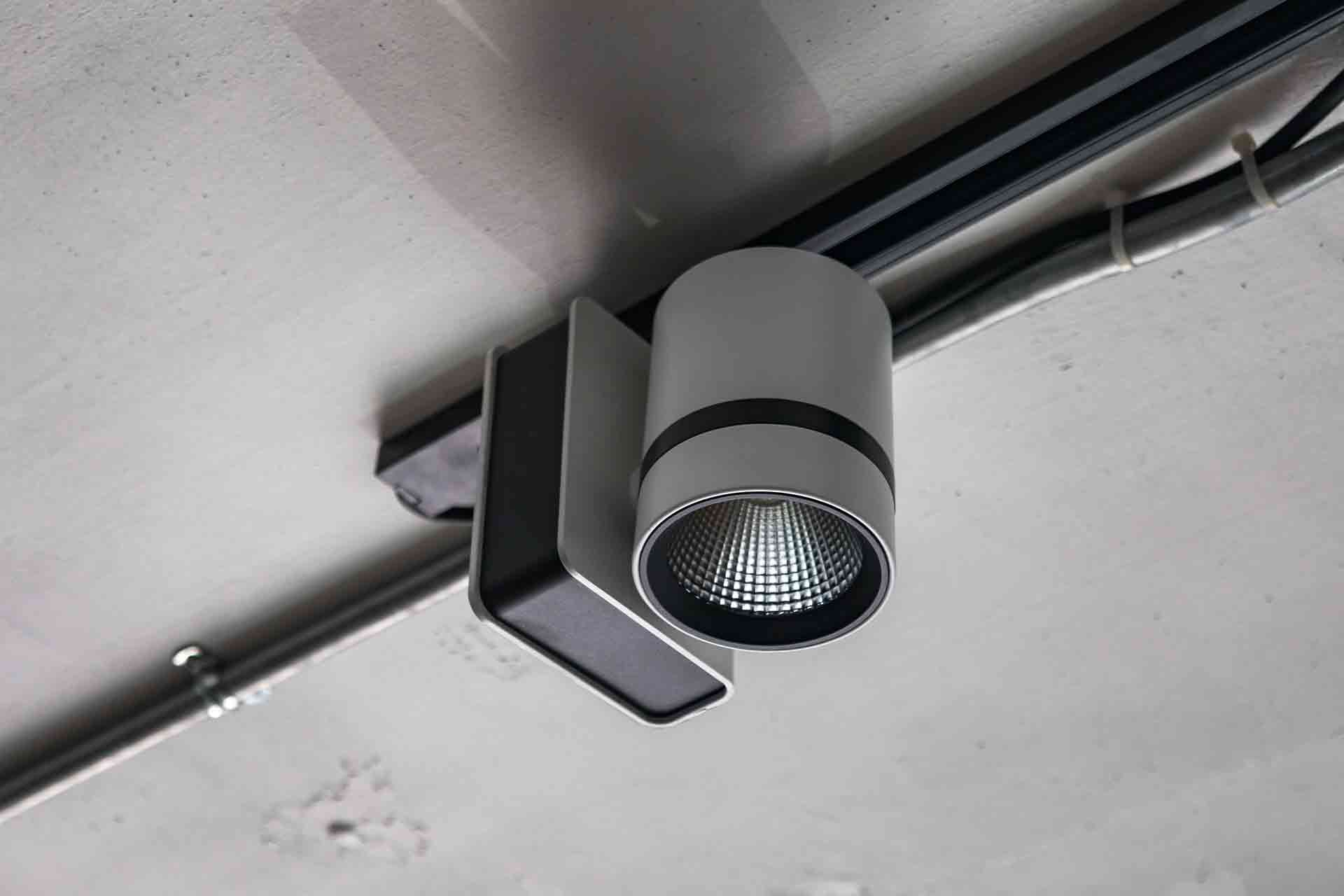
Want to know how to replace a recessed light, such as an LED downlight?
First, note that there are three different types of downlights with slightly different methods of removing the bulbs from their holder:
Spring clips
Twist faceplate
Removable faceplate
Always remember to turn off the power first and use a sturdy ladder to safely access your light fitting. Our guide below has more details.
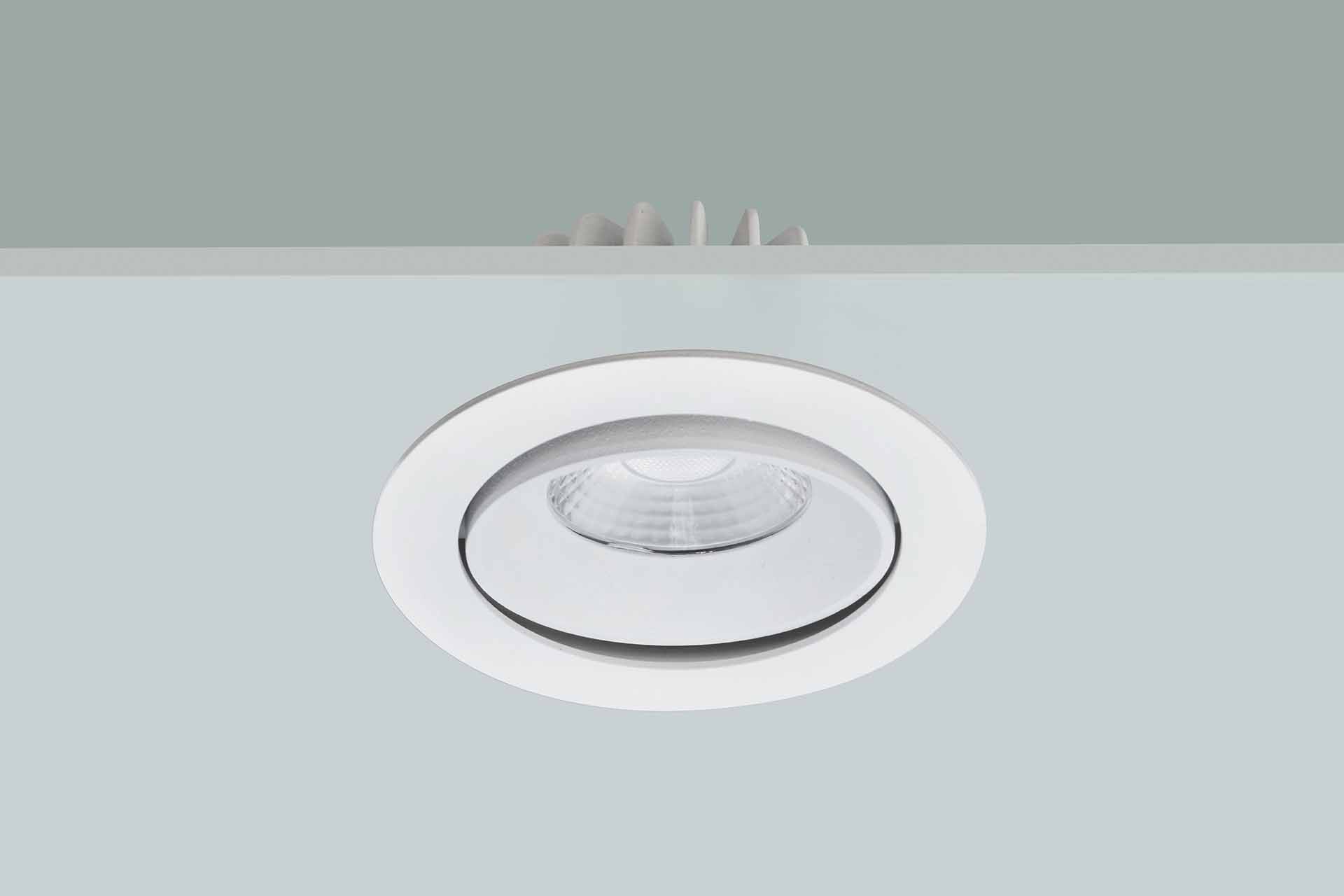
How to remove LED downlight bulbs
If you have LED downlights in your home, it’s important to know how to remove them so that you can easily replace bulbs when needed. In this guide, we look at how to remove LED downlight bulbs.

Replacing a bathroom light fixture
Looking to upgrade your bathroom light fixtures? Bathrooms have extra rules due to the risks of water and electricity.
If you're replacing a bathroom light fixture, it's vital you check the IP rating on the new fitting before you buy. Here's the important things to know:
UK regulations divide bathrooms into zones (0, 1, 2, and "outside zones") based on proximity to water, and every light fixture needs an IP (Ingress Protection) rating suitable for its zone
Fixtures directly above a bath or shower typically need at least IP44, and anything inside the bath or shower zone itself needs a higher rating still
If your bathroom has been rewired or altered in the last few years, any new fixed wiring will usually need to be signed off under Part P of the Building Regulations
All in all, this is one job best left to a qualified electrician rather than DIYing it. Just search your postcode below to find a qualified electrician near you.
Find a trusted tradesperson in your area

On Checkatrade, you'll only find trades who meet our high standards and pass up to 12 checks.
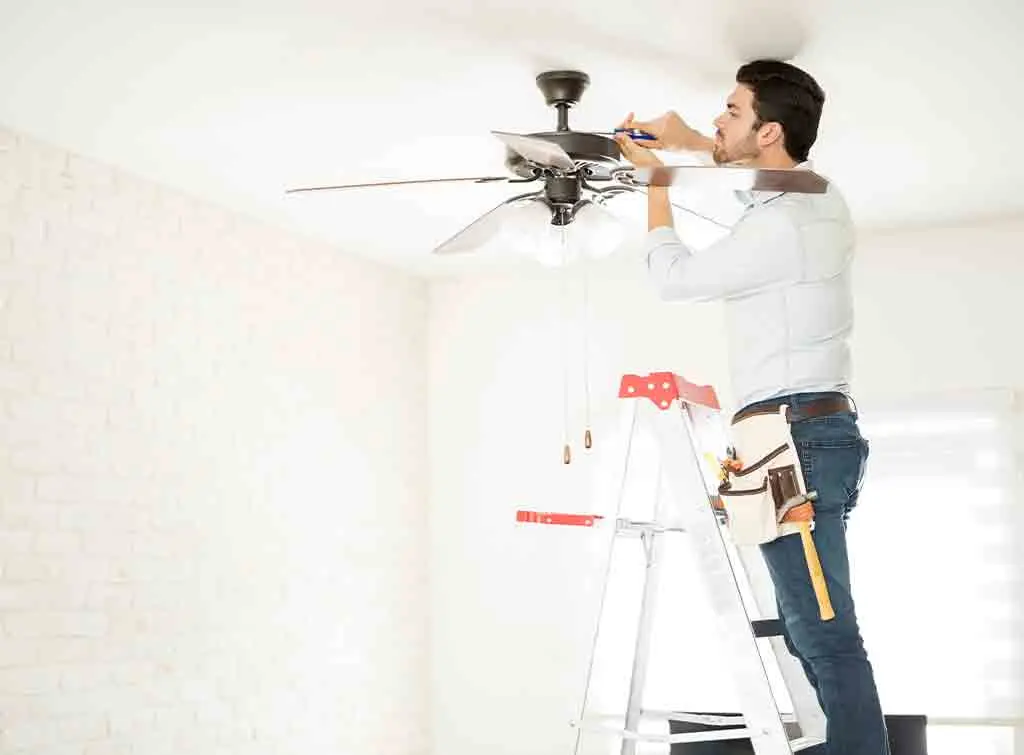
Swapping a light fixture for a ceiling fan
Swapping a light fixture for a ceiling fan (or vice versa) is a slightly different job to a straight fixture swap, and it catches a lot of people out. Here's why:
A ceiling fan is heavier than a standard light fitting
It needs its own dedicated ceiling box rated to support that weight – a normal lighting point often isn't strong enough
Fans also typically need an extra wire (or a fan-rated switch) to control the fan and light separately
Going from a light to a fan? It's worth having an electrician check that the ceiling box and wiring are suitable before you buy the new fitting – rather than finding out halfway through the job.
Other light fixtures worth knowing about
If you're working through a wider lighting job, the following guides are a handy guide:

If the job turns out to be bigger than a straightforward swap, it's worth bringing in an electrician - and if you're combining it with ceiling repairs, a plasterer or handyman/handywoman can help finish the job.
How much does it cost to replace a light fixture?
If you'd rather bring in a professional for added peace of mind, most electricians charge somewhere between £45–£60 per hour, depending on the type of work and where you live.
Many electricians charge a minimum call-out fee for small jobs, so it's worth asking about this upfront.
For a full breakdown of rates, see our electrician hourly rate guide or try our free interactive cost calculator below for an instant estimate.
Job Estimate Calculator

If you're doing the job yourself, you're mainly paying for the fixture itself. But don't forget to budget for any tools you may need to buy, such as wire strippers and a voltage tester, as these costs can add up quickly.
Before you hire an electrician
Decided there's more to replacing a light fixture than you thought, and it isn't a job for a Saturday afternoon?
Hiring a qualified electrician means the work is certified, safe, and covered.
Use our checklist to hire right:

Hiring an electrician: Checklist
Why use Checkatrade to find experienced electricians near you?
Checked - Every Checkatrade tradesperson must pass up to 12 checks and commit to upholding the Checkatrade Standard
Reviewed - Over 6.2 million reviews have been published on Checkatrade
Guaranteed - We guarantee Checkatrade tradespeople's work, up to £1,000 - T&Cs apply
Request a quote, search in the Checkatrade app, or enter your postcode below to find qualified electricians near you.
Find a trusted tradesperson in your area
Before you start replacing a light fixture: Final checklist
Frequently asked questions
It's not always a legal requirement for a straightforward like-for-like swap, but it is highly recommended. Faulty DIY wiring can invalidate your home insurance and, in bathrooms, most new fixed wiring needs certifying under Part P.
A straightforward swap usually takes 30 minutes to an hour. Bathroom fixtures, ceiling fan conversions, or older wiring can take longer.
Brown is live, blue is neutral, and green/yellow is earth in modern UK wiring. If in any doubt, always hire a qualified electrician to do the work. Attempting DIY electrical work is dangerous without the right knowledge and experience.
You can replace a light fixture with a ceiling fan if the ceiling box is rated to support the extra weight and vibration of a fan, and the wiring supports separate fan and light control. Have this checked by an electrician before buying the fan.
Most charge their standard hourly rate, typically £45 to £60, for a simple swap, plus a call-out fee on some smaller jobs. See our electrician hourly rate guide for more detail.
Fixtures near baths or showers generally need at least IP44, and fittings inside the shower or bath zone itself need a higher rating. Check the zone before buying.
Experienced DIY-ers with a good understanding of electrical wiring safety can take on simple, like-for-like swaps, provided the power is properly isolated and tested. However, anything involving new circuits, bathrooms, or ceiling fans is best left to a qualified electrician.
A ceiling rose is the cover plate and wiring junction a pendant light hangs from. Some modern fixtures replace the rose entirely with their own baseplate.


See the tradespeople we've checked for your job