HOW-TO GUIDES
How to replace a halogen light bulb with a prong base
Updated 08/26
By: Content Team
Reviewed: Alex Peters
Why you can no longer buy most halogen bulbs new
How to safely remove and replace a prong-base bulb
Why you should never touch the glass with bare hands
Whether to replace like-for-like or switch to LED
What it costs to have an electrician handle lighting work
Halogen bulbs with a prong (or "pin") base are a familiar sight in kitchens, bathrooms, and hallways across the UK, usually in the form of small GU10 or capsule-style spotlights.
If one's just gone in your home, here's exactly how to replace it safely - plus why, if you're buying new, you might not have much choice but to switch to LED.
Find an electrician near me
Important: halogen bulbs are being phased out
Before you head to the shops, it's worth knowing that most halogen light bulbs can no longer be sold new in the UK.
Following EU and UK government rules introduced in stages from 2018, retailers have progressively stopped restocking halogen bulbs in favour of more energy-efficient LEDs.
If your local shop or supplier is out of the exact halogen replacement you need, this is why - and it's usually a good moment to switch that fitting over to an LED equivalent instead, which will fit the same prong base in most cases.
If you're replacing more than one bulb in a fitting, it's worth switching the whole fitting to LED in one go. LEDs run far cooler and last many times longer than halogen, so you'll spend a lot less time up a stepladder in future.
What are halogen light bulbs?
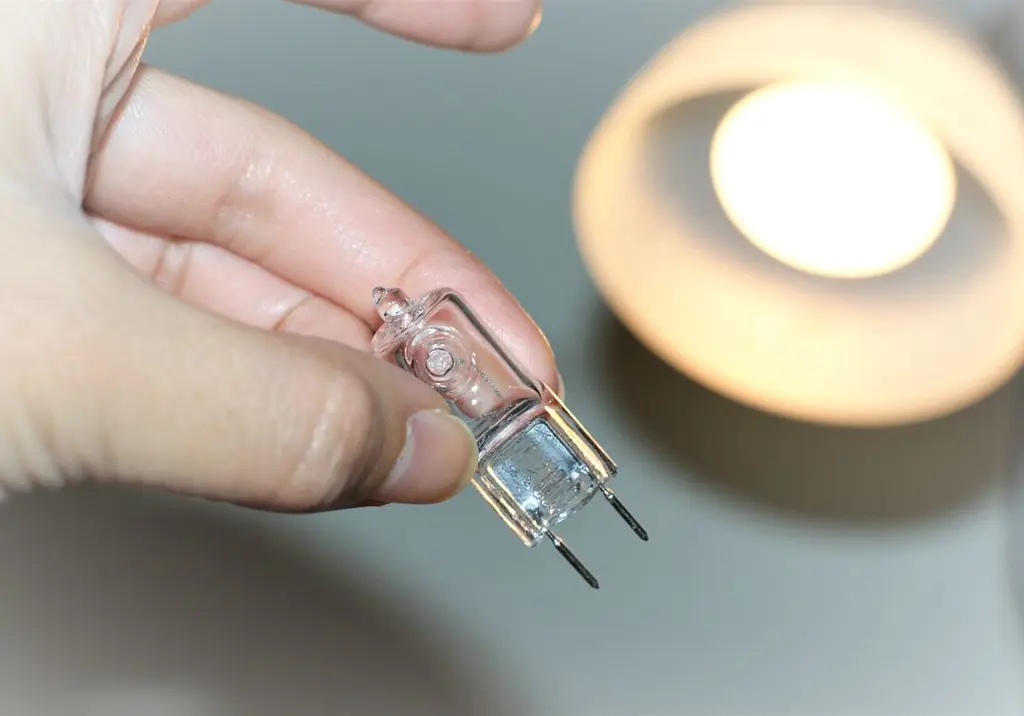
Halogen bulbs work by heating a tungsten filament until it glows, with halogen gas inside the bulb helping the filament last longer than older incandescent designs.
They're valued for a few reasons:
Size - small enough to fit neatly into tight fittings and downlights
Light quality - a warm, bright light that's often described as similar to natural daylight
Affordability - historically cheap to buy, though running costs are high
Dimmability - most halogen bulbs work well with standard dimmer switches
Their big downside is energy use: a halogen GU10 typically uses 35-50 watts for the same brightness an LED delivers using just 4-6 watts, and halogen bulbs also run far hotter and have a much shorter lifespan.

How to replace a halogen bulb with a prong base
1. Switch off the light at the wall and, ideally, isolate the circuit at your consumer unit too - don't rely on the wall switch alone for anything more than a straightforward bulb swap.
2. Let the bulb cool completely before touching it. Halogen bulbs run very hot, and handling one too soon can cause a nasty burn - allow at least 15-20 minutes after switching off.
3. Remove any casing or cover surrounding the bulb, if fitted.
4. Take out the old bulb by gently pushing down and turning; some fittings release the bulb without any rotation at all, so don't force it if it doesn't want to turn.
5. Double-check the light is switched off before you continue.
6. Put on a pair of thin protective gloves before handling the new bulb - this stops natural oils from your skin transferring onto the glass.
7. Line up the new bulb's prongs with the fitting, then gently push and, if needed, twist to lock it into place.
Job Estimate Calculator

Why can't you touch the glass on a halogen bulb?
Your hands carry natural oils, and even a light touch can leave a thin residue on the glass.
On a bulb that gets as hot as a halogen does, that residue can create localised hot spots - which, over time, can weaken the glass and even cause it to shatter.
Always handle a new bulb with gloves or a clean cloth, holding it by the base wherever possible.

If you're dealing with a stuck or damaged bulb rather than a straightforward swap, it might be worth calling in an electrician rather than risking damage to the fitting.
Switching from halogen to LED
Because most halogen bulbs are no longer sold new, switching to an LED equivalent is increasingly the practical choice when a bulb blows.
A few things to check before you buy:
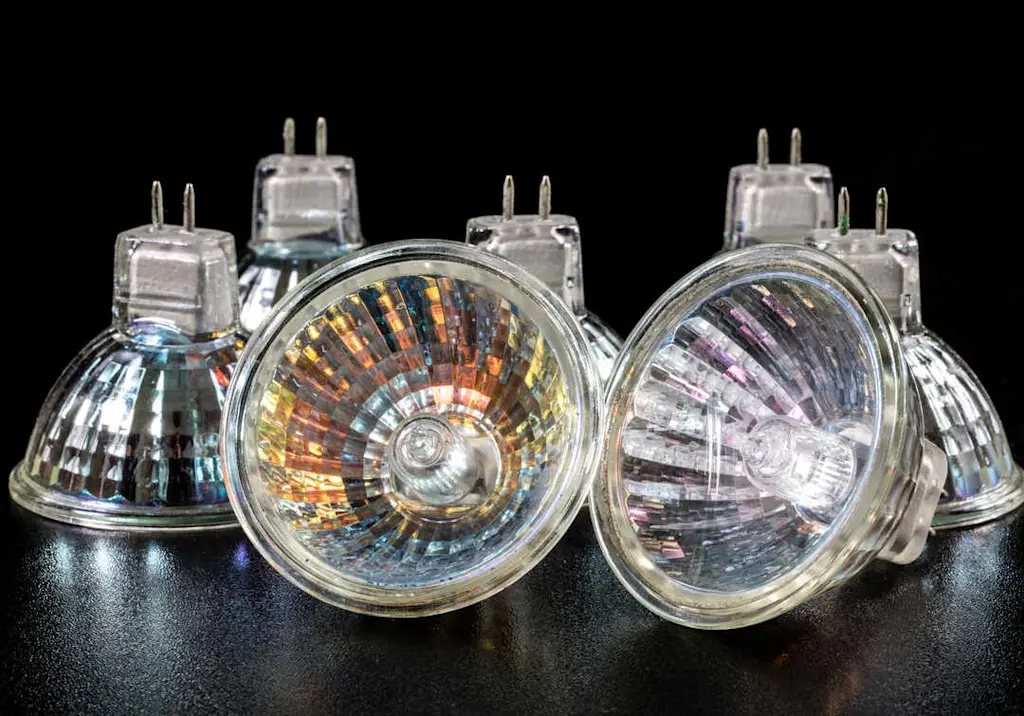
Fitting compatibility - most GU10 and prong-base LED bulbs are designed as drop-in replacements for halogen fittings of the same type.
Dimmer compatibility - older dimmer switches were designed for halogen bulbs and don't always work well with LEDs. If your lights flicker or buzz on a dimmer after switching, you may need an LED-compatible (trailing-edge) dimmer instead.
Colour temperature - LEDs are available in a range of "warmth" settings, so you can match the softer look of halogen lighting if you prefer it to a cooler white light.

Guide to low energy lighting
When it comes to easy ways to make your home greener and save you money, low energy lighting is a no-brainer. Whether it’s for ceiling lights, uplighters, lamps or outdoor lighting, there are lots of low energy lighting solutions available.
Do all halogen fittings take LED replacements?
In most cases, yes - but not always. If your fitting has no visible bulb to twist and no retaining clip, it may be an integrated (non-replaceable) downlight, where the light source is a sealed part of the fixture.
In that case, the whole unit needs replacing rather than just the bulb, and that's a job for a qualified electrician.

How much do LED lights cost to run?
LED lights last much longer than standard light bulbs and cost less to run – making them a great way to save money. Read on to discover the average LED light running costs in the UK.
How can a professional help with halogen lighting?
Many people are happy to change a bulb themselves, but an electrician is worth calling in for anything beyond a straightforward swap - particularly if you're upgrading a whole fitting, installing new lighting, or dealing with an integrated downlight that needs replacing entirely.
Start browsing for local electricians near you
Enter your postcode to find a top tradesperson near you
DB Electrical Services
10.00
(71 reviews)Services & skills
ElectricianElectric Vehicle Charger InstallationSmoke AlarmsElectric Gate WiringElectric HeatingAC Electrical (Surrey) Ltd
10.00
(66 reviews)Services & skills
ElectricianElectrical ContractorsHouse RewiringElectric ShowersGarden LightingBlue Lantern Electrical Services Ltd
10.00
(284 reviews)Services & skills
ElectricianElectric Boiler InstallationElectric CookersElectrical Installation Condition Report - Safety Checks - EICRHouse RewiringFox Electrical Install Ltd
10.00
(119 reviews)Services & skills
ElectricianElectrical ContractorsFault FindingSmoke AlarmsFuseboard / Consumer Unit InstallationWhat Electrics! Ltd
10.00
(66 reviews)Services & skills
ElectricianElectrical ContractorsEnergy Efficient LightingSmoke AlarmsFuseboard / Consumer Unit RepairAZ Electrical Engineering Services Ltd
10.00
(16 reviews)Services & skills
ElectricianElectrical ContractorsElectric Range CookersImmersion Heater InstallationLighting Design



On Checkatrade, you'll only find trades who meet our high standards and pass up to 12 checks.
How much does professional lighting work cost?
Costs vary depending on the scope of the job.
For outdoor security lighting, for example, average installation costs are covered in our exterior light installation cost guide.
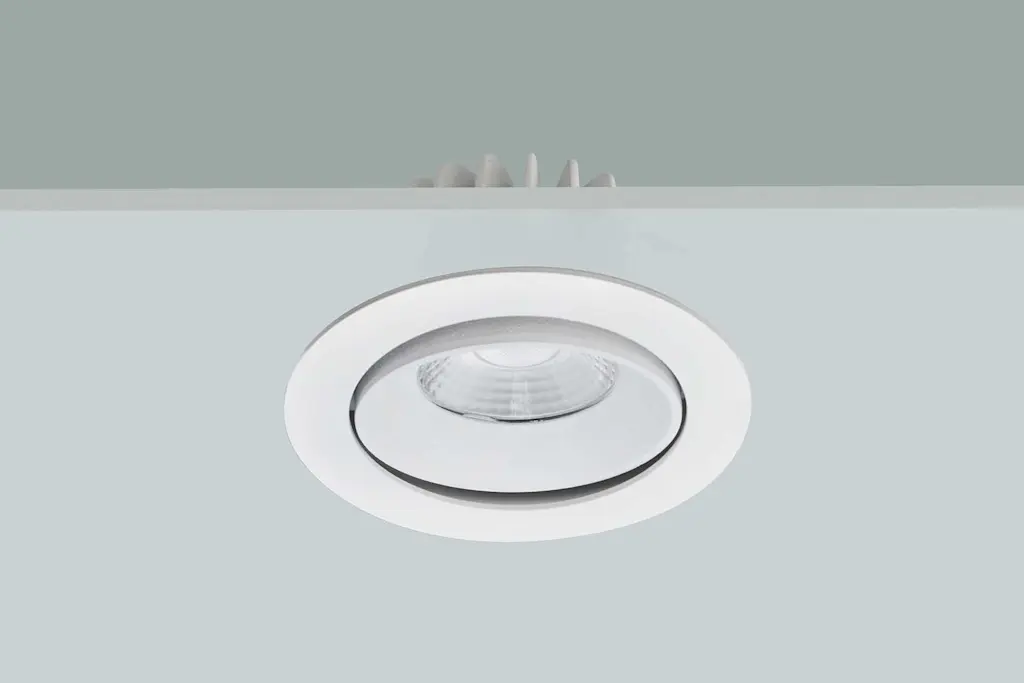
If you're considering replacing several halogen downlights with LEDs at once, our downlight installation cost guide and electrician hourly rates guide both give a good starting point for budgeting.
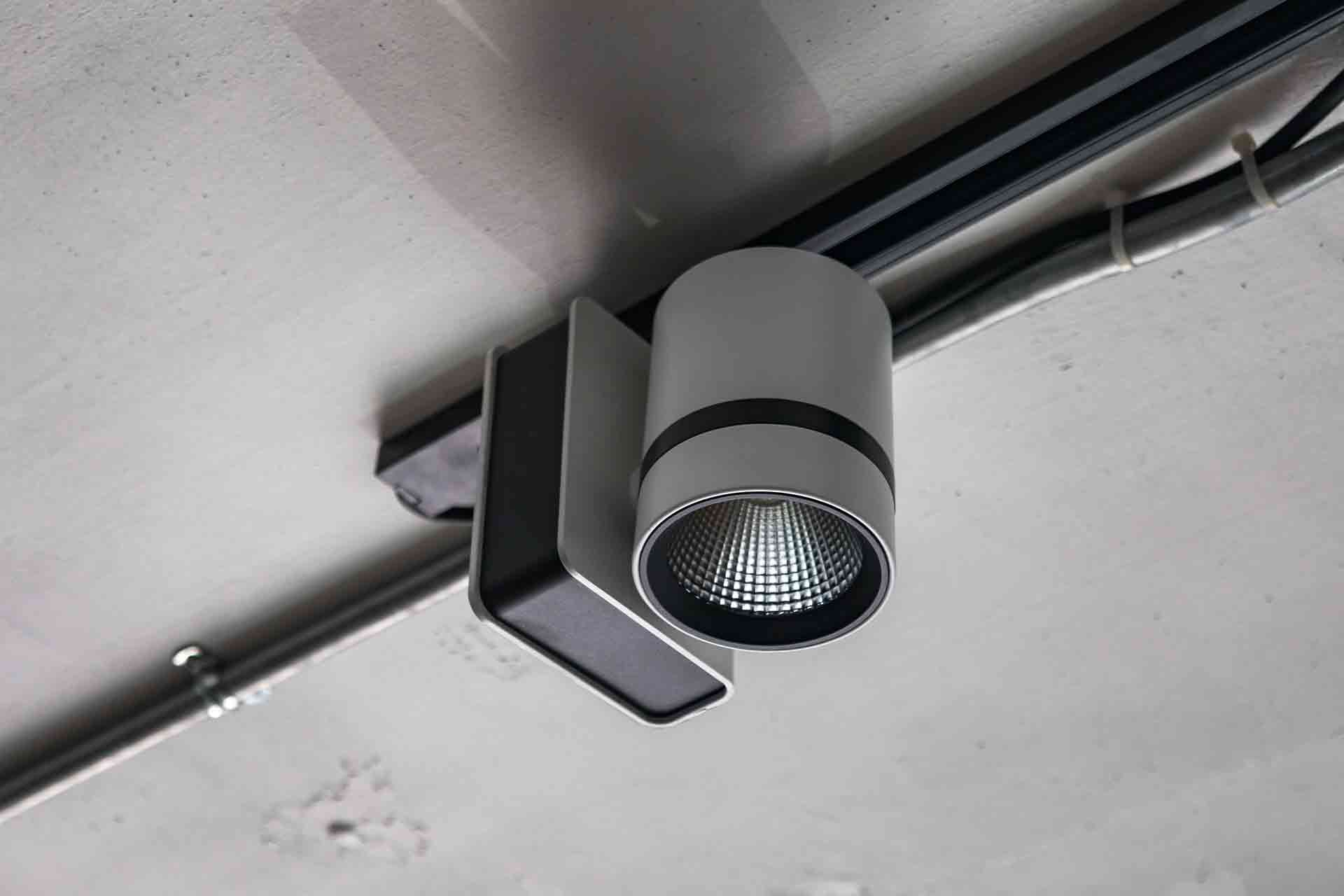
How much does it cost to install downlights?
If you're looking for new lighting in your home, check out our guide to install downlights for average UK prices to plan your budget.
Before you start

Before you replace a halogen bulb
FAQs
Retailers are no longer able to restock most halogen bulb types following EU and UK rules phased in from 2018, though some specialist bulbs (such as certain oven lights) remain exempt. Existing stock can still be sold until it runs out, but supply is increasingly limited - which is why switching to LED is usually the more practical long-term option.
In most cases, yes - GU10 and other prong-base LED bulbs are designed to be drop-in replacements for the equivalent halogen fitting. If your fitting is a sealed, integrated downlight rather than a replaceable bulb, you'll need the whole unit replaced instead.
This is usually a compatibility issue - older dimmer switches were designed for halogen bulbs and don't always suit the lower power draw of LEDs. Switching to an LED-compatible dimmer switch usually resolves it.
At least 15-20 minutes, to allow the glass to cool fully. Halogen bulbs run significantly hotter than LEDs and can cause burns if handled too soon.
Oils from your skin can leave a residue on the glass, which creates hot spots that weaken the bulb over time and can eventually cause it to shatter. Always use gloves or a clean cloth.
Often, yes. LEDs use a fraction of the energy and last many times longer than halogen bulbs, so replacing a whole fitting in one go usually pays for itself in energy savings and means far fewer repeat trips up a stepladder.
See the tradespeople we've checked for your job