HOW-TO GUIDES
How to run an armoured cable to a shed
Updated 07/26
By: Content Team
Reviewed: Kim Staples

Connect your shed or outbuilding to the mains with our guide on how to run a cable to a shed. With step-by-step tips and advice on when to use an electrician.
What armoured cable is, and why it's used for outdoor power runs
What size armoured cable your shed actually needs
The step-by-step process for laying the cable
Where DIY is realistic and where it isn't
When to call in an electrician
How much it costs to connect power to a shed
Running power to a shed opens up all sorts of possibilities - maybe a home office, a gym, a workshop, even just reliable lighting and a couple of sockets.
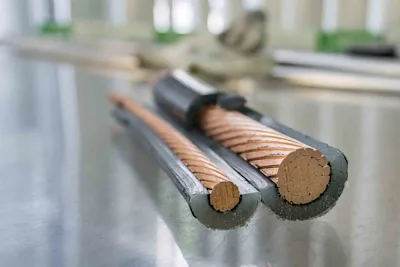
The standard way to do this safely is with SWA (steel wire armoured) cable, which is waterproof, rot-resistant, and can be buried underground.
As DIY electrical jobs go, this is one of the more technical and potentially challenging ones - and parts of it must be legally signed off by a qualified electrician.
In this guide, we'll walk through how you can do it, and how to hire an electrician to help you out.
Find an electrician to install your armoured cable
Why use armoured cable for a shed?
SWA cable is designed to withstand being buried, knocked, or exposed to the weather, which makes it the standard choice for any cable run between a house and an outbuilding.
It'll give you power for sockets and lighting, and the option to add heating later if you convert the shed into a more permanent space.
If you're planning a full outbuilding project rather than adding power to an existing shed, our outbuilding cost guide covers this in more detail.
Before you start: All about Building Control and Part P
Outdoor electrical wiring is classed as a special location under Part P of the Building Regulations. The work needs to be notified to Building Control before anything is connected - or carried out by someone registered with Building Control, such as a qualified electrician.
This isn't optional - it's vital to make sure this is done.
If the work is done incorrectly, it can cause serious injury or worse, and unregistered DIY work in this category won't get you a valid safety certificate.
To ensure the job is compliant, the best and easiest option is usually to hire an electrician.
Find an electrician to install your armoured cable
If you'd rather DIY, on the other hand, many people choose a split approach. You can lay the cable and dig the trench yourself, then bring in a registered electrician to connect both ends, test the installation, and issue the certificate.
This can meaningfully cut labour costs while keeping the notifiable work properly certified. As shown in our electrician hourly rate guide, hourly and day rates are very reasonable.

Step 1: Contact Building Control
Under building regulations, you’ll need to get permission before any work can be conducted.
Whether you want to run armoured cable to a shed or connect armoured cable to a socket, then you’ll need approval.
Step 2: Ensure a safe work environment
Isolate the circuit you'll be connecting to at the consumer unit, and make sure it can't be switched back on while you're working.
Step 3: Check your consumer unit has spare capacity
Look at the appliances you want to use in the shed and calculate how much power will be needed. Then check that your consumer unit or fuse box has enough spare capacity to fulfil this requirement without blowing a fuse.
More details can be found in our consumer unit guide.
Step 4: Measure the distance from the consumer unit
Using a measuring tape, measure the distance from the consumer unit to the shed.
Ensure you leave sufficient slack for corners, as well as for the depth it will need to be buried, or the length needed to run it up a wall.
Step 5: Choose the right cabling
Now you know the distance you need, you must pick the right cable type and size. This will depend on the distance, amount of appliances and the amount of power needed. You can then use this calculator to find the right cable for you.
Not sure whether you'll want a heater or workshop tools in the shed down the line? It's usually cheaper to run one size up now than to dig up the garden again later.
As a general guide...
2.5mm² SWA typically suits a shed on a 16A or 20A supply with a few sockets and LED lighting. It's fine for power tools, a lawnmower charger, or a TV, but not heaters or anything power-hungry.
4mm² SWA is a common middle ground, good for around 32A depending on cable length, and can cope with an electric heater alongside sockets and lighting.
6mm² or larger is worth considering if you want to future-proof for something power-hungry later - such as a hot tub, workshop machinery, or heavier appliances
The correct size ultimately depends on the length of the run and the protective device (fuse or MCB) at the consumer unit end, calculated against maximum permissible voltage drop under BS7671.
A qualified electrician can work this out properly in a few minutes - don't just make a wild guess, as you'll find yourself either overspending or ending up with an undersized cable.
Step 6: Joining armoured cable
If you haven’t got a cable that’s long enough then you’ll need to join two pieces together. This can be done with a resin jointing kit.
However, if you’ve found yourself needing to know how to join armoured cable, then you likely made a mistake with the measuring in step four.
As such, consider that often the cost of replacement wire of the right length can be cheaper (and safer) than buying a kit to join armoured cables.
Step 7: Lay the cable
If you're running it above ground...
Install the cable at height using cable cleats.
This will keep it away from anything that may damage the wire, such as rodents and lawnmowers, and ensures it isn't a trip hazard.
If you're running it underground...
Lift any slabs, dig a trench and then lay the cabling in place, ensuring it reaches both destinations before filling in the hole.
Around 500mm of depth is recommended as a minimum.
If you're putting the cable through a vegetable patch, it will need to be at least 600mm deep.
You may even want to run it through the house, for example, if the consumer unit is at the front of the home.
Step 8: Connect the armoured cable
The cable connects first to the consumer unit at the house end, then to a consumer unit or fused connection at the shed end.
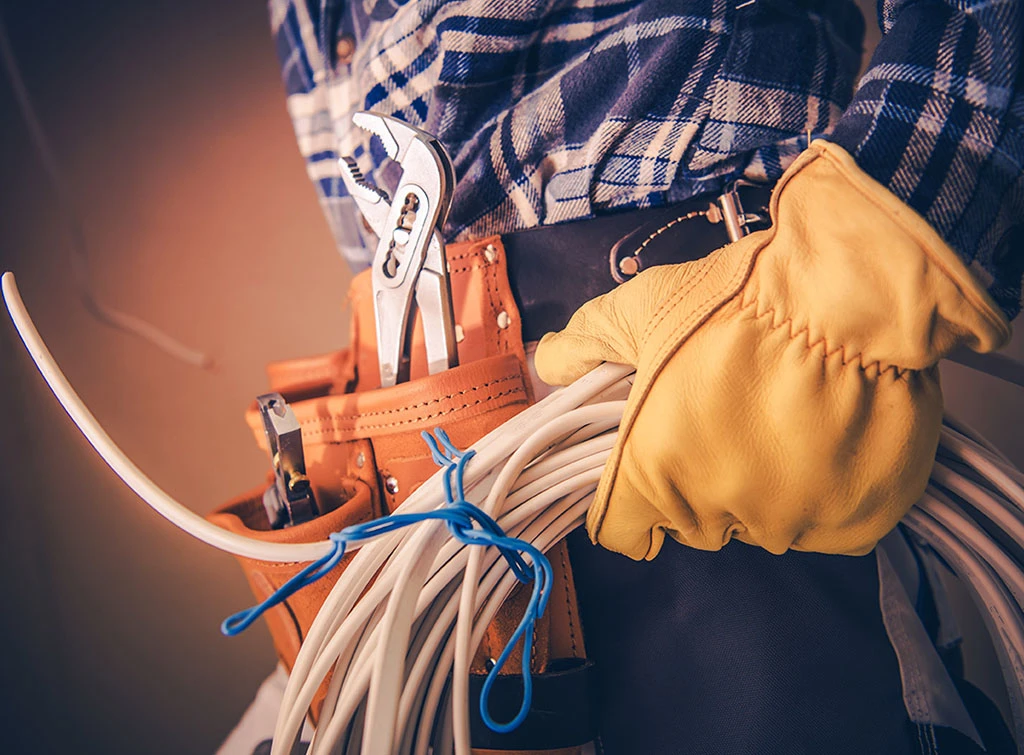
This connection stage is notifiable electrical work and should be carried out by a qualified electrician if you don't have the relevant experience.
The SWA glands also need to be fitted correctly at each end, which is a common point where DIY attempts go wrong.
Find an electrician to install your armoured cable
Step 9: Testing and certification
Once the job has been completed, it is a legal requirement for the connections and armoured cable to be tested.
A qualified electrician can do this and provide a signed BS7671 electrical safety certificate. The registration scheme operator will issue a compliance certificate covering the notifiable work.
Once the power's in, you might want a garden designer or builder to help finish off a full shed conversion.
How to cut and strip armoured cable
Cutting: Standard wire cutters work for most SWA, or a hacksaw for tougher cable. You shouldn't need to get any specialised tools.
Stripping: Use a sharp knife to cut through the outer sheath, repeat a little further down, then slide the section of sheath off to expose the wiring underneath.
What if I just need Wi-Fi in the shed, not power?
If your goal is really just internet access rather than mains electricity, running an ethernet cable to the shed is a simpler, lower-risk option than SWA.
This isn't notifiable electrical work, there's no need to involve Building Control, and it won't affect the consumer unit or your power supply.
How much does it cost to run armoured cable to a shed?
Costs vary with cable size, distance, and how much of the work you do yourself versus hiring out.
Splitting the labour - digging and laying the cable yourself, then paying an electrician for connection and testing - is one of the most effective ways to reduce the bill while keeping the notifiable work properly certified.
Check our guide to electrician hourly rates to see what you might be paying.
Electrician hourly rates in the UK in 2026
From installing a light fixture to rewiring an entire house – the list of jobs a qualified electrician can help with are endless. Read the latest guidelines and advice in this comprehensive cost guide.
Find an electrician to run your armoured cable
To get started finding an electrician to help you connect your SWA, just type your postcode into our search tool. We'll show you the Checkatrade electricians operating in your area, so you can compare your options and request quotes.
Find an electrician to install your armoured cable
You can also post your job to hear back from available local electricians, or download the Checkatrade app to hire tradespeople when you're on the go.

FAQs
It gives you electricity and lighting in your shed, plus the option to add heating - useful whether the shed is staying a shed or becoming a home office, gym, or workshop.
This depends on your total electrical load and the cable length. 2.5mm² often suits light use (sockets and LED lighting), while 4mm² or 6mm² gives more headroom for heaters or power tools. It's best to get a proper calculation from an electrician rather than guessing.
Only partially. You can dig the trench and lay the cable yourself in many cases, but connecting it at both ends and testing the installation is notifiable work that needs to be done or signed off by a registered electrician.
The trench should be at least 500mm deep, or 600mm if it runs under a vegetable patch or cultivated soil.
Standard wire cutters are usually tough enough to cut SWA. Use a hacksaw if the cable is particularly thick.
Yes. This work needs to be notified to Building Control, since outdoor electrical work is classed as a special location under Part P of the Building Regulations.
The cheapest method is most likely by doing the digging and cable-laying yourself, then only paying an electrician for the connection and testing stage. This is the most common way to cut costs while keeping the job properly certified.
No, not necessarily. For internet access alone, a simple ethernet cable is a much lower-risk option than running mains power via SWA cable.
Find an electrician to install your armoured cable
See the tradespeople we've checked for your job