PLANNING GUIDES
Comprehensive guide to damp proofing: Protecting your home in 2026
Updated 03/26
By: Emma Potter
Reviewed: Alex Peters
Living with damp and mould is not only unpleasant, but it can also significantly damage your home and respiratory health. If left untreated, damp and mould can spread rapidly.
This complete guide explains everything homeowners need to know about identifying, preventing, and treating damp problems with proven damp proofing solutions.
Identifying damp and its causes
Signs and symptoms to look out for
Damp proofing solutions and techniques
Property assessment methods
How to hire damp proofing specialists
Cost considerations
Frequently asked questions
Damp issues affect millions of homes across the UK, causing structural damage, health problems, and costly repairs.
Thankfully, damp proofing exists to protect our homes. However, it can sometimes fail if it's not correctly installed or it can expire in older homes.
So, what damp proof methods can you use to safeguard your home? And how do you find trustworthy tradespeople to help?
First, let's examine what causes damp and the signs to look for.
What causes damp?
Damp is unwanted moisture that penetrates or accumulates within your home's structure, causing damage to walls, floors, and internal air quality.
The three main types of damp are:
Condensation:
Very common and caused by high levels of water in the air
It's often found in rooms like bathrooms and kitchens due to the moisture from showers, kettles and cooking
Condensation can be easily sorted with proper ventilation through windows or extractor fans (more on that later)
Penetrating damp:
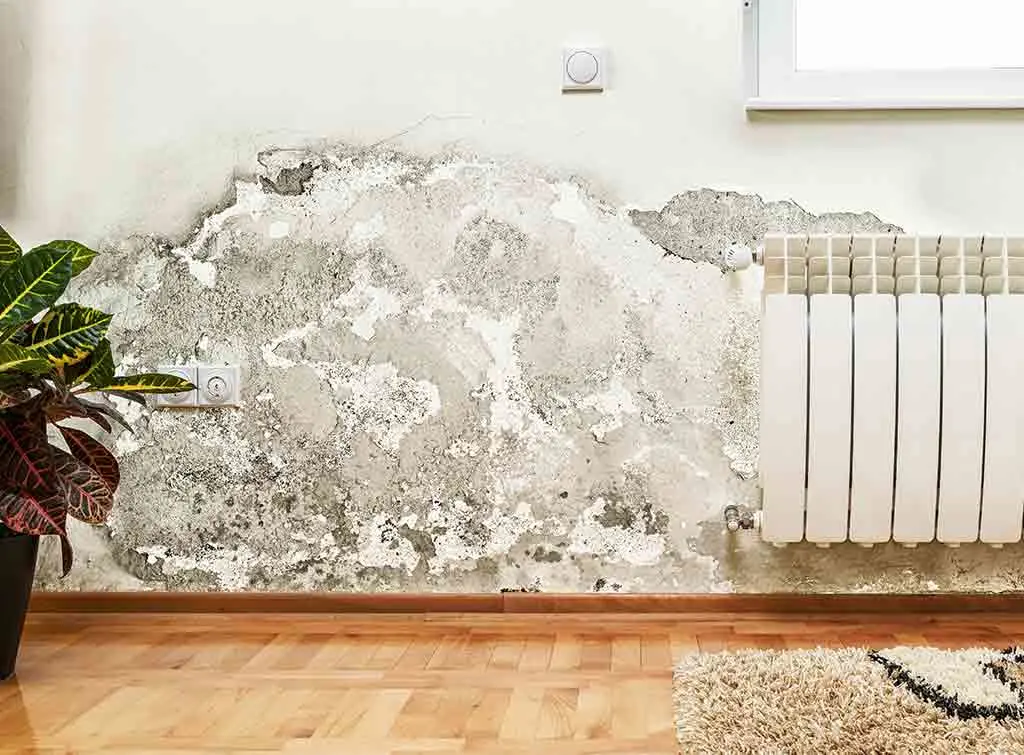
Damp, blotchy patches on walls or ceilings, causing plaster to crumble
Often caused by leaks or poorly fitted doors and windows
Rising damp:
Less common and harder to spot
If left untreated, it can damage your flooring, skirting boards and walls
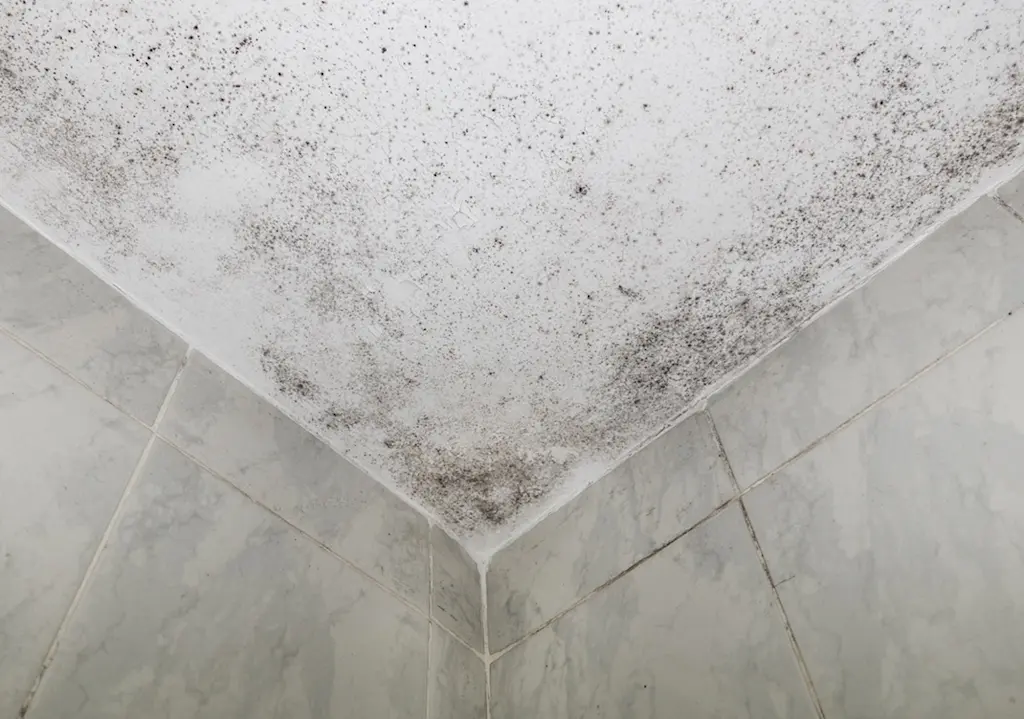
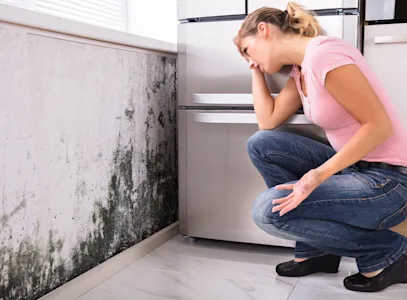
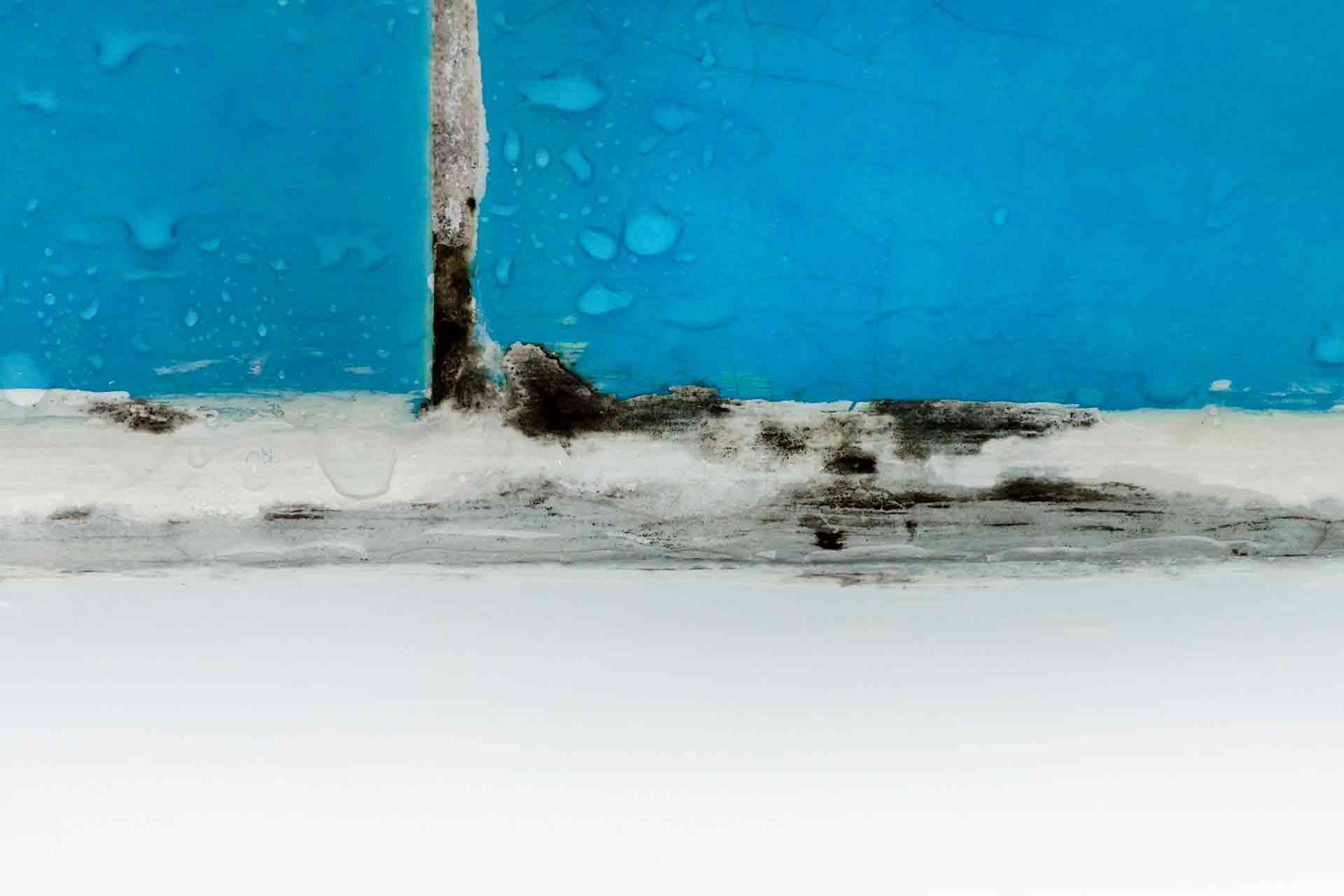
Rising damp is also a culprit for mould, which along with looking unsightly, can seriously affect your respiratory health
Understanding which type of damp you're dealing with is crucial because each requires different treatment approaches. Misidentifying the problem can lead to ineffective solutions and wasted money.
How can I identify common signs of damp?
Hopefully, by planning and installing damp proof methods (either yourself or professionally), damp won't appear in your home. But it's handy to know what to look out for.
Telltale signs of damp in the home include:
Mould and mildew
Peeling wallpaper
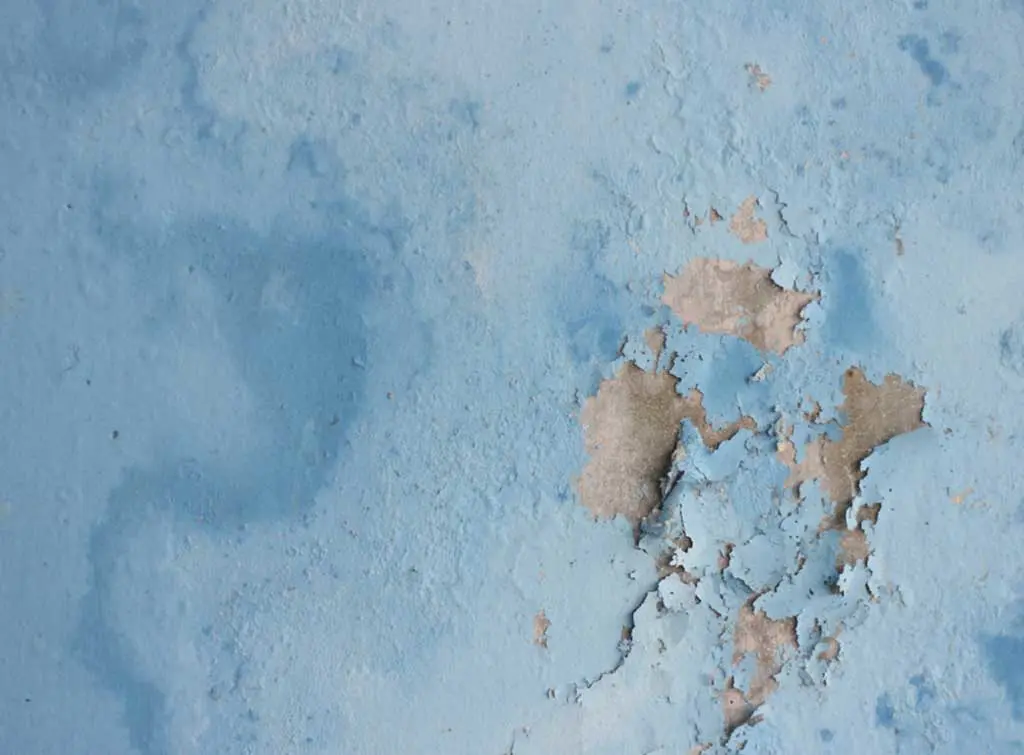
Bubbling or peeling paintwork
White salt deposits (efflorescence) on walls
Discoloured or damaged skirting boards
Water stains
Damp patches on walls or ceilings
Warping of wooden floors
Signs of decay on wooden window frames
Increased condensation on windows and mirrors that doesn't clear quickly
Different types of damp show distinct patterns.
Rising damp typically creates a 'tide mark' effect on ground floor walls, while penetrating damp often appears as patches that worsen during heavy rain.
Condensation usually affects areas with poor ventilation and high moisture production.
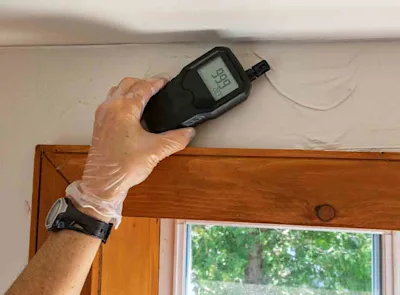
If you're unsure about the quality of your home's existing damp proofing, invest in a moisture meter to help you identify moisture levels.
How to assess your property for damp issues
Follow this systematic approach to identify potential damp problems before they become serious and expensive to fix.
External inspection
Check guttering for blockages, leaks, or damage
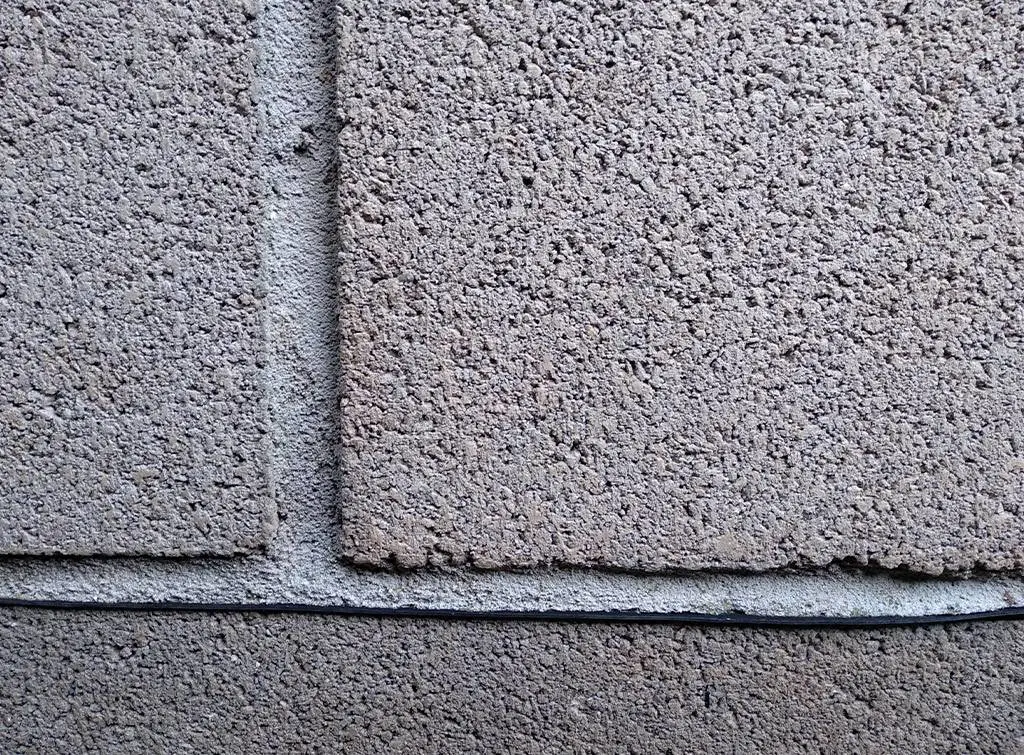
Inspect pointing between bricks for cracks or missing mortar
Look for damaged roof tiles, flashing, or chimney issues
Examine external walls for cracks in render or brickwork
Ensure ground levels don't bridge the damp proof course
Internal inspection
Check ground floor walls for tide marks or staining up to 1 metre high
Look for peeling paint, wallpaper, or plaster damage
Test wall surfaces with your hand – damp walls feel cold and clammy
Check skirting boards for rot, lifting, or staining
Inspect areas around windows and doors for water damage
Ventilation assessment
Check if extractor fans in bathrooms and kitchens work effectively
Look for excessive condensation on windows that doesn't clear
Note any rooms that consistently feel humid or stuffy
Identify areas where mould growth occurs repeatedly

What are the most effective DIY damp proofing solutions?
So, what methods can you use to damp-proof your home? It depends on the type of damp and its cause.
First, let's look at condensation – the most common form of damp in the home.
Adding ventilation to allow moisture in the air to escape is key to controlling condensation levels in the home.
Luckily, there are plenty of straightforward and cost-effective solutions you can do yourself, if you know how. Some simple steps to take include:
Opening trickle vents (if you have them) in windows
Opening windows for a few minutes several times a day and whenever they steam up
Using extractor fans in your kitchen and bathrooms
Leaving a gap between walls and furniture to allow air to circulate
Investing in a dehumidifier to reduce moisture levels (these will cost between £130 – £250 for a good one)
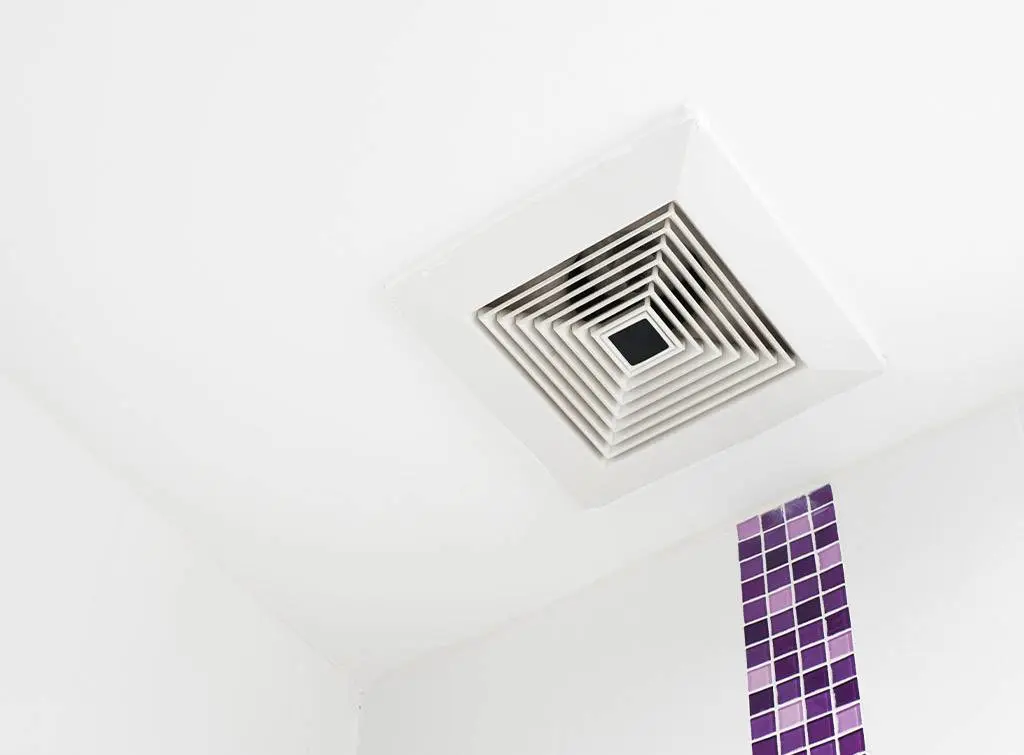
Want to know if your bathroom or kitchen extractor fan is operating correctly? Place a piece of toilet paper over the fan to check it is drawing in air. Just watch your fingers near the fan.
What are the best damp proof methods for rising and penetrating damp?
Protecting your home's walls and floors against rising and penetrating damp is a much more sizable project and involves a lot of preparation.
Professional assessment ensures you invest in treatments that address the root cause, not just the symptoms.
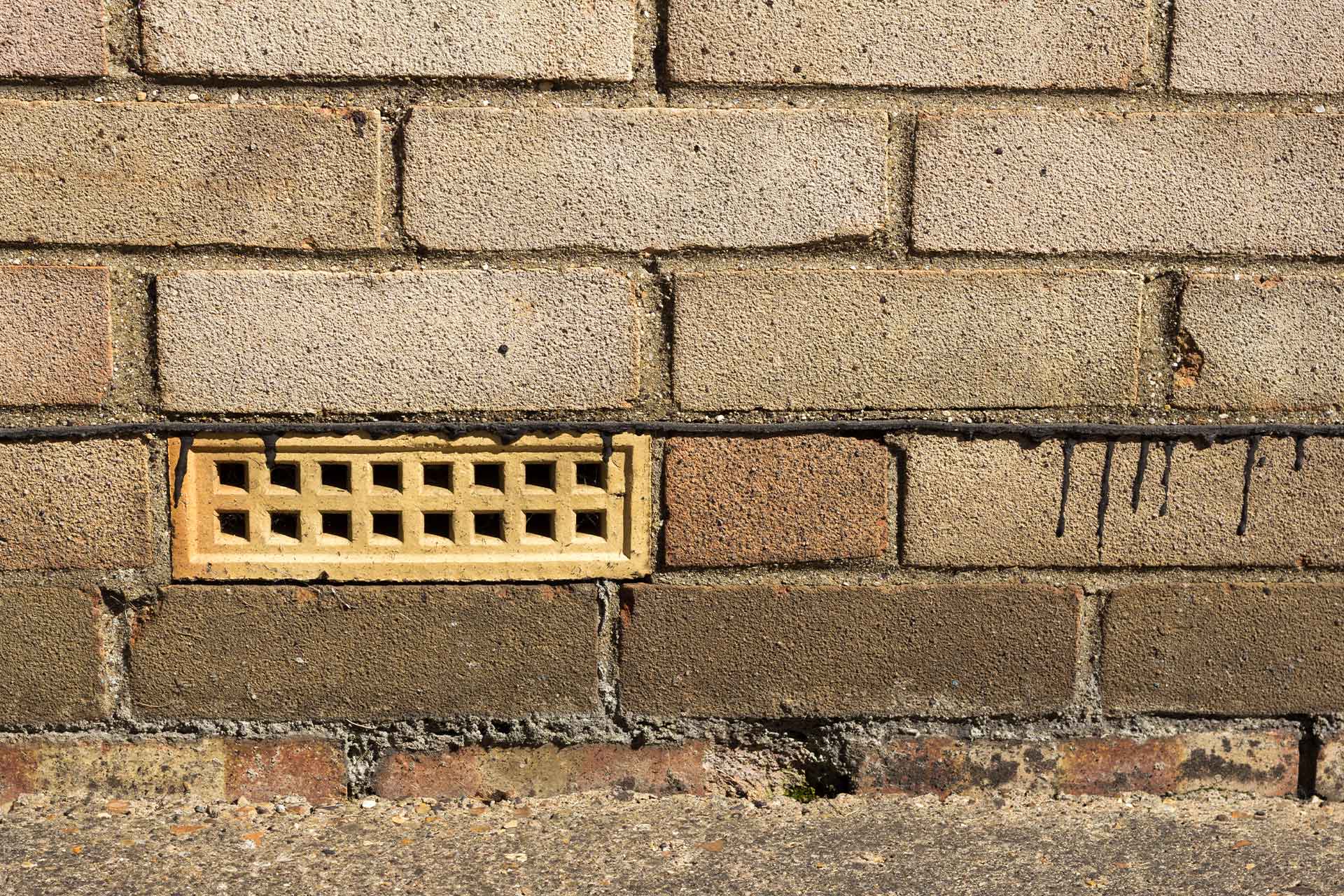
Damp proof course (DPC) – Holes are drilled into the mortar joints, and a chemical cream is injected into the holes. This prevents moisture from the ground rising up through the bricks and causing rising damp.
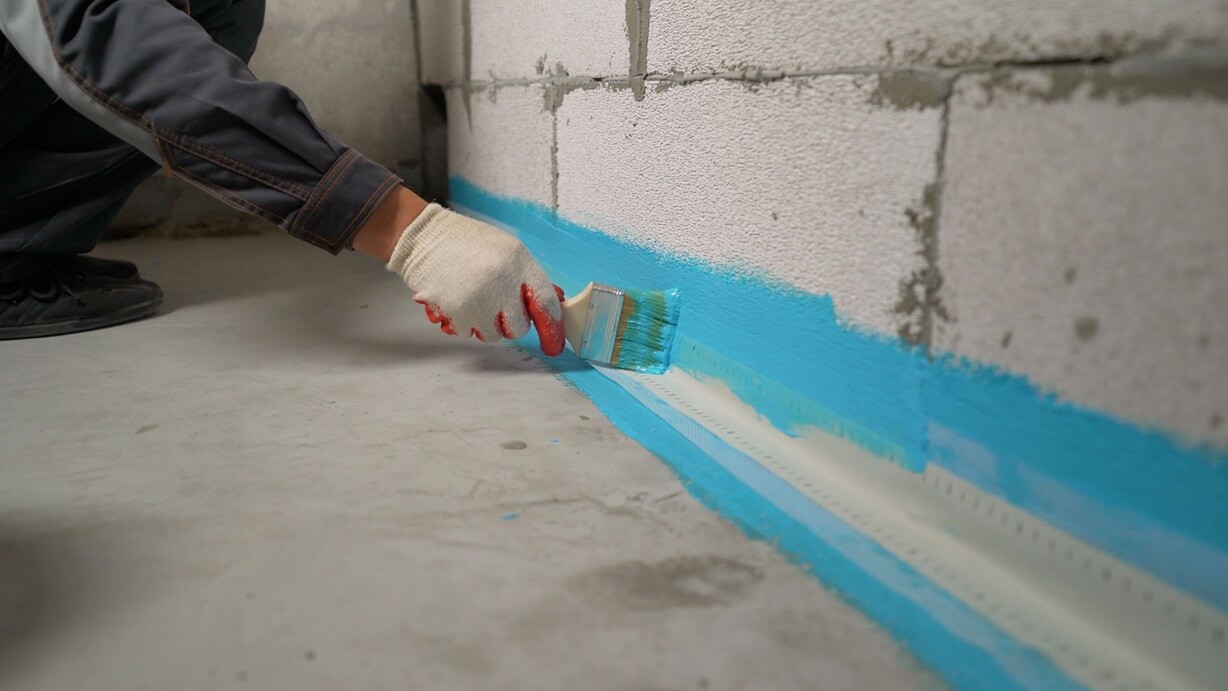
Damp proof membrane (DPM) – Rolls of strong polythene plastic or a liquid chemical membrane are laid on top of concrete floors. This sits between your concrete floor and underlay floor covering to form an impenetrable layer and protect against moisture.
Chemical damp proof courses (DPC) - These involve injecting silicone or resin-based solutions into walls to create a moisture barrier. This method is highly effective for rising damp, typically costing £20-40 per linear metre.
Remedial plastering and rendering helps manage damp effects while allowing walls to breathe. Specialist lime-based or salt-resistant plasters prevent moisture from reaching internal surfaces while permitting natural drying. This approach works well alongside DPC treatments.
External waterproofing addresses penetrating damp through repairs to pointing, rendering, guttering, and roof maintenance. While costs vary significantly depending on the scope of work, preventing water entry is often more cost-effective than internal treatments.
Ventilation improvements tackle condensation through mechanical ventilation systems, improved airflow, and humidity control. Installing extractor fans, positive input ventilation, or heat recovery systems typically costs £300-1,500 but provides ongoing protection.
Want to get going and start treating the damp? But not sure where to start? Why not speak to a professional today.
Find a damp proofer near you
Enter your postcode to find a top tradesperson near you
Perlini Property Maintenance Ltd
10.00
(49 reviews)Services & skills
Damp ProoferCondensation ControlPenetrating Damp TreatmentDamp InvestigationRising DampSherifi damp proofing specialist
10.00
(39 reviews)Services & skills
Damp ProoferCondensation ControlDamp InvestigationPenetrating Damp TreatmentDamp SurveyBasement Solutions Limited
10.00
(6 reviews)Services & skills
Damp ProoferDry Rot TreatmentRising DampWoodworm TreatmentCondensation ControlShield Waterproofing and Preservation Ltd
10.00
(2 reviews)Services & skills
Damp ProoferDamp InvestigationTimber TreatmentPenetrating Damp TreatmentDry Rot TreatmentRobinson's Services
10.00
(118 reviews)Services & skills
Damp ProoferCondensation ControlEmergency Damp Proofing ServiceTimber TreatmentRising DampGarratt's Damp & Timber Limited
10.00
(166 reviews)Services & skills
Damp ProoferDry Rot TreatmentPenetrating Damp TreatmentWoodworm TreatmentEmergency Damp Proofing Service


How can a damp proofing company help?
When installed by an experienced professional, damp proof methods protect against moisture penetration and damp for up to 20 years – or longer, if you're lucky.
Better still, many reputable damp proof companies go one step further by guaranteeing their work. Something you wouldn't get if you installed the damp proof treatment yourself.
Here are some other things to look out for when looking for a tradesperson:
Essential qualifications - check whether certification is required to carry out the work
Memberships - for example with organisations such as the Property Care Association (PCA)
Experience - local knowledge is invaluable to help assess damp
Specialisation - specifically contractors who focus on damp issues rather than general builders
Assessment processes - reputable specialists will conduct detailed surveys using moisture meters and thermal imaging where appropriate
Ease of getting a quote - be wary of tradespeople who are too vague when estimating, or quotes provided without proper inspection
Guarantees and warranties - these provide important protection and add peace of mind, with some covering up to 10-20 years
Don't forget, if you book through Checkatrade, we guarantee their work up to £1,000. Guaranteed for 12 months – Eligibility criteria and T&Cs apply.
Hiring a damp proofer - key checklist
Here is a quick and easy to use checklist of things to consider before you try to deal with damp in your property. If you're not confident, it's probably time to get someone in.

List of things to consider with damp proofing

Not sure what's involved in a damp survey? Whether you're looking for costs, tips for treating damp walls before decorating or simply how to find a good surveyor, we're here to help.
How much does a damp proof company charge?
The cost of professional damp proofing depends on the job size and the method type.
However, to help you budget, the average damp proofing cost is around £5,000, although this does not cover material costs.
Or, for another way of looking at it, damp proofing walls costs on average £100 per metre of wall treated.

Damp proofing costs in the UK (2026 prices)
Discover the typical damp proofing costs in the UK, common treatment options, and the practical things to budget for so you can plan with confidence.
How to find the right damp proof company
If you're concerned about damp in your property, don't wait for the problem to worsen.
Find trusted, vetted damp proofing specialists in your area through Checkatrade – where every tradesperson is checked, reviewed, and committed to getting the job done right.
Use a professional directory
Keep things simple by searching with a professional directory (like Checkatrade!). We’re so confident in the quality of the trades on Checkatrade that if you book through us, we guarantee their work up to £1,000. Eligibility criteria and T&Cs apply.
Read online reviews
Hear what other customers have to say about professional tradespeople near you. We check the reviews on Checkatrade are from real people, and that trades meet our high standards.
Compare quotes
Getting a few quotes from damp proof companies is always wise. That way, you can be sure you’re getting the best tradesperson and price for the job.
Hire your local damp proofing expert
Damp Proofing FAQs
Is damp proofing necessary for older homes?
Yes, damp proofing is particularly important for older homes as many were built before modern damp proof courses were standard, or existing DPCs may have failed over time. Properties built before 1875 often lack adequate damp protection, while those from 1875-1950 may have basic protection that needs updating.
How long does damp proofing treatment take to work?
Chemical damp proof course treatments typically take 6-12 months to fully cure and create an effective moisture barrier. However, you may notice improvements in 2-3 months as moisture levels begin to reduce. Wall drying times depend on wall thickness, moisture levels, and ventilation.
Can I treat damp problems myself or do I need professionals?
While minor condensation issues can often be managed through improved ventilation and heating, rising damp and penetrating damp typically require professional treatment. DIY damp treatments often fail because the underlying cause isn't properly identified or addressed.
Will damp problems affect my home's value?
Untreated damp problems can significantly reduce property value and make homes difficult to sell or mortgage. However, properties with recent, professionally completed damp proofing work backed by long-term guarantees often maintain their value well.
What happens if damp proofing treatment fails?
Reputable damp proofing specialists provide guarantees typically lasting 10-20 years, covering both materials and labour. If treatment fails within the guarantee period, contractors should return to investigate and rectify the problem at no additional cost.
See the tradespeople we've checked for your job