COST GUIDES
Breeze block wall cost in 2026: UK prices
Updated 06/26
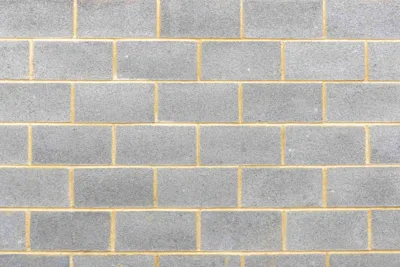
Considering installing a breeze block wall for your garden project, carport or indoor partition wall? Good plan.
Breeze blocks (also known as blockwork) are affordable and easy to concrete.
In this guide, we'll look at:
The average breeze block wall cost
The average blockwork cost per m²
The hidden costs to be aware of
DIY installation tips
Fast Facts
On average, the cost of a breeze block garden wall (supply & build) should come in at around £57.50 per m2
However, this doesn't take into account foundations (if needed)
DIY is doable for small breeze block walls, if you're confident you'll get the course level and the mortar mix right
For larger, structural or retaining breeze block walls, hiring an experienced bricklayer is best
Breeze block wall cost
| Cost provided item | Unit | Range - low | Range - high | Average cost |
|---|---|---|---|---|
| Breeze blocks (includes £3 per m² for mortar) | Per m² | £15 | £20 | £17.50 |
| Labour cost | Per m² | £35 | £45 | £40 |
| Cost to build a breeze block wall | Per m² | £50 | £65 | £57.50 |
| Additional costs to bear in mind | ||||
| Rendering | Per m² | £36 | £42 | £39 |
| Foundations/footings | Per metre | £180 | £210 | £195 |
| Last updated: June 2026 Our costs are ballpark averages - get a local tradesperson to quote now | ||||
Data verified by our professional estimators
Estimators are CIOB & RICS members
The average cost of breeze blocks per m² (includes £3 per m² for mortar) is £17.50 (supply only).
So far, so good. But here's the thing to know. The labour time and foundations needed can also affect your breeze block wall price.
Let's work out the costs involved for a clearer picture.
Breeze block garden wall cost
On average, the cost of a breeze block garden wall (supply & build) should come in at between £50 and £65 per m².
However, the cost of building a breeze block garden wall depends on the block type and whether or not you need planning permission. You'll also need to consider access, the shape of the wall and the cost of waste disposal.
Let's look at each of these factors in a little more detail:
1. Breeze block retaining wall:
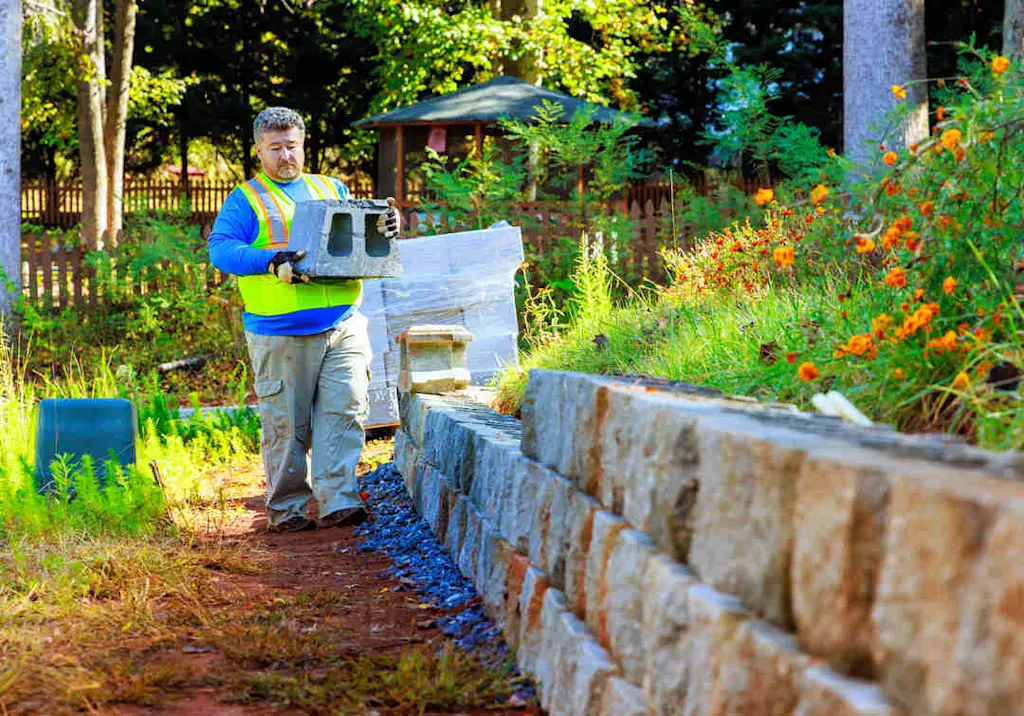
If you're building a low, freestanding wall below 60cm tall for decorative purposes, a small trench will secure your breeze block wall footing
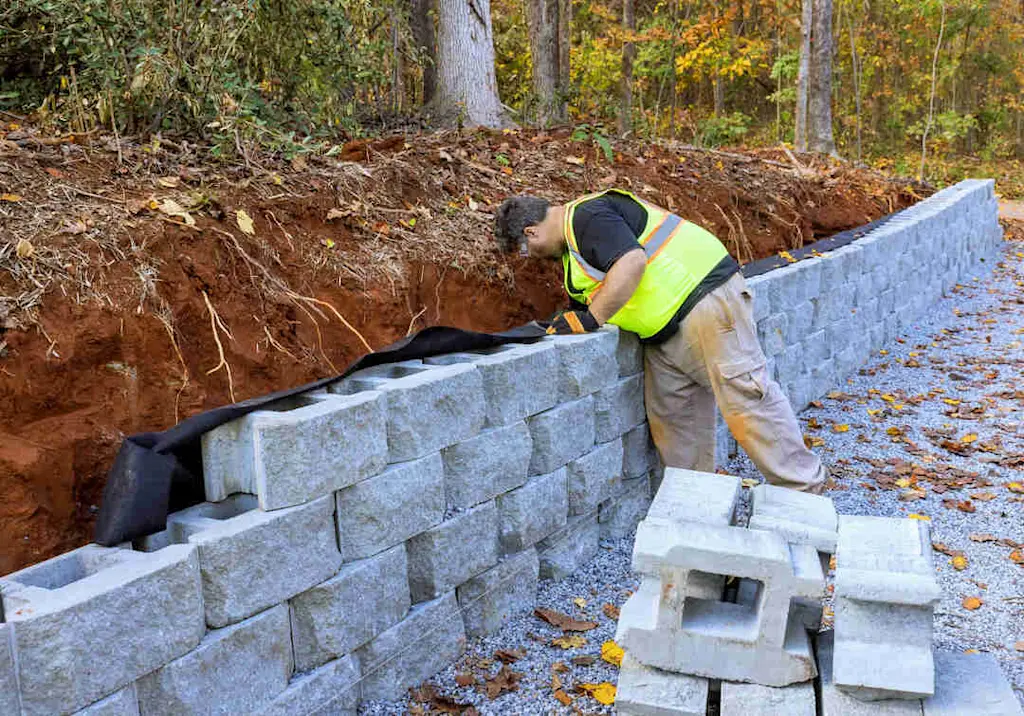
However, for taller retaining walls (holding back soil) or load-bearing walls (i.e, to support a garage), you'll need deeper foundations built
The average cost to build foundations for a retaining wall is around £195 m² (don't forget to add on the cost of the breeze blocks, too)
A word on retainer walls... Dense solid blocks (7N strength or above) can be used for retainer walls. But for anything over one metre in height, you may need a structural engineer to confirm the design, drainage and foundations needed.
2. Waste removal:
Depending on what’s already there (i.e. an existing wall or fence), you could need to hire a skip
Skip hire prices range from £75 to £450 per week, depending on the size of the skip you need
3. Planning permission:
If your planned garden wall is above a metre high and located next to a road or public pathway, it's likely that you'll need to seek planning permission
Our planning permission price guide runs you through the costs involved
If you're building a like-for-like replacement breeze block wall, it's unlikely you'll need planning permission. However, it's always best to speak to your local planning department for advice first.
4. Rendering:
Bare unrendered blocks are more susceptible to weathering, so finishing the wall with render or cladding will protect it and extend its lifespan
Rendering per m² costs on average £39
5. Buying breezeblocks direct:
Some homeowners choose to purchase blocks directly and use a labour-only bricklayer
Your labour cost per m² is on average £40
Alternatively, budget £240–£320 per day for a bricklayer
For a quick estimate based on how many breeze blocks per m2 you need, why not try our free interactive cost calculator below?
Breeze block wall cost calculator
Job Estimate Calculator

Or for an exact quote, contact a breeze block layer we've checked and reviewed by downloading our free app below:

Other factors that can affect your breeze block wall cost
The cost of a breeze block wall depends on a number of factors, including:
The length, height, thickness, and shape of the wall (as curves and corners usually add to the cost)
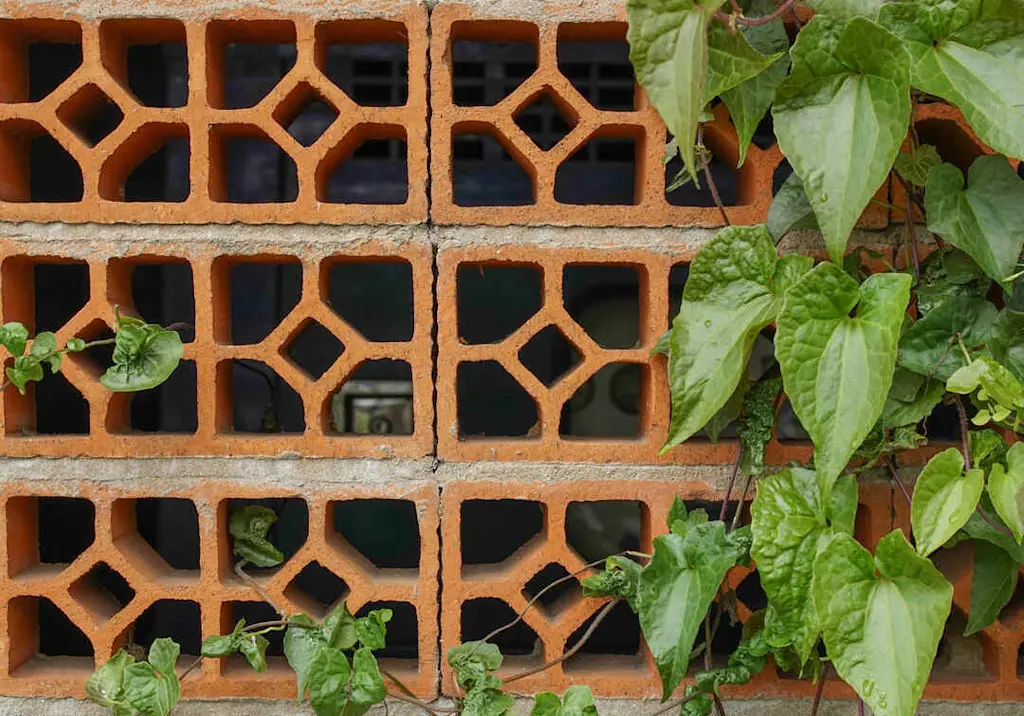
The type and style of breeze blocks (dense blockwork bricks work out cheaper than hollow decorative breeze blocks)
Prep work (such as excavation or levelling the ground, if needed)
Access (if carting materials, waste and equipment through to the site is difficult, you can expect it to take longer and cost more)
Finish (cladding, paint or render is an additional cost)
Your location (costs may be higher in London and parts of the South East due to demand)
See the tradespeople we've checked for your job
Breeze block wall cost: By size and type
A standard UK breeze block measures 440mm × 215mm × 100mm (length × height × depth), though you'll also find 140mm and 215mm-depth versions for thicker walls.
Trying to figure out how many breeze blocks you'll need? Because one block covers roughly 0.09m², you need about 10 blocks per m² of wall face. Then add 5–10% for cutting waste, especially if the wall has corners or curves.
Here's the common type of breeze blocks:
Standard solid dense (7N): Used for thicker structural walls, such as garden walls and retaining walls
Hollow & cellular: Usual for partition screens and decorative features
Lightweight/aircrete: Usual for internal partition walls
Landed here looking for garage build costs using concrete breeze blocks? Our price guide to building a garage will help you budget for the job.
Breeze block vs brick wall: what's the difference in cost?
Wondering if breeze block is cheaper than brick?
A breeze block wall typically costs £57.50 per m² (materials and labour) vs £150 per m² for a single skin brick wall (materials and labour). So blocks are usually the cheaper option for functional garden structures.
That said, breeze blocks are quite different from ordinary bricks and aren't suitable for all building jobs. Here's why:
They're made of concrete, whereas bricks are made of clay
Breeze blocks are much larger and are hollow in the middle
Breeze blocks aren't suitable for load-bearing structural work (unlike bricks), but are great for gardens and outside structures
How long does it take to build a breeze block wall?
Building a standard breeze block garden wall typically takes a bricklayer one to three days for a 10m run at standard fence height (around 1.8m).
That said, curved walls, retaining structures, or jobs needing ground levelling and new footings will take longer.
Contact an experienced bricklayer, and they'll give you a firmer timeline when they quote.
Find an experienced bricklayer for your project
What's included in a breeze block wall quote?
Hire a reputable tradesperson, and your quote will most likely include:
Supply and installation of the breeze blocks and mortar
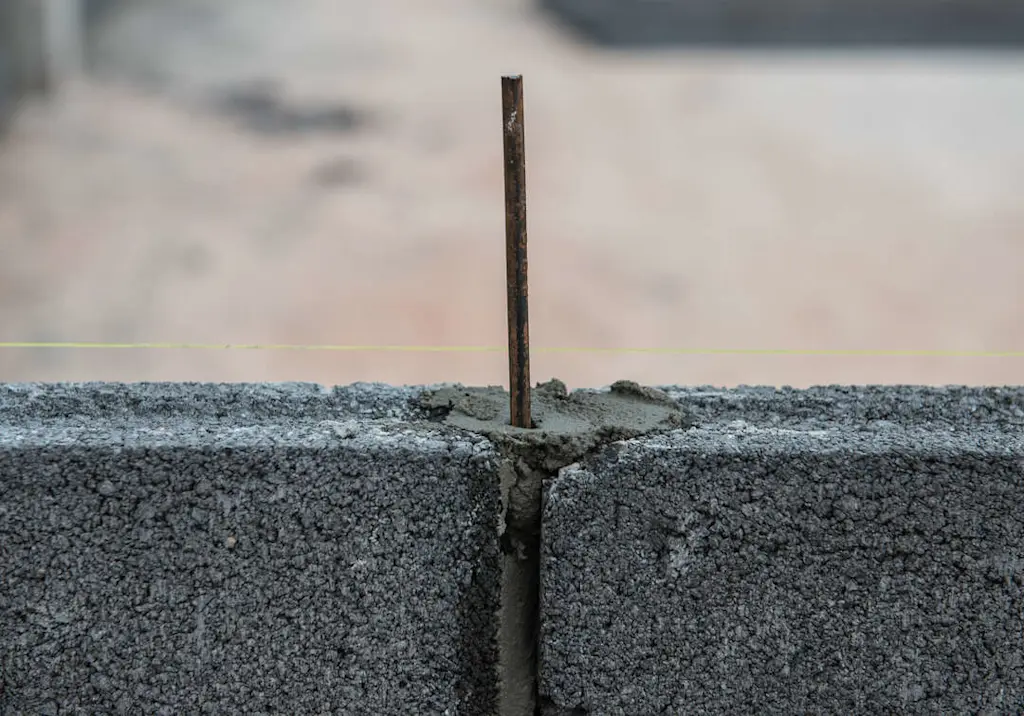
Preparing trenches (for smaller walls) or foundations (for breeze block walls over a metre high)
Any other prep work (such as levelling ground if needed)
Waste removal

Breeze block wall: Cost checklist
Can I build a breeze block wall myself?
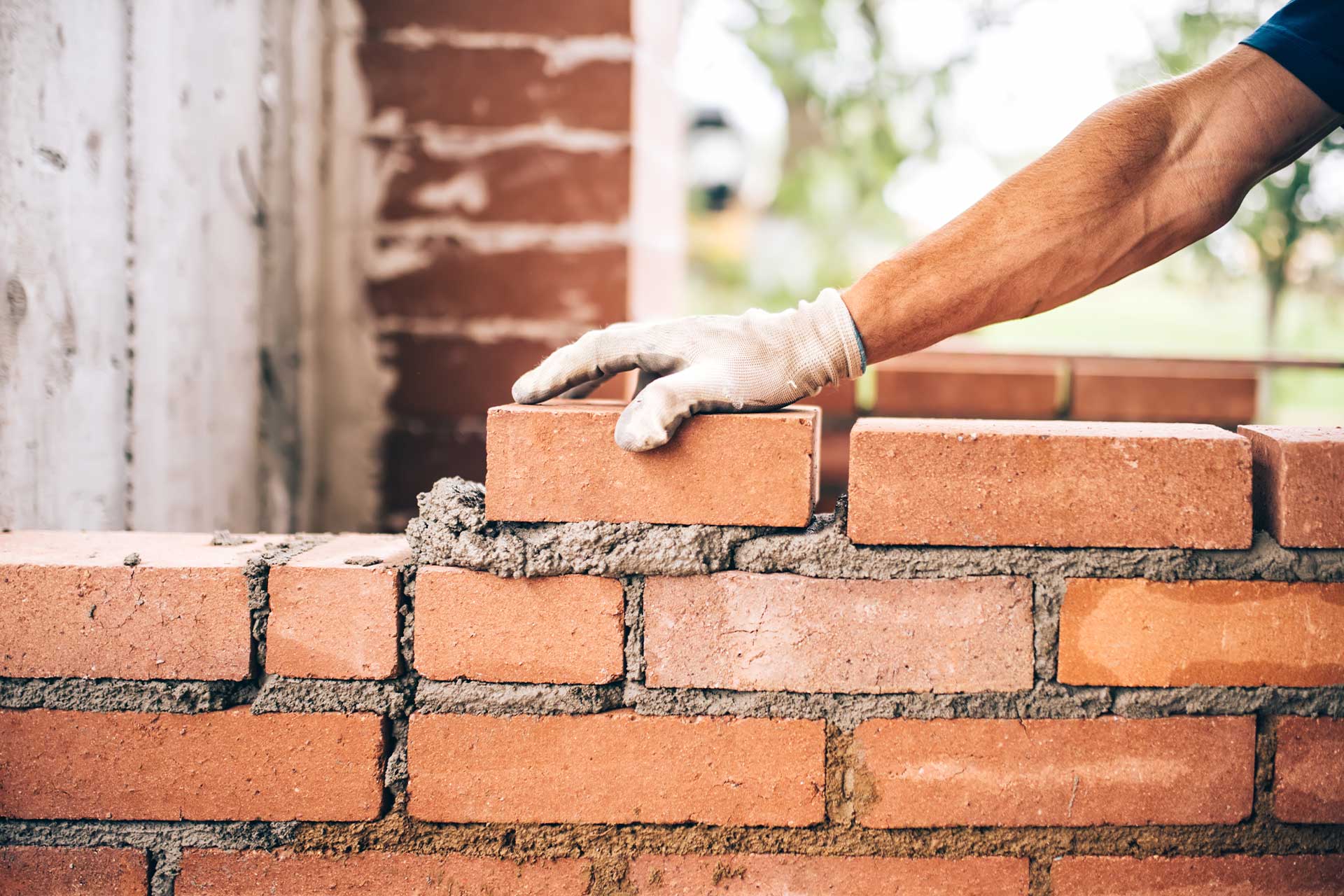
Laying blocks for a small, low wall is doable for a confident DIYer. However, getting the course level and mortar mix right can be tricky.
Check out our how-to guide below for the key steps involved.
How to build a breeze block wall
Whether you want to build a solid or decorative breeze block wall, this useful guide has everything you to know about how to install one and decorate it afterward.
However, we recommend hiring a skilled bricklayer for anything:
Structural or retaining
Over a metre high
Next to a boundary
They'll get the job done efficiently, safely and up to standard.

Search for breeze block wall installers near you
Enter your postcode to find a top tradesperson near you
- D
Damien Mullins Bricklaying
10.00
(35 reviews)Services & skills
BricklayerBrickworkDry Stone WallingFlint / StoneworkEmergency Bricklayer Service Lusha Pointing
10.00
(32 reviews)Services & skills
BricklayerBrickworkFlint / StoneworkRepointingEmergency Bricklayer ServiceADG Brickwork & Landscaping
9.98
(38 reviews)Suggested Services
Laser brick cleaning£1,000 / job- K
Keyworth Construction Ltd
10.00
(35 reviews)Services & skills
BricklayerBrickworkRepointingEmergency Bricklayer Service M Pullen Stonemasonry, Building Restoration and Cleaning
10.00
(37 reviews)Services & skills
BricklayerBrickworkFlint / StoneworkDry Stone WallingRepointingF.F Contractor Exterior & Interior Specialists
10.00
(2 reviews)Suggested Services
BrickworkPrice on request


Why use Checkatrade?
Checked - Every Checkatrade member must pass up to 12 checks and commit to upholding the Checkatrade Standard
Guaranteed - Jobs booked through Checkatrade are covered up to £1,000 (T&Cs apply)
Reviewed - Over 6.2 million verified reviews from real jobs have been published on Checkatrade on everything from communication, tidiness, timekeeping, and quality of work

Planning wider home improvements? At Checkatrade, we’ve got you covered — from building regulations guides to loft renovation ideas, plastering costs and structural work basics. Explore our home improvement hub to help plan your project with confidence.
FAQs
What's the difference between a breeze block wall and a brick wall?
Breeze blocks are quite different from ordinary bricks. They're made of concrete, whereas bricks are made of clay. Plus, breeze blocks are much larger and are hollow in the middle. This is why they're not really suitable for load-bearing structural work, unlike bricks. However, they're great for gardens and outside structures.
Is breeze block cheaper than brick?
A breeze block wall typically costs £57.50 per m² (materials and labour) vs £150 per m² for a single skin brick wall (materials and labour). So, breeze blocks are usually the cheaper option for functional garden structures. Breeze blocks are also quicker to lay, which is why they're popular for functional garden walls, screens and outbuildings.
What's the difference between a breeze block and a cinder block?
In everyday UK use, the terms 'breeze block' and 'cinder block' are interchangeable, but both refer to standard concrete masonry units. Cinder block is more common in the US and originally referred to blocks made with coal cinders, whereas modern UK breeze blocks are made from aggregate concrete.
Do breeze blocks need foundations?
Yes, any wall over about 600mm tall should usually sit on a concrete strip foundation. For a standard garden wall, expect a foundation around 450mm deep and 300mm wide. Your builder can advise based on the soil type and wall height.
How many breeze blocks do I need per m²?
Standard 440 × 215mm blocks cover roughly 0.09m² each, so you need approximately 10 blocks per m² of wall face. Add 5–10% for cutting waste, especially if the wall has corners or curves.
How long does a breeze block wall last?
A well-built, rendered breeze block wall can last 50 years or more with basic maintenance.
See the tradespeople we've checked for your job