COST GUIDES
Reseal a bath: Cost guide 2026 | Checkatrade
Updated 07/26
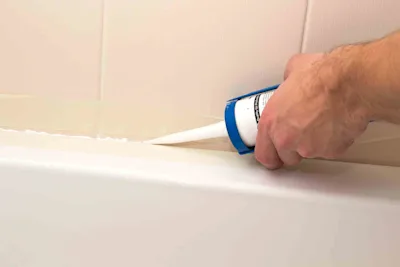
Resealing a bath is one of the quickest and most affordable ways to waterproof your bathroom and give it a fresh look. It:
Helps prevent leaks and water damage
Freshens up tired, discoloured or mouldy sealant
Check out our reseal bath cost guide for average prices to remove and replace old bath sealant, plus who to hire for a neat, long-lasting finish.
Fast Facts
Average cost: £50 - £100
Resealing a bath takes as little as 60 minutes (but don't forget to factor in the curing time)
Good-quality and well-installed silicone bath sealant typically lasts 5 to 10 years
Resealing a bath is a DIY job if you've got the time (and a steady hand for a neat finish!)
How much does it cost to reseal a bath?
| Item | Average cost |
|---|---|
| Reseal a bath (supply sealant and install) | £50 - £100 |
| Last updated: July 2026 Our costs are ballpark averages - get a local tradesperson to quote now | |
Data verified by our professional estimators
Estimators are CIOB & RICS members
The average cost to reseal a bath is about £50 - £100. This includes supplying and installing the new sealant, which is usually white or clear silicone.
That said, some plumbers will charge by the hour, which is approximately £50.
That's why it's worth checking when you ask for quotes for a reseal bath cost.
To get an instant estimate for new bath sealant based on your bath size, try our free cost calculator below.
Job Estimate Calculator

Or if you'd rather get a personalised quote, download our free app to connect with tradespeople we've checked and reviewed.

Factors affecting the cost of resealing a bath
There are a number of factors that can affect the price of bath resealing, including:
Condition of old sealant (deteriorated sealant may be more fiddly to remove, which increases prep time)
Mould or damp (if the old sealant has significant mould underneath, a mould-treatment step may be needed)
Type and quality of new sealant
Type of bath surround (freestanding baths have more exposed edges than wall-mounted baths, which take longer to seal)
Where you live (trades in London and the South East may charge more)
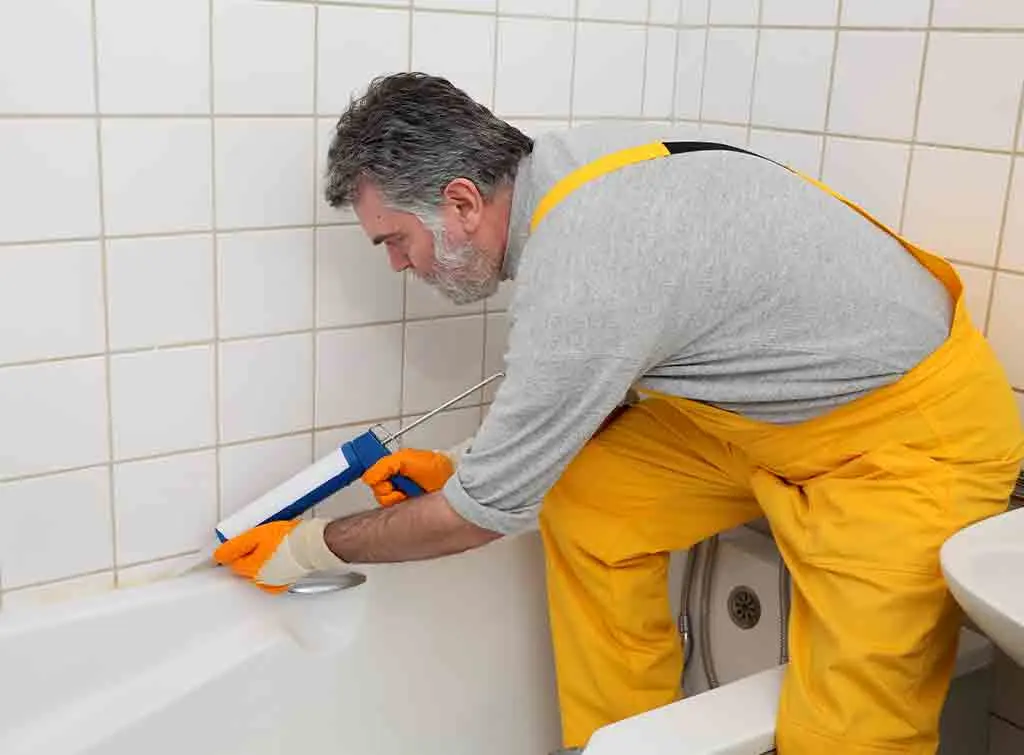
What does resealing a bath involve?
Here's a quick step-by-step rundown of the process:
Your trade removes all the old sealant (more on that below)
They'll fill the bath with water (which will affect where the edge of the bath sits)
The new sealant is added and left to dry
The bath is emptied once the sealant is dry
The whole process of resealing a bath takes between 60-90 minutes
Don't forget to account for drying time. Most standard silicone sealants take 24-48 hours to fully cure. Try to avoid using your bath for at least 24 hours, to stop the sealant from getting wet.
How to remove old bath sealant before resealing
Old sealant must be fully removed before you apply the new silicone. Applying fresh sealant on top of old won't bond properly and will fail faster. Here's the process:
A tradesperson uses a sealant remover tool (or a utility knife) to cut away the old bead
Area is cleaned with a damp cloth
Mouldy areas are treated with a mould-killer spray before the new sealant goes on
If you're doing it yourself, chemical sealant remover is the easiest option, but allow an hour for it to work before scraping.

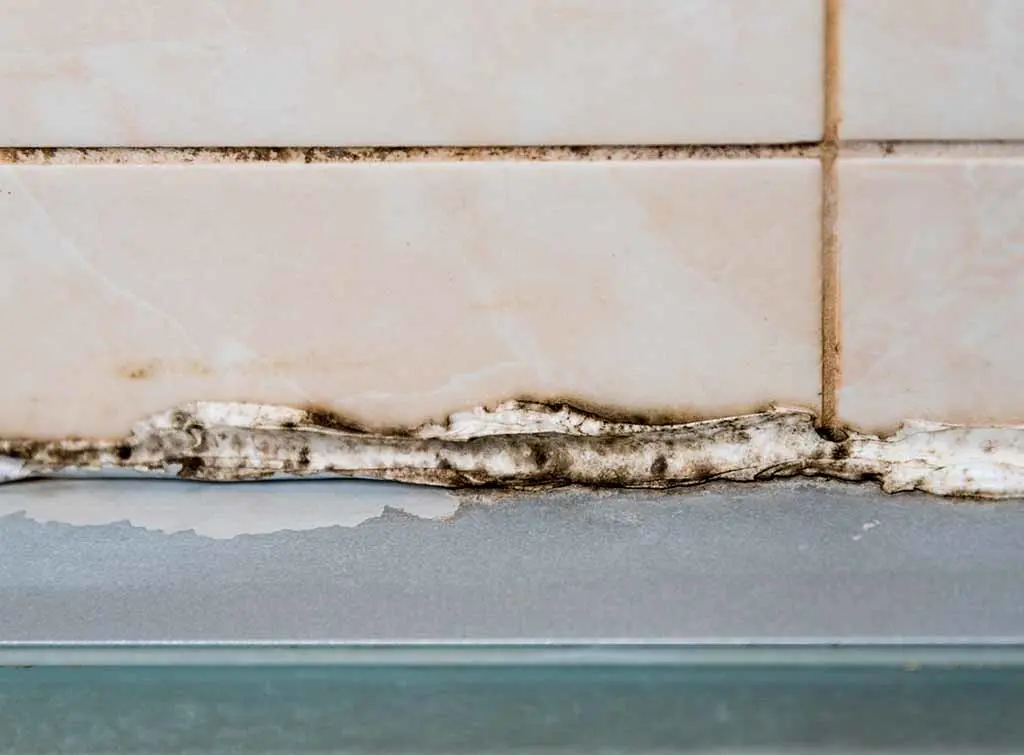
Why do I need to reseal a bath?
Worn or cracked bath sealant lets water seep behind the bath – and that moisture can cause mould, rot, and structural damage to the walls and floor beneath.
The good news is, replacing bath sealant is one of the cheapest home repairs you can make.
Here's why resealing your bath is important:
Creates a watertight seal along the wall
Stops leaks or water seeping down the side of your bathtub, which can lead to mould and rot
Removes unsightly mould build-up
Freshens up the appearance of bathrooms
For the small cost of resealing your bath, you can avoid expensive repair work down the line.
Find a plumber near me

Reseal a bath cost: Checklist
Can you reseal a bath yourself?
Resealing a bath yourself is more than doable. You'll just need silicone sealant, masking tape, a caulking gun, and a steady hand!
The trick to resealing a bath is thorough prep. This means removing all the old sealant and letting the surface dry completely before applying the new bead.

How to apply silicone sealant for a neat finish
Applying silicone sealant and achieving a neat finish can be a bit challenging for beginners, but it's achievable with patience and by carefully following a series of steps.
That said, it's worth calling in a tradesperson when:
There's extensive mould under the existing sealant
The bath has shifted (leaving a gap)
The sealant has failed in multiple places (these are signs of a bigger problem, such as a leak behind tiling or elsewhere)
You're after a straight, smooth sealant line (harder to achieve than you think, especially on corners!)
A local plumber or handyperson can fit a reseal into a short callout visit.
To find plumbers or a handyperson in your area, request a quote, download our Checkatrade app, or search your postcode.
Find a reliable local plumber near you
Enter your postcode to find a top tradesperson near you
Chelsea Plumbing & Heating
10.00
(267 reviews)Services & skills
PlumberGeneral PlumbingWater Mains Specialist (Pipe Replacement, Moling and Lead Pipes)Thermal DynamicsTap RepairPlumbingHQ
10.00
(2 reviews)Services & skills
PlumberGeneral PlumbingRadiator Thermostat Valve RepairRadiator Thermostat Valve InstallationPlumbing RepairsFlowtech Plumbers
10.00
(28 reviews)Services & skills
PlumberGeneral PlumbingBlocked ToiletsPower FlushingBlocked SinksMulti Skills.UK 24/7 Emergency
10.00
(313 reviews)Services & skills
PlumberGeneral PlumbingPlumbing MerchantsEmergency Plumber ServiceWater Mains Specialist (Pipe Replacement, Moling and Lead Pipes)MJ Plumbing and Heating
10.00
(40 reviews)Services & skills
PlumberGeneral PlumbingBlocked BathsRadiator Thermostat Valve RepairRadiator RepairH2O Services
10.00
(8 reviews)Services & skills
PlumberGeneral PlumbingRadiator InstallationThermal DynamicsPipe Fitter


Why use Checkatrade?
Checked - Every Checkatrade member must pass up to 12 checks and commit to upholding the Checkatrade Standard
Guaranteed - Jobs booked through Checkatrade are covered up to £1,000 (T&Cs apply)
Reviewed - Over 6.2 million verified reviews from real jobs have been published on Checkatrade on everything from communication, tidiness, timekeeping, and quality of work

Is your bathroom in desperate need of a freshen-up? From bath re-enamelling and regrouting, to a complete bathroom remodel, we've got all the key jobs and costs ticked off.
Reseal bath cost FAQS
Resealing a bath typically takes 60 to 90 minutes from start to finish. That includes removing the old sealant, cleaning the area, applying the new silicone, and leaving it to start curing. Most tradespeople will ask you not to use the bath for at least 24 hours afterwards so the sealant sets properly.
No, you should always remove the old bath sealant completely before applying new silicone. Applying fresh sealant on top of old won't bond properly, and the seal will fail much sooner. Use a sealant remover tool or chemical stripper to clear the old bead first.
Good-quality silicone bath sealant typically lasts 5 to 10 years. It will need replacing sooner if you notice cracking, blackening from mould, or gaps forming at the edges.
Resealing a bath is a standard job for a plumber, a bathroom fitter, or a handyperson. It's often worth bundling with another small plumbing job, such as a shower tray resealant, to save on call-out costs.
Signs your bath needs resealing include:
Cracking
Discolouration (especially black mould)
Gaps where the sealant has pulled away from the wall or bath
Water seeping down the side of the bath after use
Most plumbers charge a flat rate for bath resealing, which includes supplying and fitting the new silicone. If a plumber charges by the hour (typically £40–£80/hr), a straightforward reseal usually takes 60 to 90 minutes. It's worth asking when you get quotes whether they charge a flat fee or by the hour, so you can compare like for like.
Most bathroom sealant needs replacing every 5 to 10 years, though this depends on the quality of the product and how well it was applied. If you spot cracking, black mould forming in the bead, or gaps where the sealant has pulled away from the wall, don't wait. Reseal it now to avoid water getting behind the bath.

See the tradespeople we've checked for your job