COST GUIDES
Skirting board heating cost: 2026 UK price guide
Updated 07/26
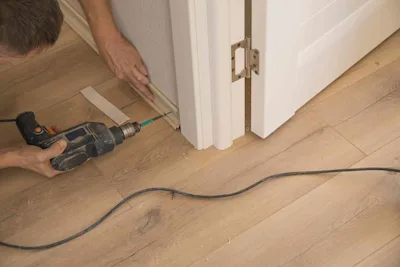
Skirting board heating is a discreet, space-saving alternative to traditional radiators that heats rooms from the edges rather than from a central point.
Whether you're looking at a wet system connected to your boiler or an electric dry system, this guide covers everything you need to budget for the job.
Fast Facts
Average cost: £117 per linear metre
Skirting board heating is an energy-efficient and space-saving alternative to radiators
Unlike underfloor heating, skirting board heating can be installed without ripping up flooring
Skirting board heating cost
| Type of heating | Unit of measure | Low - high cost (supply and installation) | Average cost (supply and installation) |
|---|---|---|---|
| Smiths Sureline Perimeter Heating (Convector) | Works off the central heating system | ||
| Skirting heating (colour white) | lm | £97 - £140 | £117 |
| External corners | each | £18 - £26 | £21 |
| Internal corners | each | £18 - £26 | £21 |
| Centre covers | each | £16 - £23 | £19 |
| Right hand/left hand end cap | each | £36 - £51 | £43 |
| Labour to install | lm | £46 - £66 | £55 |
| Notes | |||
| Connects to and runs from your central heating system (22mm pipe work) | |||
| Installed at skirting board level | |||
| Casing available in any colour (special order) | |||
| Supplied complete with heat exchanger, casing, back plate and joining strip | |||
| Prices above assumer that the 22mm supplies are in the room and ready to connect | |||
| Heat output: 2600Btu/h or 750 Watts | |||
| Last updated: July 2026 Our costs are ballpark averages - get a local tradesperson to quote now | |||
Material costs for skirting board heating average around £117 per linear metre.
The cost ranges from £97 - £140+ per linear metre depending on the brand, system type, and the complexity of the installation.
Labour costs for installation are around £55 per linear metre on top of that.
Several factors affect the final price, including:
The type of system (wet or electric dry)
The total linear metres of skirting board in your home
Your location (London and South East typically costs more)
Whether your existing boiler needs adapting (wet systems only)
Access to difficult or built-in sections of skirting
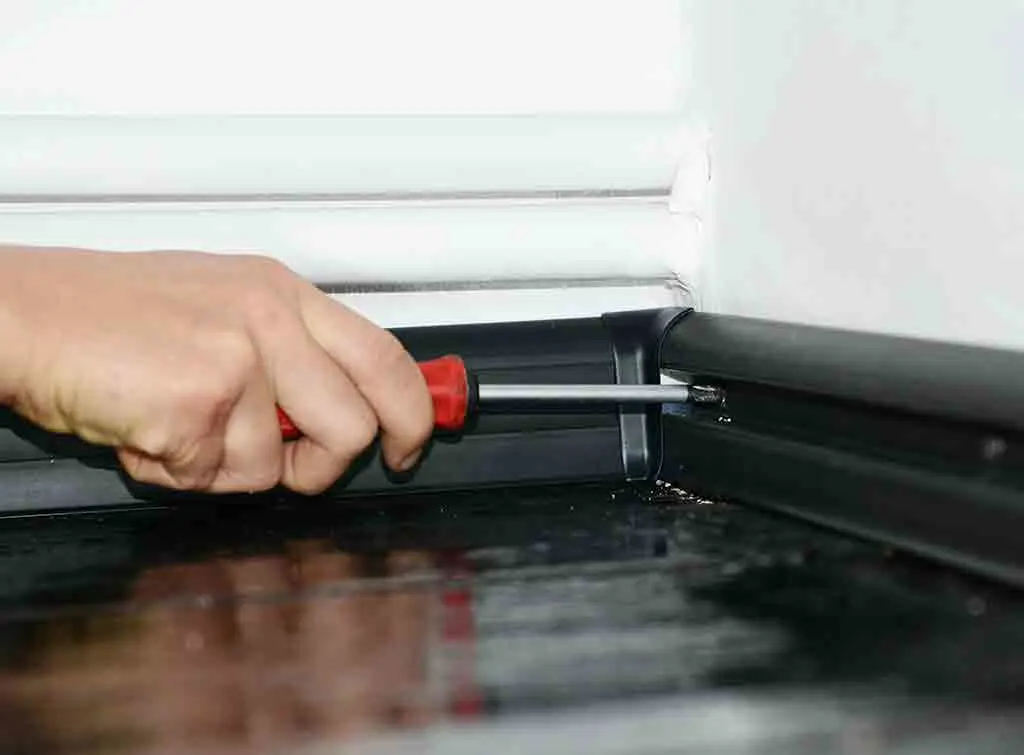
The labour cost to install skirting board heating
The average labour cost to install skirting board heating is £55 per linear metre - but the exact cost depends on whether you choose a wet or dry system.
A wet skirting board heating system involves water pipes running behind the skirting boards, connected to your boiler and carrying hot water around the room to heat the space.
You'll need a plumber to install it. The average cost of a plumber is around £375 per day.
An electric, or dry, skirting board heating system uses cables instead of water pipes. The cables run behind the skirting boards and connect to an electric thermostat that controls room temperature.
You'll need a qualified electrician or electric heating engineer to install this kind of system. The average cost of an electrician is around £400 per day.
Find trusted heating engineers near you
How much does skirting board heating cost per room?
For a typical medium-sized room (around 4m x 4m), installing skirting board heating costs around £1,410 - £2,030.
Homeowners often get a better deal when they have multiple rooms done at the same time, since the labour cost per room falls.
Skirting board heating vs underfloor heating: cost comparison
Skirting board heating is generally cheaper to install than underfloor heating, particularly in a retrofit. Unlike underfloor heating, you don't need to lift floors or redo floor coverings.
When planning an underfloor heating system, wet underfloor heating typically costs £95–£110 per m², compared to £117 per linear metre for skirting board heating.
For a 15m² living room, the cost difference can be substantial. Skirting board heating also works with your existing boiler, keeping costs down.
Skirting board heating: job estimator tool
Get a rough quote for your skirting board heating installation with our job estimate calculator.
Type in a few details about the project, such as the size of your rooms, and the calculator will use our data to give you an approximate cost.
Job Estimate Calculator

How long does it take to install skirting board heating?
Installing skirting board heating in a single room typically takes around one day.
A full-house installation across multiple rooms will usually take two to three days, depending on the layout and the type of system. Wet systems take a little longer than electric dry systems because of the pipework involved.
If your home has awkward access points or built-in furniture along the skirting run, allow extra time for the installer to work around it.
How much does skirting heating cost to run?
How much your skirting board heating costs to run depends on whether it's a wet or dry system, and the cost of electricity or gas at any given moment.
Skirting board heating systems are more energy-efficient than traditional radiators. They heat up quickly and distribute heat evenly throughout a room without losing heat through the flooring, which should reduce your heating bills over time.
Electric skirting board heating typically costs more to run than a wet system connected to a gas boiler, but is simpler to install. If you're on standard electricity tariffs, a dry system will cost more day-to-day than a boiler-fed wet system.
To understand the full picture, it's worth knowing how much gas central heating costs to run so you can compare.
More ways to save money
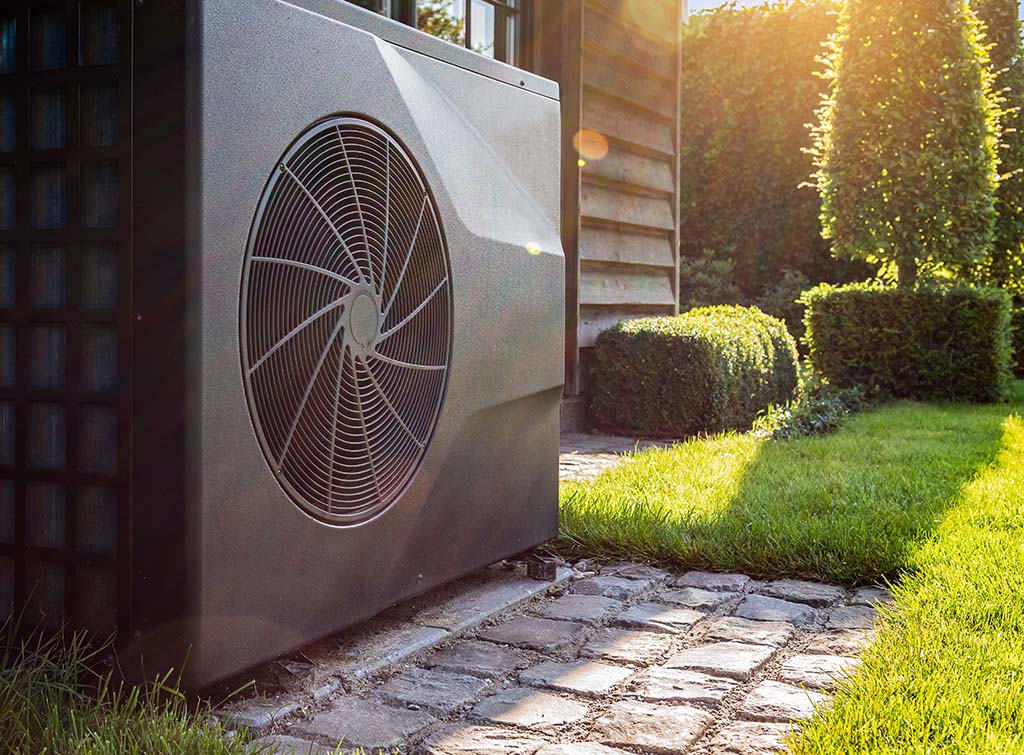
Got renewable heating, like solar panels or a heat pump? Using them to power your skirting board heating system will reduce your heating bills.
If you're thinking ahead, replacing your boiler with a heat pump pairs well with a wet skirting board system.
For day-to-day savings, smart heating controls let you program and zone your system to cut waste.
Keeping your central heating maintained regularly also helps keep running costs down.
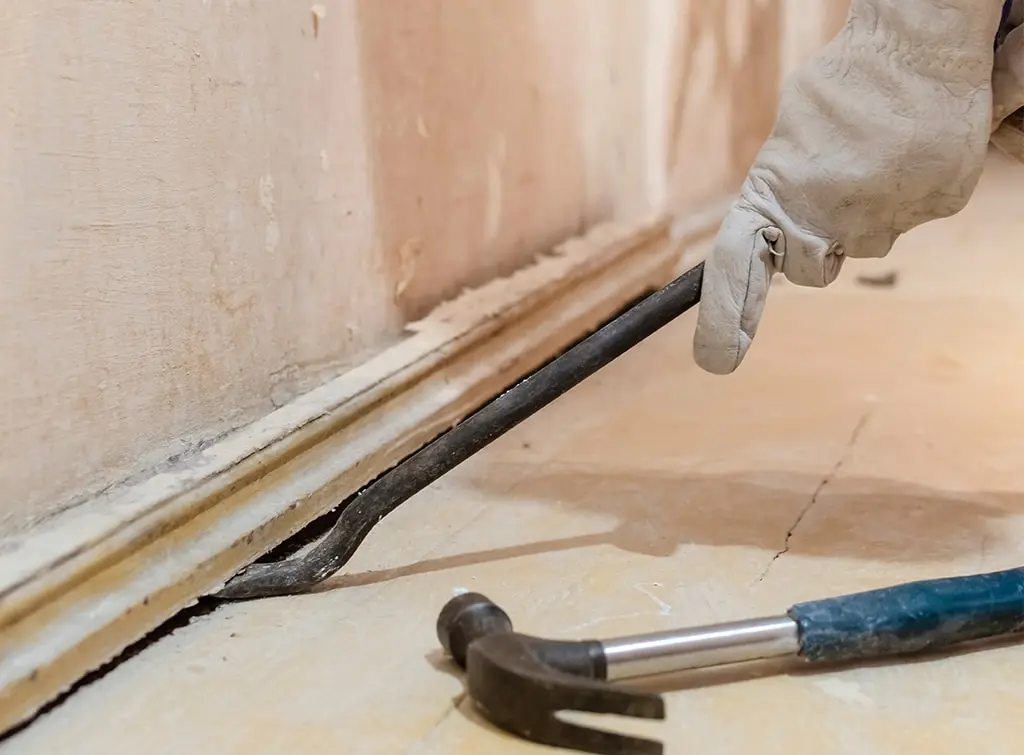
What is skirting board heating?
Skirting board heating is a heating system where the heating elements sit inside specially designed skirting boards, warming a room from the edges rather than from a central radiator or the floor.
This kind of heating system is similar to underfloor heating in that it distributes heat evenly around the room.
It's a relatively new idea, first pitched by inventor Martin Wadsworth on the BBC TV show Dragon's Den. The company that emerged from that pitch, ThermaSkirt, remains one of the best-known suppliers in the UK.
How does skirting heating work?
There are several skirting heating systems you can choose from in the UK, which all work slightly differently. But the best known is ThermaSkirt, the system that appeared on Dragon's Den.
ThermaSkirt is made from an energy-efficient aluminium alloy that's five times more effective at radiating heat than steel.
There are two watertight pipes fitted into the back of the skirting. These connect straight onto a conventional plumbed system, just like a radiator. When hot water passes through the pipes, the whole front gets warm, heating up your room in minutes.
Meanwhile, it looks just like a typical skirting board and can be quickly installed all around the room without ripping up floors.
Wet vs dry skirting board heating: what's the difference?
Wet skirting board heating uses water pipes running behind the skirting boards, connected to your boiler.
Hot water circulates through the pipes to heat the room, the same principle as a standard radiator. You'll need a plumber to install it.
Electric (dry) skirting board heating uses cables instead of water pipes. The cables connect to an electric thermostat that controls the room temperature.
A qualified electrician can fit this kind of system. It's simpler to install but can cost more to run if you're on standard electricity tariffs.
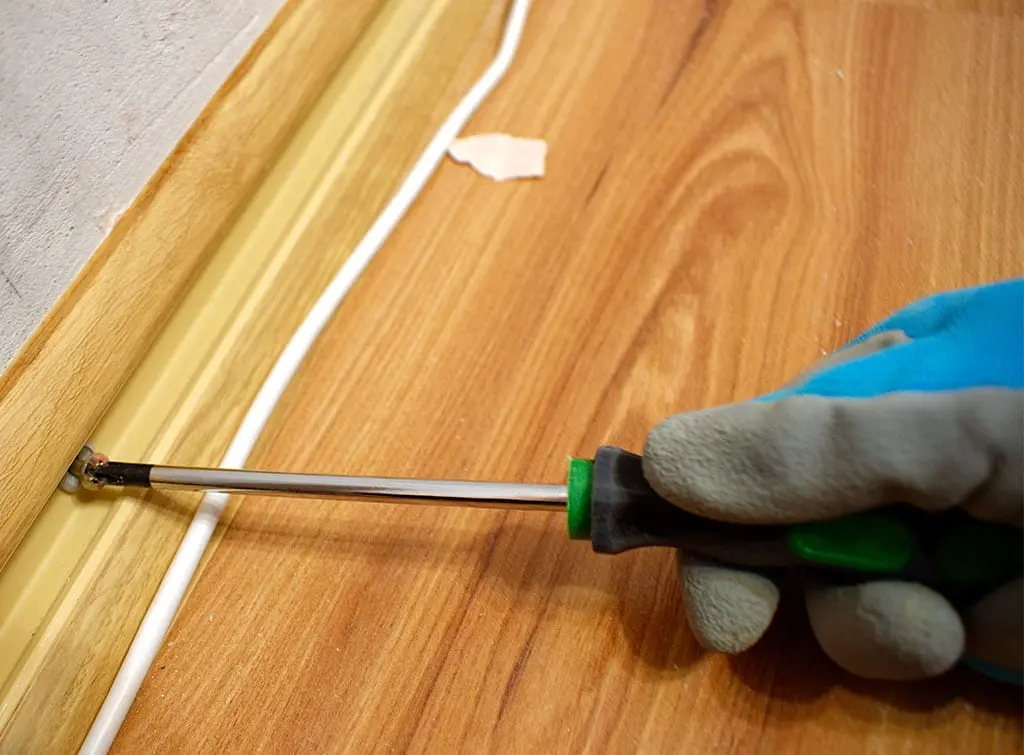
Benefits of skirting board heating
It's easy to see why skirting board heating is popular. As well as being easier and cheaper to fit than other types of heating systems, it has a number of benefits, such as:
It saves space otherwise taken up by radiators or heaters
It reduces your energy bills by distributing heat evenly around the room
It's eco-friendly thanks to less heat lost
It's easy to clean, unlike radiators, which tend to trap dust and dirt
It works well with all kinds of different floor types
It's easy to retrofit in older homes, without removing furniture or ripping up floors
It helps prevent your walls from developing mildew and damp
What are the downsides of skirting board heating?
Skirting board heating isn't right for every home. In very large or open-plan rooms, the heat can struggle to reach all corners, leaving cold spots. And in older properties with draughty skirting runs, efficiency drops.
Wet systems need a plumber and connect to your existing boiler, so they take longer to install than a simple radiator swap.
Electric dry systems are quicker to fit but more expensive to run day-to-day, especially as energy prices rise.
You may also find:
There's a higher upfront cost compared to a simple radiator swap
It's less effective in very large or open-plan rooms
Wet systems need a plumber and are more disruptive to install
Electric systems can cost more to run compared to gas-connected wet systems
Not all homes are suitable - older properties with uneven floors or draughty skirting runs can be less efficient
Will skirting board heating work well in every room?
Skirting board heating works best in rooms with good insulation and a complete perimeter of skirting boards. Rooms that are very large, open-plan, or draughty around the skirting may not heat as evenly.
Like underfloor heating, skirting board heating operates at a lower temperature than radiators. But because it's placed around the outside of your rooms, it can be difficult for the heat to reach all areas of a very large space. This can leave some colder pockets.
Skirting board heating is more suited to newer homes. In older properties, draughts along the edges of the room are common and can reduce the efficiency of your system.
Not sure whether skirting board heating is the right choice for your home? If you're thinking about a wider overhaul, read our guide to planning a new central heating system first.
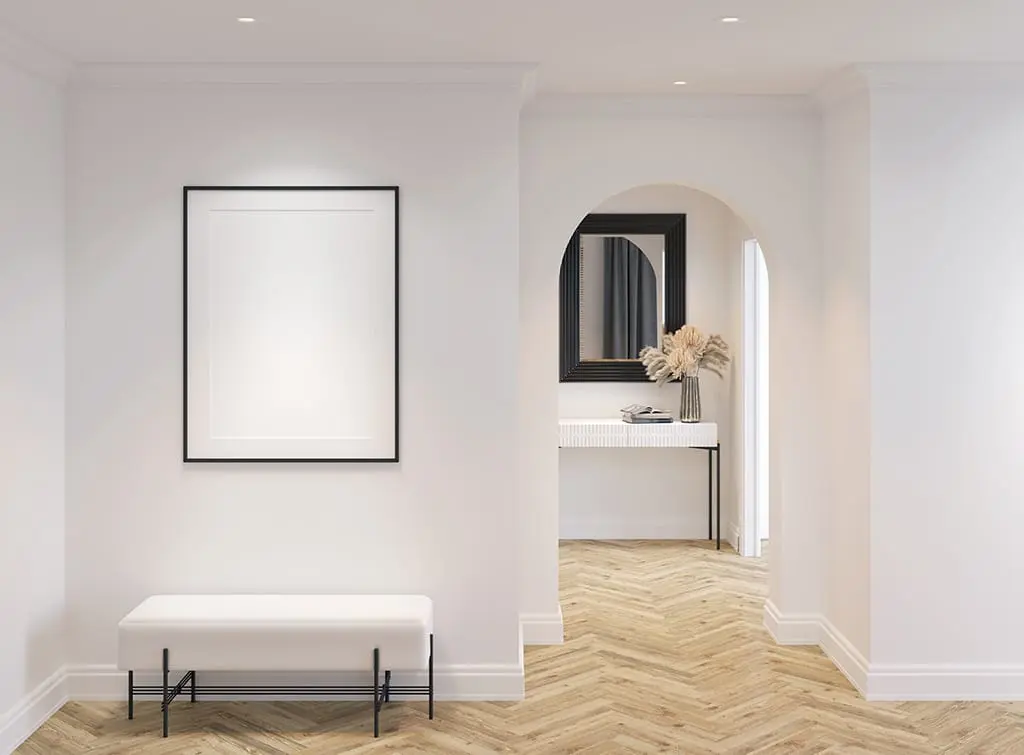
Is skirting board heating worth it?
For most homes, skirting board heating is worth it. It costs less to install than underfloor heating, takes up no space, and can reduce heating bills over time.
It's also quick to install with minimal disruption and proves its worth over time as it works to free up space in your rooms.
On the other hand, it may not be worth it if your home is very large, open plan, or poorly insulated. If you're replacing a single radiator on a tight budget, a straightforward radiator swap would cost far less upfront.
How to find a heating engineer to install skirting board heating
Finding a heating engineer for skirting board heating is easy with Checkatrade. We check and verify our members, so all the tradespeople in our directory meet our standards.
Enter your postcode into our search tool to get started. You can browse the tradespeople who offer skirting board heating installation in your area, compare your options, and start gathering quotes.
Find trusted heating engineers near you

You can also use our quick and easy request a quote feature and we'll get experienced local tradespeople to contact you directly - or download the Checkatrade app to get started.
Before you request quotes, have the following ready:
Measurements of each room you want heated (perimeter in metres)
The type of system you prefer (wet or electric dry)
Your boiler type, age, and whether it's a combi or system boiler (relevant for wet systems)
Any rooms with access challenges, such as built-in furniture or awkward corners
Your preferred timeline and whether you need multiple rooms done at once

Skirting board heating cost checklist
Use this checklist to make sure you're ready to get quotes for skirting board heating installation.

Skirting board heating cost checklist
Skirting board heating cost FAQs
No - skirting board heating is generally cheaper to install than underfloor heating, particularly as a retrofit. You don't need to lift floors or lay new floor coverings, which makes it easier and cheaper to install.
Wet skirting board heating uses water pipes connected to your boiler, carrying hot water behind the skirting to heat the room. Dry (electric) skirting board heating uses cables instead, controlled by an electric thermostat. Wet systems are usually cheaper to run, though dry systems are quicker to install.
No. Skirting board heating typically costs less to run than traditional radiators because it distributes heat evenly with minimal heat loss. A wet system connected to a gas boiler is the most economical option.
Yes, for the right home. Skirting board heating works well in rooms with complete skirting runs and good insulation. It heats up quickly, is discreet, and can reduce energy bills. However, it's less effective in very large or draughty rooms where heat can escape before it circulates.
The main downsides are that it's less effective in large or open-plan rooms; older draughty homes may lose efficiency; wet systems take longer to install than a radiator swap; and electric systems can cost more to run than a gas-connected wet system.
ThermaSkirt and similar skirting board heating systems typically cost more to install upfront than standard radiators, but they can work out cheaper over time through lower running costs and energy savings.
Yes, they're considered energy efficient. Heated skirting boards distribute warmth evenly around the edges of a room at lower operating temperatures than traditional radiators, which reduces heat loss. Wet systems connected to a modern condensing boiler or a heat pump are particularly efficient.

Need any help planning your central heating? From costs and maintenance tips to user guides and tips for being economical, we know you want a job done right.
See the tradespeople we've checked for your job