EXPERT ADVICE
Why is my bathroom fan not working?
Updated 07/26
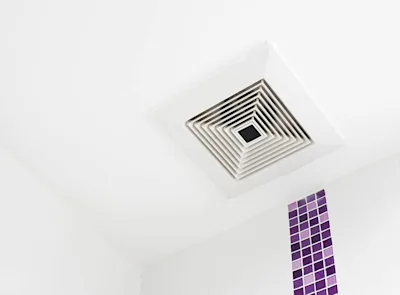
A bathroom fan does an excellent job of extracting warm, moist air through ducting to the outside through a vent.
That is, until it stops working, and lingering condensation and a build-up of mould start to appear.
Read on to find out what's likely gone wrong with your bathroom fan, what you can check yourself, and when it's time to call in the professionals.
Why bathroom extractor fans stop working
How to quickly test whether your fan is actually broken
Which faults you can check yourself - safely
When the fan needs replacing versus repairing
How to prevent mould and condensation while you sort it
When to call in an electrician
Find checked and reviewed tradespeople in your area
Why has my bathroom fan stopped working?
The most common causes of a bathroom fan not working include:
Power supply - A blown fuse, tripped circuit breaker, or loose connection can cut power to the fan entirely. This is one of the first things to rule out
Blocked vent - There might be something blocking your vent's airflow, like dust, debris or even a bird's nest
Burned-out motor - Humidity and dust can cause a fan's motor to burn out; this cannot be fixed and needs a like-for-like replacement
Wiring Issues - Damaged or improper wiring can disrupt your fan's electrical connection
Seized or worn fan blades - Moisture passing through the fan can cause the blades to seize up, especially in an older unit. If the fan makes a rattling or grinding noise when running, this is likely the problem
Age and general wear - A bathroom fan typically lasts 10-15 years
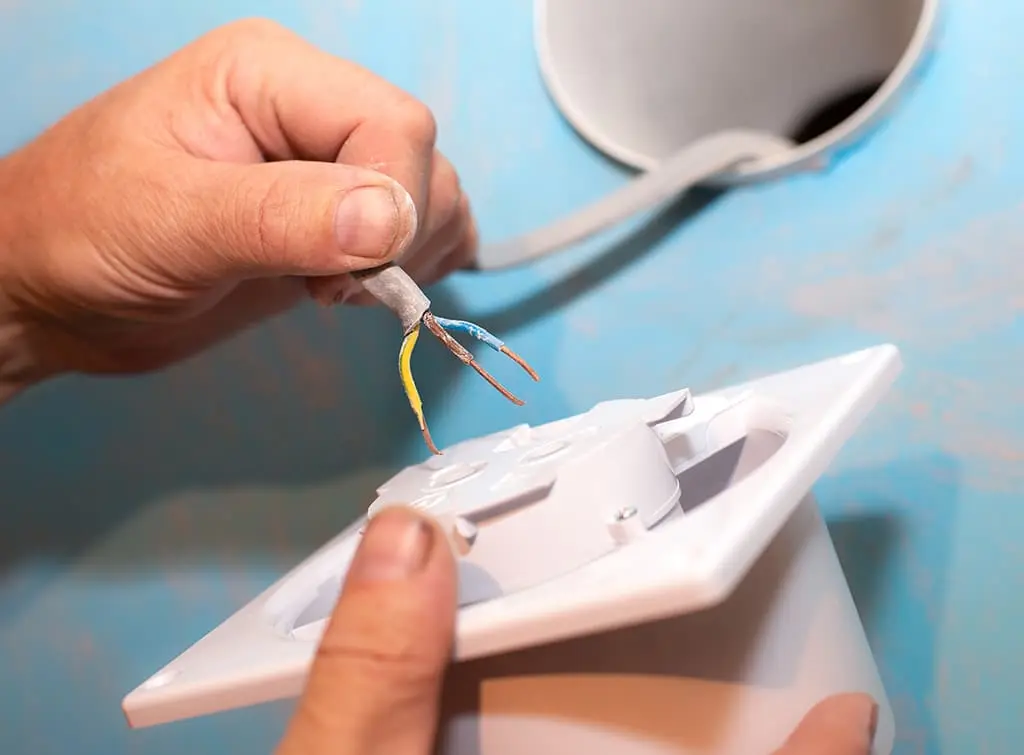
Bathroom fans are connected to the electrical system. Do not investigate wiring faults yourself without electrical experience, and always switch off the power first.
How do you test if a bathroom fan is working?
Before calling anyone, try this quick test.
Turn the fan on and hold a square of toilet paper against the grille. If the paper is drawn firmly to the fan and holds in place, it's extracting properly. If it falls away or barely moves, airflow is poor, or the fan isn't working at all.
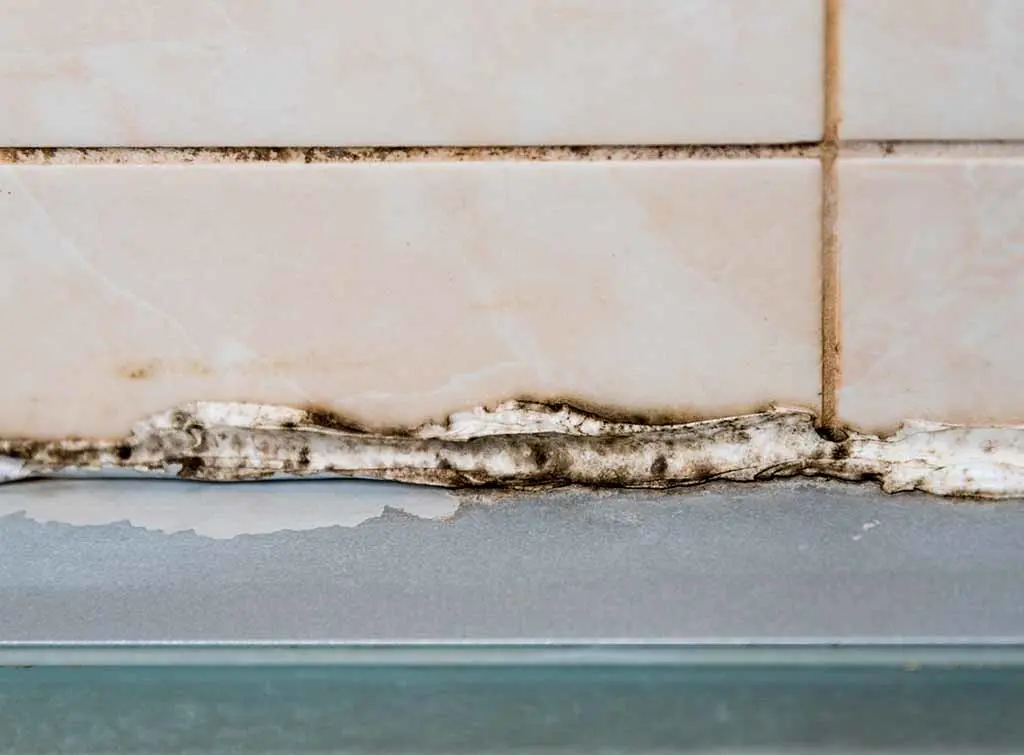
Mould build-up on ceilings, walls and tile grouting is another sign your bathroom fan isn't doing its job.
What can I check myself?
The good news is, there are a few safe, non-electrical checks you can carry out before calling an electrician.
1. Check the power supply first:
Look at your fuse box (consumer unit) for any tripped circuit breakers. Reset any that have tripped and see if the fan comes back on. If the breaker trips again immediately, there's likely a fault that needs an electrician.
2. Look for visible blockages:
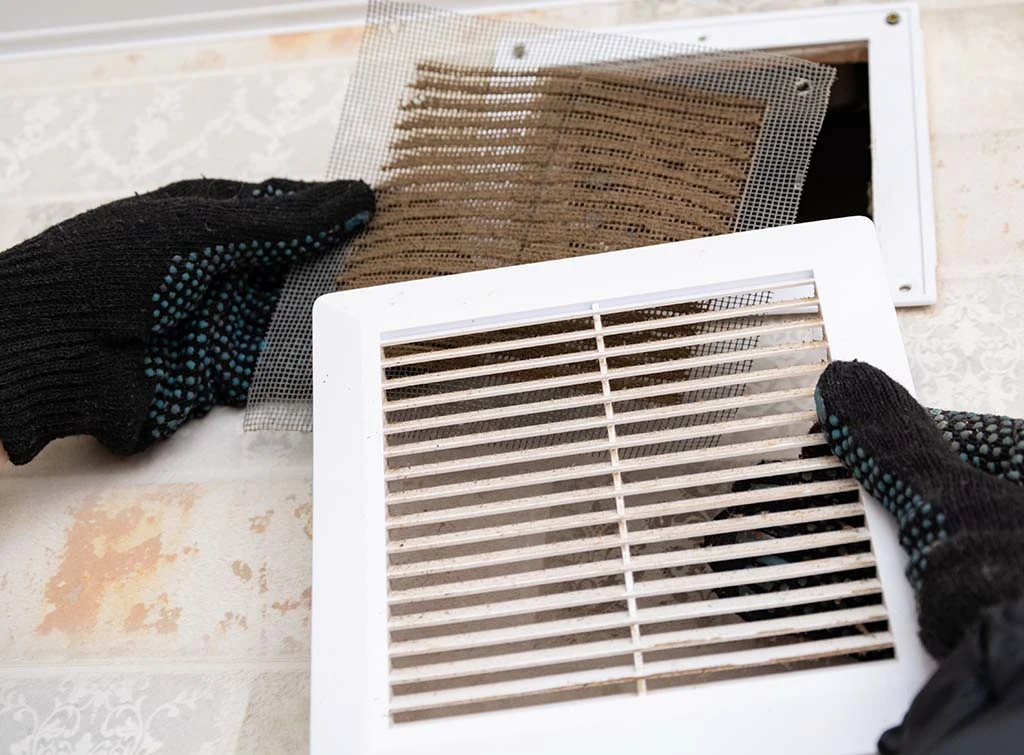
If your fan cover is accessible, you can remove it (with the power off) and check for obvious dust or debris build-up. Clean the fan cover and visible blades with warm, soapy water and a soft brush.
3. Clean the external vent:
Go outside and check that the vent flap isn't obstructed by leaves, bird activity, or a build-up of grime. A weatherproof vent cover with a moveable flap can become stuck shut over time.
Clean your bathroom extractor fan every three months to prevent dust and grease build-up, which strains the motor and shortens the fan's life. Remove the cover, soak it in warm soapy water, and let it dry completely before refitting.

How to clean your extractor fan
How often do you think to clean your extractor fan? We think that this is one of the most overlooked household jobs, but you need to make it a must-do.
What not to do:
It's also important to understand the jobs that you shouldn't attempt:
Testing wiring
Reconnecting cables
Dismantling the fan housing beyond removing the cover
Bathrooms are classified as a special location under electrical regulations, meaning any electrical work - including replacing the fan unit - should be carried out by a qualified electrician.
Find local electricians near you
Download our free mobile app to connect with qualified electricians covering your local area.


How much does an extractor fan replacement cost?
On average, a replacement extractor fan costs £200 (supply and fitting).
That said, costs vary depending on the type of fan, the complexity of the installation, and whether any ductwork needs attention.
For full pricing information, see our extractor fan cost guide below.
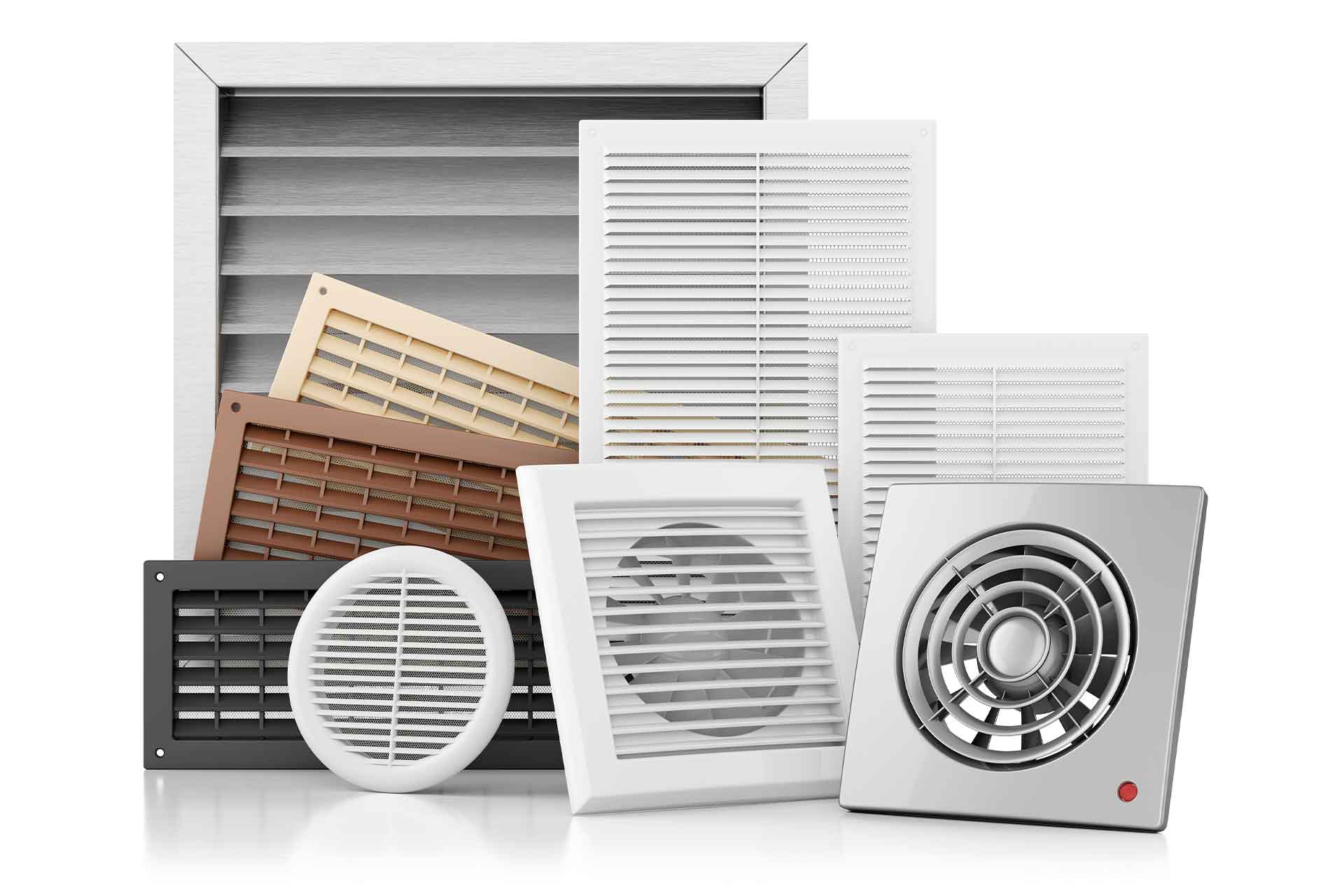
Installing an extractor fan: Cost breakdown 2026
Increase ventilation and prevent damp with our extractor fan installation cost guide. Learn about different fan types, cost factors and replacement vs new fans. Including wall, ceiling and window options.
Or try our free interactive cost calculator for an instant estimate.
Job Estimate Calculator

How to stop draughts from your bathroom extractor fan
Most modern fans include built-in backdraft protection.
However, if your fan is older, it can cause problems in winter, when cold air reverses back through the ducting. A few fixes help:
Fit a backdraft damper - a simple flap that prevents reverse airflow when the fan isn't running
Install a weatherproof external vent cover with a self-closing flap
Insulate the ducting in the loft or cavity space to reduce cold air transmission
Check for and replace any worn seals around the fan housing
However, upgrading to a newer model might make more sense. They'll most likely have a timer and overrun functions, which often solve the draught problem as a byproduct.
Repair or replace a bathroom fan?
Whether or not it makes more sense to repair or replace a bathroom fan depends on what's gone wrong.
Replacement is best if:
The fan motor has burned out
The blades have seized
The unit is old and inefficient
Decided it's time for a replacement? Our extractor fan buying guide takes you through all the different options - and explains why getting the right size fan for your bathroom matters.
Repair is best if:
The issue is a blocked vent (could be just a straightforward cleaning job)
There's a wiring fault: an electrician can usually diagnose and fix it without replacing the unit at all
When to call an electrician
Call a qualified electrician for a bathroom fan repair or replacement if:
The circuit breaker trips when the fan is switched on
The fan makes no sound and shows no sign of life despite the power being on
You notice burning smells or scorch marks around the fan or its wiring
The fan runs continuously and won't switch off
You're replacing the fan unit (this involves working in a bathroom electrical zone)
You want to upgrade to a more powerful or feature-rich model
Remember, bathrooms are a special location under BS 7671 (the UK wiring regulations). Electrical work in zones around baths and showers must be carried out by a qualified, competent electrician - it's not a DIY job.
Find an electrician near you today to get help with your broken bathroom fan.
Find a local tradesperson

On Checkatrade, you'll only find trades who meet our high standards and pass up to 12 checks.
Why use Checkatrade?
Checked - Every Checkatrade member must pass up to 12 checks and commit to upholding the Checkatrade Standard
Guaranteed - Jobs booked through Checkatrade are covered up to £1,000 (T&Cs apply)
Reviewed - Over 6.2 million verified reviews
Before the electrician arrives - a quick checklist

Bathroom fan - what to check first
Frequently asked questions
A good-quality bathroom extractor fan typically lasts 10-15 years, though this varies with usage and maintenance. Regular cleaning extends the life significantly. If yours is approaching that age and starting to underperform, replacement is likely the most cost-effective option.
The physical installation (i.e, removing the old unit and fitting the new one) may seem straightforward, but any work in a bathroom that involves connecting to or disconnecting from the electrical supply must be carried out by a qualified electrician. Bathrooms are a special location under UK wiring regulations.
Rattling usually indicates fan blades have accumulated debris, have become loose, or are beginning to seize. It can also suggest the motor is failing. Turn the power off, remove the cover, and check whether the blades are obstructed. If cleaning doesn't resolve it, the unit likely needs replacing.
The most common cause for a bathroom fan not extracting is a blocked or disconnected duct. The fan blades may be turning while the airflow is obstructed somewhere in the ducting run. Check the external vent for blockages. If the ducting itself is the problem, an electrician or ventilation specialist should investigate.
Some fans are wired to operate independently via a separate switch, a pull cord, or a humidity sensor (humidistat). If yours is currently linked to the light switch but you'd prefer independent operation, an electrician can rewire it.
To unblock a bathroom extractor fan, take the following steps:
Turn off the power
Remove the fan cover
Check for dust and debris build-up
Soak the cover in warm, soapy water - adding bicarbonate of soda helps cut through grease
Clean the inside of the unit with a soft brush
Let everything dry completely before refitting
For deeper blockages in the ducting, a ventilation specialist may be needed.
If your bathroom fan keeps tripping the electrics, this points to an electrical fault - either in the fan's wiring or in the unit itself. Don't keep resetting the breaker. Switch off the fan's isolator (if fitted) and call an electrician to investigate.
A fan with an overrun timer continues running for a set period after you leave the bathroom, removing the remaining moisture before it condenses on walls and ceilings. Under building regulations, fans in bathrooms without natural ventilation must have this feature.

Need wider bathroom electrical help? Whether it's advice on bathroom lighting or a full ventilation review, Checkatrade has got it all ticked off.
See the tradespeople we've checked for your job