EXPERT ADVICE
Bathtub not draining? Causes and fixes explained
Updated 07/26
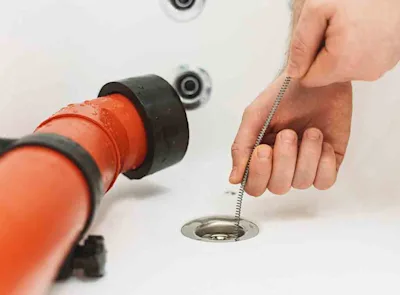
By: Wendy Reynolds
Reviewed: Alex Peters
Is your bathtub not draining as quickly as it should? Is the bathwater not draining at all? Let us help you to fix the problem. Read on to learn everything you need to know about unblocking a slow draining bathtub.
Why your bath is draining slowly or not at all
How to tell whether the blockage is near the drain or deeper in the pipes
Six DIY fixes to try before calling a plumber
What a faulty drain stopper looks like and how to spot it
When to stop DIYing and call a professional
How to prevent slow drains from coming back
There's nothing relaxing about stepping out of the bath and finding yourself standing in a puddle of lukewarm water.
A slow or blocked bathtub drain is one of the most common household plumbing problems - and in most cases, it's something you can fix yourself without specialist tools.
This guide walks you through the likely causes, the fixes worth trying at home, and the signs that it's time to call in a vetted plumber.
Find a plumber near you
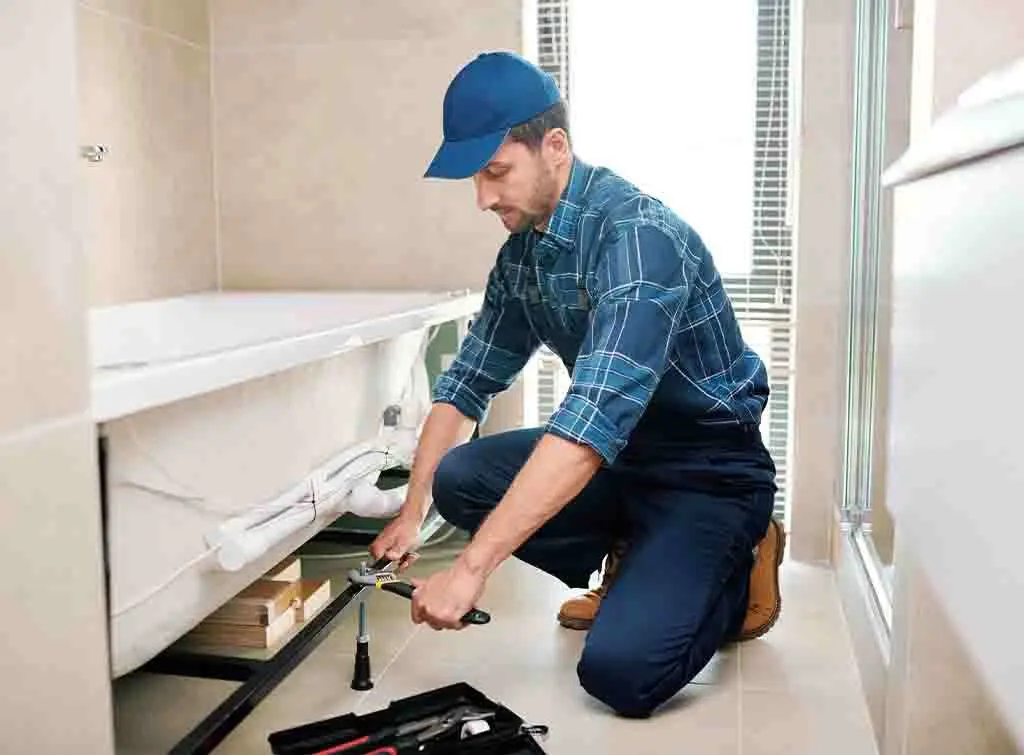
Why is my bathtub not draining?
In the vast majority of cases, a blocked bathtub comes down to one thing: something is clogging the drain or the pipes beneath it.
But it's worth understanding exactly what that something is, because the right fix depends on the cause.
Hair
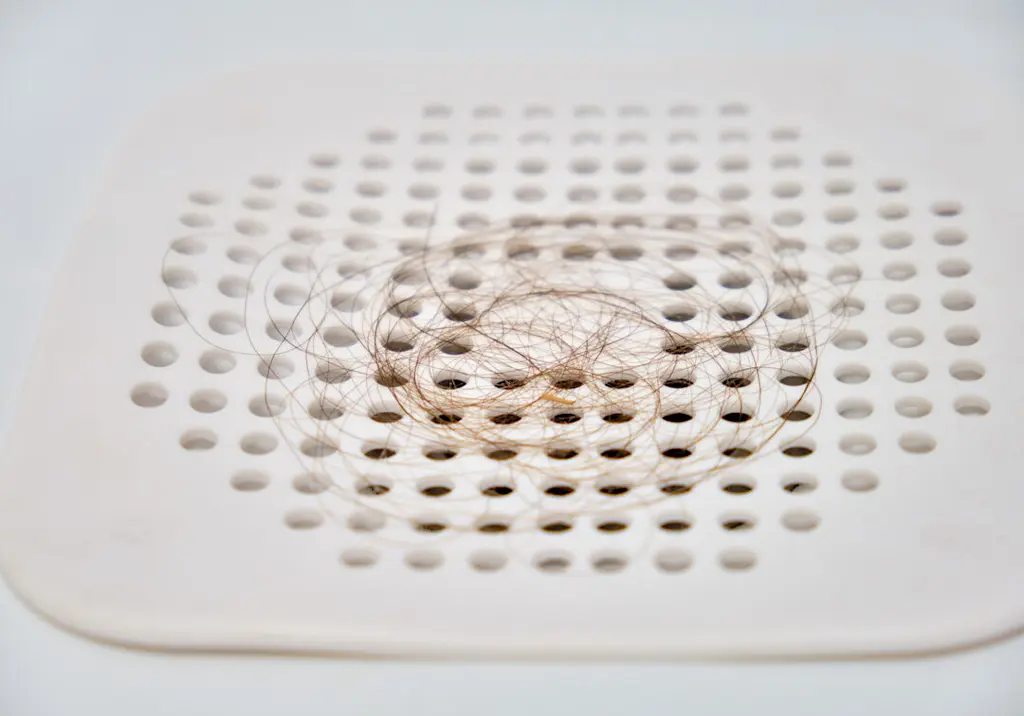
Hair is the number one culprit. Over time, loose strands clump together in the drain trap and pipes, catching soap residue, dead skin cells, and other debris along the way.
The blockage grows gradually, which is why you might not notice a problem until drainage has become very slow or stopped altogether. Long-haired households are especially prone to this.
Soap scum
Soap residue coats the inside of pipes and slowly narrows the passage water needs to flow through. On its own it might not cause a full blockage - but combined with hair, it cements the problem.
Hard water and limescale
If your home is in a hard water area, minerals like calcium and magnesium can build up inside your pipework over time. This limescale narrows the internal diameter of the pipes and can cause persistent slow drainage even when there's no visible blockage.
Foreign objects
Small toys, bottle caps, hair clips, and wipes can all end up in the plughole - especially in family bathrooms. These can cause sudden, complete blockages rather than the gradual slowdown you get from hair and soap.
A faulty drain stopper
If the bath is draining slowly but there's no obvious blockage, the drain stopper could be the culprit. The stopper is connected to a lever mechanism behind the overflow plate (the round metal plate set into the bath wall, below the taps).
If the lever gets stuck in a closed or partially closed position, it prevents the drain from fully opening.
Old or corroded pipes
In older properties, pipework can corrode or narrow over time, making drainage sluggish regardless of what goes down the drain.
If your bath has always drained slowly since you moved in - and other drains in the house are also slow - this could be worth investigating with a drain specialist.
If your shower, sink, and bath are all draining slowly at the same time, the blockage is probably further down the shared drainage system - not at the bath drain itself. That's a job for a drain clearance specialist rather than a DIY fix.

Slow draining sink: causes and how to fix it
There are a few culprits of slow draining sinks. To tackle this common household problem, follow along. We dive into why your sink is draining slow, so you know how to fix it.
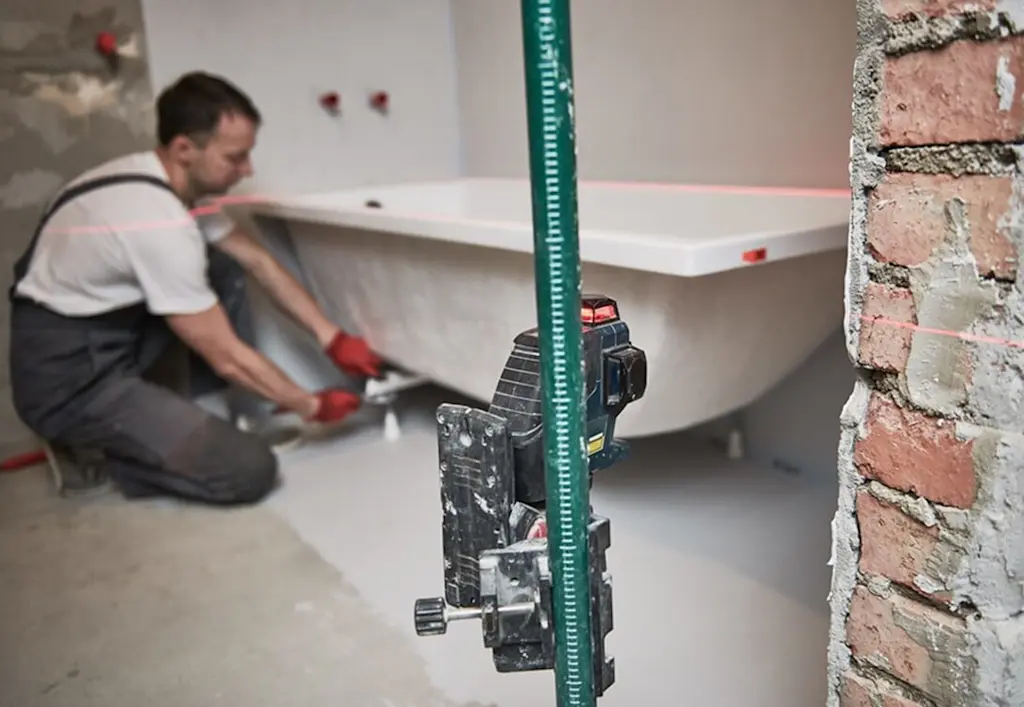
How to fix a bathtub that won't drain
Start with the simplest fix and work your way down. You don't need any specialist tools for most of these methods - just patience and a pair of rubber gloves.
1. Remove visible hair from the plughole
Before reaching for any products, have a look down the plughole.
Put on rubber gloves and use your fingers or a bent wire coat hanger to pull out any hair or debris sitting in or just below the drain. This alone solves the problem more often than you'd think.
2. Try boiling water
For minor blockages caused by soap scum or grease, boiling water can be surprisingly effective. Boil a full kettle, let it cool for a minute or so, then pour it steadily down the drain in stages.
One important note: if your plumbing uses plastic pipes, use hot rather than freshly boiled water to avoid any risk of softening or warping the pipe.
3. Baking soda and vinegar
If boiling water alone doesn't clear it, a baking soda and vinegar solution can help break down stubborn soap and grease build-up.
n.b. This method only works once the standing water has drained away (even slowly) - it won't work if the bath is still full.
Steps:
Pour one cup of baking soda down the drain
Immediately follow with one cup of white vinegar
The two will react and fizz - this is normal and that's the point
Leave it for 15-30 minutes without adding anything else
Flush with hot (not boiling) water to rinse everything through
4. Use a plunger
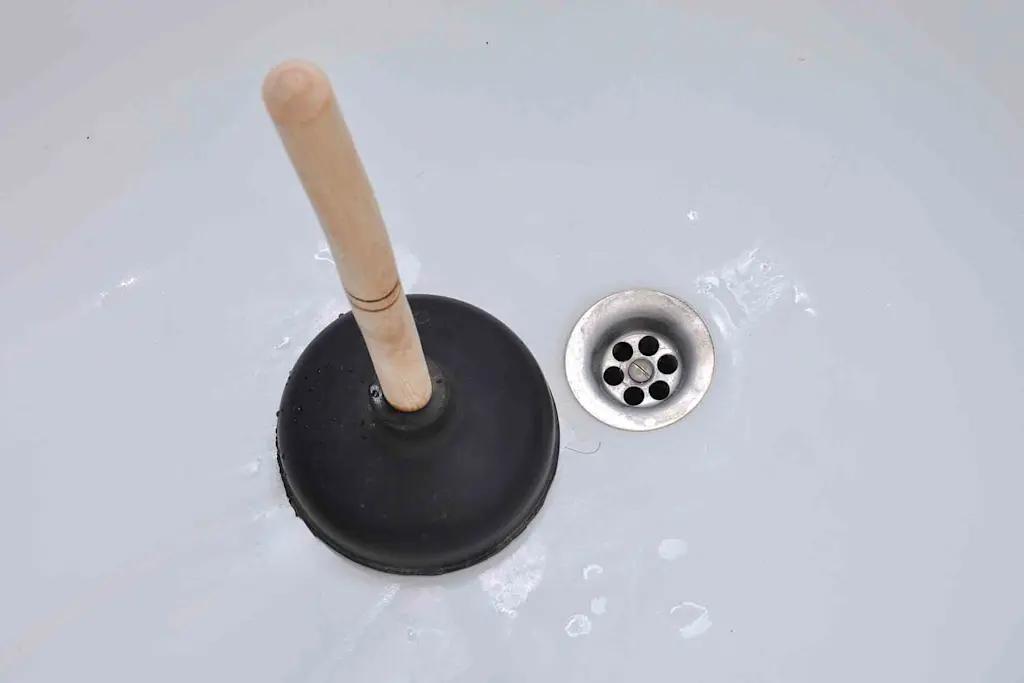
A plunger is ideal when there's standing water in the bath. Make sure the plunger cup fully covers the plughole to create a proper seal, then push down and pull up firmly several times in a row.
Before you start, block the overflow opening with a damp cloth or your hand - this helps direct the suction force downward into the blockage rather than letting air escape through the overflow.
It may take several rounds of plunging to shift a stubborn clog.
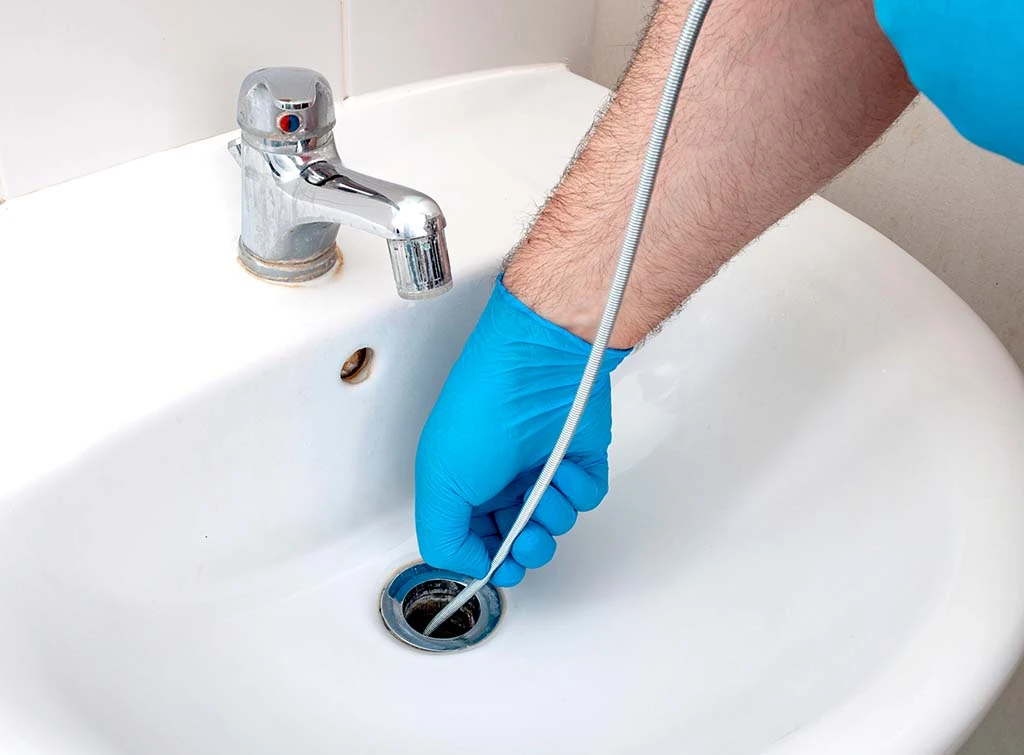
5. Try a drain snake
If plunging hasn't worked, a drain snake (also called a plumber's auger or drain rod) can reach deeper into the pipe to physically break apart the blockage.
Feed the flexible cable into the plughole, push it down until you feel resistance, then twist and push to break up the debris.
Pull the snake back out slowly and rinse the drain with hot water once you're done.
Drain snakes are available from most DIY stores for under £20. If you're dealing with repeat blockages, it's worth having one in the house.
6. Chemical drain cleaners
Shop-bought drain unblockers can dissolve hair and soap scum effectively - but use them as a last resort. The chemicals involved can irritate skin and eyes, and frequent use can damage older pipework.
Always follow the product instructions carefully, ventilate the bathroom, and keep children away.

We check the reviews on Checkatrade are from real people, and that trades meet our high standards.
Bathtub draining slowly but not blocked - what's going on?
If you've checked for visible blockages and tried the fixes above without success, the problem might not be a blockage at all.
Faulty drain stopper
The stopper mechanism sits behind the overflow plate on the bath wall. Remove the overflow plate (usually two screws) to access the lever and stopper. Check that the lever moves freely and isn't jammed in a closed position. This is a fiddly job and one where calling a plumber is often the sensible call.
Corroded or narrowed pipes
Old pipework can slow drainage gradually over years without any single obvious blockage. A drain specialist can inspect the pipes with a CCTV drain camera to identify the issue - and can reline or clear the pipes as needed.

Gurgling drain: why it happens and how to fix it
Is your drain making a gurgling sound? Here, we'll explore the cause and our expert tips on how to deal with it.
When to call a plumber or drain specialist
DIY fixes work well for most straightforward blockages. But there are times when calling a professional is the right move:
The bath still won't drain after trying all of the above
Blockages keep coming back every few weeks
Multiple drains in the house are slow at the same time
There are gurgling sounds or bad smells coming from the drain
You notice water backing up or pooling around the bath
You suspect a problem with the drain stopper mechanism or old pipework
A checked and well-reviewed plumber can diagnose the issue and clear it quickly. For blockages further down the system, a drain clearance specialist may use high-pressure water jetting or CCTV equipment to find and fix the problem properly.

Not sure whether you need a plumber or someone with more specialist drainage expertise? Our guides can help you work out who to call and what to expect to pay.
How much does it cost to unblock a bath?
For cost guidance on drain unblocking and plumber call-out fees, take a look at our drain unblocking cost guide and our plumber cost guide.
Alternatively, why not try out our dedicated pricing tool? Based on real job data from our tradespeople.
Job Estimate Calculator

How to prevent your bathtub drain from blocking again
Clearing a blocked bath drain is satisfying - keeping it clear is even better. A few simple habits go a long way.
Use a hair catcher
A drain cover or hair trap sits over or inside the plughole and catches hair before it can get into the pipe. Empty and rinse it after every bath. They cost very little and save a lot of effort.
Flush the drain weekly
Once a week, pour hot water down the drain to wash away soap and product residue before it has a chance to build up.
Monthly baking soda and vinegar treatment
A quick baking soda and vinegar flush once a month - even when there's no blockage - helps keep pipes clear.
Be careful with bath products
Bath oils, thick conditioners, and bath bombs leave behind residue that coats your pipes. If you use them, follow up with a good hot water flush.
Don't pour grease or oil down the bath drain
It solidifies in the pipes.
Install a hair catcher and your bath drain is much less likely to ever block again. It's the single most effective preventive measure for most households.
Finding a plumber you can trust
On Checkatrade, you'll only find trades who meet our high standards and pass up to 12 checks.
Whether it's a stubborn bath blockage, a problem further down the drainage system, or a faulty stopper mechanism, a vetted plumber or drainage specialist can sort it quickly and properly.
Find a local plumber
Enter your postcode to find a top tradesperson near you
Highgate Heating and Plumbing Ltd
10.00
(542 reviews)Services & skills
PlumberGeneral PlumbingPipe FitterUnvented Hot Water Cylinder InstallationBlocked BathsPlumbingHQ
10.00
(2 reviews)Services & skills
PlumberBathroom & Kitchen PlumbingEmergency Plumber ServiceBlocked ToiletsRadiator Thermostat Valve RepairMulti Skills.UK 24/7 Emergency
10.00
(313 reviews)Services & skills
PlumberGeneral PlumbingPower FlushingTap RepairPlumbing MerchantsPro Plumbing Heating & Boilers Ltd
9.97
(336 reviews)Services & skills
PlumberGeneral PlumbingUnderfloor Heating InstallationPower FlushingPipe FitterH2O Services
10.00
(8 reviews)Suggested Services
Tap Replacement£80 / fixtureOutside Tap Installation£120 / jobChelsea Plumbing & Heating
10.00
(267 reviews)Services & skills
PlumberGeneral PlumbingUnderfloor Heating RepairRadiator InstallationEmergency Plumber Service


Bathtub not draining - quick checklist

Before calling a plumber, have you tried...
Bathtub draining FAQs
If there's no visible blockage, the most likely cause is either a faulty drain stopper (the lever mechanism behind the overflow plate) or a gradual narrowing of the pipes due to limescale or corrosion. A plumber can diagnose and fix both.
Bleach can kill bacteria and reduce odours, but it's not particularly effective at breaking down hair or soap scum - the most common culprits. A baking soda and vinegar solution, or a dedicated chemical drain cleaner, will tend to work better.
A bad smell from a drain that's draining normally usually points to bacteria or decomposing debris in the pipe or drain trap. A baking soda and vinegar flush often sorts this out. If the smell persists, it could be a problem with the p-trap or drainage venting - worth getting checked by a plumber.
This depends on the stopper type. Pop-up stoppers operated by a twist button usually unscrew by turning anti-clockwise. Lever-operated stoppers are connected to a mechanism behind the overflow plate - you'll need to remove the plate screws to access it.
Yes, but use them sparingly. Follow the product instructions closely, ventilate the bathroom, wear gloves, and avoid splashing. Frequent use can damage older or plastic pipework over time. Try gentler methods first.
No. A bath that has always drained slowly may have incorrectly installed or insufficiently graded pipework, or pipes that are already partially blocked. A plumber or drain specialist can investigate and advise on the best fix.
Ideally once a week with a hot water flush to stay on top of soap build-up, and a baking soda and vinegar treatment once a month. Installing a hair catcher can reduce buildup significantly.
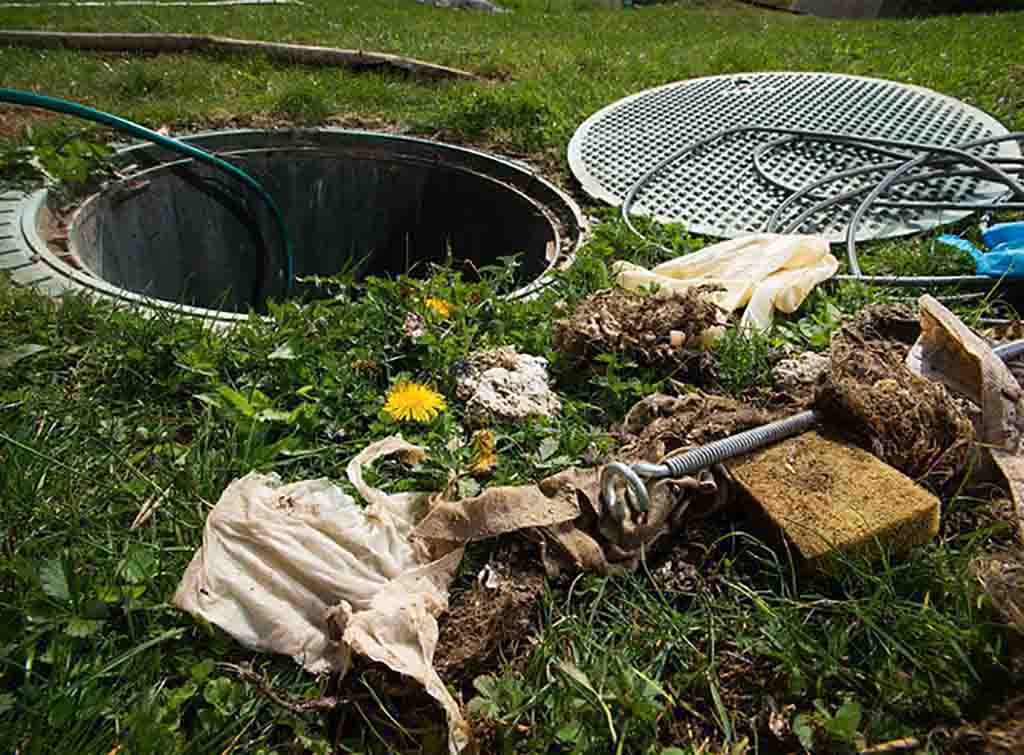
Tree root intrusion is more of an issue with outdoor drainage and main sewer lines than with the internal pipes connected to a bath. If you've exhausted all DIY options and multiple drains are slow, a CCTV drain survey can rule this out.


See the tradespeople we've checked for your job