EXPERT ADVICE
9 tips to banish firework noise and calm your scared animal
Updated 07/26
By: Laura Macdonald
Reviewed: Content Team
Fireworks are one of the most common triggers of fear and anxiety in pets, and while there's no single fix that works for every animal, a combination of home soundproofing, calming aids, and the right in-the-moment approach can make a real difference.
How to reduce firework noise getting into your home
Quick home hacks to create a calmer environment
Species-specific tips for dogs, cats, small pets, and horses
Calming products that genuinely help, and one that doesn't
When it's worth planning ahead with a vet or behaviourist
Longer-term soundproofing options and their costs
Ready to get help? Here's where to start.
Find soundproofing installers near you
How to block out firework noise in your home
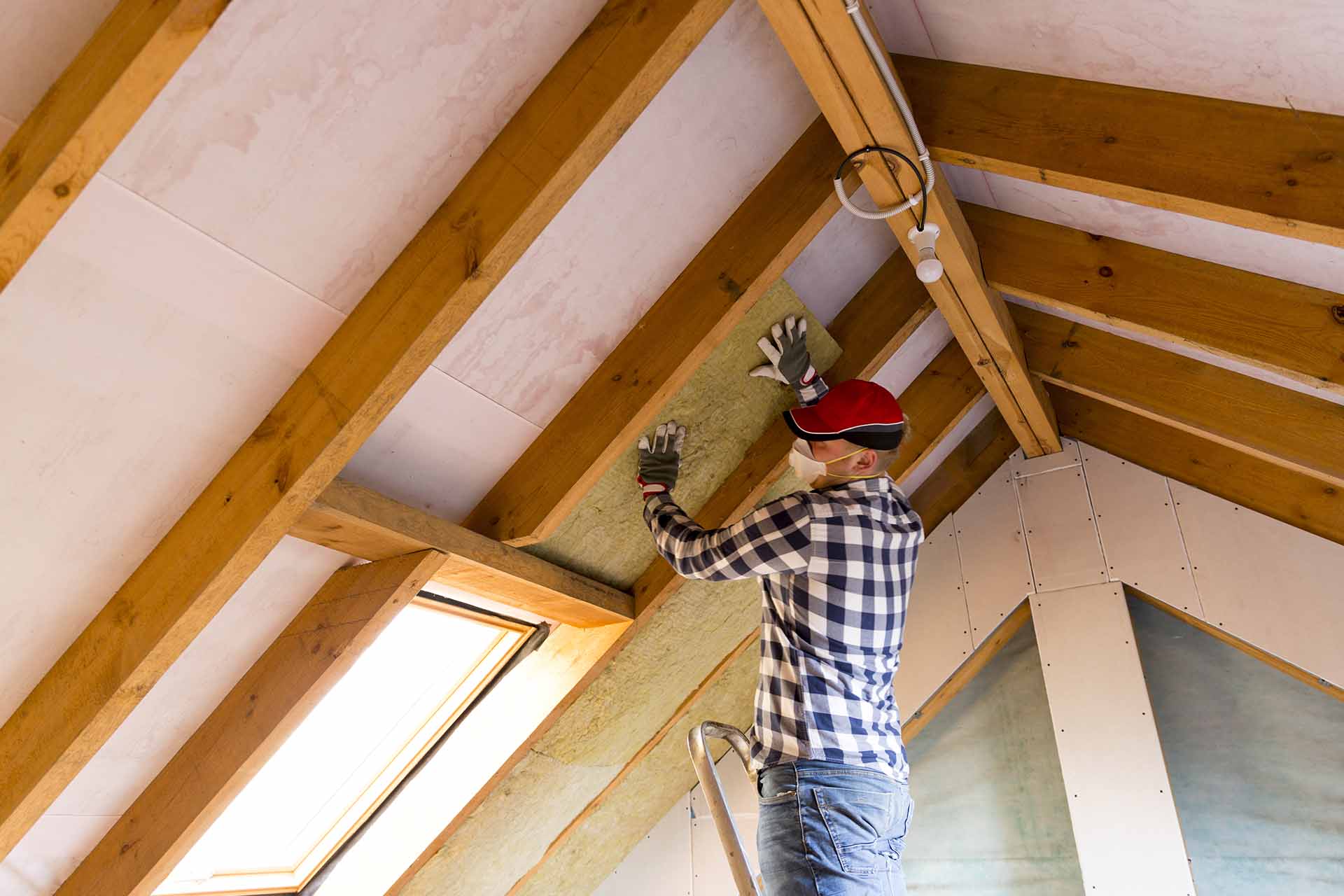
Soundproof a room or your home
A soundproofing specialist can identify whether you're dealing with airborne noise (voices, music, fireworks bangs) or impact noise (footsteps, vibration), since the right fix differs for each.
See our guide on soundproofing your home for the full picture, covering floors, walls, ceilings, and doors.
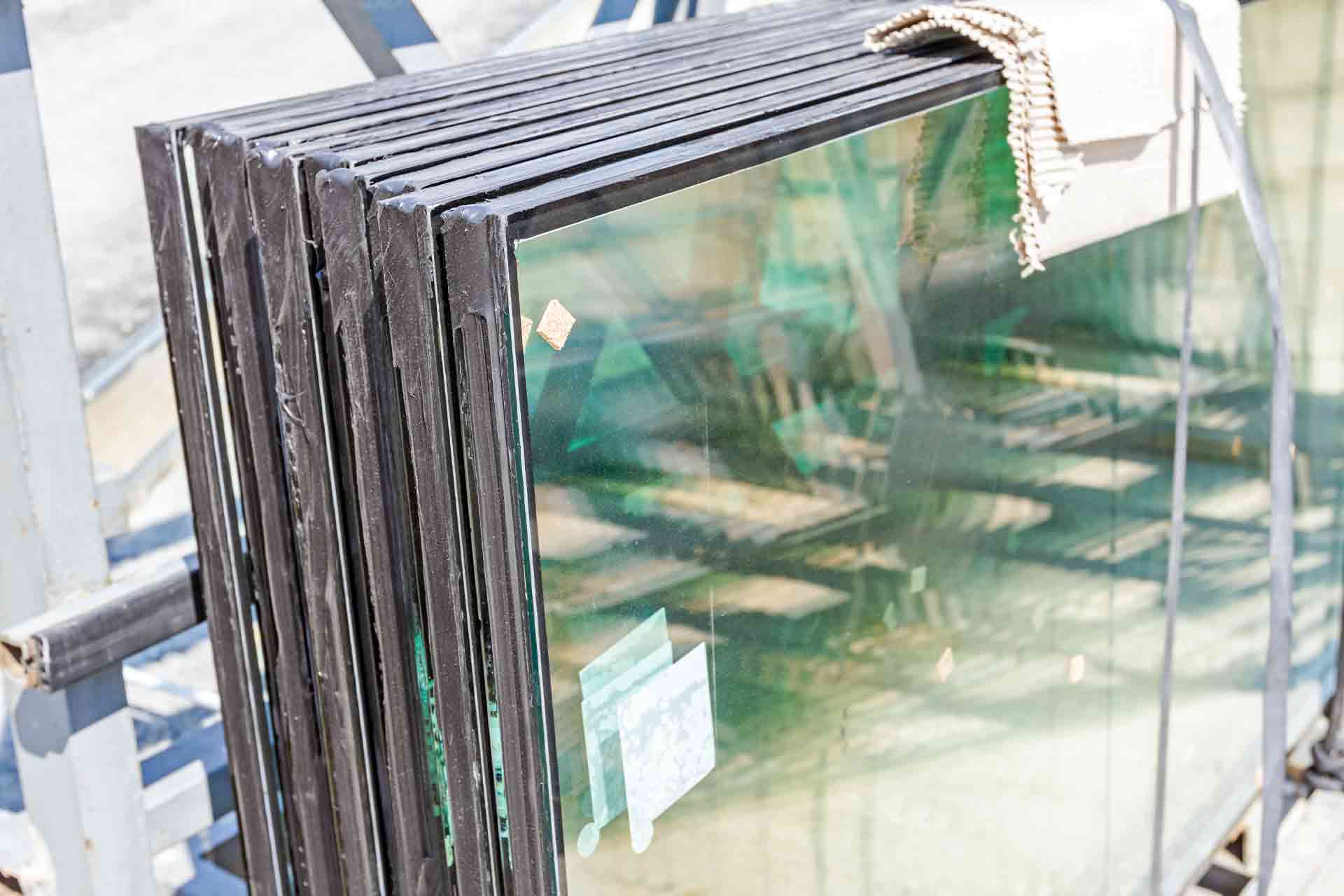
Soundproof your windows
Beyond firework season, soundproofing your windows also cuts noise from busy roads and can add to your home's value.
Options range from secondary glazing (the most affordable route) up to fully replacing casement or sash windows with soundproof versions.
Costs vary considerably by window size and type, so check our soundproof windows cost guide for current pricing, and ask any window fitter about the sound transmission class (STC) rating to make sure you're getting the reduction you actually need.

Soundproof fencing
If noisy neighbours, busy roads, or fireworks disturb your garden as much as your home, soundproof fencing is worth considering. Wood, concrete, and metal are the most common options, generally following the rule that thicker, denser panels cost more but block more noise. Our soundproof fence cost guide has current pricing.

Soundproofing helps with the noise, but a dedicated safe space matters just as much. A dog kennel built as an indoor retreat can double as a permanent den, not just a firework-night fix.
Reducing the impact of garden fireworks
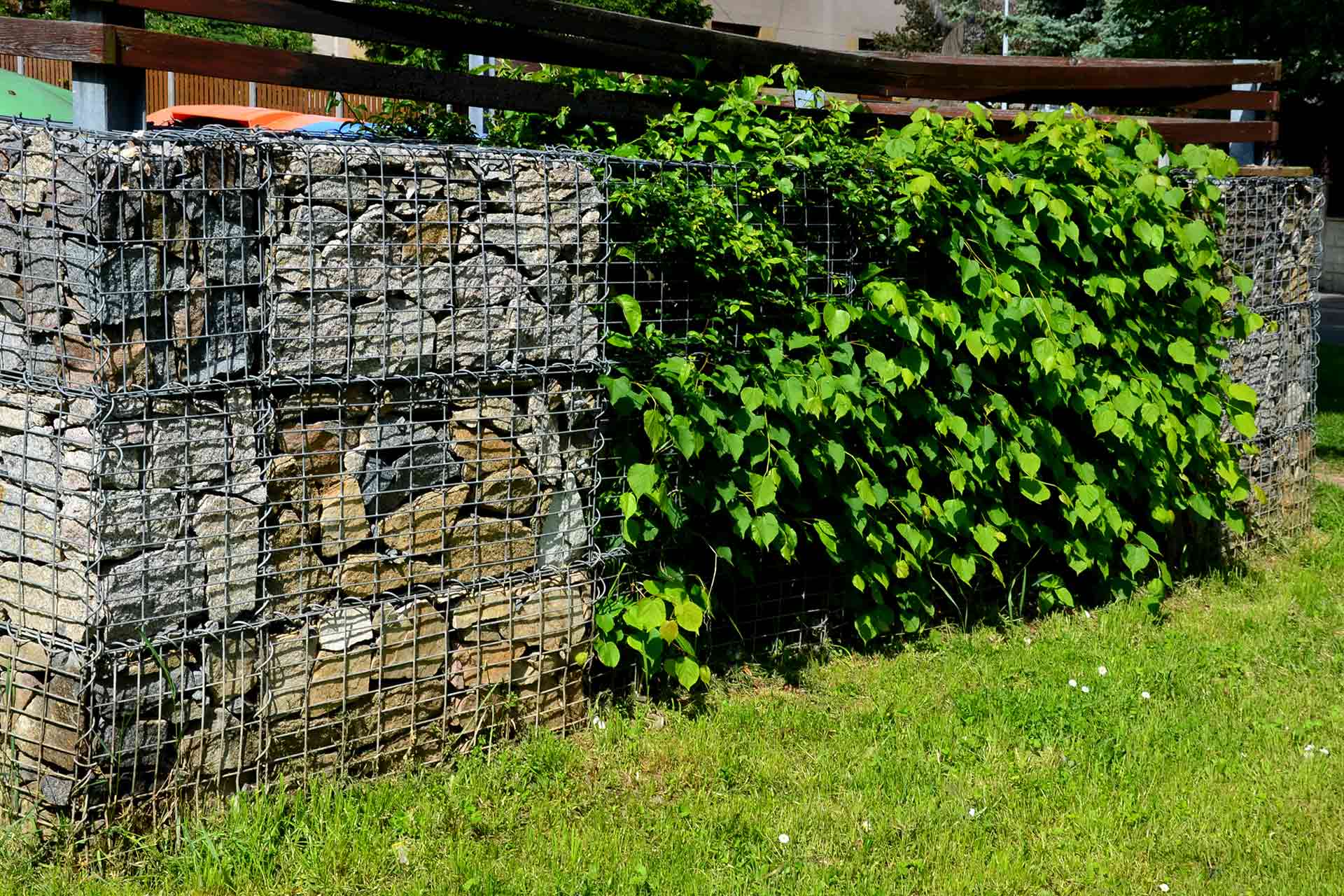
Garden screening to reduce noise and increase privacy
Thick bushes and tall trees, which reduce noise pollution while adding greenery and biodiversity
An indoor safe space, rather than an outdoor kennel, specifically for firework nights
Asking neighbours to consider quieter, low-noise fireworks, which are increasingly available
Quick home hacks to calm your scared animal
Invest in soft furnishings
Hard surfaces bounce sound around a room. Thick rugs and soft furnishings absorb it. This takes the edge off sudden bangs.
Install curtains or blinds
Blackout curtains or heavy fabrics like velvet reduce both light and noise. See our curtain and blind fitting cost guide if you need this sorted before firework season.
Make a cosy den
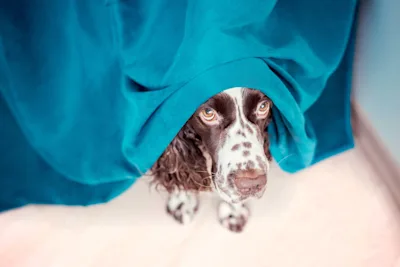
Dogs and cats often appreciate a covered retreat. Blankets over a side table or crate, filled with familiar bedding, work well for many animals.

On Checkatrade, you'll only find trades who meet our high standards and pass up to 12 checks.
Calming products that can genuinely help (and one that doesn't)
Pheromone diffusers (such as Adaptil for dogs or Feliway for cats) release a synthetic version of naturally calming pheromones and are widely recommended by vets as a low-risk option worth trying, ideally plugged in for some time before firework season starts rather than on the night itself.
Calming treats and supplements can help animals with mild to moderate anxiety, and are designed to promote relaxation without sedating your pet.
What to avoid: don't reach for a sedative, whether human medication, an old prescription, or anything not specifically prescribed by your vet for this purpose. Sedatives can make an anxious animal appear calmer on the outside while they're still just as frightened internally, simply less able to move away from what's scaring them. That's worse for their welfare, not better. If your pet's anxiety is severe, speak to a vet about genuine anti-anxiety options, which work differently to sedation and need to be given well before the noise starts to be effective.
Planning further ahead
If fireworks affect your pet badly every year, a vet or qualified animal behaviourist can help set up a desensitisation programme. This gradually introduces recorded firework sounds at low volume over weeks or months, well before the season starts. This is genuinely more effective long-term than anything that can be done on the night itself.

Soundproofing a room cost: 2026 UK prices
Wondering how much soundproofing a room costs to cut out neighbour noise or build a home cinema? You're in the right place. Get [year] prices, what affects cost, and how to find a checked soundproofing specialist for a job done right.
Top tips to calm your animal on the night
Dogs
Before dark:
Walk your dog before it gets dark
Feed them before fireworks begin, since stress can put them off eating later
Secure your home and garden, and close windows and curtains
Set up their den in advance
During fireworks:
Don't leave your dog home alone
Distract with indoor games or reward-based training
Turn on the TV or radio to help mask the noise
Let them use their safe space; don't force them out or push them to venture outside
Stay calm yourself; your dog will pick up on your mood, so calm, reassuring behaviour helps
Cats
Keep cats indoors during fireworks
Provide multiple hiding spots around the home; they may choose furniture, a box, or your lap
Smaller pets
Cover half of an outdoor cage, pen, or aviary with a blanket for a soundproofed retreat, keeping the other half visible
Add extra bedding so they can burrow if they want to
Horses
Keep horses in a familiar environment with their usual companion
Check the field is secure
Make sure hay nets are tied securely to avoid tangling
If you stay with your horse, remember a startled horse can be genuinely dangerous; prioritise your own safety too

Before firework season starts
FAQs
The sudden noise and unpredictability triggers a dog's fight-or-flight survival response, an instinctive reaction to a perceived threat rather than a behavioural choice.
Stay with them, offer reassurance, use a familiar den or safe space, distract with games, and mask noise with the TV or radio. Pheromone diffusers can help too, ideally set up in advance.
Only under veterinary guidance. Avoid sedatives specifically, since they don't reduce anxiety: they just reduce your pet's ability to react to it. A vet can advise on genuine anti-anxiety options if needed.
It's harder, but not hopeless. Focus on their safe space, distraction, and calm reassurance on the night, and consider starting a longer-term plan (pheromones, desensitisation) well before next year's season.
See the tradespeople we've checked for your job