EXPERT ADVICE
Electric heating options in 2026
Updated 07/26
By: Laura Macdonald
Reviewed: Content Team
Electric heating is growing in popularity, whether homeowners are reducing their carbon footprint, meeting updated building regulations during a renovation, or simply not connected to the gas network. There's now a genuinely wide range of options, each suited to different homes and needs.
What counts as an electric heating system
The real benefits over gas or oil
The main types available and how they compare
Roughly what each costs to buy, install, and run
Current government grants worth knowing about
Who's qualified to install each type
If you'd like to speak to a professional straight away, use the search tool below before we get into the detail.
Find a heating engineer near you
What is an electric heating system?
An electric heating system uses electricity as its primary energy source to provide heat, and in some cases hot water, for your home. Unlike gas or oil boilers, electric systems don't burn fossil fuels directly. That makes them a lower-carbon option, especially when paired with renewable electricity like solar or wind.
Why consider electric heating?
Environmental impact: electricity can be sourced from renewables, which cuts emissions compared with gas or oil.
Energy efficiency: many electric systems convert close to 100% of electricity into heat, and heat pumps can reach 300-400% efficiency by transferring heat rather than generating it.
Energy security and independence: reduces reliance on gas or oil, and pairs well with solar panels to cut both bills and emissions.
Wide variety: from electric boilers to infrared panels and underfloor heating, there's an option suited to most homes.
Flexibility: many systems let you heat one room at a time, or "boost" alongside existing heating.
Low maintenance: fewer moving parts and no flues typically mean less to go wrong.
Government incentives: grants are available to offset installation costs for some systems, covered below.

Types of electric heating systems
1. Electric boilers
Electric boilers heat your home and hot water using electricity instead of gas or oil, with no flue gases or emissions.
Pros: compact, easy to install and maintain, quiet, highly efficient, good for homes off the gas network, no carbon monoxide risk.
Cons: higher running costs than gas, limited supply for larger properties, no heating during a power cut.
Best suited to: small homes, flats, and bungalows with lower heating and hot water demand.
2. Infrared panels
Heats objects and people directly via radiation, rather than heating the air, so heat is felt immediately rather than lost to air circulation.
Pros: fast, direct heat; highly energy efficient; reduces airborne dust (useful for allergy sufferers); room-by-room control; slim, space-saving design; no noise or emissions.
Cons: can feel uneven in larger spaces with multiple people; upfront cost adds up across multiple panels.
Best suited to: targeted heating in a living room or home office.
3. Electric storage heaters
Store heat during cheaper off-peak hours (typically overnight) and release it gradually through the day.
Pros: works well with Economy 7 or Economy 10 tariffs; modern units hold heat longer and are more efficient than older models, often with built-in thermostats and timers.
Cons: heat can run out before evening; less suited to larger homes due to running costs.
Best suited to: small to medium, well-insulated homes, flats, and bungalows.

If you're weighing up electric heating against a traditional gas boiler, our guide to gas vs electric heating costs breaks down current running costs to compare directly.
4. Electric underfloor heating
Electric cables or mats sit under the floor and radiate heat upward into the room. This is sometimes called a "dry" underfloor system.
Pros: efficient, even heat distribution; frees up wall space; cheaper and easier to install than a "wet" system.
Cons: can be costly to run in larger spaces; slower to heat up than some alternatives.
Best suited to: smaller rooms like a bathroom or kitchen, rather than heating an entire property.
5. Air source heat pumps
Extracts heat from outside air and transfers it into your home's heating system via a refrigerant and heat exchanger.
Pros: very high efficiency, often 300-400%; renewable heating source; can also provide cooling; long lifespan with low maintenance; eligible for government grants.
Cons: high upfront cost; needs outdoor space for the unit; requires a well-insulated home; may need a hot water tank for larger properties.
Best suited to: well-insulated homes with outdoor space.
6. Ground source heat pumps
A network of buried pipes draws heat from the ground, which stays at a stable temperature year-round.
Pros: among the most efficient heating systems available; renewable; long lifespan (up to 50 years); grant-eligible.
Cons: very high upfront cost; needs substantial outdoor space; disruptive groundworks during installation.
Best suited to: larger properties with significant outdoor space, often rural.
7. Hybrid heating systems
Combines a conventional boiler (gas or oil) with a renewable system like a heat pump. The system automatically switches between the two, depending on which is more efficient at the time.
Pros: combines heat pump efficiency with the reliability of a familiar boiler; a practical stepping stone towards greener heating.
Cons: higher upfront cost from running two systems; needs space for both.
Best suited to: homes transitioning gradually from gas to electric, particularly larger properties.

On Checkatrade, you'll only find trades who meet our high standards and pass up to 12 checks.
How much do electric heating systems cost?
Costs vary considerably by system type, property size, and installation complexity. Our dedicated cost guides give the most current pricing for each option:

Gas vs electric heat cost - which is cheaper?
Find out what to look out for when comparing gas vs electric heat cost to make sure you choose the right energy for your home.
Running costs and how to reduce them
Electric heating is generally more expensive to run per unit than gas, but its higher efficiency (especially with heat pumps) narrows that gap. Ways to reduce running costs:
Off-peak tariffs: Economy 7 or Economy 10 make storage heaters and overnight charging cheaper
Battery storage: paired with solar, lets you store excess energy for use during a power outage or peak hours
Smart thermostats: monitor and reduce usage automatically. See our smart thermostat cost guide for current pricing
Available grants
Several grants can offset the cost of an electric heating system:
Boiler Upgrade Scheme: up to £7,500 towards an air source or ground source heat pump in England and Wales, deducted directly from your installer's quote
Air-to-air heat pump grant: a separate £2,500 grant for systems that heat and cool but don't provide hot water
Oil and LPG grant: a temporarily increased £9,000 grant for eligible homes currently on oil or LPG heating (July 2026 - March 2027)
Eligibility criteria have also been simplified recently. Check current requirements directly with an MCS-certified installer or via gov.uk, since grant terms are reviewed periodically.
Is your home well-insulated?
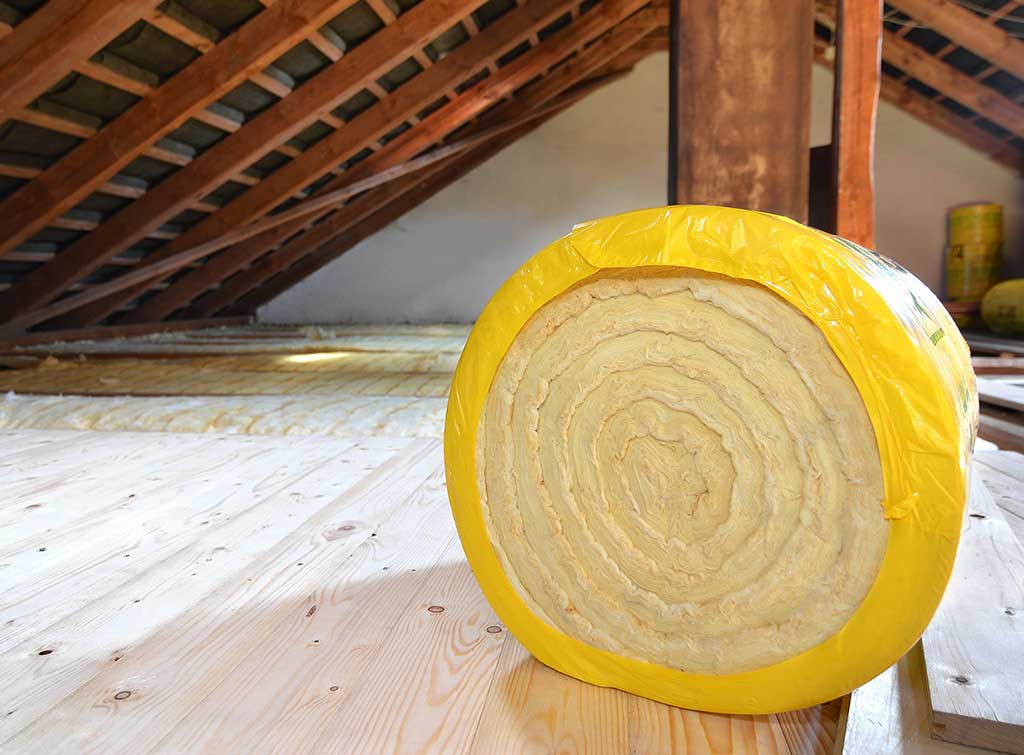
Good insulation matters more for electric heating efficiency than for gas, since you're paying a higher unit cost for every degree of heat lost. Our guide to planning your home insulation covers where to start.
Who can install an electric heating system?
Gas Safe registered engineer: needed to safely remove an existing gas boiler
OFTEC registered engineer: needed for anything involving oil heating
Qualified electrician: for electrical installation work like infrared panels, electric boilers, or storage heaters
Heating engineer: can advise on and install various systems, provided they hold the relevant qualification above
Check that your installer also holds MCS certification if you're installing a heat pump or other renewable technology, since this is typically required for grant eligibility.

Before you choose a system
Find an electric heating engineer near me
Find a heating engineer near you
FAQs
If you want to cut your carbon footprint, or you're not connected to the gas network, electric heating is a strong option. It's clean, efficient, and low maintenance, though running costs per unit are typically higher than gas.
The main drawback is the higher cost of electricity compared to gas per unit, alongside potentially high upfront costs for systems like heat pumps.
High efficiency, long lifespan, low maintenance, and genuine environmental benefits, especially when paired with renewable electricity. Many systems also let you heat individual rooms rather than the whole home.
Running costs are typically higher per unit than gas, but efficiency (especially with heat pumps) helps offset this. Off-peak tariffs, solar with battery storage, and smart thermostats all help reduce costs further.
Heat pumps, both air source and ground source, typically deliver 300-400% efficiency.
Infrared panels and modern storage heaters, especially on an off-peak tariff, are generally the more affordable electric options. Your actual running costs still come down to your home's insulation and how you use the heating.
Yes, particularly with hybrid systems or heat pumps, provided the home is well-insulated. Insulation quality matters more for electric heating efficiency than it does for gas.

See the tradespeople we've checked for your job