COST GUIDES
Electric storage heaters: Cost guide 2026
Updated 08/26
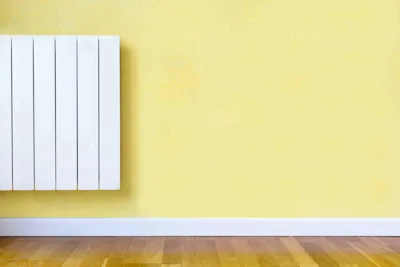
Storage heaters cost between £400–£700 to buy for a basic model, plus £70–£150 for installation depending on if its replacement job.
This guide covers storage heater running costs, night-time tariffs, and tips for keeping your heating bills down.
Fast Facts
Basic storage heater: £400–£700
Advanced storage heater: £700–£1,000
Replacement installation: £70–£150
New installation: £200–£400
How much do storage heaters cost in 2026?
The average cost of storage heaters in the UK is between £400–£700 for a basic model. More advanced storage heaters typically cost between £700–£1,000.
Cost variations depend on the type of storage heater installed, its functionality, as well as installation and maintenance costs.
| Materials | Unit | Average cost |
|---|---|---|
| Basic storage heater - supply only | 1 heater | £400–£700 |
| Advanced storage heater - supply only | 1 heater | £700–£1,000 |
| Labour | Unit | Average cost |
| New storage heating installation | 0.5–1 day | £200–£400 |
| Replacement heater installation | 1–2 hours | £70–£150 |
| Last updated: August 2026 Our costs are ballpark averages - get a local tradesperson to quote now | ||
The cost of an electric storage heater varies, but as a guide, budget between £400–£700 for a basic model
More advanced storage heaters with improved technology and functionality will cost £700–£1,000 on average
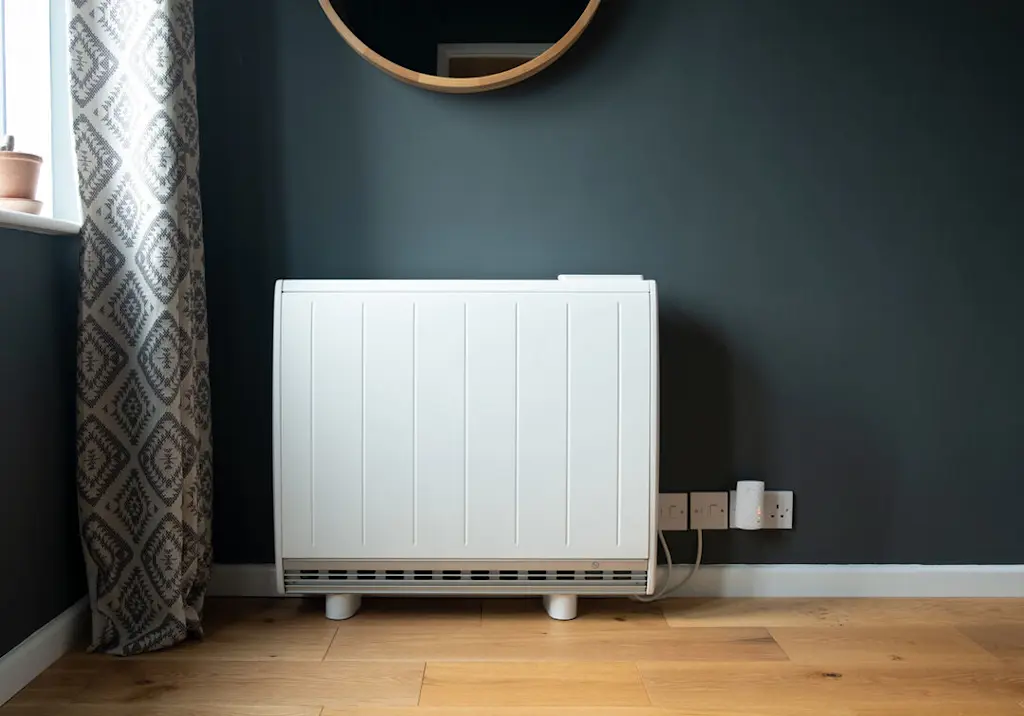
Storage heater installation costs in the UK
The cost of installing a storage heater varies depending on the complexity of the job.
New storage heater installation costs in the region of £200–£400 and generally takes 0.5–1 day to complete
Replacement heater installation costs £70–£150 on average. You can expect the installation to take 1–2 hours
Need new wiring? Budget an extra £100
View checked profiles of tradespeople offering storage heater installation services. Read customer reviews and contact them directly for a quote. Enter your postcode below to get started.
Night time storage heater cost
A no-frills option that stores heat overnight and releases it during the day.
Suitable for: Small spaces or occasional use
Typical price: £400–£700
Electric storage heater cost
Electric storage heating that comes with programmable settings, thermostats, and improved insulation, making it more energy-efficient.
Suitable for: Those looking for lower long-term storage heater running costs
Typical price: £700–£1,000
Find checked and reviewed tradespeople
Factors affecting the cost of storage heaters
Three key factors will affect the cost of your storage heaters:
The size of your property: Larger homes may need multiple units, increasing the cost of the units and the installation
Brand and model: Basic storage heaters will be cheaper to buy. However, despite their higher upfront cost, premium models will save you money through superior efficiency and greater control over your heating settings
Complexity of installation: Installing a new system is more expensive than replacing an existing one. If wiring needs to be added or upgraded, this will add to your costs

Hidden costs to watch out for
Beyond the unit and fitting fee, a few extra costs can push up the total price of a storage heater installation.
Some of the additional costs to bear in mind include:
Electrical upgrades/new wiring: Budget around £100
Decorating, to touch up any paintwork around each installation area: Approximately £50
The cost of removing storage heaters: If you decide storage heaters are not right for your home, expect to pay £40 per heater for removal and disposal
Storage heater running costs
Night storage heaters use electricity supplied at cheaper, off-peak night-time tariffs (Economy 7 and Economy 10), so their running costs work differently to standard electric heating.
Since they work by radiating the heat stored at night throughout the day, you'll save on heating costs by avoiding more expensive daytime tariffs.
Beyond the purchase price of the unit and paying for installation, you'll also need to weigh up these ongoing running costs to decide if storage heaters are the right choice for your home. For a comparison against gas-based systems, see our guide to running costs for gas-based heating.
Assuming you only use it on a lower rate tariff, a 2kW storage heater has an average running cost of 50p per hour.
If you work from home, storage heating is highly cost-effective. However, heat can only be stored for around 12 hours. So if you return home from work at around 8pm, it may not make as much sense to invest in a storage heating solution.
Tips to reduce storage heating costs
Turn the 'output' setting of your storage heater to 'off' before you go to bed
If you remember, do this whenever you leave the house or aren't in the room
If your heater has a 'boost' setting, use it for extra warmth, but be mindful that it'll draw from a more expensive daytime tariff
Always use the stored heat first before using any boost option
To avoid using plug-in heaters, turn up the input on your storage heater instead
For more on getting the most out of your heating setup, our guide covers the full range of money-saving tips.
Cost of hiring a heating engineer vs DIY
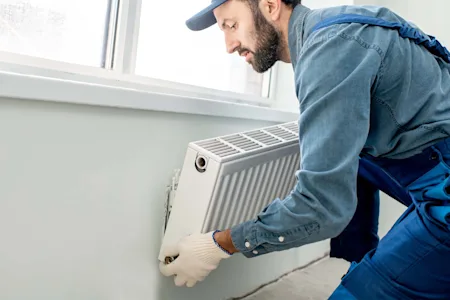
Storage heaters must be hardwired into the mains, so it's advisable to hire a qualified electrician or certified heating engineer.
This will ensure safety and compliance with current building regulations.

On Checkatrade, you'll only find trades who meet our high standards and pass up to 12 checks.
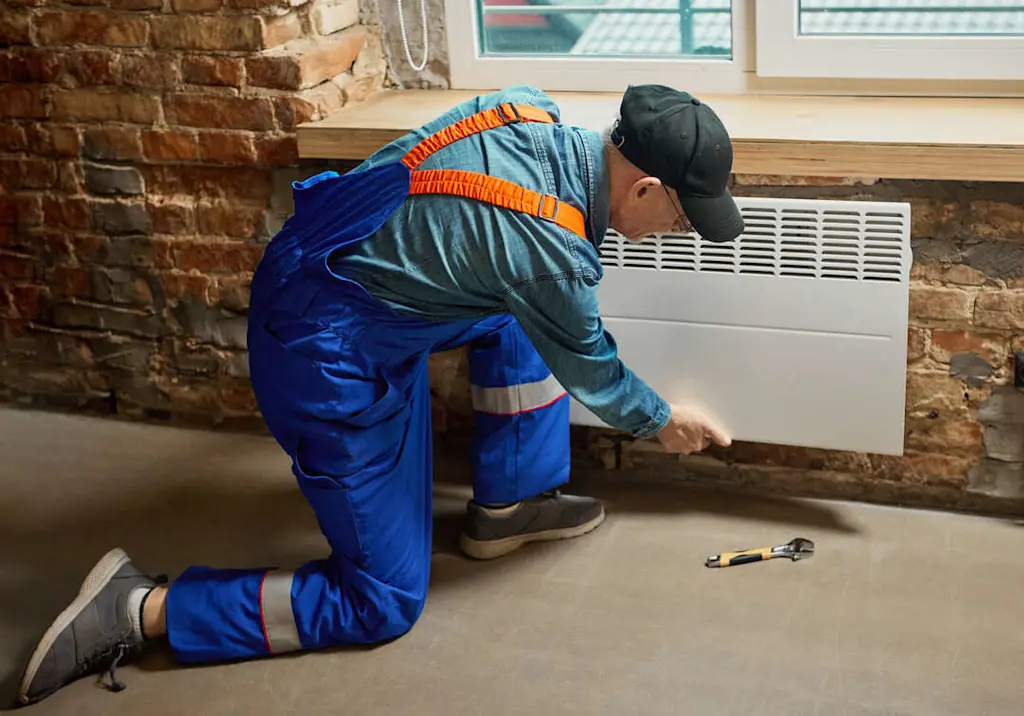
Storage heater installation: job estimator tool
See how much storage heating installers cost in your area with our job estimator tool.
Job Estimate Calculator

Heating engineer day rates in the UK
The cost of storage heater installation is often quoted as a fixed rate, particularly for straightforward swaps.
New storage heater installation costs around £200–£400 and usually takes 0.5–1 day to complete
Replacement storage heater installation averages around £70–£150 and typically only takes 1–2 hours
Storage heaters should only be installed by a qualified electrician or a certified electric heating engineer.

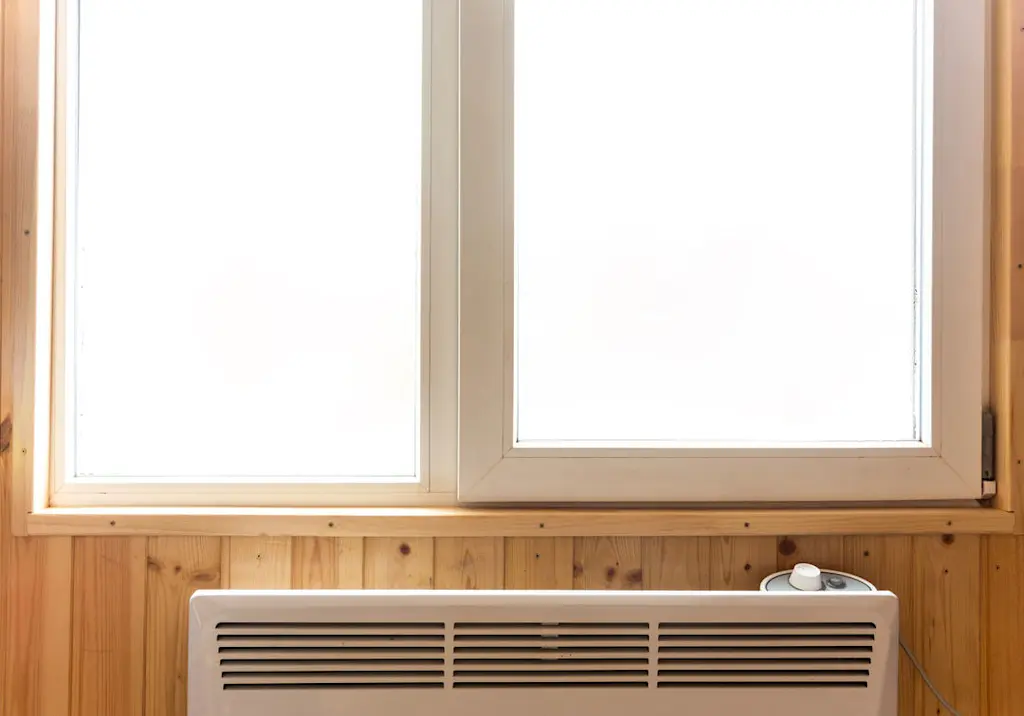
Alternatives to storage heaters
If storage heaters aren't suitable for your needs, consider these alternatives:
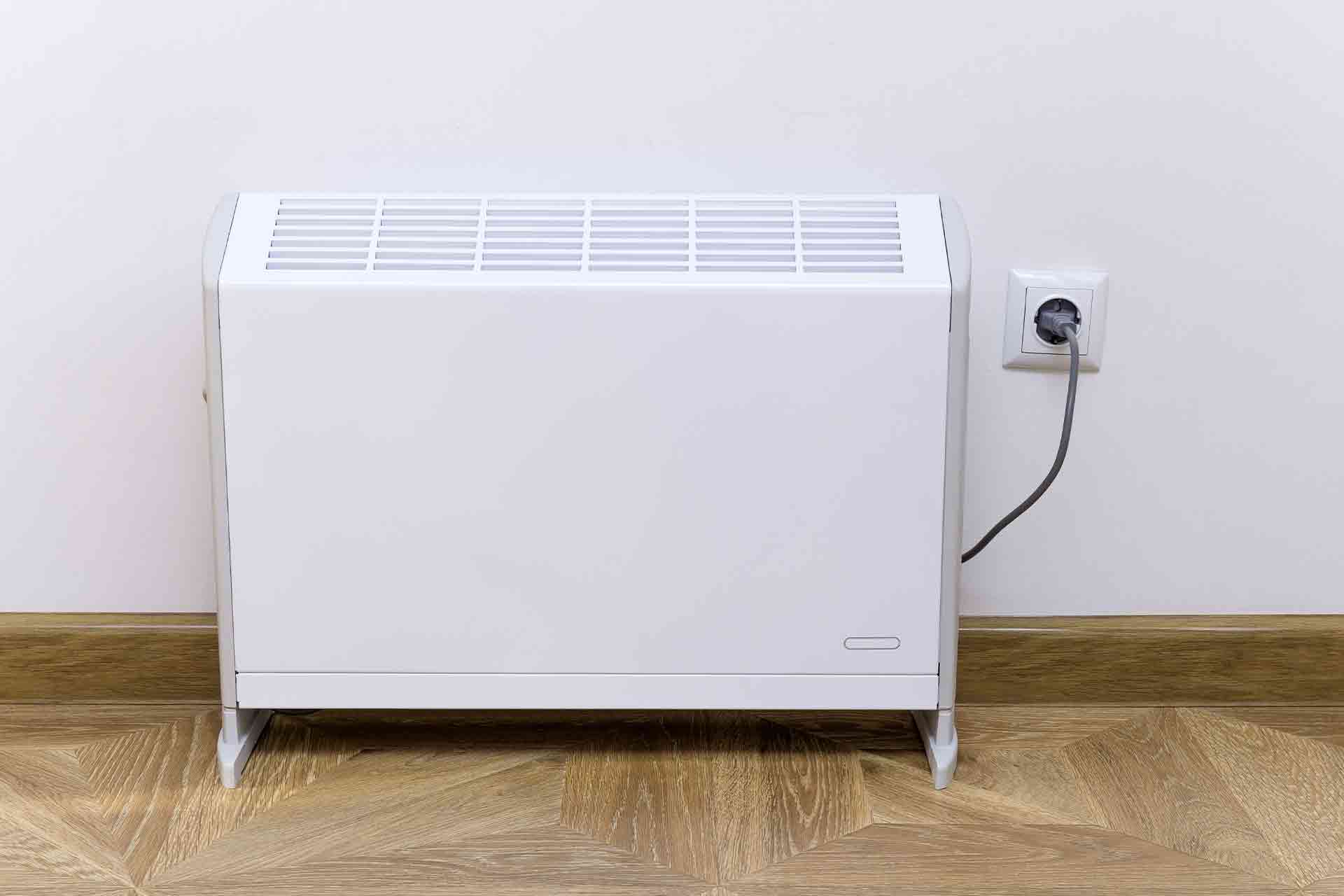
Electric radiators
Pros: Easy to install, no reliance on specific tariffs, precise temperature control
Cons: Higher running costs compared with storage heaters
Best for: Homes without off-peak tariffs or where heating is needed in specific rooms
Read more: Discover the cost of electric radiators
Infrared panels
Pros: Compact, stylish design, providing direct heating for specific areas
Cons: Limited heating range and higher upfront cost per unit
Best for: Small, well-insulated spaces or as supplementary heating
Read more: Learn about infrared heating and its costs
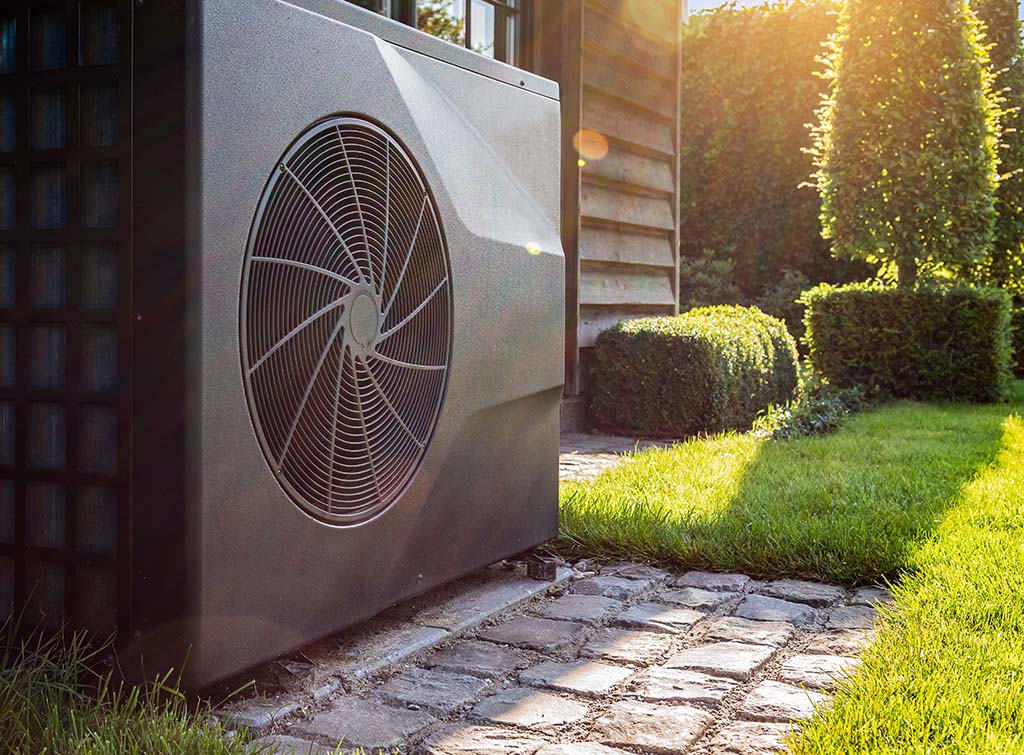
Heat pumps
Pros: Highly energy-efficient, eco-friendly, and government grants are available if eligibility criteria are met
Cons: Higher initial investment and requires external space for the outdoor unit
Best for: Well-insulated homes with a focus on long-term energy savings
Read more: Understand air source heat pump costs
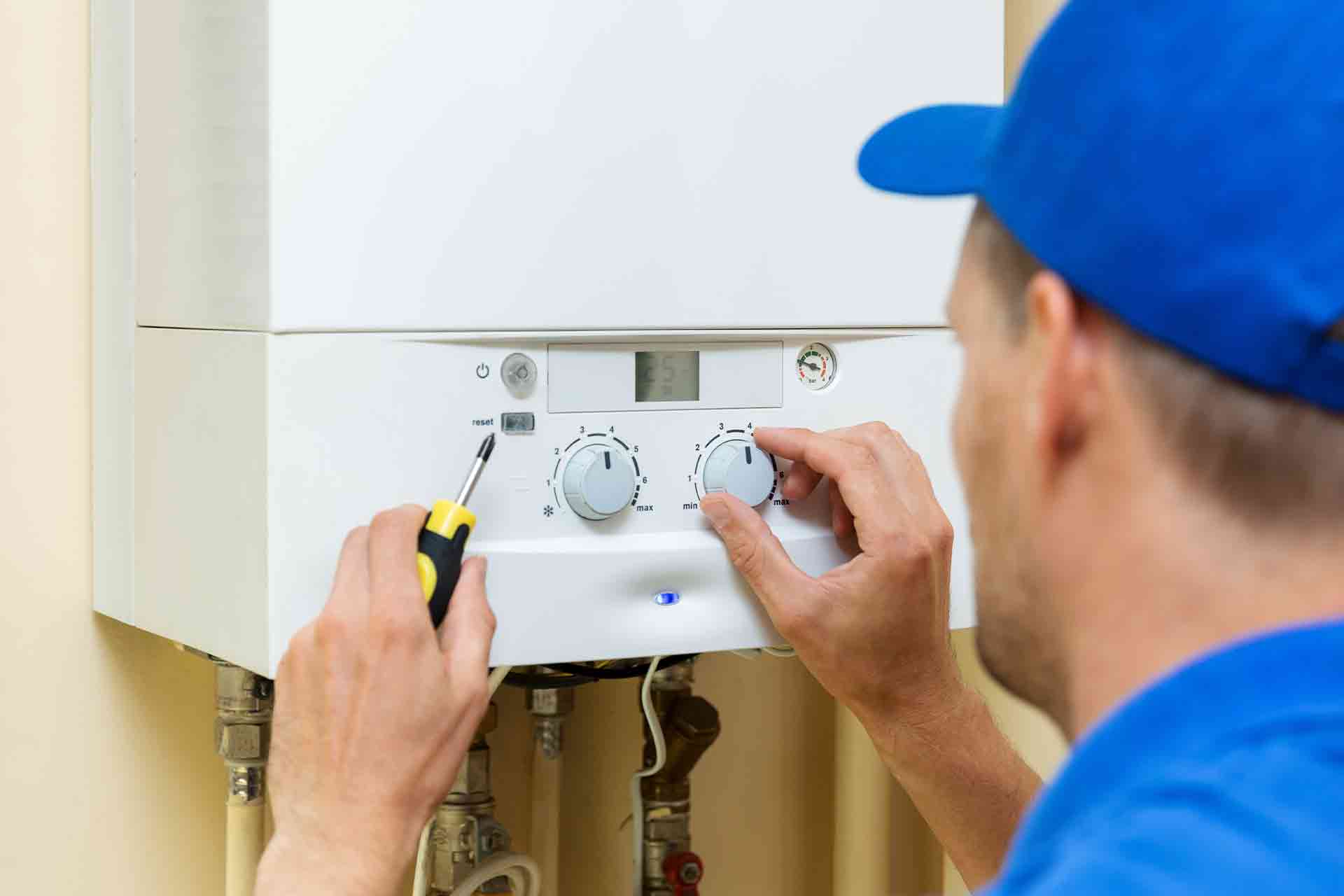
Central heating systems
Pros: Efficient for larger homes, consistent heat distribution, can be powered by gas or electricity
Cons: Higher installation costs and ongoing maintenance requirements
Best for: Larger properties or homes with existing central heating infrastructure
Read more: Find out the cost of a new boiler
This not an exhaustive list. The right home heating solution for your needs will depend on its suitability for the type of property and size of space you're heating, cost considerations, and personal preference. It's worth comparing central heating installation costs against storage heating before you commit.
For a broader view, read our post on energy-efficient heating options.

Find reviewed storage heater installers near you on Checkatrade. Alternatively check out running costs, look at other electric heating options or investigate energy efficient heating solutions.
How to find a heating engineer
Finding a heating engineer is easy with Checkatrade. We check, verify and approve all of our members. All of the tradespeople in our directory meet our high quality standards.
Use our quick and easy request a quote feature and we'll get experienced local heating engineers to contact you directly. To get accurate quotes, be as detailed as you can:
Whether you need a new installation or a replacement
The number of storage heaters you need fitting
Whether any new wiring is needed
Your property size and current heating setup
Your preferred installation timeframe
Find checked and reviewed tradespeople
Storage heater cost checklist

Electric storage heaters: Cost guide 2026 checklist
Before contacting a tradesperson, here's what to check:
Storage heater cost FAQs
Storage heaters are a type of electric heater. They are normally wall-mounted and look a bit like radiators. Also known as 'night storage heaters', they use cheaper electricity at night to generate and then store heat in ceramic or clay bricks, which is released during the day.
A storage heater may be suitable for your home if:
Your home has access to night-time electricity tariffs such as Economy 7 or Economy 10
You live in a smaller property where central heating might not be a cost-effective solution
When weighing up costs, decide on the type of unit you need, factor in the installation cost, and any other electrical work that's needed. Compare a selection of quotes from checked tradespeople to ensure you get a fair and competitive price.
Yes. Since they run on cheap night-time tariffs and release energy during the day, they are much cheaper to run than standard electrical heaters. They're also cheaper to install than a central heating system.
Electricity is more expensive than gas, but electric heating systems are more efficient, and storage heaters use cheaper night-time tariffs. The highest-rated, most efficient brands cost more to install, but they cost less to run and save money in the long term.
They're a cost-effective heating solution: they use cheaper night-time electricity tariffs such as Economy 7
Energy-efficient: electric heating systems often achieve 100% efficiency, meaning every unit of electricity is turned into heat
Zero-emissions: electric storage heaters generate heat without emitting carbon directly, making them a low-carbon source of energy
Easy to install and use: storage heaters require minimal setup once installed and have simple controls to store and release heat
For replacement, storage heater installation costs around £70-£150, while new installation typically comes in at around £200-£400.
Storage heaters use cheaper electricity at night to generate and store heat in ceramic or clay bricks, which is released during the day.
Storage heaters use night-time electricity to store heat. Electric radiators heat instantly but often cost more to run.
Yes, many models now include smart controls and improved insulation for better efficiency.
Pros: Cost-effective, energy-efficient, low-carbon, and easy to install and use
Cons: Limited heat storage, reliance on specific tariffs, not ideal if you're out of the house during the day, as you can't enjoy the stored heat
No. Storage heaters must be hardwired, so use a qualified electrician or electric heating engineer.
No. Storage heaters are designed to charge overnight on cheap tariffs and release that heat during the day, not run continuously. Leaving them on all the time uses daytime electricity at a much higher rate, which pushes your running costs up rather than down.
Set your storage heater's input to match how much heat you'll need that day, and turn the output down (or off) once you don't need it, for example before bed. Only use the 'boost' setting sparingly, since it draws from the more expensive daytime tariff.
See the tradespeople we've checked for your job