EXPERT ADVICE
How to stop a leaking radiator
Updated 07/26
By: Imogen Beech
Reviewed: Content Team
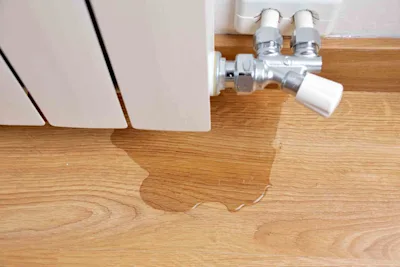
Radiator leaks need acting on quickly, since water can damage flooring and nearby electronics fast. The good news: most leaks come from a small number of predictable spots, and once you know where, the fix is usually straightforward.
Where radiator leaks usually come from, and how to find yours
How to isolate a radiator safely
Step-by-step fixes for the most common leak points
A temporary option worth knowing about, and its limits
Roughly what a repair costs
When to stop and call a plumber
Ready to get started? Here's your first move.
Find a plumber near you
Why is my radiator leaking?
Finding where the leak's coming from is the first step to fixing it. Common leak points:
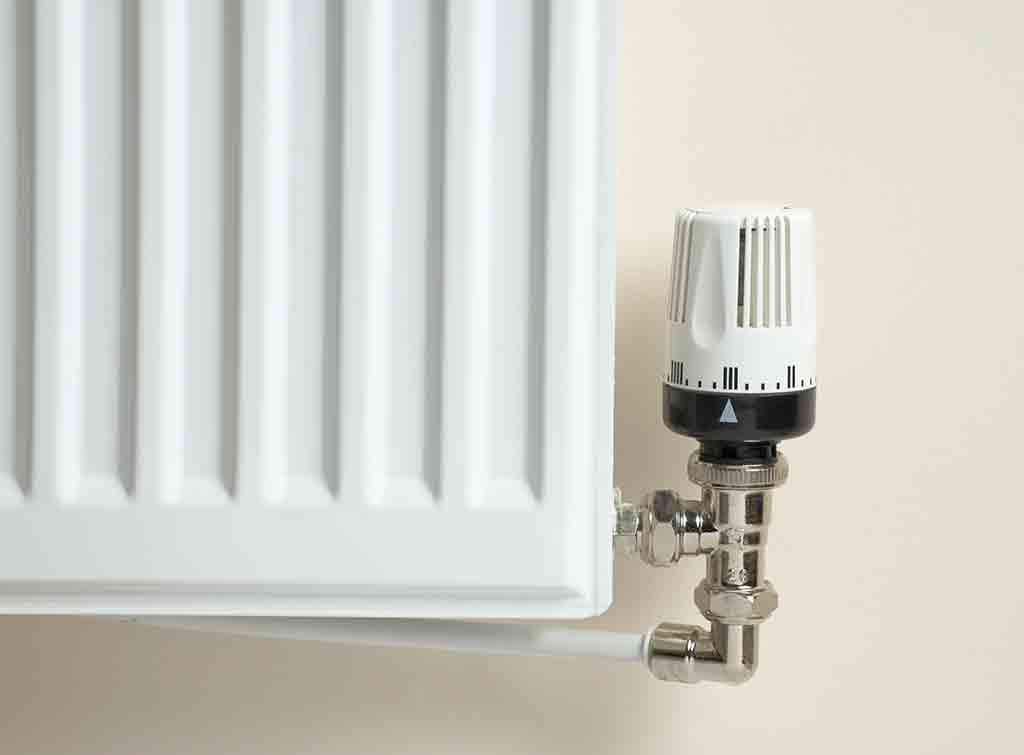
Radiator valve
Spindle
Gland
Pipe joint
Most of these trace back to a worn connection thread letting water escape. Radiators can also corrode and rupture over time, particularly older ones. That's a different problem entirely.
To find the exact source: dry the radiator completely, then place dry toilet paper over each fixture. Wherever it gets wet first tells you where the leak actually is.

How to isolate a radiator
Isolating won't fix the leak, but it stops water continuing to flow through it while you work, or while you wait for a plumber.
Turn off your heating
Wait for the radiator to cool down completely
Protect the floor with an old sheet or towel
Turn off the manual or thermostatic valve
Remove the plastic cap from the lockshield valve
Use pliers to turn off the lockshield valve
Double-check by turning the heating back on: if every other radiator warms up but this one stays cold, it's successfully isolated.

If your radiator is leaking specifically from a valve you'd rather replace outright rather than repair, our guide on how to change radiator valves covers that process.
How to stop a radiator leak
Make sure the radiator is fully cool before starting any of the below. If you're not confident at any point, stop and call a qualified plumber rather than risk making it worse.
Stop a leaking radiator valve
Valves typically only leak when partly open, so if the leak stops when fully closed, that confirms the valve as the source. Usually caused by damage to the internal spindle packing.
Drain the leaking valve below the leak
Catch any escaping water
Undo the union nut
Release remaining water via the bleed valve
Wrap PTFE tape around the valve tip
Tighten the union nut back up
Open the bleed and lockshield valves
Let the radiator refill
Check thoroughly for any remaining leak
Close the bleed valve
Stop a leaking radiator spindle
Often a simpler fix. Try tightening the gland nut with a spanner first. If that doesn't resolve it:
Undo the gland nut
Wrap PTFE tape into the spindle
Tighten the gland nut again
Stop a leaking radiator gland
The gland sits beneath the plastic lid of the valve.
Remove the plastic cap
Unscrew the gland nut
Wrap PTFE tape around the valve spindle
Push the tape into the valve with a screwdriver
Screw the gland nut back on
Replace the plastic cap
Stop a leaking radiator pipe joint
On a compression system, loose joints connecting pipes to the radiator can start leaking. Try tightening with a spanner first; if that doesn't work:
Drain the radiator below the leak
Remove the nut from the leaking pipe with a spanner
Wrap PTFE tape where the olive meets the joint
Tighten the nut back up with a spanner
A leak from the radiator body itself
This points to corrosion, and there's no permanent DIY fix for it. A plumber will need to replace the radiator, which is also a reasonable opportunity to upgrade to a more efficient model.
On Checkatrade, you'll only find trades who meet our high standards and pass up to 12 checks.
A temporary option worth knowing about
Chemical leak sealant additives exist and can temporarily slow a very minor weep while you arrange a proper repair. They're not a permanent fix, can clog other parts of the system if overused, and won't do anything for a leak from corrosion or a failing valve. Treat them as a stopgap, not a solution, and mention to your plumber if you've used one, since it can affect how they approach the repair.
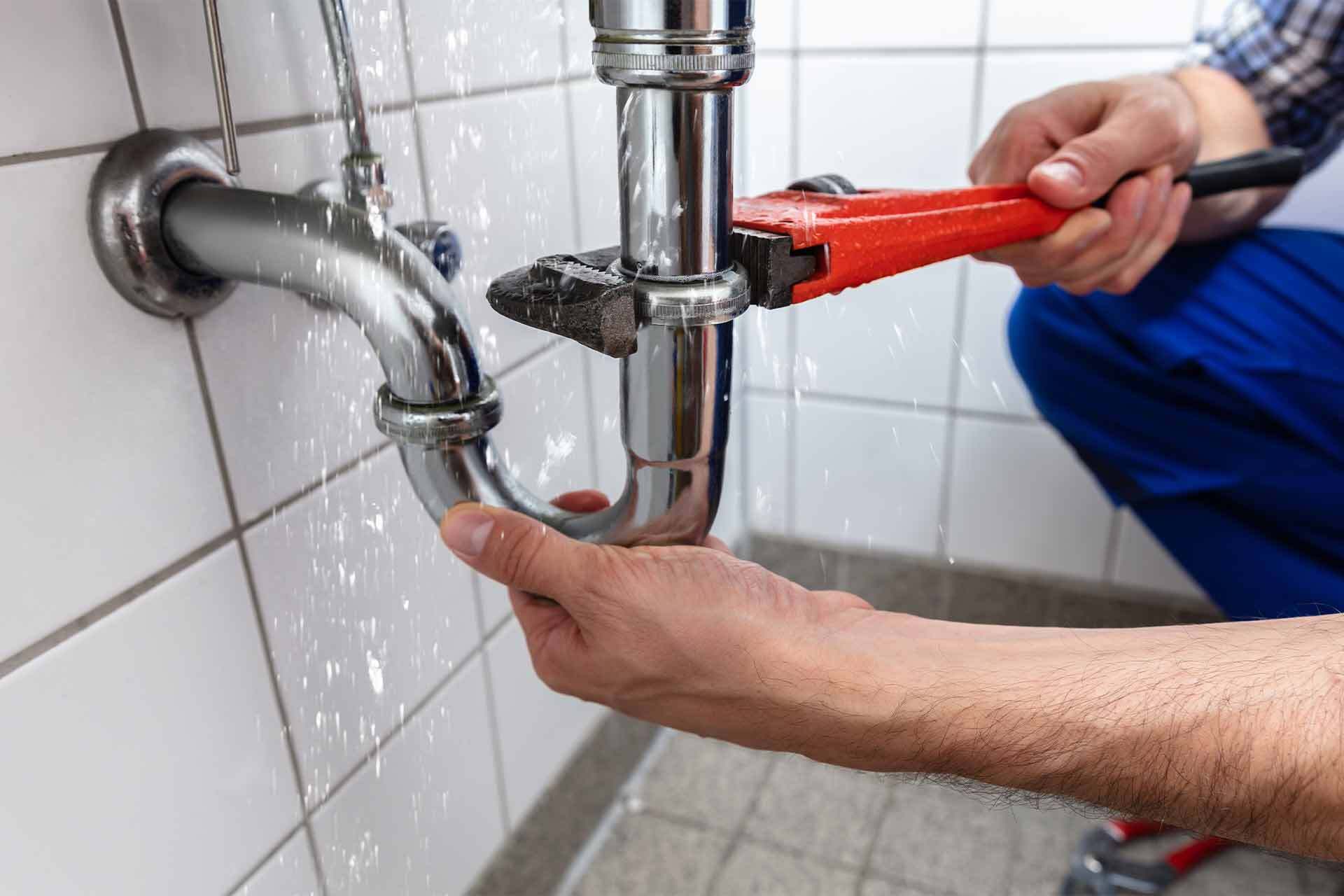
Plumber costs in the UK: 2026 price guide
Whether you are planning an exciting renovation or have a troublesome issue, our plumber cost guide contains daily, hourly and emergency rates.
Find a pro to fix your leaking radiator
If you've tried the fixes above with no luck, or don't have the time or confidence to attempt it yourself, it's time to bring in a professional.

Before you attempt a fix
FAQs
Dry the radiator fully, then place dry toilet paper against each fixture (valve, spindle, gland, pipe joints). Wherever it gets wet first is your leak source.
Many common leaks (valve, spindle, gland, pipe joint) are fixable with basic tools and PTFE tape. A leak from the radiator body itself, caused by corrosion, isn't repairable and needs a replacement.
As a short-term measure for a very minor leak, it can help, but it's not a permanent fix and can clog parts of the system if used excessively. Always follow up with a proper repair.
Cost depends on the cause and whether replacement is needed. Our plumber cost guide has current hourly rates.

See the tradespeople we've checked for your job