EXPERT ADVICE
Water leak in the house? Here's exactly what to do
Updated 06/26
By: Olivia Scammell
Reviewed: Alex Peters
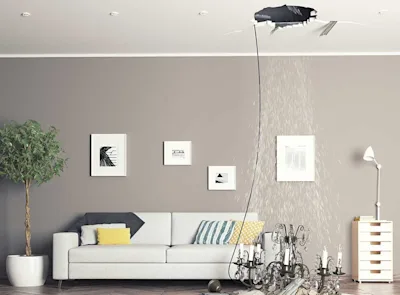
A water leak in the house is a nightmare for any homeowner. Here's what to do if you find water pooling where it shouldn't be.
What to do in the first few minutes of a leak
How to spot a hidden leak before it gets worse
Whether you need a plumber, roofer, or both
What a leak means for your insurance claim
How much leak detection and repair typically costs
How to stop the same leak happening again
A water leak in the house is every homeowner's nightmare, and according to the Association of British Insurers, leaky or burst pipes are behind at least one in four buildings and contents insurance claims.
Most of us will deal with a spreading damp patch, a dripping noise, or worse, a ceiling coming down, at some point.
If you've just found a leak, or you want to be prepared in case the worst happens, this guide walks you through exactly what to do, who to call, and what it might cost to put right.
Find a plumber near me
Spot the signs before the leak gets worse
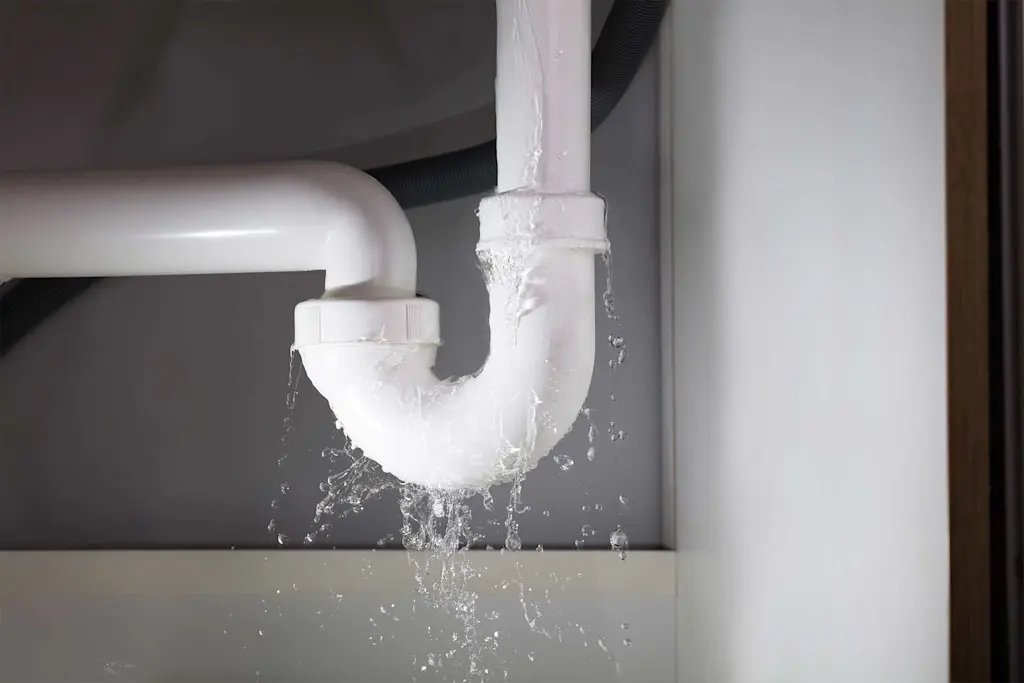
Not every leak announces itself with a gush of water through the ceiling. Many leaks are slow and subtle, which can actually make them more damaging because they go unnoticed for longer.
Keep an eye out for:
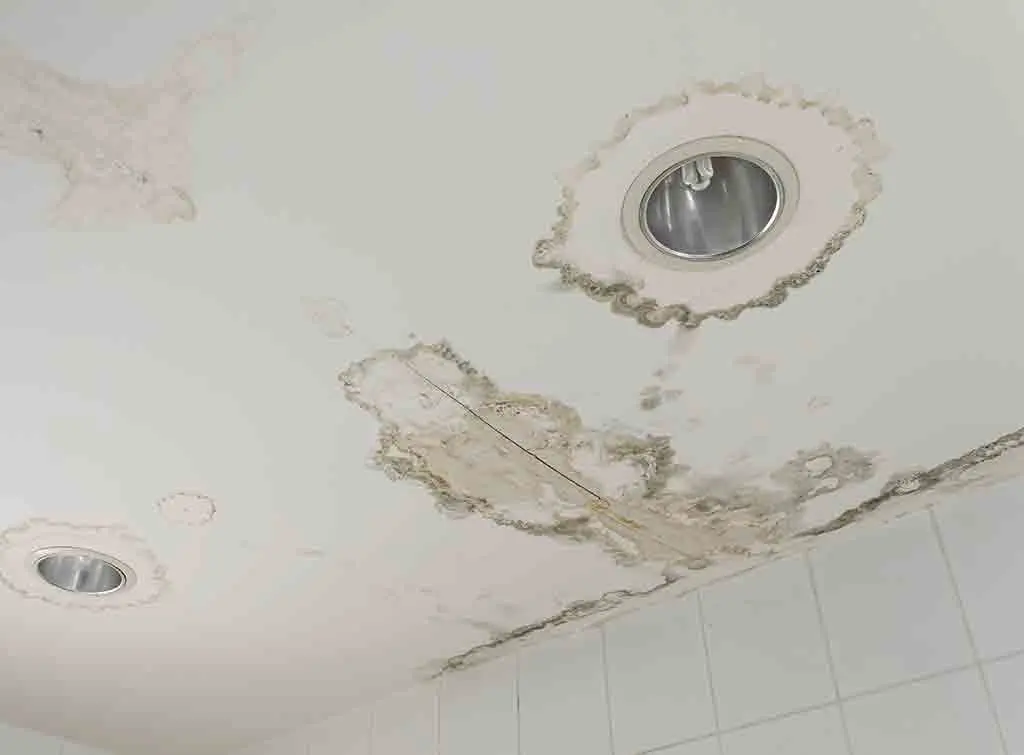
Damp patches or discolouration on ceilings and walls
A musty or mouldy smell that won't shift
An unexplained increase in your water bill
Lower water pressure than usual when you turn on a tap
The sound of running water when nothing is switched on
Pooling water around appliances like dishwashers or washing machines
If you suspect a hidden leak but can't see one, turn off every tap and appliance, then check your water meter. If the dial keeps moving after a few hours of no water use, you've almost certainly got a leak somewhere in the system.
What to do in the first few minutes
Whatever's caused the leak, your priority is stopping it from getting worse while you wait for help.
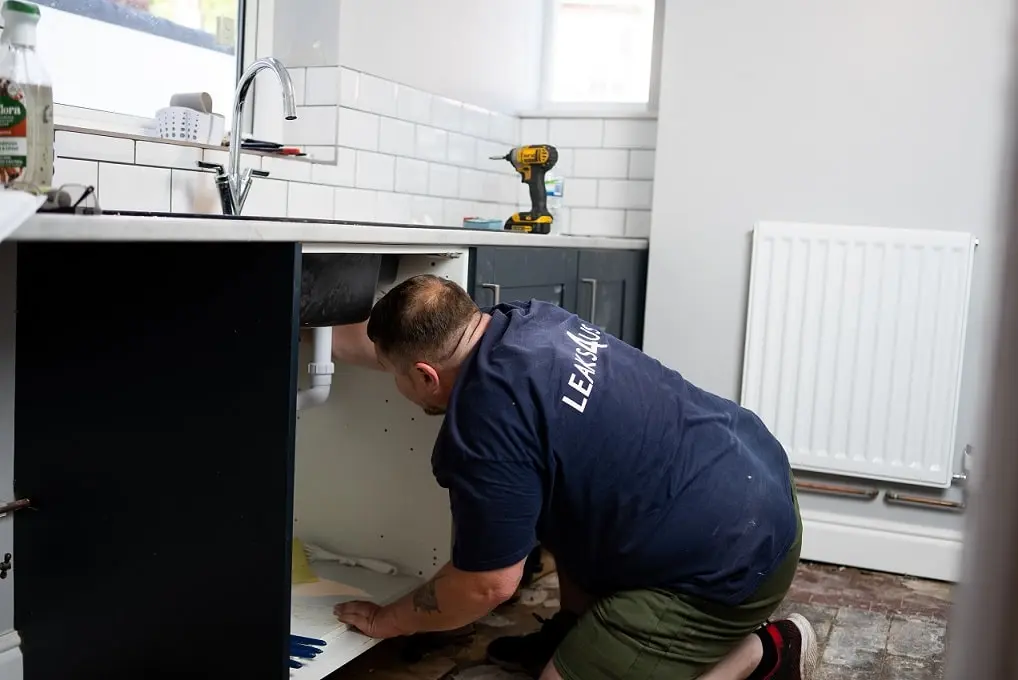
Turn off your stopcock - This is usually on the ground floor, often under the kitchen sink. Once it's off, run the cold tap until it stops to drain the remaining water from the pipes
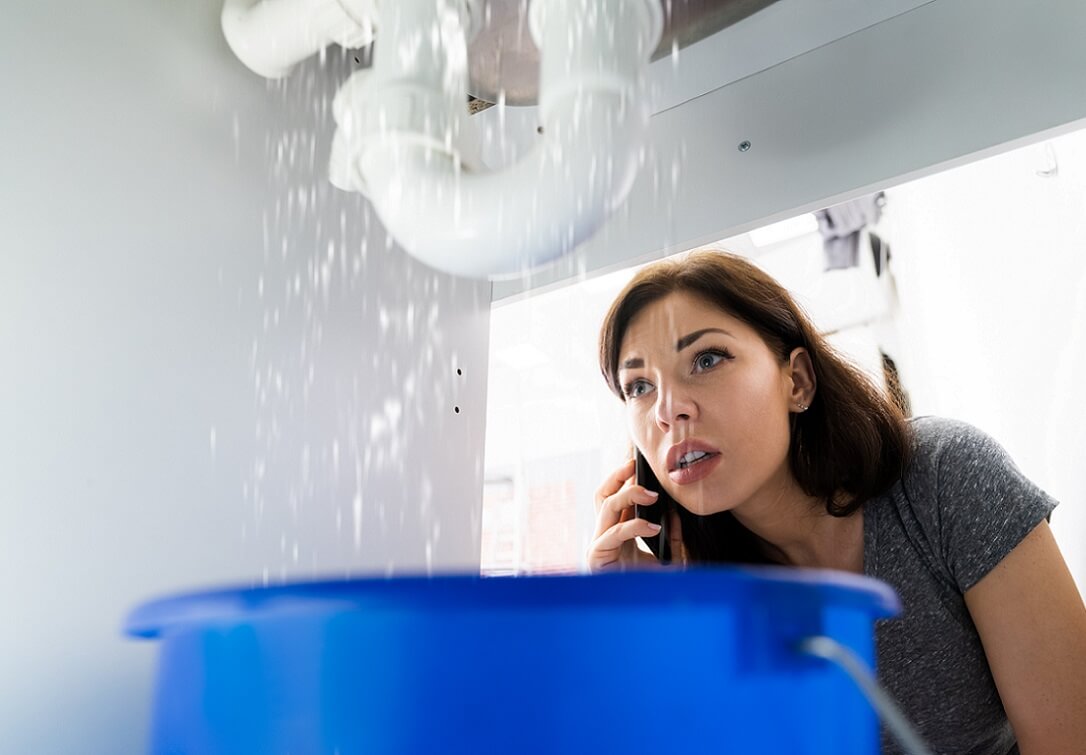
Contain the water - Place buckets, bowls, or towels under the leak to limit damage to floors, ceilings, and furniture
Move valuables and electricals - If water is anywhere near sockets, switches, or appliances, switch off the electricity at the mains to protect both your home and yourself
Check the obvious culprits - If the leak is clearly coming from a dishwasher, washing machine, or fridge, it's likely the appliance rather than your plumbing. Turn it off and check whether it's still under warranty before calling a plumber
Turn off your heating - Until you know whether the leak is plumbing or heating-related, switch off the water supply to your heating system at the shut-off valve next to the boiler, drain it via the hot tap, then turn the boiler off at the mains.
Don't know where your stopcock is located? It's worth finding out before an emergency, not during one.
Find an emergency plumber near me
A burst pipe at midnight, a blocked toilet just before guests arrive, or the smell of gas in your home — plumbing emergencies are stressful and often urgent.
Who to call - plumber, roofer, or leak detection specialist?
For most internal leaks, from a tap leaking from the stem to a burst pipe behind a wall, a plumber is who to call.
But the source of the water isn't always obvious, and water doesn't always travel straight down. It can run along wall cavities or floor joists before showing up somewhere completely different.
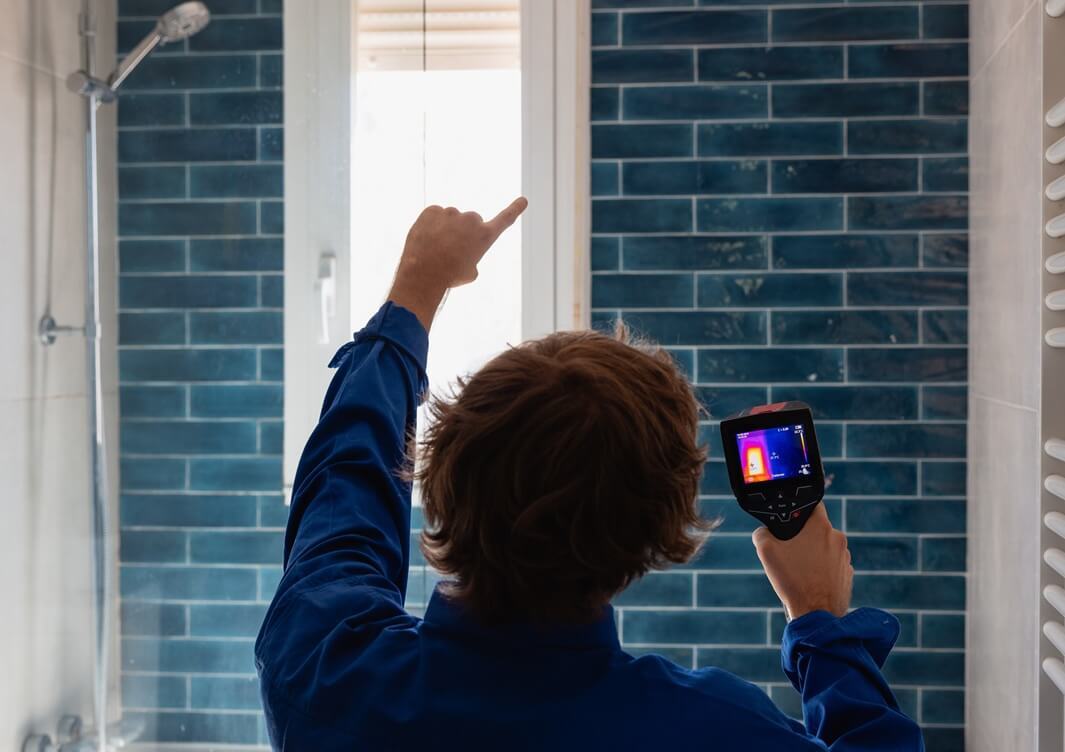
A leak detection specialist uses non-invasive tools, such as infrared cameras, acoustic sensors, and tracer gas, to pinpoint exactly where the problem is before any repair work starts.
This is particularly useful for leaks under concrete floors or behind tiled walls, where guesswork could mean unnecessary damage.

If the leak is coming from above and it's rained recently, you may need a roofer rather than a plumber. If you can't tell where the water's coming from at all, a specialist water leak detection service can trace it without ripping up floors or walls.
Water leak detection and repair cost calculator
Job Estimate Calculator

Costs vary a lot depending on how hidden the leak is and what's needed to access it.
Top tip: Ask your insurer whether you have "trace and access" cover before booking detection work. Some policies cover the cost of finding the leak as well as repairing the resulting damage.
Water leak detection: Cost breakdown 2026
Mould patches, damp or increased water bills indicate a possible leak. If this is the case, it’s best to reach out to a local water leak specialist who can detect and stop the leak.
Will your home insurance cover it?
If the leak has caused damage to your ceiling, walls, or floors, contact your home insurer as soon as you reasonably can.
Many policies cover both the cost of finding the leak and repairing the damage it's caused, though this varies by provider and policy type.
To make a claim easier:
Take photos of the damage and the leak source as soon as you spot it
Keep any invoices or reports from the plumber or leak detection specialist
Avoid starting major repairs before speaking to your insurer, in case they want to send their own assessor first
If you're renting, the process is different. Report the leak to your landlord or letting agent immediately, since the structure and plumbing are usually their responsibility to repair, not yours.

On Checkatrade, you'll only find trades who meet our high standards and pass up to 12 checks.
Repairing the damage once the leak is fixed
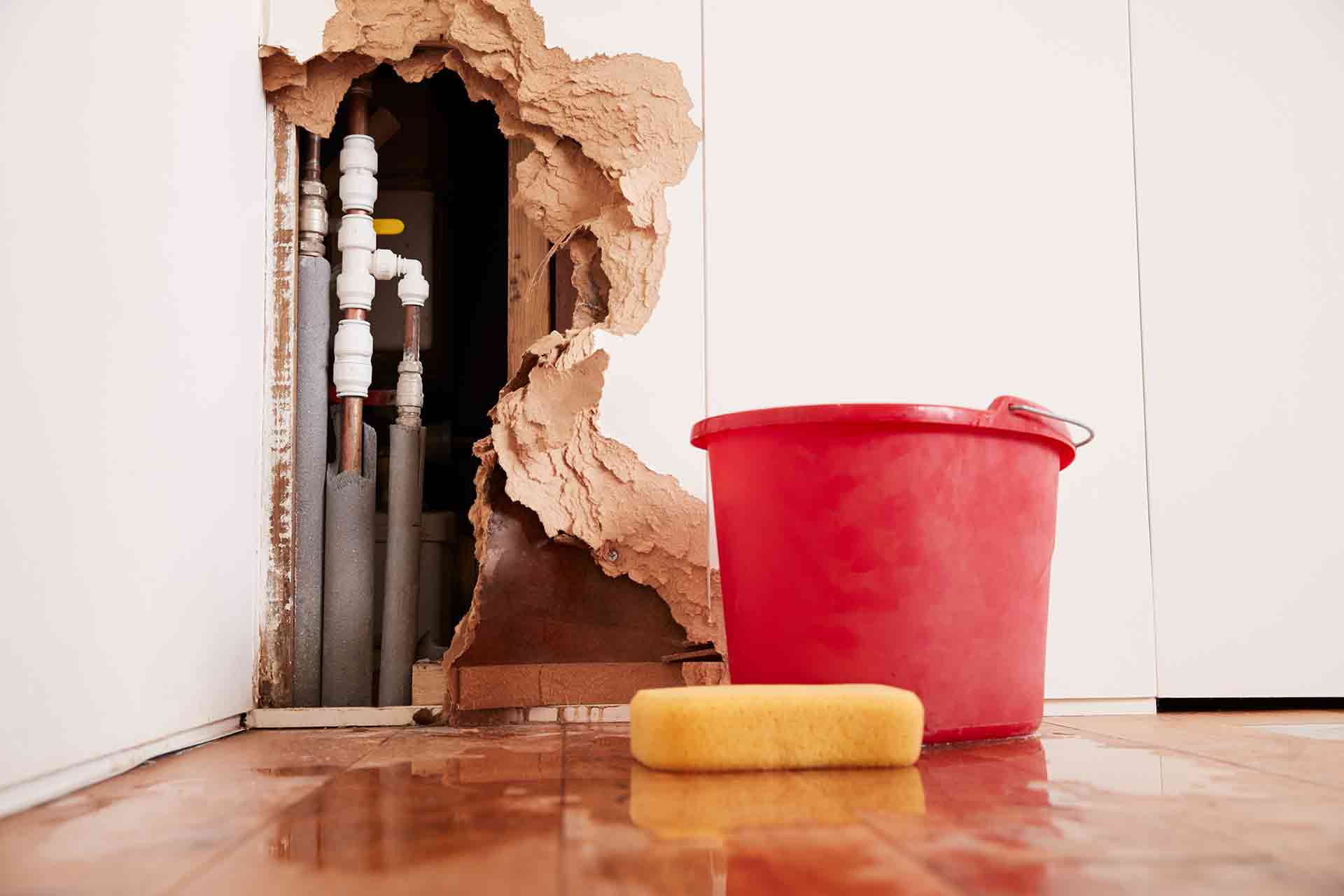
Once the leak itself is found and fixed, you'll likely be left with water-damaged ceilings, walls, or flooring.
It's important to let the affected area dry out completely before redecorating, otherwise you risk trapping moisture and inviting mould.
Depending on the damage, you might need a painter and decorator to make good the walls and ceiling, or a flooring specialist if water has got underneath carpets or laminate.
Rushing this step is a common mistake. Redecorating before the area is fully dry often means doing the job twice.
Find water damage restoration near me
Find checked water damage restoration contractors fast on Checkatrade. Compare quotes, read reviews & book with confidence.
Finding a tradesperson you can trust
When you're dealing with water spreading through your home, it's tempting to call the first number you find.
But a rushed decision can cost you more in the long run if the job isn't done properly.
A few things worth checking before you hire:
Ask exactly what's included in the quote, including any emergency call-out fee
Check whether the price includes repairs after the leak is located, not just detection
Ask if there are extra charges for access work, such as lifting floorboards
We check the reviews on Checkatrade are from real people, and that trades meet our high standards.
How to prevent the next leak
A few small habits go a long way toward catching problems early:
Turn your stopcock on and off every few months so it doesn't seize up from underuse
Check under sinks and around appliances for damp patches periodically
Keep an eye on your water bill for unexplained increases
Consider an automatic water shut-off valve, which cuts off your supply automatically if it detects a leak
If your home has had recurring small leaks, ask your plumber whether ageing pipework is to blame. Sometimes it's cheaper in the long run to replace a section of old pipe than to keep calling someone out for repeat repairs.
Water leak checklist

Water damage checklist
Frequently asked questions
How do I find a hidden water leak in my house?
Turn off all taps and appliances, then check your water meter. If it's still moving after a few hours of no water use, there's a leak somewhere in the system. A leak detection specialist can then trace the exact location using acoustic or infrared equipment.
Who is responsible for a water leak in a rented property?
Your landlord or letting agent is responsible for fixing leaks related to the property's plumbing or structure. Report it to them straight away, in writing if possible, and check your tenancy agreement if you need to arrange emergency repairs yourself.
Should I turn off my electricity if there's a water leak?
Yes, if the water is anywhere near sockets, switches, or electrical appliances. Switching off the mains protects your fittings and reduces the risk of electric shock while you wait for a plumber.
Does home insurance cover water leak damage?
Often, yes, though it depends on your policy and provider. Many policies include "trace and access" cover for finding the leak, plus cover for repairing the resulting damage. Check your documents or call your insurer to confirm.
How long does it take to fix a water leak?
A straightforward leak, such as a worn washer or loose connection, might be fixed within an hour. Hidden leaks behind walls or under floors can take longer to trace and may need follow-up repair work once located.
Can I fix a water leak myself?
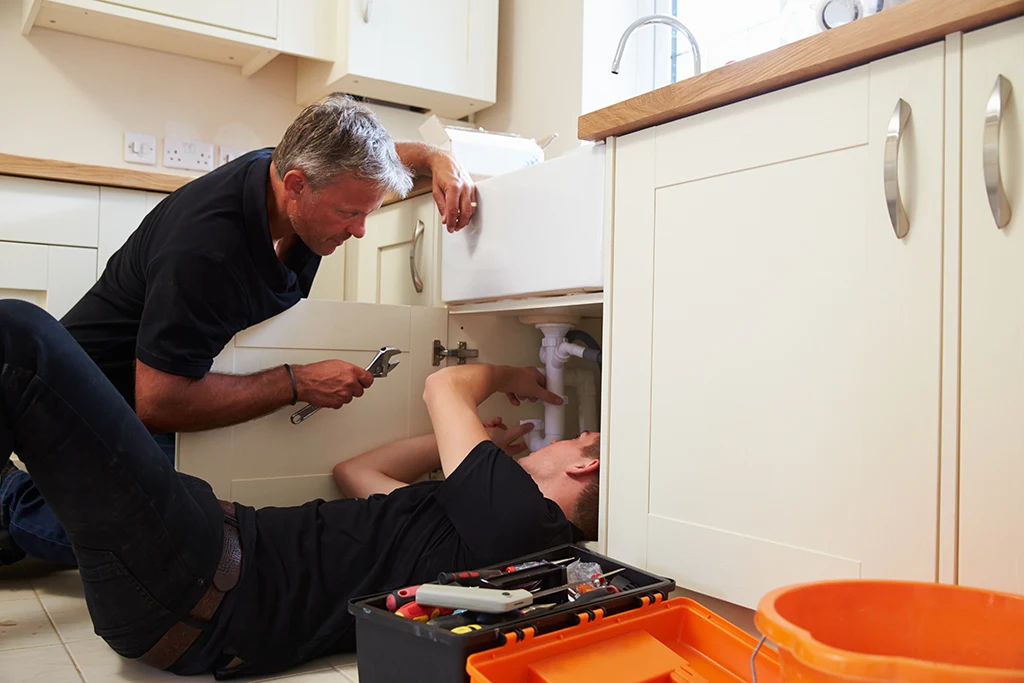
Some minor leaks, like a dripping appliance hose, can be a simple DIY fix. But anything involving mains plumbing, heating systems, or hidden pipework is best left to a qualified plumber, both for safety and to avoid making the damage worse.
What's the difference between a leak detection specialist and a plumber?
A leak detection specialist focuses on tracing exactly where a hidden leak is coming from using specialist equipment, without needing to lift floors or break into walls. A plumber typically then carries out the actual repair.
Why does my water bill keep going up with no obvious leak?
A rising bill with no visible leak is one of the most common signs of a hidden leak somewhere in your pipework. It's worth checking your meter and considering a leak detection survey before the problem grows.
Find a plumber near me

See the tradespeople we've checked for your job