HOW-TO GUIDES
How to find your stopcock
Updated 08/26
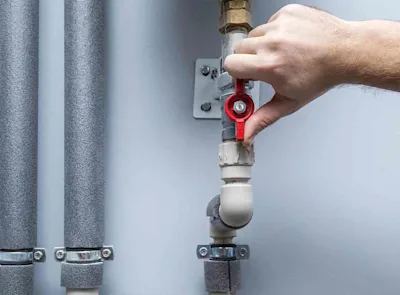
By: Content Team
Reviewed: Alex Peters
When a pipe bursts, the clock starts ticking. Water can spread through floors and ceilings in minutes, and the single most useful thing you can do is find your stopcock and shut it off.
The trouble is, plenty of homeowners have never had to look for theirs before, so when an emergency hits, they don't know where to start.
Where your internal stopcock is likely hiding
What to do if it's not under the kitchen sink
How to find the external stopcock too
Why a seized or jammed valve happens
What to do if you genuinely can't find one
How to stop this being a problem again
This guide covers where stopcocks are usually hidden, what to do if yours is stuck or missing entirely, and how to make sure you're never caught out again.
Find an emergency plumber near me
What is a stopcock, and why does it matter?
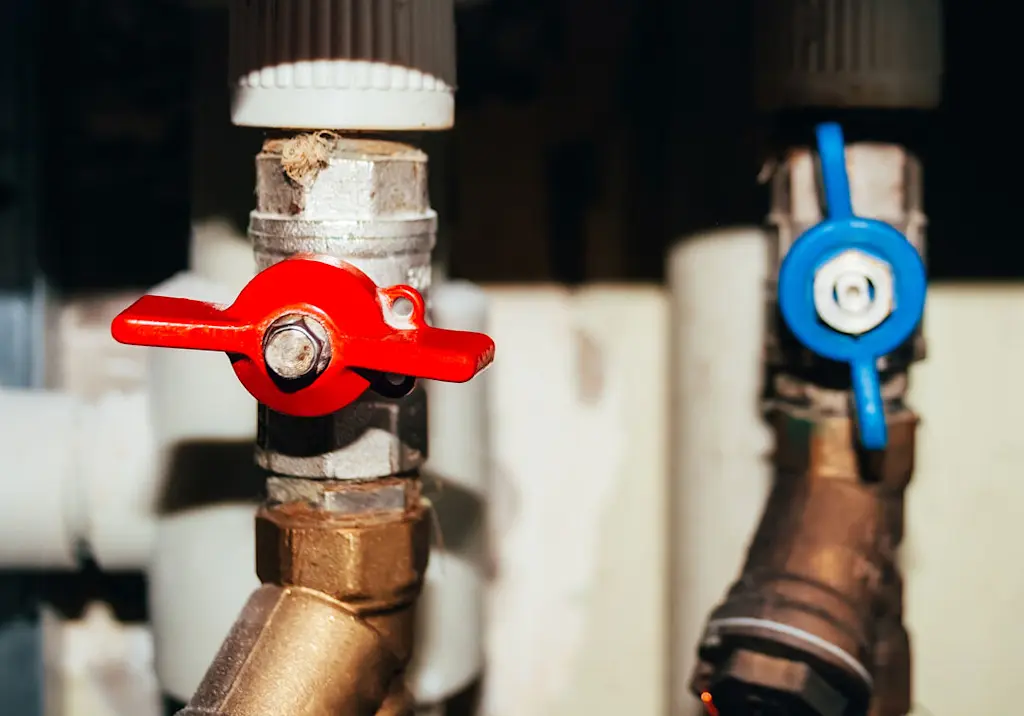
A stopcock (sometimes called a stop valve or stop tap) is the valve that controls the flow of mains water into your home.
Turning it off cuts the water supply at the source, which is exactly what you need in a burst pipe, major leak, or any situation where water needs to stop right now.
Most homes have two: an internal stopcock inside the property, and an external stopcock (sometimes in a small chamber near the pavement or property boundary) that belongs to your water supplier.
Locate both stopcocks on a dry, calm day, not mid-emergency. Test that each one turns, and make a mental note (or a photo) of exactly where they are.
Where is my internal stopcock?
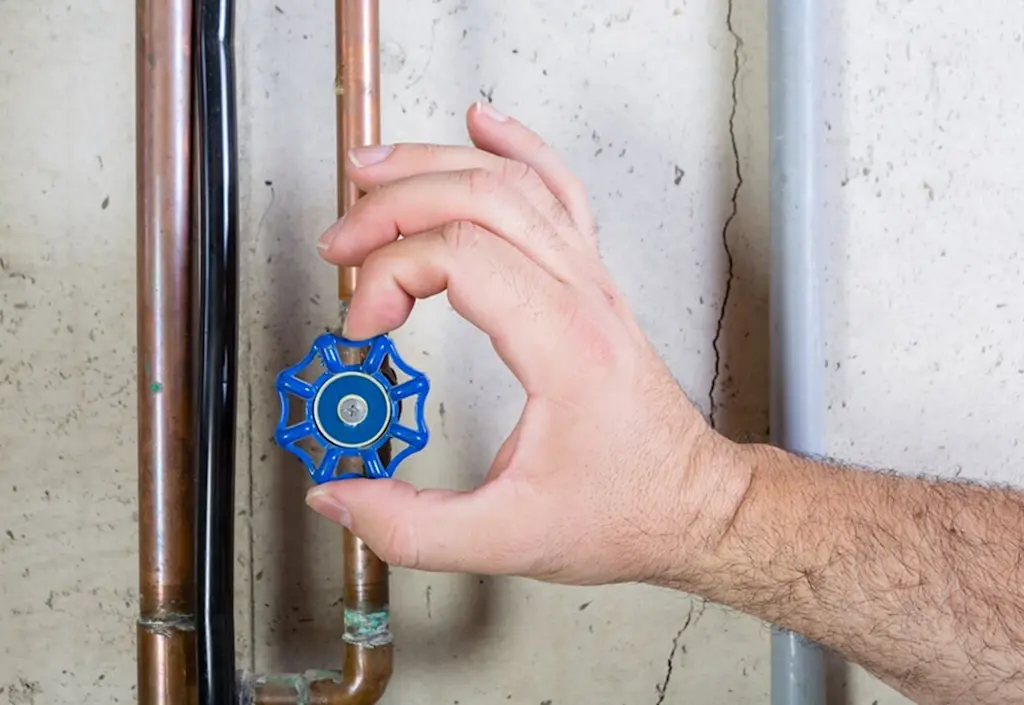
The internal stopcock is usually found under the kitchen sink, but that's far from guaranteed, especially in older properties where plumbing has been altered over the years.
If it's not under the sink, check:
The back of a cupboard in the bathroom
The airing cupboard, often near the hot water cylinder
Close to the boiler
Next to the front door, sometimes concealed behind a small panel
Under the stairs or in a utility room, if your home has one
If your home has been extended or renovated, the stopcock may have ended up somewhere unexpected during the works, so it's worth checking anywhere pipework enters the building.

Where is the external stopcock?
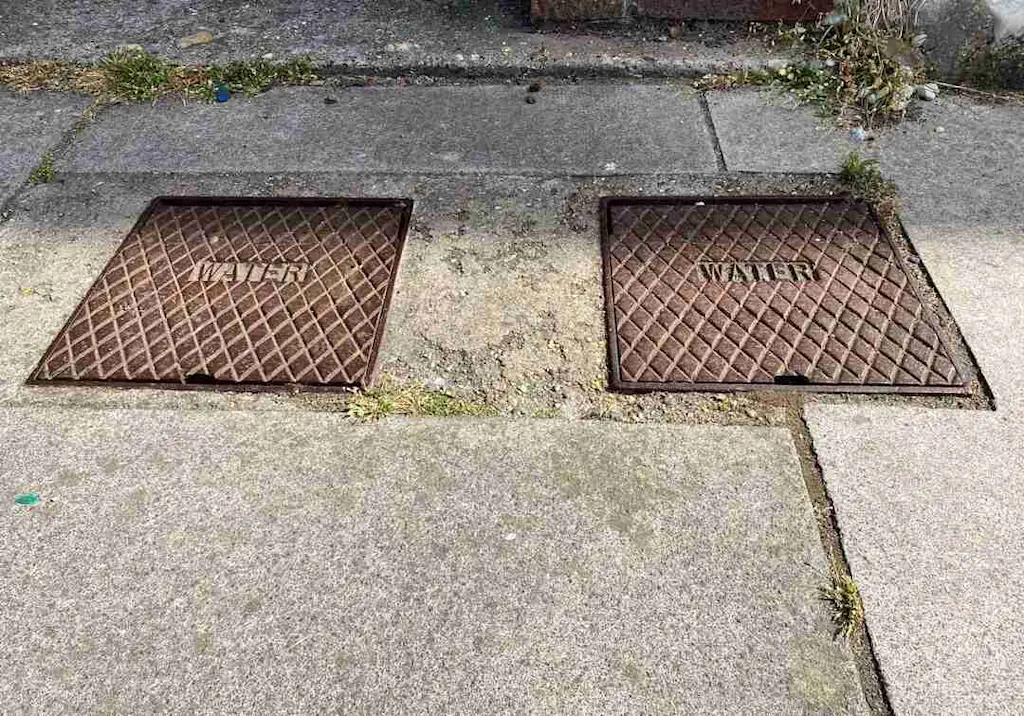
Most properties also have an external stopcock, usually housed in a small metal or plastic cover (sometimes called a valve box) set into the ground near the property boundary or in the pavement outside.
In terraced streets, one external valve can sometimes serve several neighbouring homes, so it's worth being sure which one is actually yours before you touch it.
If you can't spot it, walk the boundary of your property and look for a small rectangular or circular cover, often with a lifting hole in the centre. Some are buried under soil or grass and haven't been used in years.

If turning the water off doesn't solve the problem, it's worth reading up on what to do about a burst water pipe or a water leak more generally, so you know what steps come next.
What if I genuinely can't find either stopcock?
It happens more often than you'd think, particularly in older or converted properties.
If you've checked the usual spots and come up empty:
Contact your water supplier. Most offer a free service to help locate or trace an external stopcock, and can shut off supply at the boundary in an emergency if needed.
Ask a neighbour, especially in a terrace or semi, as external valves are sometimes shared or close together.
Call a plumber. A tradesperson can trace the supply pipe and locate a hidden valve quickly, without the guesswork.
Don't wait until there's a flood in progress to work this out. If you're at all unsure where yours is, it's worth sorting before you need it in a hurry.
Find an emergency plumber near me
My stopcock won't turn - what now?
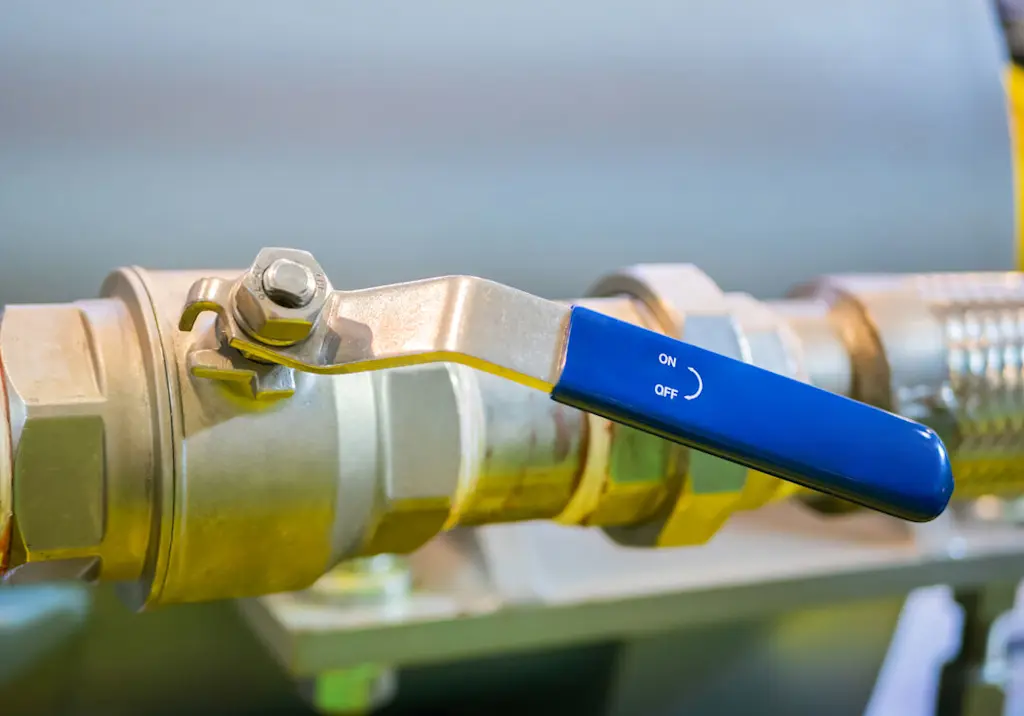
A stopcock that hasn't been touched in years can seize up, especially older brass valves with a gland packing nut. Some things to try:
Turn gently in both directions rather than forcing it. Excessive force can snap the spindle.
Apply a penetrating lubricant to the spindle and let it sit for a few minutes before trying again.
If it's a gland nut type, loosening the nut slightly at the base can sometimes free up movement.
Never use excessive heat near a stopcock, and avoid hammering or striking it.
If it still won't budge, stop. A stopcock that's forced can crack or shear off, which turns a simple job into a much bigger repair.
This is a good moment to call in a plumber rather than risk making things worse.
If your internal stopcock won't move, don't panic. You may still be able to isolate the water at the external valve while a plumber deals with the internal one.

Testing your stopcock (before you need it)
We'd strongly recommend testing your stopcock regularly rather than waiting for an emergency. Give it a full turn once or twice a year, closing it fully, then opening it back up, just to keep it moving freely.
While you're at it, this is a good time to check for any other easily preventable plumbing issues:
Look for a slow drip or damp patch near existing valves
Check that any isolation valves under sinks and toilets also turn freely
Make sure everyone in the household knows where the stopcock is
Not sure what the job could cost?
Job Estimate Calculator

Finding a plumber to help
If your stopcock is jammed, missing, or you'd simply rather have a professional confirm everything's in working order, a qualified plumber can sort it quickly.
Costs for stopcock repairs or replacements are relatively modest compared to the cost of water damage from a burst pipe left unchecked, our plumber call-out fee guide has more detail on what to expect to pay.
Find a reliable local plumber near you
Enter your postcode to find a top tradesperson near you
PlumbingHQ
10.00
(2 reviews)Services & skills
PlumberEmergency Plumber ServiceWater Supply Pipe RepairsWater Leak DetectionBathroom & Kitchen PlumbingMJ Plumbing and Heating
10.00
(40 reviews)Services & skills
PlumberEmergency Plumber ServiceWater Supply Pipe RepairsUnderfloor Heating InstallationShower RepairROBIP-PGHEM-ENGINEERING
10.00
(65 reviews)Services & skills
PlumberEmergency Plumber ServiceUnderfloor Heating RepairBlocked ToiletsPipe FitterRapid Drainage and Plumbing
10.00
(264 reviews)Services & skills
PlumberEmergency Plumber ServiceGeneral PlumbingWater Supply Pipe RepairsWater Leak DetectionAZ Plumbing Contractors Ltd
10.00
(251 reviews)Services & skills
PlumberEmergency Plumber ServiceWater Mains Specialist (Pipe Replacement, Moling and Lead Pipes)Water Leak DetectionUnvented Hot Water Cylinder InstallationFlow Plus Plumbing
10.00
(6 reviews)Services & skills
PlumberEmergency Plumber ServiceBathroom & Kitchen PlumbingGeneral PlumbingPipe Fitter





The guide to UK automatic water shut off valves
Protect your family and your home by installing a UK automatic water shut off valve. Including guidance to choose the best valve.

On Checkatrade, you'll only find trades who meet our high standards and pass up to 12 checks.
Checklist: before you need your stopcock

Stopcock readiness checklist
FAQs
Yes, "stopcock" and "stop valve" (or "stop tap") refer to the same thing: the valve controlling mains water into your property.
Most follow the rule of clockwise to close, anticlockwise to open, otherwise known as the standard "righty-tighty, lefty-loosey" rule.
Most do, though some older or unusually laid-out properties may only have an internal one, or a shared external valve serving multiple homes.
It's possible for a confident DIYer, but because it involves shutting off your entire water supply and can risk damage to supply pipework, most homeowners choose to get a plumber to do it.
Usually because it hasn't been turned in years. Minerals and corrosion build up around the spindle and gland packing, making it stiff or immovable.
Contact your water supplier. Many will trace and repair the external valve, or at minimum shut off supply further up the network in an emergency.
It's a sensible precaution, particularly in winter when frozen and burst pipes are more common while nobody's home to notice.
At least once or twice a year, giving it a full turn in both directions to keep it moving freely.

See the tradespeople we've checked for your job