HOW-TO GUIDES
How to turn off the water in your house
Updated 05/26
By: Laura Macdonald

There are certain bits of home knowledge many people don’t think about until they suddenly really need them. Knowing how to turn off the water in your house is one of them.
Sometimes it’s planned — if you’re replacing a tap, fixing a toilet, or waiting for a plumber, for example. Other times, it’s much more urgent: a leaking pipe, water coming through the ceiling, or something suddenly not feeling quite right.
Either way, being able to quickly shut off your water supply can stop a small problem turning into a much bigger one (and avoid expensive repair work).
This guide explains how to turn off the water in your house and where to find the stop valve (sometimes called a stopcock). We also explain what to do if the valve is stuck and when it’s best to call a plumber.
How to turn off the mains water supply
Where to find your internal stop valve or stopcock
Where your external water stopcock may be located
What to do if the valve is stuck or leaking
Why you might need to turn the water off
When to call a plumber urgently
Quick answer: How do you turn off the water in your house?
If you need to stop the water quickly:
Find your internal stop valve (stopcock)
Turn it clockwise until it stops
Open a cold tap to check the water supply has stopped
If water continues flowing strongly, you may need the external stop valve instead
In most homes, the internal stop valve is found:
Under the stairs
Near where the water pipe enters your property
In a utility room or downstairs cupboard
If you’ve never checked where your stop valve is before, it’s worth finding it now rather than during a leak when stress levels are already high.
What is a stop valve or stopcock?
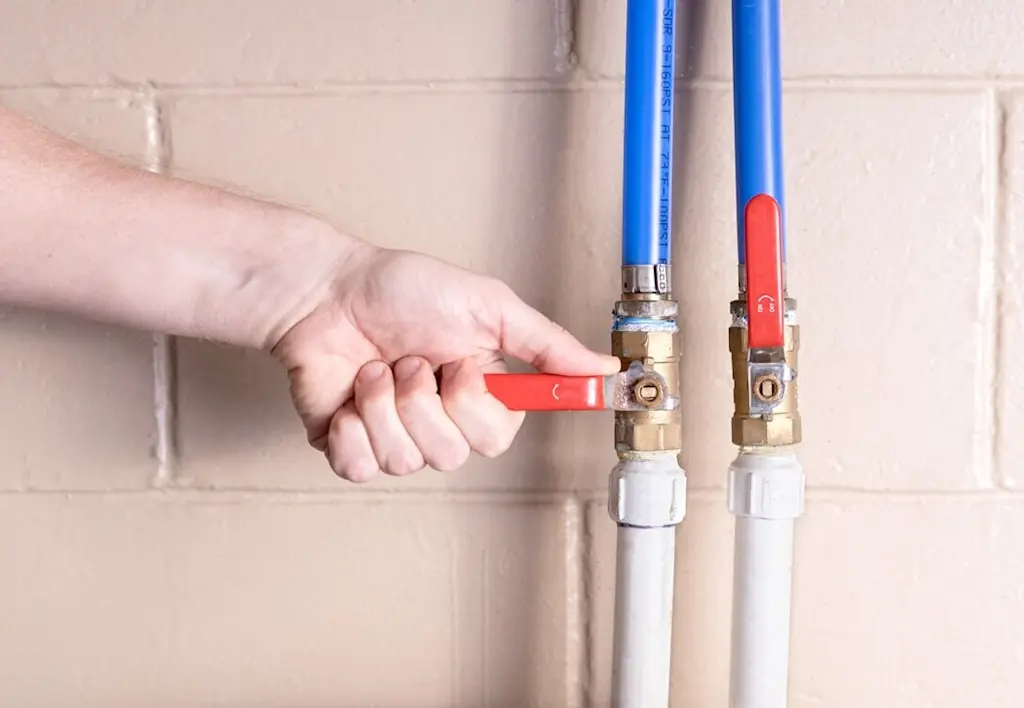
A stop valve (often still called a stopcock) controls the mains water supply that enters your property.
Turning it off stops fresh water flowing into the house, which means taps, toilets and appliances stop receiving mains water.
You’ll usually have:
An internal stop valve inside your home
An external stop valve outside near the property boundary
The internal valve is the one most people use day to day.
Why might you need to turn the water off?
Sometimes you need to turn the water off in an emergency. Other times, it’s simply part of planned plumbing work.
Some of the most common reasons for needing to turn off the water supply include:
An overflowing toilet
A dripping tap replacement
Plumbing repairs
Installing a washing machine or dishwasher
Preventing damage while away from home
Frozen or burst pipes
Renovation work
If water is leaking near electrics, avoid touching switches or appliances nearby. If it’s safe to do so, turn the electricity off at the consumer unit and call an emergency professional.
Where is the stop valve usually located?
This is the bit that can catch people out because there isn’t one universal location for a stop valve.
In UK homes, the internal stop valve could be found in one of several locations:
Under the kitchen sink
Near the water meter
Under the stairs
In a downstairs toilet
In an airing cupboard
Near the front door
In a garage, utility room, bathroom or cellar
You’re looking for a valve attached to the incoming mains water pipe.
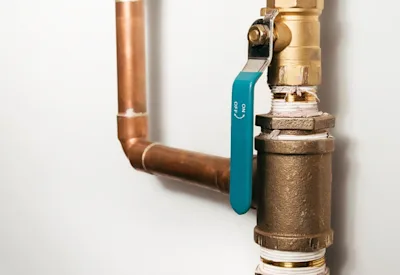
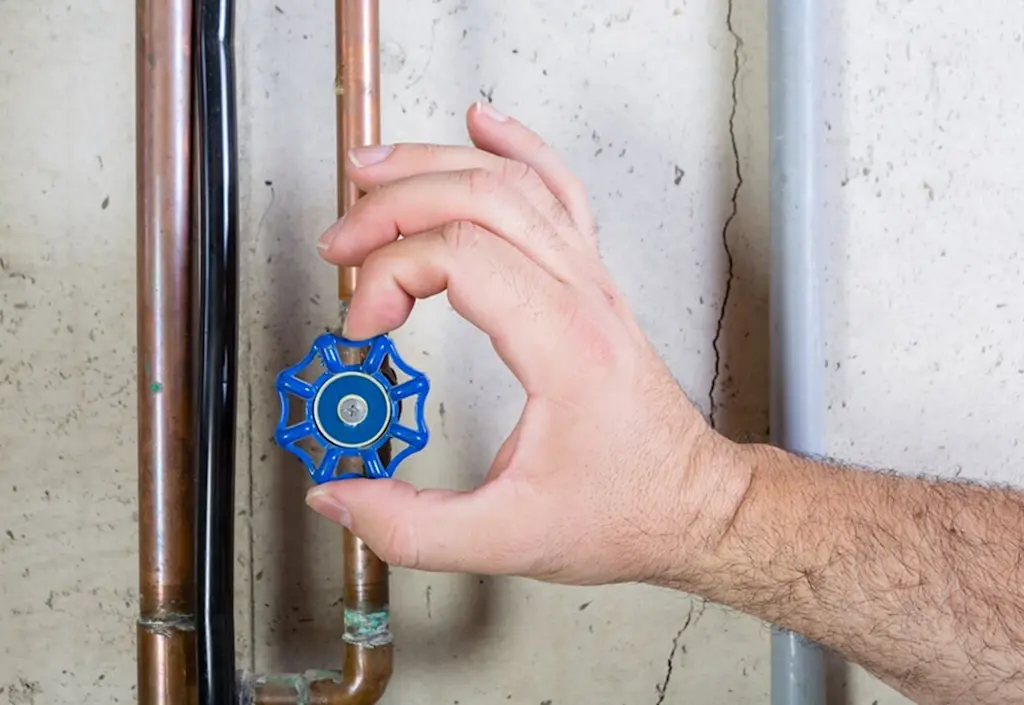
Older stop valves often look like a small brass tap or round wheel handle. Newer versions may have a lever or plastic handle that turns more easily.
How to turn off the water supply step by step
Once you’ve found the valve in your home, the actual process of turning off the water supply is usually simple.
Step 1: Locate the internal stop valve
Check the common locations listed above.
If you live in a flat or apartment, the valve may be:
In a communal cupboard
Under the kitchen sink
In a service riser cupboard
Near the boiler or hot water cylinder
Step 2: Turn the valve clockwise
Most traditional stop valves turn clockwise to shut the water off.
You don’t normally need excessive force.
If it feels stiff, apply gentle pressure rather than forcing it aggressively.
Step 3: Check the water is off
Turn on a cold tap. You may still get a short flow while the pipes drain down, but it should slow and stop fairly quickly. If water continues running strongly, the valve may not be fully closed — or you may need to use the external stop valve instead.
Step 4: Leave taps open if needed
If you’re carrying out plumbing work, it can help to leave taps open briefly to drain any remaining water from the pipes.
Many stop valves haven’t been touched for years. Giving yours a gentle test every 6–12 months can help stop it seizing up when you actually need it.
What if the stop valve is stuck?
Don't worry, this is extremely common in older properties.
Sometimes the valve hasn’t been moved in years, which means it becomes stiff or partially seized.
If this happens:
Try turning it gently back and forth slightly
Avoid forcing it suddenly
Use a cloth for extra grip
Stop if it feels like it may snap or start leaking
If the valve starts dripping while you’re turning it, or won’t fully close, it’s usually best to stop and call a plumber rather than pushing your luck. A broken stop valve can quickly turn a manageable situation into a plumbing emergency.
If you can never remember which way to turn a valve, there’s an old DIY saying that helps: “lefty loosey, righty tighty”. In most homes, turning the stop valve clockwise shuts the water off.
Where is the external water stopcock?
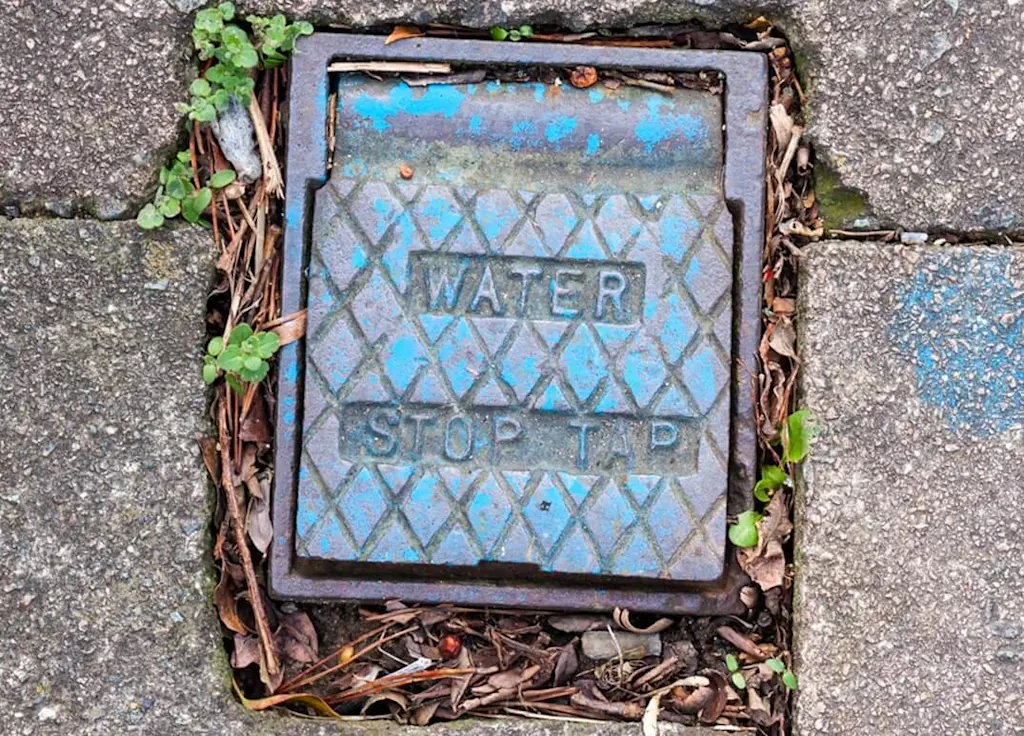
Your external stopcock controls the mains supply outside of your property.
It’s often located:
Under a small cover in the pavement
Near the front boundary of your property
On the driveway
In the footpath outside the house
The cover may say:
Water
Meter
SV (stop valve)
Some external stop valves sit quite deep underground and may need a stopcock key to operate them.
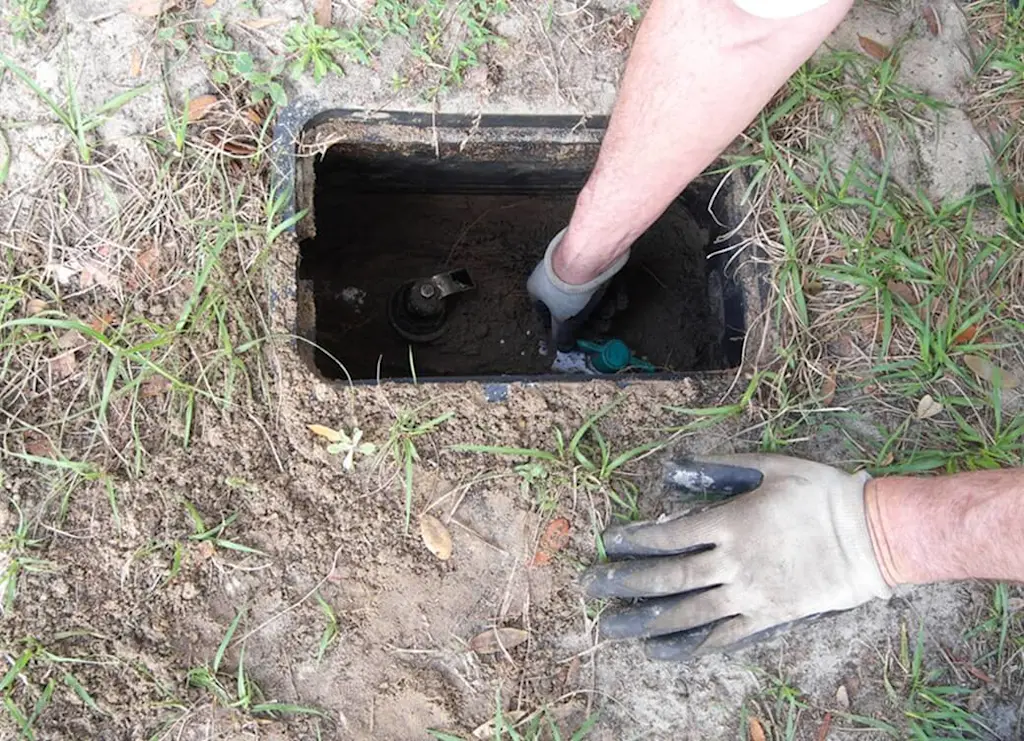
What tool is used to turn off mains water?
For most internal stop valves, you normally won’t need tools at all.
External stop valves, however, sometimes require:
A stopcock key
Stop tap key
Water meter key
These 'keys' are long metal tools designed to reach underground valves safely. Some households keep one stored in the garage or shed, especially in rural areas or older properties.
What happens if you turn off the water going into your house?
Turning off the mains water supply stops fresh water entering the property.
What this means in practice is:
The cold taps stop running
Toilets won’t refill properly
Washing machines and dishwashers won’t work
Some boilers may display low-pressure warnings if drained down extensively
You can still temporarily use water already sitting inside pipes or tanks until it runs through.
Turning the water off won’t normally damage your plumbing system by itself.
If you’re turning the water off for planned work, fill a jug or bottles with drinking water beforehand and top up the kettle while you still can. Future you — and your tradesperson when tea break arrives — will probably be very grateful.
Who is responsible for the mains water stopcock?
Responsibility for the mains water stopcock is usually split:
Internal stop valve: normally the homeowner’s responsibility
External stopcock: usually maintained by the local water company
If the external valve is damaged, buried, leaking or inaccessible, your water supplier may need to attend.
How do you check if a property is connected to mains water?
Most UK homes are connected to mains water.
Signs to look for include:
A water meter or stopcock
Water bills from a supplier
Consistent mains pressure at taps
If you’re unsure, you can:
Ask the local water supplier
Check the property documents
Ask a surveyor or plumber
Some rural properties use private water supplies or boreholes instead.
What if you can’t find the stop valve?
Don’t panic — this is more common than people think.
In some homes, valves are hidden behind:
Kitchen units
Boxing-in
Cupboards
Flooring access panels
If you genuinely can’t locate it:
Ask the previous owners or neighbours in similar properties
Check the property survey if you have one
Contact a plumber
Contact your water supplier for external valve guidance
Plumbers are normally able to locate and label the valve very quickly.

On Checkatrade, you'll only find trades who meet our high standards and pass up to 12 checks.
Can you turn the water off yourself — and should you?
In most situations, turning off your own water supply is completely manageable.
It’s usually fine to do yourself if:
You’ve located the stop valve
The valve turns normally
There’s no sign of damage or leaking
You’re simply isolating water temporarily
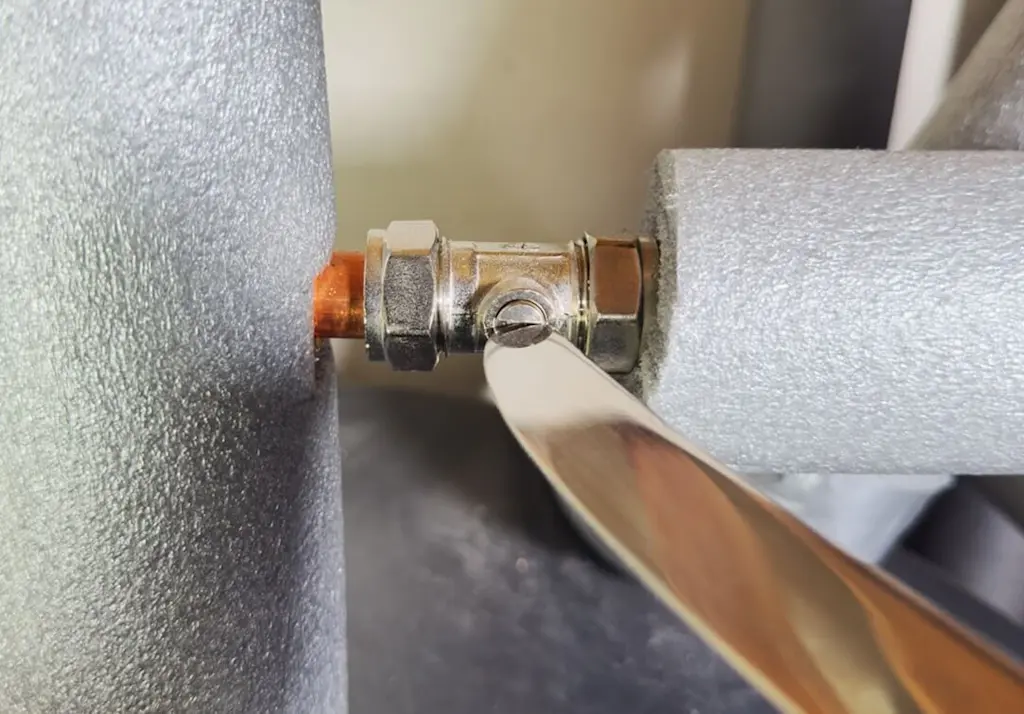
An isolator valve lets you turn the water off to one specific item (such as a toilet, tap or washing machine) without shutting off the water to the whole house. You’ll often find them under sinks or behind toilets, and they can usually be turned with a flat-head screwdriver or even a table knife, as pictured above.
It’s worth calling a plumber if:
The valve is stuck
The valve leaks when touched
Water won’t fully shut off
You can’t find the valve
You need a new internal shut-off valve installed

Thinking about hiring a professional?
Here’s what recent Checkatrade customers said about hiring a plumber:
“Carl responded fast and got the job done promptly and professionally. I highly recommend Responsive Plumbing. Thanks Carl!” Verified reviewer, Responsive Plumbing, (Location M28)
“We were contacted quickly. Our job was seen to within 24 hours of submitting a request. The problem was diagnosed quickly and dealt with efficiently and effectively. Would definitely recommend.” Verified reviewer, Plumbing & Handyman Services, (Location N11)

Find reputable plumbers near you
If your stop valve is seized, leaking, missing, or simply refusing to cooperate, a plumber can usually get things under control quickly and safely.
With Checkatrade, tradespeople are:
Checked - Every Checkatrade member must pass up to 12 checks and commit to upholding the Checkatrade Standard
Reviewed - Over 6.2 million reviews have been published on Checkatrade about real jobs, on everything from communication, tidiness, timekeeping, and quality of work
Guaranteed - Jobs booked through Checkatrade are covered up to £1,000 (T&Cs apply)
Enter your postcode to browse checked and reviewed plumbers working in your area.
Find a plumber near me
FAQs
External stopcocks are usually found under a small cover near the property boundary, pavement or driveway. The cover may be labelled 'Water', 'Meter' or 'SV'.
Locate the internal stop valve and turn it clockwise until it stops. Then run a cold tap to check the mains supply has stopped flowing.
The stop valve controls the mains water supply entering your property. Turning it off stops fresh water flowing into your plumbing system.
Cold water taps, toilets and appliances will stop receiving mains water. Any remaining water already in the pipes may still run briefly.
Internal stop valves usually don’t require tools. External underground stopcocks sometimes need a stopcock key or stop tap key.
Internal stop valves are usually the homeowner’s responsibility. External mains stopcocks are generally maintained by the local water company.
Most UK homes are connected to mains water. You can check via water bills, water meters, property documents, or by contacting the local water supplier.
If you’re leaving your home empty for more than a few days, many people choose to turn the mains water off as a precaution — especially in winter or if the property will be unoccupied during freezing weather.
See the tradespeople we've checked for your job